
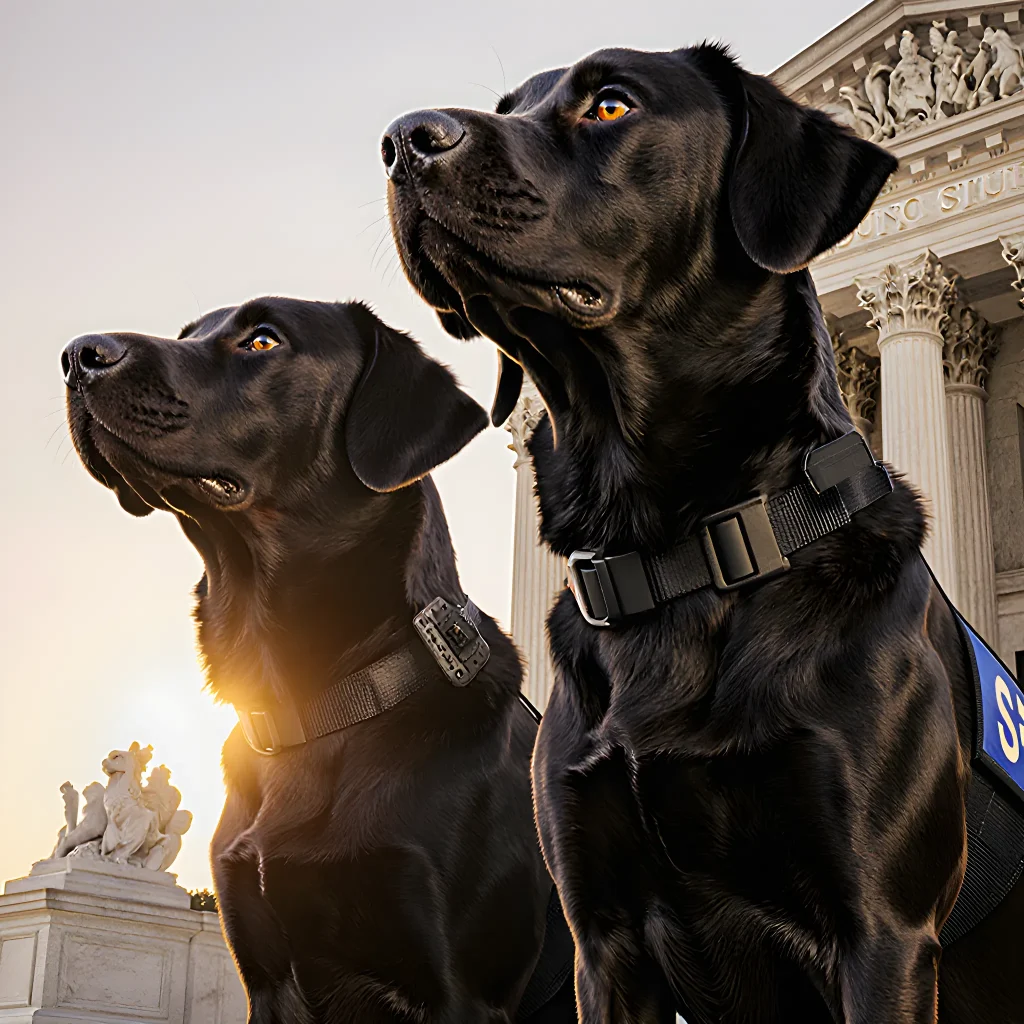
Love, Law & Loyal Companions
When Love Meets Legislation: Therapy and Service Dog Secrets
Table of Contents
- Introduction
- What is a Therapy Dog?
- What is a Service Dog?
- Legal Definitions and Regulations
- Training Requirements for Therapy Dogs
- Training Requirements for Service Dogs
- Roles and Responsibilities in the Workplace
- Roles and Responsibilities in Healthcare Settings
- Public Access Rights
- Health Benefits of Therapy Dogs
- Functional Assistance Provided by Service Dogs
- Choosing the Right Dog for Your Needs
- Ethical Considerations and Best Practices
- Conclusion
- FAQ
Introduction
The Difference Between Therapy Dogs and Service Dogs
When people talk about “dogs that help humans,” they often lump together two very distinct roles: therapy dogs and service dogs. Though both involve trained canines working closely with people, their purposes, legal protections, training requirements, and everyday behaviors differ markedly.
- Service Dogs: These animals are specifically trained to perform tasks that directly alleviate a physical or mental disability. Common tasks include guiding visually impaired owners, alerting people with hearing loss, pulling wheelchairs, retrieving dropped items, providing sensory support for autism, and even detecting seizures.
- Therapy Dogs: These dogs are trained to provide comfort, affection, and a calming presence in settings such as hospitals, nursing homes, schools, or disaster zones. Their primary goal is emotional support rather than performing functional tasks tied to a disability.
In the United States, the Americans with Disabilities Act (ADA) gives service dogs special rights: they can accompany their handlers into any public space, including restaurants and stores, regardless of pet policies. Therapy dogs do not receive ADA protection; they are allowed in specific venues only if the owner has obtained permission from the establishment.
- Service Dogs: Typically undergo 12–18 months of specialized training, often starting with basic obedience and then moving to advanced work commands. The training is rigorous, highly structured, and must be documented by a certified trainer or organization.
- Therapy Dogs: Their training focuses on socialization, calm behavior around strangers, and tolerance for handling. Certification programs like the American Kennel Club’s Therapy Dog Program or Pet Partners usually require a 10–12 week course that emphasizes temperament rather than task performance.
Service Dogs: They live and work with their handlers almost all the time, often carrying gear such as vests or harnesses that indicate their status. Their handlers rely on them for safety and independence.
Therapy Dogs: These dogs typically have a “work schedule” where they visit locations on specific days. They are usually not attached to one handler but may be trained by volunteers who rotate between different people or families.
- Service Dog Example: A guide dog helps a visually impaired person navigate city streets, stopping at crosswalks and warning of obstacles.
- Therapy Dog Example: A certified therapy dog visits a pediatric ward, sitting with children who are anxious about medical procedures, offering gentle pawing and calm presence.
- Assess your goal: Do you need a dog that performs specific tasks or one that offers emotional comfort?
- Consider legal implications: If you require unrestricted access to public spaces, a service dog is essential.
- Evaluate training time and cost: Service dog programs can be expensive (often $10–15k) but provide lifelong benefits; therapy dog programs are usually less costly ($200–$500).
In summary, while both therapy dogs and service dogs share a commitment to helping humans, their roles diverge in purpose, legal status, training intensity, and everyday interaction. Understanding these differences ensures you choose the right canine companion for your specific needs.
What is a Therapy Dog?
A therapy dog is a specially trained companion animal that provides emotional and psychological support to people in various settings such as hospitals, nursing homes, schools, disaster sites, and corporate offices. Unlike service dogs, which are legally protected under the Americans with Disabilities Act (ADA) and perform tasks directly related to an individual's disability, therapy dogs simply offer comfort, companionship, and a calming presence.
Key Characteristics of Therapy Dogs
- Gentle Temperament: They are calm, patient, and non-reactive in high‑stimulus environments.
- Social Skills: Comfortable with strangers, children, and people who may have sensory or mobility challenges.
- Health & Hygiene: Up-to-date on vaccinations, parasite control, and regular vet check-ups.
- Training Focus: Basic obedience (sit, stay, down, come) plus specific tasks such as staying still during a patient’s examination or gently nudging a person to sit up.
Typical Settings for Therapy Dogs
| Setting | Primary Benefit | Common Activities |
|---|---|---|
| Hospitals & Clinics | Reduce patient anxiety, lower heart rate, improve mood. | Visit wards, sit with patients during recovery, play fetch in waiting rooms. |
| Nursing Homes | Combat loneliness and depression among residents. | Daily walks around the facility, cuddle sessions on benches, group therapy rounds. |
| Schools & Universities | Support students with learning or emotional difficulties. | Read-aloud sessions for children, stress relief during exams, peer‑support visits. |
| Disaster Relief Sites | Provide comfort to survivors and first responders. | Walks around shelters, presence in temporary housing, emotional support during debriefings. |
Practical Steps for Bringing a Therapy Dog into Your Workplace or Facility
- Assess the Environment: Ensure the space is safe—no sharp objects, easy access to doors, and a quiet area for the dog to retreat if needed.
- Obtain Certification: Partner with reputable organizations such as Therapy Dogs International or National Dog Associates. Certification typically includes a written test, a practical evaluation, and a health certificate.
- Create a Visit Schedule: Draft a calendar that balances the dog’s rest needs with visitor demand. A typical schedule might involve two 30‑minute sessions per day.
- Train the Dog for Specific Tasks: While basic obedience is essential, you may want to train your dog to perform tasks like:
- Gently nudging a person with limited mobility to sit up.
- Providing a “rest” cue—standing by an individual’s side while they relax.
- Maintaining a calm posture in busy areas (e.g., staying still during a medical procedure).
- Develop a Dog Care Kit: Include water, food, treats, a leash, waste bags, a blanket, and a first‑aid kit for pets.
- Educate Staff & Visitors: Offer short orientation sessions explaining how to interact with the dog safely (e.g., no sudden movements, avoid touching the face or ears).
Common Misconceptions About Therapy Dogs
- "Therapy dogs can be left alone in a room." – They need supervision at all times to prevent accidents and to ensure they’re not overwhelmed.
- "All breeds are suitable for therapy work." – While many breeds can excel, smaller or less reactive breeds (e.g., Cavalier King Charles Spaniel, Poodle mixes) often adapt more quickly.
- "Therapy dogs have no legal protections." – Though they’re not covered by the ADA like service dogs, local laws may still require liability insurance and health documentation for public access.
Real‑World Example: The “Compassion Canine” Program at St. Mary’s Hospital
St. Mary’s introduced a weekly therapy dog visit schedule in 2019. Within the first year, patient satisfaction scores rose by 12%, and staff reported reduced stress levels during rounds. Key factors included:
- Strict health protocols (annual vet visits, microchipping).
- A dedicated “Dog Care Team” that coordinated schedules, monitored dog behavior, and handled paperwork.
- Monthly training refreshers to keep the dog’s skills sharp and responsive to new hospital procedures.
How to Get Started Today
- Identify a reputable therapy dog organization in your region.
- Schedule an initial consultation with a certified trainer.
- Prepare your facility by cleaning and securing areas where the dog will roam.
- Set up a simple “visit log” to track dates, times, and participant feedback.
- Celebrate your first successful visit—share photos (with permission) on your website or newsletter to showcase the positive impact!
Incorporating a therapy dog into your environment can foster compassion, reduce stress, and build stronger community bonds. With thoughtful preparation, proper certification, and ongoing care, you’ll create a safe and welcoming space for both people and their canine companions.
What is a Service Dog?
A service dog is a specially trained animal that performs tasks or provides assistance for an individual with a diagnosed disability. Unlike companion animals or pet dogs, service dogs are recognized under the Americans with Disabilities Act (ADA) and have the legal right to accompany their handler in public places such as restaurants, grocery stores, and public transportation.
Key Characteristics of Service Dogs
- Task-Oriented Training: They learn specific tasks that mitigate a particular disability. Examples include guiding visually impaired owners, alerting deaf individuals to sounds, pulling a wheelchair, or providing seizure warning and support during an episode.
- Professional Training: Most service dogs receive formal training from accredited agencies (e.g., Canine Companions for Independence, National Service Dogs for the Blind) that covers basic obedience, public access, and specialized task performance.
- Behavioral Standards: They must remain calm in noisy or crowded environments, obey verbal commands, and not react to distractions like other animals or loud noises.
- Legal Status: Under the ADA, service dogs are considered a necessary medical aid. Businesses cannot refuse them entry based solely on their presence.
Common Tasks Performed by Service Dogs
| Disability Type | Typical Task(s) |
|---|---|
| Visual Impairment | Guide to obstacles, signal doorways, retrieve objects. |
| Hearing Loss | Alert to alarms, doorbells, or sudden noises; provide emotional support during auditory seizures. |
| Mobility Impairment | Pull a wheelchair, fetch items, open doors, balance assistance. |
| Seizure Disorders | Detect pre‑seizure signs, alert caregivers, stay with the individual during an episode. |
| Autism Spectrum Disorder (ASD) | Provide sensory grounding, reduce anxiety in crowds, interrupt repetitive behaviors. |
How to Determine if a Dog is a Service Dog
A dog can be a service animal only if it has been trained for specific tasks that directly relate to the handler’s disability. The following are practical checks:
- Ask for a Certification Card? Under the ADA, you may ask for documentation only in situations where the dog's status is unclear or there is suspicion of misuse.
- Observe Behavior in Public: Service dogs maintain composure in crowds, follow verbal commands, and do not bark or jump excessively.
- Look for a Harness or Collar: While not mandatory, many handlers wear a blue harness indicating the dog’s purpose. However, absence of such gear does not disqualify a service dog.
The Difference Between Therapy Dogs and Service Dogs
Although both types of dogs provide emotional support, they serve distinct roles:
| Service Dog | Therapy Dog | |
|---|---|---|
| Purpose | Task-oriented assistance for a specific disability. | Emotional support and companionship in therapeutic settings (hospitals, schools). |
| Training Scope | Extensive task training plus public access obedience. | Basic obedience; may receive socialization training but no specific task training. |
| Legal Status | Recognized under the ADA with rights to accompany handlers in all public places. | No special legal status; access is granted by invitation or facility policy. |
| Handler’s Disability | Must have a diagnosed medical condition that the dog helps mitigate. | Can be used by anyone, often in institutional settings. |
Practical Advice for Service Dog Handlers
- Maintain Training Consistency: Regular refresher training sessions keep the dog’s skills sharp and ensure public behavior remains appropriate.
- Carry Identification: A service dog identification card or a blue harness can help staff at businesses quickly recognize the dog's role, reducing misunderstandings.
- Plan for Public Access: When traveling, bring a leash, waste bags, and any required documentation. Familiarize yourself with local regulations regarding service animals in public transportation.
- Health & Nutrition: Provide balanced meals, regular veterinary check-ups, and sufficient exercise to keep your dog physically and mentally fit for task performance.
- Legal Rights Awareness: Know the ADA’s provisions and your rights as a handler. If faced with discrimination, document incidents and consider contacting local disability advocacy groups or legal counsel.
Understanding these distinctions and responsibilities not only ensures compliance with regulations but also maximizes the positive impact service dogs have on the lives of those they assist.
Legal Definitions and Regulations
The distinction between a therapy dog and a service dog is not just functional— it’s also defined by law. Understanding these definitions helps pet owners, businesses, and the public navigate rights, responsibilities, and legal protections.
Service Dog (United States)
- Americans with Disabilities Act (ADA), 42 U.S.C. § 12112: A service dog is a dog that has been individually trained to do work or perform tasks directly related to an individual’s disability.
- Examples of tasks: guiding visually impaired individuals, alerting those with hearing loss, pulling a wheelchair, retrieving objects, providing balance support, or detecting medical conditions such as seizures or low blood sugar.
Key Legal Rights
- Access to Public Places: Service dogs are considered a reasonable accommodation for the owner and may accompany them in restaurants, hotels, shops, and public transportation.
- No Fee or Documentation Required: Owners do not need to provide proof of training or pay additional fees for service dog access.
- Exclusion Only on Safety Grounds: Facilities can refuse a service dog only if it poses an immediate threat to safety (e.g., uncontrolled aggression) and cannot be managed through reasonable accommodation.
Practical Advice for Owners
- Training Records: Keep a copy of the dog’s training certificate, vaccination records, and any certifications from reputable organizations (e.g., Pet Partners, Assistance Dogs International).
- Behavioral Management: Regularly practice leash control, obedience, and public behavior drills to ensure consistent performance.
- Documentation for Travel: While not required by law, airlines often ask for a letter from a qualified professional stating the dog’s service role. Having this on hand simplifies travel arrangements.
Therapy Dog (United States)
- Definition by American Kennel Club (AKC) & Therapy Dogs International: A therapy dog is a calm, well-behaved dog that visits hospitals, schools, nursing homes, or disaster sites to provide comfort and emotional support.
- No official federal law specifically governs therapy dogs, but many states have statutes recognizing them as “emotional support animals” in certain contexts (e.g., housing).
Key Legal Rights
- Limited Public Access: Therapy dogs are not automatically granted the same public access rights as service dogs. Some venues may allow them on a case-by-case basis, but they can be refused entry without a valid safety concern.
- No Reasonable Accommodation Requirement: Businesses are not required to accommodate therapy dogs under the ADA.
- Housing Exceptions: Under the Fair Housing Act (FHA), an emotional support animal may be allowed in “no-pet” buildings if the owner has a documented disability and the animal provides therapeutic benefits. However, recent updates require a doctor’s letter confirming the need for the animal.
Practical Advice for Therapy Dog Owners
- Training & Certification: Complete a therapy dog training program (e.g., Pet Partners, Therapy Dogs International). While not legally required, certification improves acceptance and demonstrates responsibility.
- Health & Vaccination Records: Maintain up-to-date health documentation to show the dog’s suitability for public visits.
- Behavioral Etiquette: Practice quiet, non-disruptive behavior in various environments—this helps mitigate concerns from facility staff and enhances the therapeutic experience.
International Legal Landscape
Across the globe, laws vary widely. Below are brief snapshots of key jurisdictions:
| Country | Service Dog Rights | Therapy/Emotional Support Dog Rights |
|---|---|---|
| United Kingdom | Allowed in public places under the Equality Act 2010; no need for registration. | No statutory rights; may be granted entry on a case-by-case basis. |
| Canada | Recognized under the Canadian Human Rights Act; similar to U.S. ADA. | Allowed in many public spaces with proof of health and behavior, but no guaranteed access. |
| Australia | Protected under the Disability Discrimination Act 1992; service animals are treated as reasonable accommodation. | No specific legal protection; therapy dogs often accepted by hospitality venues with prior notice. |
When traveling internationally, always check local regulations and carry documentation (training certificates, health records) to avoid misunderstandings.
Training Requirements for Therapy Dogs
Unlike service dogs, which are trained to perform specific tasks that directly aid a person with a disability, therapy dogs must be able to interact safely and calmly in a variety of public environments. The training focus is therefore on general behavior, socialization, and basic obedience rather than specialized task performance.
Core Training Components
- Basic Obedience: Sit, stay, down, come, heel, and loose‑leash walking are essential. These commands keep the dog under control in crowded or noisy settings.
- Socialization: Exposure to different people (children, seniors, people with disabilities), animals, sounds (airplanes, sirens), and environments (schools, hospitals, nursing homes). Gradual desensitization prevents anxiety during visits.
- Public Decency: Dogs must remain quiet in quiet rooms, not jump on guests, and stay away from food or personal belongings unless specifically invited.
- Handling Skills: The dog should tolerate being touched by strangers, handled by therapists, and carried if needed. This includes being comfortable with grooming, restraint, and short periods of isolation.
Training Timeline
A typical therapy‑dog program lasts 4–6 months, but the length varies based on the dog’s temperament and learning pace.
- Foundation (Weeks 1–2): Basic obedience and leash manners.
- Socialization Phase (Weeks 3–8): Controlled exposure to diverse settings with positive reinforcement.
- Mock Visits (Weeks 9–12): Simulated therapy sessions in a quiet room, gradually adding distractions.
- Certification & Review (Week 13+): Final assessment by a certified evaluator; ongoing refresher training every 6 months.
Practical Advice for Owners
- Use high‑value treats and praise to reinforce calm behavior during busy visits.
- Keep the dog’s routine consistent: regular feeding, exercise, and rest periods help maintain focus.
- Carry a “therapy kit” with water, waste bags, a first‑aid pack, and a small blanket for comfort.
- Maintain up‑to‑date health records (vaccinations, vet visits) – most facilities require proof of health before allowing therapy dogs inside.
Key Differences from Service Dogs
While both types of dogs undergo rigorous training, the distinction lies in purpose and scope:
| Therapy Dog | Service Dog | |
|---|---|---|
| Primary Role | Provide emotional support in public settings. | Perform specific tasks to assist a person with a disability (e.g., retrieving items, alerting to medical events). |
| Training Focus | General obedience, socialization, and calm public behavior. | Task‑specific training plus advanced obedience. |
| Legal Protections | No federal access rights; must be approved by each facility. | Protected under the Americans with Disabilities Act (ADA); guaranteed public access. |
Understanding these differences ensures that you tailor your training program to meet the unique needs of a therapy dog while respecting legal and ethical standards.
Training Requirements for Service Dogs
While therapy dogs receive basic obedience training and are often certified through volunteer programs, service dogs undergo a highly specialized curriculum designed to perform tasks that directly compensate for a specific disability. The training process is rigorous, structured, and tailored to the individual’s needs.
1. Core Obedience Foundation
- Housebreaking & Leash Control: Dogs must reliably stay off furniture, tables, and other prohibited areas.
- Basic Commands: Sit, stay, come, down, heel, and recall are essential for safety and control in public settings.
- Impulse Control: The dog learns to wait calmly at doors, windows, and before crossing streets.
2. Disability‑Specific Task Training
The tasks vary depending on the user’s impairment. Common examples include:
- Mobility Assistance (e.g., wheelchair users): Pulling a cart, retrieving dropped items, opening doors, or providing balance support.
- Sensory Assistance (e.g., visual impairments): Guiding through obstacles, signaling changes in elevation, or indicating doorways and curb cuts.
- Medical Alert: Detecting low blood sugar, seizures, or other medical conditions and alerting the owner by nudging, barking, or bringing medication.
- Psychological Support (e.g., PTSD): Performing calming tasks such as pressing against a person’s chest during panic attacks or providing a “safe space” in stressful environments.
3. Public Access Training
A service dog must behave appropriately in all public settings, regardless of noise, crowds, or distractions:
- Non‑Disruptive Behavior: No barking, jumping, or chewing on furniture.
- Traffic Safety: The dog should stay safely behind the owner and not dart into traffic.
- Social Discretion: The dog remains calm around strangers and does not seek attention.
4. Certification & Ongoing Evaluation
Unlike therapy dogs, service dogs usually do not require a formal certification body; however, many owners keep training logs and obtain veterinary health certificates. Regular re‑training sessions (every 6–12 months) help maintain skills and address any changes in the user’s condition.
5. Practical Tips for Owners
- Start Early: Begin training during puppyhood or early adolescence to shape good habits before they become ingrained behaviors.
- Use Positive Reinforcement: Reward-based methods encourage cooperation and build trust, essential for sensitive tasks like medical alerting.
- Simulate Real‑World Scenarios: Practice in varied environments—busy streets, parks, elevators—to ensure the dog remains reliable under different stimuli.
- Consult a Professional Trainer: A certified service dog trainer can design a custom program and provide ongoing support.
- Document Progress: Keep a training log with dates, tasks mastered, and any setbacks to track development over time.
By following these structured steps, owners can ensure their service dogs are fully equipped to perform essential tasks, maintain public access etiquette, and provide reliable support throughout the owner’s life.
Roles and Responsibilities in the Workplace
The distinction between therapy dogs and service dogs is critical when defining roles and responsibilities within a workplace setting. Understanding these differences ensures that both employers and employees can create inclusive, compliant, and productive environments.
1. Definition Recap
- Service Dogs: Individually trained to perform specific tasks for an individual with a disability (e.g., guiding visually impaired persons, alerting to seizures).
- Therapy Dogs: Trained to provide comfort and emotional support but are not certified to assist with medical tasks. They typically visit workplaces as part of organized programs.
2. Workplace Roles & Responsibilities
| Role | Service Dog Responsibilities | Therapy Dog Responsibilities | Employer Obligations |
|---|---|---|---|
| Employee with a Disability | • Must provide documentation of disability and the specific tasks the dog performs. • Is responsible for maintaining the dog's health, training updates, and ensuring it does not disrupt workplace operations. |
N/A (Therapy dogs are not assigned to individuals) | Provide reasonable accommodations under ADA; allow the employee to bring their service dog onto all work areas necessary for job performance. |
| Therapy Dog Handler | N/A | • Must ensure the dog is well-trained, calm, and free of aggressive behavior. • Handles scheduling visits, coordinating with workplace staff, and monitoring the dog's physical and emotional state. |
Ensure the handler has valid credentials (e.g., from a recognized therapy dog organization), maintain a clean environment, and respect employee privacy. |
| • Review accommodation requests and verify documentation. • Coordinate with occupational health to assess the impact of the service dog on workplace safety. |
• Evaluate therapy dog program proposals, ensure adherence to local regulations, and manage any liability concerns. | Develop clear policies outlining procedures for both types of dogs, provide training for staff, and maintain records per ADA guidelines. |
3. Practical Advice for Employers
- Create a Clear Policy: Draft a written policy that distinguishes between service and therapy dogs, outlines accommodation procedures, and specifies any restrictions (e.g., certain areas like food prep zones).
- Training & Awareness: Conduct annual training sessions for all employees to educate them on ADA rights, the responsibilities of dog owners, and how to interact respectfully with both types of animals.
- Health & Safety Checks: Require up-to-date vaccinations and health certificates for therapy dogs. For service dogs, ensure that any medical equipment they carry is properly labeled and safe.
- Document All Interactions: Keep a log of any incidents involving the dog, including dates, descriptions, and actions taken. This documentation protects both employees and the organization.
- Flexibility in Workspace Design: Provide designated areas where dogs can rest or be left unattended if needed. For service dogs that perform tasks requiring close proximity to workstations, ensure those stations are accessible and free of hazards.
- Liability Management: Obtain appropriate insurance coverage for therapy dog programs and clarify liability in the event of an incident involving a service dog.
4. Real‑World Examples
- Service Dog Example: A visually impaired software developer uses a guide dog to navigate the office, access meeting rooms, and retrieve documents from a high shelf. The employer provides an accessible workstation with tactile markings.
- Therapy Dog Example: An organization invites a certified therapy dog to visit during lunch breaks in the break room. Employees who are anxious or stressed can spend five minutes petting the dog, which has been shown to reduce cortisol levels and improve mood.
5. Key Takeaways
- Service dogs require individual accommodations; therapy dogs participate in organized programs.
- Employers must balance ADA compliance with workplace safety, creating policies that are both inclusive and practical.
- Clear communication, proper documentation, and ongoing training are the pillars of a successful dog‑friendly workplace.
By understanding these roles and responsibilities, organizations can foster an environment where employees thrive—whether they rely on a service dog for daily tasks or enjoy the therapeutic benefits of a friendly canine visitor.
Roles and Responsibilities in Healthcare Settings
When integrating dogs into healthcare environments—whether they are therapy or service animals—it is essential to delineate clear roles, responsibilities, and expectations for all parties involved. This framework protects the well‑being of patients, staff, and the animals while ensuring compliance with legal standards such as the Americans with Disabilities Act (ADA) and relevant state regulations.
1. Healthcare Facility Staff
- Program Coordinator: Oversees all animal‑assisted therapy programs, maintains documentation, and ensures that each dog meets facility requirements (vaccinations, temperament testing, background checks).
- Nursing & Medical Personnel: Verify patient eligibility for interaction with animals, monitor vital signs before and after visits, and document any adverse reactions.
- Infection Control Team: Implements hygiene protocols (hand‑washing stations near animal areas, regular cleaning of bedding, and safe disposal of waste).
2. Animal Caretakers
- Veterinary Technician or Veterinarian: Conducts routine health checks (annual exams, flea/tick prevention, dental care) and ensures the animal is fit for work.
- Behaviorist/Trainer: Performs ongoing training to reinforce obedience, socialization with diverse patient groups, and specific tasks for service dogs.
- Primary Caregiver: Provides daily feeding, exercise, grooming, and rest periods. Keeps a detailed care log that includes any behavioral changes or health issues.
3. Dog Owners / Sponsoring Organizations
- Legal Compliance: Provides proof of ownership, registration, and compliance with ADA guidelines for service dogs.
- Financial Responsibility: Covers veterinary bills, training costs, and supplies not provided by the facility.
- Training Oversight: Works closely with facility trainers to ensure that therapy or service dog skills remain current and are tailored to patient needs.
4. Patients / Clients
- Consent & Safety: Undergoes a brief screening (allergies, phobias, or medical conditions that may be affected by animal contact) and signs a release form acknowledging potential risks.
- Interaction Guidelines: Follows staff instructions—e.g., petting only when the dog is ready, not approaching if the dog appears stressed.
5. Legal & Ethical Considerations
Both therapy and service dogs must adhere to ADA provisions: service animals are recognized as “pets” that can accompany their handler in all areas of a facility, whereas therapy dogs typically require special permission for each visit. Facilities should maintain a clear policy on:
- Access Restrictions: Areas where animals are prohibited (e.g., operating rooms, labs).
- Infection Control Standards: Hand‑sanitizer stations, disposable gloves for staff handling dogs.
- Emergency Protocols: Steps to take if a dog exhibits signs of distress or if an allergic reaction occurs.
Practical Advice & Examples
- Case Study – Hospital Therapy Dog Program: A regional medical center implements a weekly “Paws for Patients” session. The program coordinator schedules visits, ensures each dog has updated health records, and trains staff on how to introduce the dog to patients safely.
- Service Dog in an Emergency Department: A certified service dog assists a patient with mobility limitations by retrieving medication or a phone. The nurse verifies that the handler’s documentation is current and that the animal remains calm under noise and movement.
Key Takeaways
Public Access Rights
The distinction between therapy dogs and service dogs is crucial for understanding the legal rights each type of dog has when accessing public spaces.
1. Service Dogs: The Legal Powerhouse
- Definition: A service dog is a guide or working dog trained to perform specific tasks that directly mitigate an individual’s disability (e.g., guiding the visually impaired, alerting to seizures).
- ADA Rights: Under the Americans with Disabilities Act (ADA), service dogs are considered “service animals” and are granted universal access. They may accompany their handlers in all areas where the public is allowed—restaurants, hotels, airplanes, retail stores, even on private property if the owner consents.
- No Permission Needed: Unlike therapy dogs, you do not need to ask for permission or provide proof of the dog’s training. The handler can simply state that the dog is a service animal and proceed.
- Training Standards: Service dogs must be trained in basic obedience (sit, stay, heel) and task-specific behaviors. They should also be able to remain calm in noisy or crowded environments.
2. Therapy Dogs: Limited Access with Restrictions
- Definition: A therapy dog is trained to provide comfort, affection, or a sense of companionship to people in hospitals, schools, nursing homes, and other therapeutic settings. They do not perform tasks that directly compensate for a disability.
- No ADA Protection: Therapy dogs are not covered by the ADA’s “service animal” provisions. Therefore, they do not automatically have the right to accompany their handlers in all public spaces.
- Permission Required: Most businesses and venues will allow therapy dogs only if the handler has obtained explicit permission from management or the owner of the premises. This often involves a short application process and may require proof of the dog’s certification (e.g., from a reputable therapy dog organization).
- Typical Settings: Therapy dogs are commonly found in hospitals, schools, nursing homes, libraries, and community centers—places that prioritize patient or visitor well-being over unrestricted public access.
3. Practical Advice for Owners and Handlers
- Know Your Dog’s Role: Clearly identify whether your dog is a service animal or a therapy dog, as this determines the legal framework governing public access.
- Carry Documentation (if applicable): While not legally required for service dogs, many handlers keep proof of training or a letter from an organization. For therapy dogs, having a certificate can speed up permission requests at venues.
- Respect Business Policies: Even if you have a certified therapy dog, some businesses may still decline entry due to allergies, safety concerns, or other policies. Always ask politely and be prepared with documentation.
- Train for Public Etiquette: Regardless of status, your dog should be well-behaved in public: no barking, chewing, or jumping on people. Good manners reduce friction when seeking access.
4. Common Misconceptions Debunked
- “All dogs are service animals.” Only those trained for a specific disability task qualify under ADA law.
- “Therapy dogs can always enter public places.” They need permission and may be denied in certain settings.
- “Service dogs must have visible tags or vests.” The ADA does not require any identification; handlers simply state the dog’s status.
Understanding these distinctions helps ensure that both handlers and establishments navigate public access rights smoothly, while also safeguarding the well‑being of people who rely on these remarkable animals.
Health Benefits of Therapy Dogs
Therapy dogs—trained companions that visit hospitals, schools, nursing homes, and other settings to provide comfort and emotional support—offer a wide range of health benefits. While they are not equipped for the specific tasks that service dogs perform (e.g., retrieving medication or guiding the visually impaired), their presence alone can produce measurable improvements in physical, psychological, and social well‑being.
1. Reducing Stress and Anxiety
- Heart Rate & Blood Pressure: Studies have shown that interacting with a therapy dog lowers resting heart rate by an average of 6–10 beats per minute and reduces systolic blood pressure by up to 5 mmHg.
- Cortisol Levels: A randomized controlled trial in pediatric oncology wards found a significant drop in salivary cortisol after a brief session with a therapy dog, indicating reduced physiological stress.
- Practical Tip: If you’re visiting a child’s hospital room, ask the staff if a certified therapy dog can accompany you. Even a quick 5‑minute petting session can be enough to trigger these calming effects.
2. Enhancing Social Interaction
Therapy dogs serve as social catalysts, encouraging conversation and connection among patients, visitors, and staff. In geriatric care facilities, for example, therapy dog visits have been linked to a 30% increase in patient-initiated conversations.
- Ice‑breaker Effect: A study at a rehabilitation center found that patients who interacted with a therapy dog reported feeling less isolated and more willing to engage in group activities.
- Practical Tip: Volunteer as a therapy dog handler if you’re a certified dog owner. Most organizations welcome dedicated volunteers to help facilitate these interactions.
3. Physical Rehabilitation Support
While not performing the precise tasks of a service dog, therapy dogs can assist in gentle mobilization exercises and provide motivation for patients undergoing physical therapy.
- Balance & Coordination: In a study involving stroke survivors, patients who practiced walking with a therapy dog exhibited improved gait symmetry compared to those who walked alone.
- Practical Tip: Coordinate with your physiotherapist to incorporate brief “dog-assisted” walking sessions during outpatient visits.
4. Cognitive Benefits for Older Adults
Engagement with therapy dogs has been associated with improved memory recall and attentional focus in seniors, especially those experiencing mild cognitive impairment.
- Memory Tasks: A controlled trial showed a 15% improvement in short‑term memory scores after a 20‑minute interaction with a therapy dog.
- Practical Tip: Organize regular “dog‑friendly” group sessions at senior centers, combining light cognitive games with petting time.
5. Emotional Support for Mental Health Conditions
Therapy dogs can provide non‑judgmental companionship that helps alleviate symptoms of depression and post‑traumatic stress disorder (PTSD).
- Depression: A meta‑analysis of 12 studies found a mean reduction in Beck Depression Inventory scores of 4.2 points after therapy dog visits.
- PTSD: Veterans attending a community mental health clinic reported increased feelings of safety and reduced flashbacks when interacting with therapy dogs during group sessions.
- Practical Tip: When arranging therapy dog visits for individuals with PTSD, ensure the environment is calm and that handlers are trained to recognize signs of overstimulation.
6. Clarifying the Difference Between Therapy Dogs & Service Dogs
It’s essential to understand why these benefits arise from therapy dogs rather than service dogs. While both types of dogs provide assistance, their roles differ:
| Aspect | Therapy Dog | Service Dog |
|---|---|---|
| Primary Purpose | Emotional support and comfort in public settings. | Perform specific tasks to aid a person with a disability (e.g., guiding, alerting). |
| Legal Status | No special legal protections; may be restricted by facility policies. | Protected under the Americans with Disabilities Act (ADA) and similar laws worldwide. |
| Training Focus | Obedience, socialization, calmness in varied environments. | Task‑specific training tailored to the handler’s needs. |
| Interaction Scope | Short visits, often brief and informal. | Continuous support throughout daily life. |
Because therapy dogs are not performing functional tasks for a disability, they are less likely to be accompanied by specialized equipment (e.g., harnesses or communication devices). This makes them highly adaptable to various settings—hospital wards, classrooms, and even public parks—while still delivering the emotional and physiological benefits outlined above.
Getting Started
- Find a Certified Program: Look for organizations such as Pet Partners, Therapy Dogs International, or local animal‑assisted therapy groups that certify handlers and dogs.
- Train Your Dog: Even if your dog is naturally gentle, training in basic obedience and exposure to diverse environments will ensure a smooth visit.
- Coordinate with Facilities: Many hospitals have established protocols for therapy dog visits; contact their patient services or social work departments to arrange appointments.
By integrating therapy dogs into healthcare, education, and community settings, we can harness the proven health benefits of canine companionship while respecting the distinct roles that differentiate
Functional Assistance Provided by Service Dogs
Service dogs are trained to perform specific tasks that directly address a person’s disability. Unlike therapy dogs, which provide emotional support in public or therapeutic settings, service dogs work continuously with their handler to enable daily independence and safety.
Common Tasks Performed by Service Dogs
- Mobility Assistance:
- Pulling a wheelchair or stroller.
- Guiding the handler across uneven terrain, stairs, and doorways.
- Providing balance support for individuals with tremors or ataxia.
- Medical Alert:
- Alerting to changes in blood glucose levels for diabetics.
- Detecting early signs of an epileptic seizure and fetching medication or a phone.
- Recognizing the onset of a heart attack by sensing body odor changes.
- Seizure Response:
- Staying calm while the handler experiences a seizure.
- Positioning itself to protect the handler from injury.
- Fetching emergency supplies or calling for help if trained to do so.
- Seizure Prevention:
- Monitoring body temperature and breathing patterns.
- Alerting the handler when a seizure is imminent through vocal cues or nudging.
- Assistive Tasks for Sensory Disabilities:
- Guiding visually impaired individuals around obstacles and into elevators.
- Alerting hearing‑impaired handlers to environmental sounds (doorbell, alarm clocks).
- Psychological Support Tasks:
- Providing a calming presence during anxiety attacks.
- Encouraging the handler to engage in social interactions by approaching people or initiating conversation.
Practical Tips for Handlers and Families
- Training & Reinforcement: Consistent daily practice of the dog’s tasks ensures reliability. Use positive reinforcement and keep training sessions short but frequent.
- Home Preparation: Install ramps, grab bars, or a wheelchair-accessible door frame to maximize the dog’s assistance capabilities.
- Public Access & Etiquette: - Keep the dog on a short leash in public spaces. - Practice “stay” and “leave it” commands before entering crowded areas. - Be prepared to demonstrate the dog’s certification card if requested by a security guard.
- Health & Grooming: Regular vet check-ups, vaccinations, dental care, and grooming are essential for the dog’s well‑being and performance.
- Emergency Planning: Have an emergency kit with medications, a phone charger, and a written plan in case the handler becomes incapacitated. Practice what to do if the dog becomes distracted or sick.
Real‑World Examples
- Jane’s Mobility Dog: A Labrador retriever that pulls Jane’s wheelchair and alerts her when a curb is too steep, preventing falls.
- Mark’s Seizure Alert Dog: A German shepherd trained to sense the onset of seizures by detecting subtle changes in Mark’s body odor, then nudge him toward his medication bag.
- Aisha’s Visual Guide Dog: An Australian shepherd that leads her safely across busy streets, indicating pedestrian signals and traffic patterns with gentle nudges.
By understanding the specific functional roles of service dogs—tasks that are directly tied to a person’s disability—handlers can better prepare for daily life, maximize independence, and ensure both human and canine partners thrive together.
Choosing the Right Dog for Your Needs
Selecting a canine companion is a decision that goes far beyond breed popularity or size. It involves a careful assessment of your lifestyle, environment, and the specific role you expect the dog to play—whether it’s simply a friend at home, a guard animal, or a specialized helper such as a therapy or service dog.
1. Identify Your Primary Purpose
- Companion & Family Dog: If your goal is companionship and occasional assistance (e.g., fetching items), most breeds can adapt with proper training.
- Therapy Dog: These dogs provide emotional support in hospitals, schools, or nursing homes. They need a calm temperament, high socialization, and the ability to remain steady under unpredictable stimuli.
- Service Dog: Trained to perform specific tasks for individuals with disabilities (e.g., guiding the blind, alerting hearing‑impaired people). Service dogs must be highly obedient, focused, and able to work in public settings without distraction.
2. Match Lifestyle & Environment
| Factor | Considerations |
|---|---|
| Space | Large breeds (e.g., German Shepherd, Labrador) thrive in homes with yards. Small breeds (Chihuahua, French Bulldog) are suitable for apartments. |
| Activity Level | If you’re active and enjoy hiking, consider high‑energy dogs like Border Collies or Australian Shepherds. For a relaxed lifestyle, choose breeds with lower energy such as Basset Hound or Bulldog. |
| Allergies | Low‑shedding breeds (Poodle mix, Portuguese Water Dog) are better for allergy sufferers. |
| Training Commitment | Service dogs require months of specialized training; therapy dogs need extensive socialization and vet checks. |
3. Understand the Difference Between Therapy & Service Dogs
The distinction often confuses pet owners and potential adopters. Here’s a quick comparison:
- Legal Status: Service dogs are protected under the Americans with Disabilities Act (ADA) and can accompany their handlers in all public places. Therapy dogs do not have this legal right; they usually visit specific facilities by invitation.
- Training Scope: Service dogs receive rigorous, task‑specific training to assist a disability. Therapy dogs are trained for general calm behavior and emotional support but not for functional tasks.
- Social Interaction: Therapy dogs must be comfortable with strangers, often in noisy environments (hospitals, schools). Service dogs focus on their handler’s needs and may not tolerate unrelated interactions.
4. Practical Tips for Selecting the Right Dog
- Research Breeds: Use reputable breed guides to understand temperament, health issues, and care requirements.
- Meet the Dog First: Spend time with the dog before adopting. Observe its behavior around children, strangers, and in varied settings.
- Check Health Records: Verify vaccinations, parasite prevention, and any genetic testing (e.g., hip dysplasia in large breeds).
- Ask About Training History: For therapy or service roles, confirm the dog’s certification status and training background.
- Consider Adoption: Many shelters have dogs with suitable temperaments for companionship or even for therapy work. Volunteering at a therapy dog organization can also give insight into what traits are needed.
5. Next Steps After Choosing Your Dog
- Set Up a Safe Home: Provide a quiet space, proper bedding, and a routine feeding schedule.
- Begin Basic Training: Even if you plan to use the dog as a therapy or service animal, foundational obedience (sit, stay, come) is essential.
- Enroll in Socialization Classes: Exposure to different people, noises, and environments builds confidence—critical for both therapy and service dogs.
- Consult Professionals: For therapy or service roles, work with certified trainers and veterinary specialists to create a training plan tailored to your needs.
Choosing the right dog is an investment in companionship, safety, and well‑being. By aligning your lifestyle with the appropriate canine role—whether that’s a loving family pet, a comforting therapy animal, or a dedicated service helper—you set both you and your dog up for a rewarding partnership.
Ethical Considerations and Best Practices
The distinction between therapy dogs and service dogs is not merely semantic—it has profound ethical implications for owners, handlers, trainers, and the animals themselves. Below are key considerations and actionable guidelines that align with best practices in the field.
1. Prioritizing Animal Welfare
- Health Screening: Both therapy and service dogs should undergo regular veterinary check‑ups, including vaccinations, parasite control, and dental care. For service dogs, additional assessments such as stress tolerance tests are recommended to ensure they can handle high‑intensity environments.
- Training Load Management: Service dog training is intensive (often 30–40 hours per week). Implement scheduled breaks, enrichment activities, and low‑stress periods to prevent burnout. Therapy dogs may experience less rigorous schedules but still benefit from rest days and socialization with other canines.
- Nutrition & Exercise: Tailor diet plans to match the dog's activity level. Service dogs require high‑calorie, protein‑rich diets; therapy dogs often have moderate needs. Consistent exercise routines help maintain physical health and reduce anxiety.
2. Responsible Sourcing
- Breeder Transparency: Work with reputable breeders who provide lineage, health records, and temperament assessments. Avoid “clicker” or “puppy mill” sources that compromise ethical standards.
- Adoption Preference: Whenever possible, adopt dogs from shelters or rescue groups. Many shelter dogs have the resilience needed for service work; therapy dogs can often thrive in a home environment with proper training.
3. Positive Reinforcement Over Coercion
Both therapy and service dog programs should rely on reward‑based methods that build trust rather than fear. Use treats, praise, or play to reinforce desired behaviors. Avoid shock collars or aversive tactics, which can cause long‑term psychological harm.
4. Handlers as Advocates
- Education: Handlers must understand the dog’s role—service dogs perform specific tasks for a disability, while therapy dogs provide comfort in non‑clinical settings.
- Legal Awareness:
Service dog handlers should be familiar with ADA (Americans with Disabilities Act) rights and protocols. Therapy dog handlers must respect hospital or school policies regarding animal visits.
5. Managing Human–Dog Interactions
- Consent & Boundaries: Always ask for permission before petting a therapy dog, especially in hospitals or schools where patients may have compromised immune systems.
- Behavioral Monitoring: Watch for signs of stress—panting, ear flattening, avoidance. If the dog shows discomfort, remove it from the environment and provide a quiet space.
6. Record‑Keeping
Maintain comprehensive logs of health records, training milestones, and incident reports. This documentation supports ethical accountability and helps handlers troubleshoot behavioral issues early.
7. Continuous Learning
- Enroll in certified courses (e.g., AGC for service dogs, Pet Partners for therapy dogs).
- Attend workshops on canine behavior, health updates, and legal compliance.
By embedding these ethical practices into every phase—from acquisition to daily care—handlers can ensure that both therapy and service dogs not only excel in their roles but also lead healthy, humane lives. The difference between a therapy dog and a service dog is ultimately measured by the dignity, respect, and welfare afforded to the animal behind the work.
Conclusion
While both therapy dogs and service dogs share a common goal of improving human wellbeing, they operate in distinct roles, legal frameworks, and training regimes. Recognizing these differences is essential for owners, caregivers, employers, and the public to ensure proper support, respect, and compliance with regulations.
1. Core Purpose
- Service Dogs: Trained to perform specific tasks that directly mitigate a disability—such as guiding visually impaired individuals, alerting those with hearing loss, or retrieving items for people with mobility issues.
- Therapy Dogs: Deployed in therapeutic settings (hospitals, schools, nursing homes) to provide emotional comfort and companionship. They do not perform tasks related to a disability; instead, their presence alone offers psychological benefits.
2. Legal Status & Rights
| Service Dog | Therapy Dog | |
|---|---|---|
| Legal Protection (U.S.) | Americans with Disabilities Act (ADA) grants access to public places. | No ADA access rights; must be invited into private spaces. |
| Insurance Coverage | Often covered by disability or health insurance for training and care. | Usually not covered; owners pay out‑of‑pocket. |
3. Training Requirements
- Service Dogs:
- Basic obedience (sit, stay, heel) plus advanced tasks specific to the disability.
- Public access training: calm behavior around crowds, noise tolerance, and distraction control.
- Ongoing certification with a recognized organization (e.g., Pet Partners, Canine Companions).
- Therapy Dogs:
- Basic obedience plus socialization to diverse environments.
- No task-specific training; focus on calmness, friendliness, and non‑aggressive behavior.
- Certification through a therapy dog program (e.g., Therapy Dogs International).
4. Practical Advice for Owners
- Select the Right Dog: Puppies with high energy may be better suited for therapy roles; older dogs or those with proven temperament can transition into service work.
- Invest in Professional Training: For service dogs, partner with a certified trainer early on. Therapy dog owners can often train at home but should still seek guidance to meet program standards.
- Understand Legal Obligations: Service dog owners must carry ID cards and be prepared for public access verification; therapy dog owners need to secure permissions from institutions before visits.
- Maintain Health Records: Keep up-to-date vaccinations, microchip registration, and health certificates—essential for both roles but especially critical for service dogs traveling with their handlers.
5. Real‑World Examples
- Service Dog Example: A guide dog named “Luna” assists a visually impaired woman to navigate city streets, retrieve her keys, and open doors—tasks directly linked to the owner’s disability.
- Therapy Dog Example: “Buddy,” a certified therapy dog, visits a pediatric ward every Wednesday, offering hugs and calming presence to children undergoing treatment, with no specific task performed.
In summary, service dogs are indispensable partners in daily life for people with disabilities, protected by law and trained for precise tasks. Therapy dogs, while equally valuable, serve primarily as emotional support animals within controlled environments. Knowing these distinctions helps ensure that each dog receives the appropriate training, legal recognition, and care they deserve.
FAQ
What is the primary difference between a therapy dog and a service dog?
The key distinction lies in their purpose and legal status. A service dog is specifically trained to perform tasks that directly assist an individual with a diagnosed disability (physical, sensory, psychiatric, or developmental). These tasks are individualized, and the dog’s presence is protected under the Americans with Disabilities Act (ADA) or similar legislation worldwide, granting them access to public spaces. A therapy dog, on the other hand, provides comfort, affection, and companionship during visits to hospitals, schools, nursing homes, or corporate settings. They are not trained for specific tasks and do not have the same legal right of entry into all public places.
What kinds of tasks can a service dog perform?
- Physical assistance: pulling a wheelchair, retrieving dropped items, opening doors, or providing balance support.
- Medical alert: detecting seizures, low blood sugar, or an impending asthma attack and signaling the owner.
- Sensory aid: guiding individuals with visual impairment, hearing alerts for doorbells, alarm clocks, or phone calls.
- Psychiatric support: interrupting anxiety attacks, providing grounding during panic episodes, or reminding a person to take medication.
Can therapy dogs also perform tasks for people with disabilities?
While some therapy dogs may have basic training in obedience and calmness that can be helpful, they are not certified or trained to perform the specialized tasks required of service dogs. Attempting to use a therapy dog as a service dog can create safety risks and legal complications.
What is the training process for each type?
Service Dog Training
- Basic obedience: Sit, stay, heel, and recall.
- Task-specific training: Using a handler’s guide or specialized trainers to teach the exact task(s).
- Public access conditioning: Exposing the dog to crowds, noises, elevators, stairs, and various public settings.
- Certification (optional): Some organizations issue proof of training; while not required by law, it can help in situations where the dog's role is questioned.
Therapy Dog Preparation
- Basic obedience and temperament assessment: Ensures the dog is calm, friendly, and well-behaved.
- Health checks: Vaccinations, parasite control, and regular vet visits.
- Handler training: Understanding how to read a dog's body language and maintain control in varied environments.
- Volunteer registration: Many therapy dog programs require handlers to complete volunteer or training courses before visiting facilities.
How do legal rights differ for each?
Under the ADA, a service dog is considered an "assistive animal" and has unrestricted access to all public accommodations (restaurants, hospitals, airports). The handler must be able to prove that the dog assists with a disability. Therapy dogs are not protected by the ADA in the same way; they may need permission from the facility or building owner to enter, especially if it is a private space.
Can a single dog be both a therapy and service dog?
Technically yes, but it requires dual training. The dog must first acquire the specialized tasks for its owner’s disability and then undergo the temperament and health requirements to work in public settings as a therapy dog. Many organizations discourage this due to the potential for role confusion and safety concerns.
What should I look for if I want to adopt or purchase a service dog?
- Reputable provider: Look for accredited organizations such as the National Service Animal Registry (NSAR) or local nonprofits.
- Transparent training records: Documentation of task training and public access conditioning.
- Health and temperament evaluation: Vet reports, behavioral assessments, and a clear care plan.
- Post‑placement support: Many providers offer follow-up training, emergency assistance, and a hotline for questions.
How do I prepare my home for a therapy dog?
- Safety first: Secure loose wires, childproof cabinets, and remove hazardous items.
- Designate a quiet space: A small area with a bed or crate where the dog can retreat.
- Schedule visits: Set up a routine for therapy sessions to avoid overcrowding.
- Communicate with handlers: Ask if any special equipment (e.g., harness, leash) is needed during visits.
Where can I find more resources?
Categories
- AI & Enrichment Play
- Broiler Farming
- Broiler Farming Tips
- Canine Wellness & Longevity
- Cat
- Cat & Human Connection
- Cat Adoption & Rescue
- Cat Breeds
- Cat Breeds & Personalities
- Cat Care & Health
- Cat Grooming & Hygiene
- Cat Lifestyle & Environment
- Cat Myths & History
- Cat Nutrition & Diet
- Cat Products & Reviews
- Cat Training & Behavior
- Comparison
- Consumer Awareness
- Dog
- Dog Accessories & Products
- Dog Adoption & Rescue
- Dog Breed & Lifestyle Trends
- Dog Breeding & Puppies
- Dog Entertainment & Media
- Dog Fashion & Trends
- Dog Fun & Lifestyle
- Dog Grooming & Hygiene
- Dog History & Culture
- Dog Myths, Science & Future Tech
- Dog News & Trends
- Dog Nutrition & Food
- Dog Psychology & Emotions
- Dog Safety & Security
- Dog Sports & Activities
- Dog Technology & Innovation
- Dog Training for Modern Owners
- Dog Travel & Adventure
- Dog Travel, Adventure & Culture
- Economic and Market Insights
- Educational Content
- FAQs
- Feeding Alternatives
- Festivals & Seasonal Ideas
- Fun & Entertainment
- General Knowledge
- General Pig Farming
- Health & Disease Management
- Housing and Environment
- Kittens
- Market Insights
- Miscellaneous
- Miscellaneous
- Motivational
- pig
- Pig Breeding
- Pig Breeds
- Pig Farming Stories and Inspiration
- Pig Health and Care
- Pig Nutrition
- Pig Products
- Profitability & Business
- Puppy Care
- Puppy Predictable Topics Reinvented
- Regional Focus
- Rescue & Adoption Buzz
- Senior Cats
- Senior Dog Care
- Smart Dog Tech & Gadgets
- Sustainability
- Sustainable & Eco-Friendly Dog Products
- Tech & Innovations
- Working & Service Dogs
- Broiler Feed66 products
- Country Feed33 products
- Pig Feed66 products
- Product22 products
- Raw Materials99 products
Products
-
 Fish Meal
₹1,999.00 – ₹2,999.00Price range: ₹1,999.00 through ₹2,999.00Rated 0 out of 5
Fish Meal
₹1,999.00 – ₹2,999.00Price range: ₹1,999.00 through ₹2,999.00Rated 0 out of 5 -
 FATTENING BROILER FEED
₹2,299.00 – ₹2,349.00Price range: ₹2,299.00 through ₹2,349.00Rated 0 out of 5
FATTENING BROILER FEED
₹2,299.00 – ₹2,349.00Price range: ₹2,299.00 through ₹2,349.00Rated 0 out of 5 -
 LAYER COUNTRY FEED
₹1,549.00 – ₹1,649.00Price range: ₹1,549.00 through ₹1,649.00Rated 0 out of 5
LAYER COUNTRY FEED
₹1,549.00 – ₹1,649.00Price range: ₹1,549.00 through ₹1,649.00Rated 0 out of 5 -
 COUNTER BROILER FEED
₹1,199.00 – ₹1,299.00Price range: ₹1,199.00 through ₹1,299.00Rated 0 out of 5
COUNTER BROILER FEED
₹1,199.00 – ₹1,299.00Price range: ₹1,199.00 through ₹1,299.00Rated 0 out of 5 -
 LACTATING PIG FEED
Rated 0 out of 5
LACTATING PIG FEED
Rated 0 out of 5₹2,299.00Original price was: ₹2,299.00.₹1,740.00Current price is: ₹1,740.00. -
 Maize
Rated 0 out of 5
Maize
Rated 0 out of 5₹1,650.00Original price was: ₹1,650.00.₹1,300.00Current price is: ₹1,300.00. -
 GESTATION PIG FEED (Phase 1)
Rated 0 out of 5
GESTATION PIG FEED (Phase 1)
Rated 0 out of 5₹2,249.00Original price was: ₹2,249.00.₹1,699.00Current price is: ₹1,699.00. -
 Pre Starter Broiler Feed
₹2,399.00 – ₹2,499.00Price range: ₹2,399.00 through ₹2,499.00Rated 0 out of 5
Pre Starter Broiler Feed
₹2,399.00 – ₹2,499.00Price range: ₹2,399.00 through ₹2,499.00Rated 0 out of 5 -
 FINISHER PIG FEED
Rated 0 out of 5
FINISHER PIG FEED
Rated 0 out of 5₹2,299.00Original price was: ₹2,299.00.₹1,749.00Current price is: ₹1,749.00. -
 Broiler Premix
Rated 0 out of 5
Broiler Premix
Rated 0 out of 5₹820.00Original price was: ₹820.00.₹699.00Current price is: ₹699.00.