
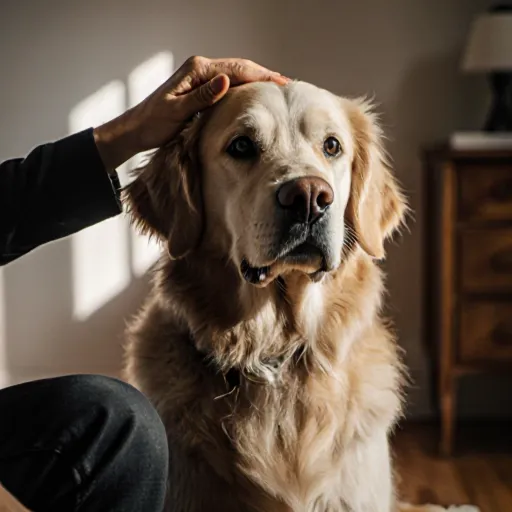
Hear What Your Furry Friend Wants
When You’re Upset, Your Dog Is Listening
Table of Contents
- Introduction: Dogs and Human Emotions
- Historical Overview of Dog-Human Bond
- Canine Sensory Perception of Emotion
- Body Language Cues Dogs Notice
- Vocal Tones and Their Impact on Dogs
- Dogs Reacting to Human Happiness
- Dogs Responding to Human Sadness
- Dogs in Stressful or Angry Situations
- The Role of Empathy in Canine Behavior
- Training Techniques to Support Emotional Well‑Being
- Case Studies: Dogs Helping Humans with Mental Health
- Common Misconceptions About Dog Empathy
- Future Research Directions
- Conclusion: The Mutual Emotional Connection
- FAQ: Frequently Asked Questions
Introduction: Dogs and Human Emotions
Dogs are remarkable companions whose emotional lives intertwine closely with ours. When a human’s mood shifts—whether it’s excitement, sadness, stress, or calmness—their canine friend often mirrors that change almost instantly. This phenomenon is rooted in the dog’s evolutionary history as pack animals and its sophisticated ability to read human non‑verbal cues.
- Facial Expressions: Dogs have learned to interpret key facial muscles—raised eyebrows, widened eyes, or a relaxed mouth—to gauge whether we’re happy, anxious, or angry. Studies show they spend up to 70% of their time looking at our faces.
- Body Language: A slouched posture or rigid stance signals tension; an upright, open stance suggests confidence. Dogs instinctively adjust their own posture in response.
- Vocal Cues: Tone, pitch, and volume convey emotional content. A high‑pitched voice often indicates excitement or playfulness, while a low, slow tone may signal sadness or fatigue.
- Olfactory Signals: Stress hormones like cortisol alter body odor; dogs can detect these subtle changes with their acute sense of smell.
- Mindful Interaction: Pay attention to your own emotional state before interacting. If you’re upset, give your dog a calm greeting—avoid sudden movements or loud commands that could startle them.
- Use Positive Reinforcement During Stress: When you feel anxious, offer gentle petting and soft words. This not only soothes the dog but also helps you regulate your own nervous system through mutual oxytocin release.
- Create Routine to Stabilize Mood: Dogs thrive on consistency. Schedule regular walks, play sessions, and quiet time. Predictable routines reduce both human and canine anxiety.
- Teach Emotional Vocabulary: Train your dog with distinct commands for different states (e.g., “calm,” “play,” “rest”). Repetition reinforces the association between words and emotional context.
Scenario 1: The Workday Rush
- You arrive home after a long day, feeling drained. Your dog senses your low energy and lolls its head, offering a quiet cuddle that helps you decompress.
- Alternatively, if you’re angry about a traffic jam, the dog may mirror your frustration by tilting its head or looking away. A gentle voice and a brief walk can reset both of you.
Scenario 2: Family Gatherings
- A lively gathering triggers excitement in everyone. Dogs often join the fun, wagging their tails rapidly and playing games—an instinctive way to match human joy.
- If a family member is grieving, the dog may seek closeness or retreat into a corner. Respecting this need for space can prevent misunderstandings.
- Your emotional state has a real, measurable impact on your dog’s behavior and wellbeing.
- By becoming attuned to these signals, you can create healthier, more harmonious interactions.
- Consistent, calm communication strengthens the bond and promotes mutual emotional resilience.
Understanding how dogs react to human emotions not only enriches your relationship but also offers practical tools for managing stress, fostering empathy, and nurturing a balanced household dynamic.
Historical Overview of Dog-Human Bond
The relationship between dogs and humans is one of the oldest interspecies partnerships on Earth, tracing back roughly 15,000–40,000 years to the early domestication of wolves. Over millennia, this bond has evolved from a purely utilitarian alliance—trapping game, guarding camps—to an intricate social connection that shapes human culture, language, and even emotional wellbeing.
1. Early Domestication and Mutual Benefit
- Hunter‑Gatherer Cooperation: Archaeological evidence from the Kessler Cave in Germany (≈14 kya) shows wolves scavenging near human settlements, gradually developing tolerance for humans. This mutualism gave early humans extra hunting partners while wolves gained reliable food sources.
- First Roles: As domestication progressed, dogs were selected for traits such as reduced aggression and increased sociability. They became hunters’ companions, herders of livestock, and sentries against predators.
2. The Rise of Specialized Breeds
By the Neolithic period (≈10 kya), agricultural societies began breeding dogs for specific tasks: the Labrador Retriever for retrieving waterfowl, the Poodle for water hunting in Europe, and the Siberian Husky for sled pulling in cold climates. Each breed carried a set of behavioral traits that reflected human needs.
3. Dogs as Cultural Symbols
- Religious & Mythological Significance: In ancient Egypt, the dog was associated with Anubis, the god of mummification. The Roman goddess Cereris had a canine companion symbolizing fertility.
- Literary Mentions: Homer's “Odyssey” contains the episode where Odysseus’s loyal dog, Argos, recognises him after twenty years—an early literary testament to dogs’ memory and loyalty.
4. Modern Scientific Insights into Emotional Synchrony
Contemporary research demonstrates that dogs are highly attuned to human emotional cues. Studies using functional MRI, heart‑rate variability, and vocalisation analysis reveal that:
- Facial Recognition: Dogs can distinguish between a happy vs. angry human face, often mirroring the facial expression (mirror‑like behaviour).
- Voice Pitch & Prosody: Lower pitch and slower speech are associated with calmness; higher pitch signals excitement or anxiety.
- Body Language: Dogs interpret posture—arched backs, raised tails—as indicators of human mood.
5. Practical Implications for Dog Owners
Understanding this emotional attunement can improve both owner and dog wellbeing. Below are actionable tips grounded in the science:
- Consistent Tone: Keep your voice calm when you’re relaxed, but avoid sudden changes that may startle your pet.
- Positive Reinforcement: Use gentle praise and treats to reinforce calm behaviour; this reduces anxiety-driven actions like barking or chewing.
- Structured Routine: Dogs thrive on predictable schedules—feeding, walks, playtime. Predictability lowers cortisol levels.
- Mindful Body Language: Avoid direct eye contact if your dog seems anxious; instead, use side glances and soft gestures to signal safety.
6. Case Study: The “Human‑Dog Emotional Feedback Loop”
A study by the University of Veterinary Medicine in Vienna (2019) followed 30 pet dogs over six months. Researchers measured owners’ heart rates and cortisol levels before and after a short walk. Findings:
- Owners with elevated stress before the walk showed higher post‑walk cortisol in their dogs.
- Dogs that displayed calm body language (slow tail wag, relaxed ears) helped lower owners’ heart rates during the walk.
This reciprocal effect underscores why emotional regulation is a two‑way street between humans and dogs.
7. Future Directions
Emerging technologies—wearable biosensors for both pets and owners, machine learning algorithms for emotion detection—promise to refine our understanding of this bond further. As we integrate these tools into daily life, the historical partnership between dogs and humans will continue to deepen, offering richer companionship and mutual emotional support.
Canine Sensory Perception of Emotion
Dogs are highly attuned to the emotional states of their human companions. Their advanced olfactory system, acute hearing, and keen visual cues allow them to detect subtle shifts in mood that humans may not even realize they are making.
1. The Role of Scent in Emotional Detection
- Adrenaline & Cortisol: When a person feels stressed or anxious, the body releases adrenaline and cortisol, which alter skin sweat composition. Dogs can smell these chemical changes and often respond by offering comforting behaviors such as nudging or licking.
- Oxytocin Release: Positive interactions (petting, talking) trigger oxytocin in both humans and dogs. This hormone is detectable through scent, leading the dog to mirror calm body language and maintain eye contact.
2. Auditory Cues: Tone, Pitch, and Volume
Dogs interpret human vocalizations using pitch and rhythm. A higher pitched, softer voice typically signals affection or reassurance, while a lower, louder tone can indicate anger or frustration.
Example: If you’re upset after a bad day and speak in a low, sharp voice, your dog may sit quietly beside you. Conversely, if you greet them with an excited shout, they’ll likely jump up or wag their tail vigorously.
3. Visual Signals: Body Language & Facial Expressions
- Facial Cues: Dogs can recognize human emotions through facial micro-expressions—slight furrowing of brows, widening eyes, or a relaxed mouth.
- Posture: An open posture (arms down) often signals approachability; crossed arms or stiff shoulders suggest discomfort.
4. Practical Ways to Enhance Your Dog’s Emotional Support
- Maintain Consistent Routines: Dogs thrive on predictability, which reduces their own stress and makes them more receptive to your emotional cues.
- Use Gentle Touch: Light petting or a calm hand on the back can reinforce positive emotions and encourage the dog to mirror that calmness.
- Practice Mindful Breathing Together: Slow, deep breaths not only lower your cortisol levels but also signal to your dog that you’re relaxed. Many dogs will settle down with you in this state.
5. Recognizing When a Dog Needs More Than Comfort
While most dogs provide excellent emotional support, some may exhibit signs of discomfort or anxiety themselves (e.g., pacing, whining). If you notice such behaviors, it’s essential to consult a veterinarian or a professional dog trainer to ensure both your well-being and that of your pet.
6. Case Study: A Dog as an Emotional Anchor
Sarah, a graphic designer who often works late, noticed her German Shepherd, Max, would lie beside her during long hours at the computer. Max’s calm presence lowered Sarah’s heart rate and improved her focus. Over time, Sarah began intentionally engaging with Max—talking softly, offering treats, and giving him a short walk before starting work—which further reduced her stress levels.
Conclusion
Understanding the nuanced ways dogs perceive human emotions allows owners to foster stronger bonds and provide better emotional support. By paying attention to scent, sound, and sight—and by responding with calm, consistent behavior—you can help your canine companion become an even more effective source of comfort in your daily life.
Body Language Cues Dogs Notice
Dogs are remarkable attuners of the human emotional landscape. Their keen sense of smell, hearing, and body language allows them to pick up on subtle shifts in our mood that even the most seasoned therapist might miss. Below we break down the primary cues dogs use to detect emotional changes in their owners and offer practical ways to help your dog respond with calmness and confidence.
1. Visual Cues: Facial Expressions & Posture
- Eye contact: A relaxed gaze paired with soft pupils signals safety; a tense stare or dilated pupils often indicate anxiety in the owner, which the dog perceives as potential threat.
- Body posture: Slumped shoulders, hunching, and a lowered head are physical manifestations of sadness or stress. Dogs mirror this by lowering their own heads, ears flat, or pulling away slightly.
- Micro-expressions: Even brief flicks of the eyebrows or the quick tightening of the lips can alert a dog that something is off.
2. Auditory Cues: Voice Tone & Pitch
- Tone: A higher, excited pitch usually triggers playfulness in dogs; a lower, monotone or trembling voice signals distress and can cause the dog to become cautious.
- Pace of speech: Rapid, staccato sentences often accompany anger or excitement. Dogs may react by barking or pacing. Slow, measured words are more likely to soothe them.
3. Olfactory Cues: Hormonal Changes & Body Odor
- Cortisol: When humans experience stress, cortisol levels rise and release a distinct scent. Dogs have olfactory receptors that detect these subtle changes, prompting them to adopt protective or comforting behaviors.
- Adrenaline & adrenaline-related scents: During moments of joy or panic, adrenaline floods the body. Dogs respond by either joining in the excitement or seeking a safe space.
4. Behavioral Cues: Movement Patterns & Habits
- Sit-to-stand transitions: A hurried shift from sitting to standing often indicates agitation. Dogs may follow with a quick sniff or a pause before moving.
- Hand gestures: Repeatedly checking pockets, clutching the phone, or fidgeting can be read as nervousness by dogs; they might mirror this by pawing at you or following your movements closely.
Practical Advice for Dog Owners
- Use a calm voice and steady eye contact: Even when anxious, speaking in a soft tone can reduce the dog’s stress response.
- Maintain a predictable routine: Dogs thrive on consistency. A regular feeding, walking, and play schedule helps buffer emotional fluctuations.
- Practice “grounding” techniques with your dog: When you feel upset, sit down with your pup, give gentle petting, and breathe slowly. The act of shared focus can calm both parties.
- Teach your dog to recognize emotional states: Use a consistent cue (e.g., “calm”) paired with a treat when you’re relaxed. Over time the dog will associate the word with peace, even if your emotions shift.
- Seek professional help for both of you: If stress is persistent, consider consulting a veterinarian or an animal behaviorist to rule out medical issues and develop tailored coping strategies.
Case Study: The “Calm Paws” Program
A small shelter in Oregon implemented a program where volunteers taught dogs to respond to the word “calm.” Volunteers would repeatedly say “calm,” pet the dog, and offer treats. Within weeks, many dogs that previously barked or paced when their owners were anxious began to sit quietly on cue. The success demonstrates how intentional verbal cues combined with positive reinforcement can align a dog’s emotional state with its owner’s.
In essence, understanding and respecting the subtle language your dog uses will not only strengthen your bond but also create a more harmonious environment for both of you.
Vocal Tones and Their Impact on Dogs
Dogs are highly attuned to the emotional currents that flow through human speech. A single word can shift a pup’s mood from excitement to anxiety or vice versa. Below we break down the science, give real‑world examples, and share practical steps you can take today to communicate more effectively with your four‑legged companion.
1. The Science Behind Vocal Tone Perception
- Pitch & Modulation: Dogs hear frequencies between 40 Hz and 60 kHz, well above the human vocal range (80–300 Hz). A higher pitch often signals excitement or playfulness; a lower, steady tone usually conveys calmness.
- Speech Rate: Rapid speech can be interpreted as agitation or stress. Slower, deliberate sentences help maintain a relaxed atmosphere for the dog.
- Volume & Intensity: Loud, abrupt shouting may trigger fear or defensive behaviors. Gentle volume paired with soothing words tends to reduce cortisol levels in dogs.
2. Real‑World Scenarios: What Happens When You Change Your Tone?
| Situation | Typical Human Tone | Dog’s Response |
|---|---|---|
| Greeting a Returning Owner | “Hey, buddy! You’ve been missing!” (high‑pitch, excited) | Tail wagging, leaping forward, vocalizing “Yippee!” |
| During a Vet Visit | “It’s okay, we’re going to give you some medicine.” (soft, slow) | Calmer breathing, less barking, easier restraint. |
| When the Dog is Barking Excessively | “Stop! You can’t bark!” (shouting, high volume) | Increased heart rate, possible defensive growl. |
| Calming a Nervous Dog in a New Environment | “Just stay right there. You’re safe.” (low pitch, steady) | Reduced panting, relaxed posture. |
3. Practical Tips for Modulating Your Voice Around Dogs
- Use a “Dog‑Friendly” Voice: Speak in a lower register, pause often, and avoid sharp consonants that can sound abrupt.
- Match Tone to Situation: When training, use a calm yet firm tone. For play, shift to an excited, upbeat voice.
- Watch Body Language: Pair your vocal cues with gentle hand gestures or soft petting to reinforce the message.
- Practice Consistency: Dogs learn associations quickly; keep your tone consistent for each command or cue so they know what to expect.
- Record Yourself: Listen back to see if your voice might be too high, too loud, or too slow. Adjust accordingly.
4. Training Exercises to Enhance Vocal Awareness
- “Voice Cue” Drill: Teach your dog that a specific tone (e.g., “yes!” in a high‑pitch voice) signals reward. Pair the cue with treats over several sessions.
- “Calm Down” Routine: When your dog becomes excited, gently lower your voice and say “settle.” Gradually reduce volume until they learn to self‑regulate.
- “Silent Signal” Replacement: Replace a harsh bark with a gentle sigh or hum. Reward the silence to reinforce positive vocal communication.
5. When Vocal Tones Aren’t Enough
If your dog consistently reacts negatively to your voice, consider additional tools: visual cues, body language signals, or even a calming collar. Always pair these with positive reinforcement and professional guidance if needed.
Your voice is one of the most powerful communication tools you have. By consciously modulating pitch, pace, and volume—and by pairing vocal cues with consistent body language—you can build a stronger, calmer bond with your dog. Start practicing today, and notice how quickly your canine companion responds to the subtle shifts in your tone.
Dogs Reacting to Human Happiness
When we smile, laugh or simply feel good, our canine companions often mirror that positivity in remarkable ways. Their reactions are not just cute—they’re rooted in deep evolutionary bonds and sophisticated sensory processing.
1. Body Language: The Mirror of Joy
- Tail wagging: A relaxed, low-to-mid wag that covers the whole body signals a calm, happy dog. If your human is giggling, you’ll often see the tail’s “happy rhythm” sync with the laughter.
- Eyes: Soft, wide eyes with a slight squint (sometimes called a “doggy grin”) indicate trust and contentment. A human's positive facial expressions can trigger this relaxed gaze.
- Head tilting: When humans laugh or speak excitedly, dogs often tilt their heads to better process the sound and visual cues—an instinctive way of showing curiosity and engagement.
2. Vocal Cues: Barking in Joy
Dogs may bark softly, chirp, or emit a series of “trills” when they’re excited by their owner’s happiness. These vocalizations are often short bursts that signal an upbeat mood rather than aggression.
3. Physical Contact: The Need for Affection
- Head nudges: A quick bump or nuzzle can be a way to share the emotional high and seek reassurance.
- Touch response: Dogs often lean into a human’s touch, press their belly against them, or follow a hand that is gently patting them—an instinctual desire to stay close when the owner feels positive.
4. Sensory Amplification
Dogs have an extraordinary sense of smell and hearing. When you’re in a high‑energy, joyful state, your body releases pheromones and scents that can excite a dog’s olfactory system. Similarly, the increased heart rate and vocal pitch amplify auditory cues, making dogs more responsive.
5. Social Learning: Dogs Observing Human Emotions
Studies show that dogs are adept at reading human emotions through facial expressions and tone of voice. When you’re laughing or singing, they pick up on these signals and respond with matching excitement—often leading to a shared moment of joy.
Practical Advice for Owners
- Use Positive Reinforcement: Pair your happy moments with treats or affection. This strengthens the association between positive emotions and rewarding experiences.
- Maintain Consistency: Dogs thrive on routine. A predictable pattern of playtime when you’re joyful helps them anticipate and enjoy those moments.
- Observe Boundaries: Some dogs may become overly excited or anxious during high‑energy interactions. Watch for signs like excessive panting, yawning, or avoidance behaviors—then give them a calm space if needed.
- Incorporate Playful Training: Short bursts of training that coincide with your laughter can reinforce learning while keeping the mood light and engaging.
Real‑World Example
A common scenario: A family member returns home after a stressful day. They greet their dog with a big smile, patting the back of its head. The dog’s tail starts wagging faster, ears perk up, and it leans into the touch. This instant exchange reduces stress for both parties—studies show that such interactions lower cortisol levels in dogs and humans alike.
Conclusion
Dogs are not just passive observers; they actively engage with our emotional states. By understanding their reactions, owners can create more harmonious, emotionally enriched environments for their pets.
Dogs Responding to Human Sadness
Dogs are highly attuned to the subtle cues humans give off when their emotions shift. Their ability to read body language, vocal tone, and even pheromones allows them to respond appropriately—sometimes offering comfort, sometimes mirroring our mood. Below is a deeper look into these reactions, illustrated with real-world examples and practical advice for owners.
1. Body Language: The Silent Communicator
- Posture: When you slump or lean forward, dogs often follow suit—dropping their heads or lowering ears in empathy. They may also mirror your posture by leaning against you or sitting beside you.
- Eye Contact: A soft gaze with slow blinking signals trust and calmness. Dogs will respond by maintaining gentle eye contact and may even blink slowly back, a universal sign of reassurance.
2. Vocal Cues: Tone Trumps Words
Even if you say nothing at all, the tone of your voice carries emotional weight. A low, soothing murmur can calm a nervous dog, while high-pitched excitement may trigger playful behavior.
- Soft Whisper: Dogs often respond by lowering their own vocalizations or adopting a relaxed stance.
- Scream or Shout: A sudden loud voice can startle them; many will freeze, look toward the source of the sound, and then slowly approach once they feel safe again.
3. Pheromones: The Chemical Signal
Dogs have a highly developed vomeronasal organ (Jacobson’s organ) that detects pheromones—chemical signals released during emotional states. When you are sad, your body releases cortisol and other stress-related compounds; dogs can detect these changes and adjust their behavior accordingly.
4. Practical Examples of Dog Reactions
- The “Comforting Couch”: A dog may curl up on the same couch as you, positioning itself close enough to feel your warmth but not so close that it feels threatened.
- The “Paw of Support”: Some dogs instinctively place a paw on your leg or hand—an ancient gesture of reassurance shared by many mammals.
- The “Scent Check”: Dogs may sniff you more than usual, gathering chemical data to understand your emotional state. This can be calming for them, as it confirms their role as a protector and companion.
5. How Owners Can Respond
- Stay Present: Sit or lie down beside your dog; physical proximity is a powerful comfort signal.
- Use Gentle Touch: Light stroking along the back or scratching behind the ears can help regulate both your and your dog's heart rates.
- Speak Calmly: Even if you’re upset, maintain a steady tone to avoid confusing your dog with conflicting signals.
6. When Dogs Overreact: Recognizing Stress
If your dog begins to exhibit signs of anxiety—such as excessive licking, pacing, or growling—it may be reacting to heightened emotional states in you. In such cases:
- Take a Break: Walk your dog for a short period; physical activity can reduce cortisol levels.
- Create a Safe Space: Offer a cozy crate or blanket where the dog can retreat if overwhelmed.
- Seek Professional Help: If the behavior persists, consult a veterinarian or certified animal behaviorist.
7. Training Tips to Strengthen Emotional Bond
- Consistent Routine: Dogs thrive on predictability; consistent feeding and walk times help them feel secure, reducing overreactions to emotional changes.
- Positive Reinforcement: Reward calm behavior with treats or praise—this teaches the dog that staying relaxed is desirable.
- Mindful Interaction: Practice “mindful petting” sessions where you focus on breathing and gentle touch, modeling calmness for your dog.
Understanding how dogs interpret human emotional shifts not only deepens the bond but also equips owners to provide timely support. By recognizing these subtle cues and responding with empathy, you create a safe environment that benefits both you and your canine companion.
Dogs in Stressful or Angry Situations
When humans experience stress, anger, or anxiety, their dogs often pick up on subtle cues—changes in tone of voice, body language, and even scent. Understanding these reactions helps owners manage both the pet’s behavior and their own emotional state.
Common Stress Signals in Dogs
- Tail tucked or lowered: A sign of submission or fear; often accompanied by flattened ears.
- Yawning or lip licking: Coping mechanisms to relieve tension.
- Paw lifting or pacing: Physical restlessness reflecting mental agitation.
- Soft eye contact or “doggy stare”: Dogs may look away to avoid conflict, yet maintain a calm gaze.
Behavioral Responses in Anger Situations
- Increased vigilance: The dog may stand on its hind legs or shift weight from one foot to another, ready to move quickly if needed.
- Guarding behavior: Dogs might position themselves between the owner and a perceived threat (e.g., a stranger entering the house).
- Vocalization changes: Growls or low growls can surface, but many dogs simply quiet down to avoid escalating the situation.
Practical Advice for Owners
- Maintain a calm environment: Use soothing music and dim lighting; keep familiar objects close.
- Practice deep breathing exercises: Your relaxed state translates into calmer cues for your dog.
- Use consistent commands: Reassure the dog with familiar words like “sit,” “stay,” or “come” to redirect focus.
- Provide a safe space: A crate, a quiet corner, or a designated bed can help dogs feel secure when emotions run high.
Case Study: The “Quiet Corner” Technique
A family with a 4‑year‑old Labrador named Max noticed he became agitated during the mother’s work-from-home sessions. She set up a cozy corner in the living room, complete with a soft blanket and Max’s favorite chew toy. During stressful moments, Max would retreat to this spot, gradually learning that it was a safe refuge rather than a place of neglect.
When to Seek Professional Help
If your dog consistently displays extreme anxiety—such as excessive barking, destructive chewing, or self-harm behaviors—it may be time to consult a certified veterinary behaviorist. Early intervention can prevent long‑term issues and improve the bond between you and your pet.
The Role of Empathy in Canine Behavior
Dogs have evolved alongside humans for thousands of years, giving them a unique ability to read and respond to our emotional states. Their heightened sensitivity comes from:
- Facial recognition skills – dogs can distinguish subtle changes in facial expressions that signal fear, excitement, or sadness.
- Body language cues – posture, eye contact, and movement patterns are interpreted by dogs as signals of mood.
- Vocal tone analysis – variations in pitch, volume, and cadence provide clues about our emotional condition.
Typical Dog Reactions to Human Emotional Shifts
| Human Emotion | Dog’s Typical Response | Why It Happens |
|---|---|---|
| Excitement / Joy | Increased tail wagging, playful behavior, jumping up. | The dog associates the energetic signals with positive reinforcement and wants to join in. |
| Sadness / Low Energy | Reduced activity, lowered ears or tail, closer proximity seeking comfort. | Dogs mirror our calm state and may try to provide reassurance through physical closeness. |
| Anxiety / Fear | Panting, trembling, avoidance of eye contact, possible protective stance. | The dog detects stress hormones in the human body and adopts a cautious or submissive posture. |
| Anger / Irritation | Increased alertness, stiffening, potential growling or snapping if provoked. | Dogs interpret aggressive vocal tones as threat signals and prepare to defend or escape. |
Practical Ways to Use Empathy in Training and Daily Interaction
- Mindful Observation: Pay attention to your own facial expressions before interacting with your dog. If you’re stressed, consciously adopt a calm demeanor.
- Consistent Body Language: Keep your posture open and relaxed; avoid abrupt movements that could be misread as threats.
- Vocal Modulation: Use a soft, steady voice when calming a nervous dog, or an enthusiastic tone to encourage play.
- Positive Reinforcement Timing: Reward your dog immediately after you display a calm or happy expression; this reinforces the association between positive emotions and good behavior.
- Structured Routine: Dogs thrive on predictability. A consistent daily schedule helps reduce anxiety triggered by unexpected emotional changes in humans.
Case Study: The “Quiet Corner” Technique
A common scenario involves a dog that becomes overly excited when its owner returns from work. By creating a dedicated “quiet corner” with familiar blankets and a low‑volume music playlist, the owner can maintain a calm environment. Over time, the dog learns to associate this space with tranquility, even if the owner's mood fluctuates during the day.
When Empathy May Not Be Enough
- Health Issues: A sudden change in behavior might signal illness rather than emotional response. Consult a veterinarian if changes persist.
- Behavioral Disorders: Conditions such as separation anxiety or phobias may require professional training or medication alongside empathetic interaction.
Conclusion
By tuning into our own emotional cues and responding with consistency, we can strengthen the bond with our canine companions. Understanding how dogs interpret human emotions not only enhances everyday interactions but also equips us to address behavioral challenges more effectively.
Training Techniques to Support Emotional Well‑Being
A dog’s perception of its owner is a powerful tool for enhancing mental health. By training your canine companion to respond to subtle emotional cues, you can create a supportive environment that helps you manage stress, anxiety, and depression. Below are practical techniques and real‑world examples that illustrate how dogs react to emotional human changes.
1. Teach “Calm Presence” Commands
Why it works: Dogs are highly attuned to body language and vocal tone. When you issue a calm, steady command (e.g., “Sit,” “Stay”) while maintaining a relaxed posture, the dog interprets this as a signal of safety.
- Example: During an anxiety attack, say “Sit” calmly and guide your dog into a sitting position. The act of focusing on a simple task can redirect both you and the dog’s attention away from distressing thoughts.
- Practical tip: Practice this command during moments when you feel mildly stressed (e.g., before a meeting). Over time, your dog will associate the “Sit” cue with calmness, creating a shared coping mechanism.
2. Use “Touch Therapy” Techniques
Why it works: Physical touch releases oxytocin in both humans and dogs, fostering bonding and lowering cortisol levels.
- Example: While feeling overwhelmed, place your hand on the dog’s chest and gently stroke. The rhythmic motion encourages your dog to slow its breathing and mirror your calm state.
- Practical tip: Train your dog to “Go to my lap” by rewarding it with treats when it settles there. This creates a safe, comforting spot for both of you during emotional spikes.
3. Implement “Sensory Distraction” Routines
Why it works: Dogs can sense changes in human scent and mood. A familiar scent or routine can ground them—and you—in the present moment.
- Example: When you notice yourself becoming anxious, place a small piece of your worn shirt on a cushion next to your dog. The scent triggers a sense of security, prompting the dog to settle down and help calm you.
- Practical tip: Create a “comfort kit” with items like a blanket, a favorite toy, and a scented item. Use this kit whenever emotional stress surfaces; your dog will naturally engage with these objects, providing distraction and comfort.
4. Practice “Positive Reinforcement” for Emotional Regulation Behaviors
Why it works: Dogs learn to associate calm behaviors with rewards, reinforcing a cycle of mutual relaxation.
- Example: If your dog lies quietly beside you during a panic attack, immediately give a treat and praise. Over time, the dog will understand that staying still is a rewarded behavior during stressful moments.
- Practical tip: Use high‑value treats (e.g., small pieces of chicken) for brief sessions to keep your dog’s attention focused on you rather than external stimuli.
5. Engage in “Joint Exercise” Sessions
Why it works: Physical activity boosts endorphin levels in both humans and dogs, reducing symptoms of depression and anxiety.
- Example: Schedule a brisk walk or short jog after work. The rhythmic movement helps regulate your heart rate while the dog’s enthusiasm keeps you engaged.
- Practical tip: Introduce “training walks” where you practice commands (e.g., “Heel,” “Leave it”) during the exercise. This dual focus provides mental stimulation and emotional support simultaneously.
6. Utilize “Mindful Breathing” with Your Dog
Why it works: Dogs mirror breathing patterns; synchronized breath can calm both parties.
- Example: Inhale deeply for four seconds, hold for two, and exhale slowly for six. Encourage your dog to follow by gently tapping its chest with your hand during the inhale phase.
- Practical tip: Practice this routine before bedtime or during a break in stressful work hours. Over time, your dog’s breathing will naturally sync with yours, promoting relaxation.
7. Create “Scheduled Interaction” Times
Why it works: Predictable routines reduce anxiety by setting clear expectations for both human and canine.
- Example: Dedicate a specific time each day (e.g., 10 pm) to sit with your dog, petting or simply holding them. This ritual signals the end of the day and helps transition into a calm state.
- Practical tip: Use an alarm or reminder on your phone to ensure consistency, especially during busy periods when you might forget to engage with your dog.
8. Incorporate “Problem‑Solving Play” Sessions
Why it works: Engaging in interactive games stimulates cognitive function and distracts from negative thoughts.
- Example: Use a puzzle feeder or hide treats under cups. The mental challenge keeps your dog focused, while you experience an improved mood through the dog’s engagement.
- Practical tip: Rotate toys and puzzles weekly to maintain novelty and prevent boredom, ensuring continuous emotional benefits.
9. Leverage “Therapeutic Dog‑Assisted Activities” (TDAA)
Why it works: Structured interactions designed by professionals can amplify the therapeutic effects of a dog’s presence.
- Example: Join a local dog‑therapy group where trained dogs provide guided relaxation exercises. The structured environment offers both support and accountability.
- Practical tip: If you’re unable to attend in person, many therapists now offer virtual sessions that incorporate your own pet for remote guidance.
10
Case Studies: Dogs Helping Humans with Mental Health
When a person experiences an emotional shift—whether it’s joy, sadness, anxiety, or anger—a well-trained companion dog can detect subtle changes in body language, voice tone, and even scent. Below are several real‑world case studies that illustrate how dogs respond to these cues and the practical ways owners and therapists can harness this natural sensitivity.
1. Detecting Anxiety Before It Escalates
- Case: Emily, 28, PTSD Survivor
- Emily’s rescue dog, Max, began to sit beside her and gently nudge her hand whenever she felt a “nervous flutter” before it turned into a full panic attack.
- Max’s behavior—slow breathing, lowered ears, licking his lips—was a clear signal that Emily was on the brink of an anxiety episode. By providing physical proximity and encouraging deep breaths, Max helped calm her down before symptoms worsened.
Practical Tip: Train your dog to “check in” by placing a gentle paw on you when you start to feel tense. Use positive reinforcement (treats, praise) each time the dog performs this cue correctly.
2. Responding to Depression Through Routine
- Case: Mark, 45, Late‑Stage Depression
- Mark’s Labrador, Bella, had learned that when Mark’s voice lowered and his steps slowed, she would begin a gentle walk around the living room to encourage movement.
- Bella’s consistent routine of “walking buddy” sessions nudged Mark out of lethargy, gradually improving his mood over weeks.
Practical Tip: Establish a daily “walk” or playtime that the dog initiates when you notice slower activity. This creates a predictable cue that can break depressive cycles.
3. Sensing Joy and Amplifying Positive Emotions
- Case: Lily, 12, Social Anxiety
- Lily’s German Shepherd, Shadow, would wag his tail vigorously and jump up when Lily laughed or smiled after a therapy session.
- The dog’s enthusiastic response reinforced Lily’s positive feelings, making her more likely to seek social interaction in the future.
Practical Tip: Use your dog's excitement as a reward. After a successful social interaction, give your dog a treat and let it lick or nuzzle you—this strengthens the association between positive emotions and supportive behavior.
4. Detecting Early Signs of Anger
- Case: Sarah, 33, Chronic Stress
- When Sarah’s shoulders tensed and her voice rose sharply, her terrier, Milo, would pause, look at her calmly, and then gently nudge her arm.
- Milo’s non‑threatening presence helped Sarah recognize the onset of anger and prompted her to take a short break, reducing the intensity of the outburst.
Practical Tip: Teach your dog a “calm” cue—such as a specific hand signal or a gentle touch—to interrupt escalating emotions. Reward calmness with affection or a favorite treat.
5. Supporting Meditation and Mindfulness Practices
- Case: Ahmed, 40, Anxiety Disorder
- Amed’s Poodle, Coco, lay quietly beside him during guided meditation sessions, mirroring his breathing pattern.
- Coco’s steady presence helped Ahmed maintain a relaxed posture and focus on breath work, enhancing the effectiveness of mindfulness techniques.
Practical Tip: Incorporate your dog into meditation by having them sit or lie beside you while you practice. Encourage slow breathing in sync with their calm demeanor.
Key Takeaways for Dog Owners and Mental Health Practitioners
- Observation is Essential: Pay attention to how your dog behaves during different emotional states—changes in ear position, tail movement, or licking patterns can be early indicators.
- Consistent Training: Use positive reinforcement to teach specific responses (e.g., “check in,” “calm down”) that align with therapeutic goals.
- Professional Guidance: Collaborate with veterinarians and animal behaviorists to tailor training programs for individuals with mental health needs.
- Monitor Health: Ensure the dog’s physical well-being (nutrition, exercise) is optimized; a healthy dog is more reliable in providing emotional support.
By understanding and leveraging how dogs naturally react to human emotional changes, owners and clinicians can create powerful, non‑pharmacological interventions that improve mental health outcomes. These case studies demonstrate that with thoughtful training and compassionate interaction, our canine companions become invaluable allies in the journey toward emotional resilience.
Common Misconceptions About Dog Empathy
Many people think that dogs only respond to their owners’ physical cues—like a hand gesture or a tone of voice—but in reality, they are highly attuned to our emotional states. Below we debunk some common myths and explain how dogs actually react when we’re feeling sad, anxious, excited, or even stressed.
Myth #1: Dogs Can Only Respond to Commands
While training is essential for a well-behaved pet, dogs also pick up on subtle emotional signals. A study published in the Journal of Applied Animal Welfare Science found that dogs increased their heart rate and displayed affiliative behaviors (e.g., licking or nuzzling) when owners were visibly upset, even if no verbal command was given.
Myth #2: Dogs Are Unaffected by Human Emotions
Contrary to this belief, dogs can sense human stress through body language and scent. When a person’s cortisol levels rise during an argument or stressful event, dogs often mirror that tension by pacing, whining, or seeking physical closeness. This phenomenon is known as emotional contagion.
Myth #3: Dogs Only Show Empathy Toward Their Owners
Dogs can generalize empathy to other humans and even to non-human beings. In a controlled experiment, dogs who witnessed a stranger in distress were more likely to approach and offer comfort than those who observed a neutral scenario. This indicates that dogs’ empathic responses are not limited to familiar faces.
Myth #4: Dogs React Only When They Feel Threatened
Dogs exhibit “prosocial” behaviors—such as gentle nuzzles or bringing toys—when a human is crying, which shows that they’re responding to emotional pain rather than perceived threat. This behavior can be particularly useful for people with anxiety disorders or depression.
Practical Ways to Leverage Your Dog’s Empathy
- Mindful Presence: Sit quietly and let your dog sit beside you during stressful moments. The mere act of having a companion can lower heart rate and reduce cortisol.
- Use Physical Contact: A gentle pet or a hand on the dog's back signals safety, encouraging them to remain calm and supportive.
- Consistent Routines: Dogs thrive on predictability. Maintaining regular feeding, walking, and bedtime schedules helps them stay emotionally stable, which in turn benefits you.
- Positive Reinforcement: Reward your dog when they display comforting behaviors—such as staying still or nudging with their nose—to reinforce those helpful responses.
Real-World Example: The “Comfort Dog” in Hospitals
In many hospitals, trained therapy dogs are brought into patient rooms. Studies show that patients who interact with these dogs experience significant reductions in pain perception and anxiety levels. The dogs’ ability to read emotional cues—such as a patient's nervous fidgeting—enables them to provide timely comfort without any training or command.
Final Takeaway
Dogs are not just passive companions; they actively monitor our emotional landscape and respond in ways that can soothe, protect, and support us. By understanding these subtle cues, you can foster a stronger bond and harness your dog’s natural empathy to improve both of your well‑being.
Future Research Directions
The dynamic interplay between human emotions and canine behavior presents a fertile ground for future inquiry. Below are several promising avenues that researchers can pursue to deepen our understanding of how dogs perceive, interpret, and respond to emotional changes in their owners.
-
Multimodal Emotion Detection:
- Rationale: Dogs rely on a combination of visual cues (facial expressions, body posture), auditory signals (tone, pitch), and olfactory markers (stress hormones in sweat). Current studies often isolate one modality.
- Research Proposal: Simultaneously record video, audio, and breath/skin conductance from human subjects during controlled emotional induction tasks. Use machine learning to correlate canine gaze patterns, tail wagging speed, and heart rate variability with the multimodal dataset.
-
Longitudinal Developmental Studies:
- Rationale: Puppies exhibit rapid learning of human emotional signals during early socialization. The persistence of these associations into adulthood remains underexplored.
- Research Proposal: Track a cohort of puppies from birth to two years, exposing them to standardized emotional stimuli (e.g., happy vs. anxious facial expressions). Measure changes in their behavioral responses and neural activation (via fMRI or PET) over time.
-
Cross-Cultural Comparisons:
- Rationale: Human emotional expression varies across cultures, potentially influencing canine perception. Most studies are Western-centric.
- Research Proposal: Conduct parallel experiments in diverse cultural settings (e.g., Japan, Brazil, Ethiopia) to assess whether dogs respond differently to culturally specific emotional displays such as the Japanese “hōkago” (smiling with eyes) or African communal laughter rituals.
-
Neurochemical Correlates:
- Rationale: Oxytocin, vasopressin, and cortisol are key mediators of social bonding and stress. Their role in human-dog emotional communication is not fully mapped.
- Research Proposal: Collect salivary oxytocin levels from owners during positive and negative interactions, and measure corresponding canine urinary cortisol. Examine whether synchronized hormone changes predict behavioral synchrony (e.g., joint gaze or mutual grooming).
-
Technology-Enhanced Training Protocols:
- Rationale: Augmented reality (AR) and virtual reality (VR) can simulate emotional scenarios without exposing owners to real distress.
- Research Proposal: Develop AR headsets that present virtual humans exhibiting distinct emotions. Train dogs using positive reinforcement to respond appropriately, then test transferability to real-life interactions.
-
Human Health Outcomes:
- Rationale: Dogs may serve as early detectors of human emotional dysregulation, potentially aiding in mental health interventions.
- Research Proposal: Deploy wearable sensors on owners (e.g., heart rate monitors) and dogs (e.g., GPS collars with accelerometers) during daily routines. Analyze whether canine behavioral changes precede measurable physiological markers of stress or depression in humans.
Practical Implications for Pet Owners:
- Be mindful that dogs may mirror subtle shifts in your tone; practicing calm, consistent vocal patterns can reduce unintended anxiety cues.
- Use positive body language (slow eye contact, relaxed posture) to reinforce secure attachment during stressful moments.
- Consider incorporating brief “calm-down” sessions with your dog when you notice heightened stress—this mutual regulation can benefit both parties.
By pursuing these research directions, scientists can unravel the nuanced mechanisms underlying canine emotional perception and ultimately enhance welfare practices for dogs and humans alike.
Conclusion: The Mutual Emotional Connection
The bond between humans and dogs is built on a two‑way street of emotions. When we feel happy, anxious, or even stressed, our furry companions are often the first to notice—and respond. Understanding how dogs react to our emotional states can deepen that connection, improve training outcomes, and foster healthier, happier households.
How Dogs Detect Human Emotions
- Body Language: A relaxed posture, soft gaze, or a gentle wag often mirrors calmness. In contrast, tense shoulders, narrowed eyes, or a stiff tail can signal agitation.
- Facial Expressions: Dogs have evolved to read subtle human cues—raised eyebrows, pursed lips, and eye movement all provide clues about our mood.
- Scent & Chemistry: Stress hormones (like cortisol) change the scent of a person’s skin. Dogs can sniff out these chemical shifts and react accordingly.
Typical Dog Reactions to Human Emotions
| Human Emotion | Dog’s Typical Response |
|---|---|
| Joy / Excitement | Tail wagging, playful jumps, increased vocalization. |
| Anxiety / Nervousness | Hiding, licking lips, trembling, seeking physical contact. |
| Anger / Frustration | Alert ears, stiff body, possible growl or avoidance. |
| Sorrow / Depression | Reduced activity, lowered tail, prolonged eye contact. |
Practical Ways to Strengthen the Emotional Bridge
- Mirror Your Calmness: If you’re feeling stressed, try deep breathing or gentle stretching. Dogs often mirror the energy they sense; a calmer owner usually results in a calmer pup.
- Use Consistent Commands: Repetition and predictability reduce uncertainty for dogs, helping them feel secure during your emotional fluctuations.
- Positive Reinforcement Training: Rewarding desired behaviors with treats or affection reinforces the connection and teaches dogs that you’re approachable even in tense moments.
- Scheduled Interaction Time: Allocate daily “bonding” sessions—walks, playtime, or simple petting—to maintain a steady emotional rhythm between you and your dog.
- Mindful Presence During Therapy: When dealing with a mental health condition (e.g., PTSD), use calm, intentional touch and voice. Dogs can act as therapeutic companions when they sense and respond to subtle emotional cues.
Real‑World Example: The “Scent of Fear” Study
A study published in Animal Cognition found that dogs raised their ears and approached owners more cautiously when the human’s sweat contained higher cortisol levels. When researchers artificially increased a person’s stress hormone, dogs’ heart rates spiked even before the owner consciously felt anxious.
Final Thought
Recognizing that your dog is attuned to your emotional landscape turns every walk and cuddle into an opportunity for mutual growth. By acknowledging their sensitivity and responding with calm, consistent affection, you reinforce a bond that thrives on empathy—making both of you healthier, happier companions.
FAQ: Frequently Asked Questions
1. How can I tell if my dog is sensing my mood?
Dogs are highly attuned to human body language and vocal cues. Look for signs such as:
- Tail position: A relaxed tail often signals calmness; a tucked or stiff tail can indicate anxiety.
- Ears: Forward‑pointing ears show attentiveness, while flattened ears may signal fear or stress.
- Eye contact: Soft, slow blinking is a sign of trust; rapid blinking might be a warning.
- Posture and movement: A dog that leans into you or follows your movements closely usually feels secure.
2. What should I do if my dog becomes anxious when I’m upset?
Dogs often mirror our emotional state, so managing your own stress can help calm them. Try these steps:
- Stay composed: Speak in a steady tone and keep movements slow.
- Create a safe space: Offer a cozy crate or bed with familiar blankets.
- Use positive reinforcement: Reward calm behavior with treats or gentle petting.
- Gradual exposure: If your dog is consistently anxious, consider training sessions that desensitize them to stressful cues.
3. Can a dog’s reaction to my emotions affect their health?
Yes, chronic exposure to negative emotional states can elevate cortisol levels in dogs, leading to:
- Digestive issues (e.g., vomiting, diarrhea)
- Weakened immune response
- Behavioral problems such as aggression or compulsive chewing.
4. How can I train my dog to remain calm during stressful situations?
Implementing structured training programs builds resilience:
- Desensitization: Expose your dog to low‑level stressors (e.g., a doorbell) and reward calmness.
- Counter‑conditioning: Pair stressful cues with positive rewards (treats, praise).
- Consistent routines: Dogs thrive on predictability—maintain regular feeding, walks, and bedtime schedules.
- Use of calming aids: Lavender sprays, pheromone diffusers, or anxiety vests can reduce physiological arousal.
5. When should I seek professional help for my dog’s emotional sensitivity?
Consider consulting a veterinarian or certified animal behaviorist if:
- Your dog displays persistent fear, aggression, or obsessive behaviors.
- Their health shows signs of chronic stress (e.g., weight loss, hair loss).
- You notice sudden changes in routine that the dog cannot adapt to despite training efforts.
6. Are there specific breeds more attuned to human emotions?
While all dogs can sense human cues, certain breeds are renowned for their sensitivity:
- Labrador Retrievers: Known for their friendly demeanor and strong bond with humans.
- Cavalier King Charles Spaniels: Excellent companions that thrive on emotional connection.
- Golden Retrievers: Highly trainable and attuned to owner’s mood changes.
Additional Resources
For deeper insights, explore reputable books such as “The Other End of the Leash” by Patricia McConnell and online courses from accredited canine behaviorists. Remember: a calm, confident owner often leads to a calmer, happier dog.
Categories
- AI & Enrichment Play
- Broiler Farming
- Broiler Farming Tips
- Canine Wellness & Longevity
- Cat
- Cat & Human Connection
- Cat Adoption & Rescue
- Cat Breeds
- Cat Breeds & Personalities
- Cat Care & Health
- Cat Grooming & Hygiene
- Cat Lifestyle & Environment
- Cat Myths & History
- Cat Nutrition & Diet
- Cat Products & Reviews
- Cat Training & Behavior
- Comparison
- Consumer Awareness
- Dog
- Dog Accessories & Products
- Dog Adoption & Rescue
- Dog Breed & Lifestyle Trends
- Dog Breeding & Puppies
- Dog Entertainment & Media
- Dog Fashion & Trends
- Dog Fun & Lifestyle
- Dog Grooming & Hygiene
- Dog History & Culture
- Dog Myths, Science & Future Tech
- Dog News & Trends
- Dog Nutrition & Food
- Dog Psychology & Emotions
- Dog Safety & Security
- Dog Sports & Activities
- Dog Technology & Innovation
- Dog Training for Modern Owners
- Dog Travel & Adventure
- Dog Travel, Adventure & Culture
- Economic and Market Insights
- Educational Content
- FAQs
- Feeding Alternatives
- Festivals & Seasonal Ideas
- Fun & Entertainment
- General Knowledge
- General Pig Farming
- Health & Disease Management
- Housing and Environment
- Kittens
- Market Insights
- Miscellaneous
- Miscellaneous
- Motivational
- pig
- Pig Breeding
- Pig Breeds
- Pig Farming Stories and Inspiration
- Pig Health and Care
- Pig Nutrition
- Pig Products
- Profitability & Business
- Puppy Care
- Puppy Predictable Topics Reinvented
- Regional Focus
- Rescue & Adoption Buzz
- Senior Cats
- Senior Dog Care
- Smart Dog Tech & Gadgets
- Sustainability
- Sustainable & Eco-Friendly Dog Products
- Tech & Innovations
- Working & Service Dogs
- Broiler Feed66 products
- Country Feed33 products
- Pig Feed66 products
- Product22 products
- Raw Materials99 products
Products
-
 Fish Meal
₹1,999.00 – ₹2,999.00Price range: ₹1,999.00 through ₹2,999.00Rated 0 out of 5
Fish Meal
₹1,999.00 – ₹2,999.00Price range: ₹1,999.00 through ₹2,999.00Rated 0 out of 5 -
 FATTENING BROILER FEED
₹2,299.00 – ₹2,349.00Price range: ₹2,299.00 through ₹2,349.00Rated 0 out of 5
FATTENING BROILER FEED
₹2,299.00 – ₹2,349.00Price range: ₹2,299.00 through ₹2,349.00Rated 0 out of 5 -
 LAYER COUNTRY FEED
₹1,549.00 – ₹1,649.00Price range: ₹1,549.00 through ₹1,649.00Rated 0 out of 5
LAYER COUNTRY FEED
₹1,549.00 – ₹1,649.00Price range: ₹1,549.00 through ₹1,649.00Rated 0 out of 5 -
 COUNTER BROILER FEED
₹1,199.00 – ₹1,299.00Price range: ₹1,199.00 through ₹1,299.00Rated 0 out of 5
COUNTER BROILER FEED
₹1,199.00 – ₹1,299.00Price range: ₹1,199.00 through ₹1,299.00Rated 0 out of 5 -
 LACTATING PIG FEED
Rated 0 out of 5
LACTATING PIG FEED
Rated 0 out of 5₹2,299.00Original price was: ₹2,299.00.₹1,740.00Current price is: ₹1,740.00. -
 Maize
Rated 0 out of 5
Maize
Rated 0 out of 5₹1,650.00Original price was: ₹1,650.00.₹1,300.00Current price is: ₹1,300.00. -
 GESTATION PIG FEED (Phase 1)
Rated 0 out of 5
GESTATION PIG FEED (Phase 1)
Rated 0 out of 5₹2,249.00Original price was: ₹2,249.00.₹1,699.00Current price is: ₹1,699.00. -
 Pre Starter Broiler Feed
₹2,399.00 – ₹2,499.00Price range: ₹2,399.00 through ₹2,499.00Rated 0 out of 5
Pre Starter Broiler Feed
₹2,399.00 – ₹2,499.00Price range: ₹2,399.00 through ₹2,499.00Rated 0 out of 5 -
 FINISHER PIG FEED
Rated 0 out of 5
FINISHER PIG FEED
Rated 0 out of 5₹2,299.00Original price was: ₹2,299.00.₹1,749.00Current price is: ₹1,749.00. -
 Broiler Premix
Rated 0 out of 5
Broiler Premix
Rated 0 out of 5₹820.00Original price was: ₹820.00.₹699.00Current price is: ₹699.00.