
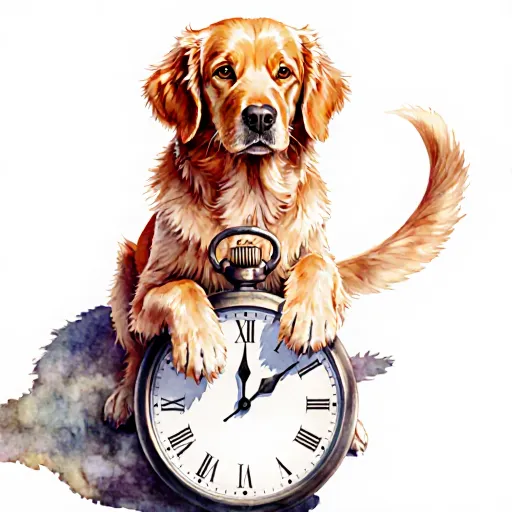
Predictable Paws, Happy Hearts
“Whisker‑Wired Timekeepers: Why Dogs Love Predictable Moments”
Table of Contents
- Introduction
- Dogs' Sense of Time
- Circadian Rhythms and Daily Patterns
- Training and Timing
- Food and Meal Schedules
- Exercise and Play Sessions
- Sleep Patterns
- Environmental Cues for Timekeeping
- Social Time Perception in Dogs
- Age and Time Awareness
- Breed Variations in Routine Adherence
- Owner Interactions and Predictability
- Behavioral Signs of Time Disruption
- Conclusion
- FAQ
Introduction
When it comes to a dog’s sense of the world, time is not measured in minutes or hours but in habits and cues. Unlike humans, dogs don’t have an internal clock that keeps track of elapsed seconds; instead they rely on external signals—such as the sound of the front door opening, the scent of a favorite treat bag, or the rhythmic pattern of your daily walk—to orient themselves. This means that establishing consistent routines is not just beneficial for you—it’s essential for your dog’s mental well‑being.
1. The Power of Predictable Patterns
- Meal Times: Dogs thrive when they know when to expect food. Feeding at the same times each day helps regulate their digestive system and reduces anxiety. For example, a typical routine might be: 7 am breakfast, 12 pm snack, 6 pm dinner.
- Walk Schedule: A morning walk before breakfast and an evening stroll after dinner create a sense of rhythm that can keep your dog calm during the day.
- Bedtime Routine: A consistent bedtime—such as dimming lights, turning off the TV, and giving a short training session—signals to your dog that it’s time to wind down.
2. Using Environmental Cues
Dogs are highly attuned to subtle changes in their surroundings:
- The Doorbell or Phone Ring: Many dogs associate these sounds with the arrival of a human, prompting excitement and anticipation.
- Clock Ticks: Some pets can even pick up on the ticking of a wall clock. A steady tick‑to‑tock can become part of their internal rhythm.
- Scent Trails: The smell of a freshly packed bag or the scent of a new toy can cue your dog that it’s time for an activity.
3. Practical Tips to Reinforce Routine
- Use a Timer: Set a kitchen timer to alert you when it’s time to feed or walk, ensuring you don’t miss the cue that your dog relies on.
- Mark Your Schedule: Keep a visible calendar in your hallway with icons for feeding, walking, and playtime. This visual aid not only reminds you but also helps your dog anticipate what’s next.
- Reward Consistency: Praise or give a treat immediately after each routine activity to reinforce the association between the cue and the action.
4. Adjusting for Life Changes
Life is rarely static, so it’s important to adapt while preserving core consistency:
- Travel or Shift Work: If you’re away during your dog’s usual walk time, consider hiring a dog walker or using an interactive feeder that releases food on a schedule.
- Aging Pets: Older dogs may need shorter walks and more frequent breaks. Adjust the routine to accommodate their comfort while maintaining predictable patterns.
5. Signs Your Dog Is Struggling With Time Perception
Watch for these indicators that your dog might be feeling anxious or confused:
- Excessive barking or whining during waiting periods.
- Restlessness or pacing when you’re away for short intervals.
- Skipping meals or refusing food if the timing is off.
By understanding that dogs rely on external cues rather than an internal sense of time, you can design a routine that keeps them calm, healthy, and happy. Consistency is your best tool—use it wisely, and watch your canine companion thrive.
Dogs' Sense of Time
Unlike humans, dogs do not have a built‑in internal clock that tells them the exact time of day. Instead, they rely on external cues—such as light levels, family habits, and routine sounds—to estimate when things will happen. Understanding these cues can help you create a predictable environment for your dog and reduce anxiety.
1. Light and Darkness
- Sunrise/Sunset: Dogs notice changes in daylight, which signal the start or end of daily activities. A bright morning often triggers excitement for walks or meals.
- Artificial lighting: Consistent use of lamps can help maintain a stable routine when natural light is limited (e.g., winter months).
2. Human Routines
Dogs are highly attuned to the patterns in their owners’ behavior. They learn to anticipate events based on:
- Meal times: Feeding at the same hour each day teaches a dog when to expect food.
- Walking schedule: Regular walks reinforce that “outside time” follows after certain signals (e.g., doorbell, a specific verbal cue).
- Sleep patterns: Dogs often mirror the family’s bedtime routine, sleeping in sync with when lights go out.
3. Auditory Cues
Dogs use sounds as time markers:
- The doorbell or phone: Signals visitors, which can mean a walk or an activity.
- Household noises: The hum of the refrigerator or the click of a coffee maker often cues that it’s time for breakfast or snack.
4. Predictable Events
Consistency builds trust and reduces stress. For instance, if you always walk your dog at 7 a.m., they will start to associate the morning routine with the sound of a leash being grabbed or the smell of the collar.
Practical Tips for Enhancing Your Dog’s Time Perception
- Create a daily schedule: Write down key times (e.g., feeding, walks, training sessions) and stick to them as closely as possible.
- Use verbal cues: Pair words like “walk” or “food” with the corresponding action so your dog learns the association.
- Adjust lighting: If you’re indoors a lot, use timers for lamps to simulate natural daylight cycles.
- Record routine sounds: Play a short recording of a doorbell or kitchen noise at the same time each day to reinforce timing cues when people are absent.
- Observe your dog’s behavior: Notice signs like pacing, whining, or tail wagging that indicate anticipation. These can help you fine‑tune your schedule.
Common Misconceptions
- “Dogs have a sense of time.” They don’t measure minutes, but they do recognize patterns.
- “They can wait for hours.” Dogs may appear patient, but long periods without stimulation can lead to boredom or anxiety.
By aligning your daily routine with your dog’s natural time cues, you’ll foster a calmer, more predictable environment that strengthens the bond between you and your four‑legged friend.
Circadian Rhythms and Daily Patterns
Dogs are naturally attuned to the world around them through a combination of circadian rhythms—the internal 24‑hour clock that regulates sleep, appetite, and energy levels—and the consistent patterns that we create in our daily lives. Understanding how these two forces interact can help you design routines that keep your dog physically healthy, mentally stimulated, and emotionally secure.
The Science Behind a Dog’s Internal Clock
- Sleep Cycles: Dogs cycle through REM (dreaming) and non‑REM sleep much like humans, but they can also nap for short bursts during the day. A typical adult dog sleeps about 12–14 hours per day.
- Hormonal Rhythms: Melatonin production peaks at night, signaling it’s time to wind down. Feeding times that match these hormonal shifts can improve digestion and reduce gastric upset.
- Temperature Regulation: Body temperature drops slightly during sleep; a comfortable environment (around 68–72°F / 20–22°C) helps dogs maintain their natural rhythm.
How Routine Shapes Perception of Time
Unlike humans, dogs do not experience time as a continuous stream. Instead, they gauge the passage of time through external cues: light levels, human activity, and scheduled events. A well‑structured routine gives them predictable signals that help reduce anxiety.
Key Routine Elements
- Consistent Feeding Times: Feed your dog at the same times each day—usually morning (7–8 am) and evening (6–7 pm). This consistency aligns with their circadian appetite cycle.
- Regular Exercise Windows: Schedule walks or play sessions in the early morning, midday, and late afternoon. Dogs thrive on movement that matches their natural energy peaks.
- Quiet Time Blocks: After meals or vigorous play, provide a calm period where you can sit quietly with your dog—this mirrors their need for rest after stimulation.
- Bedtime Rituals: A short, soothing routine (e.g., gentle petting, soft music) signals it’s time to settle down. Consistency cues the dog's internal clock that bedtime is approaching.
Practical Tips for Aligning Your Schedule with Your Dog’s Needs
- Use a Timer: Set an alarm on your phone or a pet timer to remind you of feeding, walks, and bedtime. This helps maintain consistency even during busy days.
- Adjust for Seasonal Changes: Dogs’ circadian rhythms shift with daylight changes. In winter, start the day a little earlier; in summer, allow slightly later wake times but keep exercise before extreme heat.
- Monitor Energy Levels: Notice when your dog is most alert or lethargic. Adjust activity timing accordingly—if they’re restless at night, try an extra walk or interactive play session before dark.
- Create a Visual Schedule: Post a simple chart in the kitchen with icons for meals, walks, and sleep times. Dogs can learn to anticipate these cues over time.
- Be Flexible but Consistent: Life happens—travel, illness, or unexpected events may disrupt routines. When you return to normalcy, resume the schedule promptly to re‑establish your dog’s sense of security.
Signs Your Dog Is In Sync (or Out of Sync)
| Symptom | Likely Cause |
|---|---|
| Excessive barking at night | Disrupted circadian rhythm or lack of exercise |
| Constant snoring or restless sleep | Inconsistent bedtime routine or uncomfortable sleeping environment |
| Poor appetite during scheduled meals | Mismatched feeding times with hormonal rhythms |
| Sudden lethargy or hyperactivity | Irregular sleep patterns or inconsistent daily structure |
By aligning your dog’s routine with their natural circadian rhythms, you not only promote better physical health but also foster a deeper bond rooted in predictability and trust. Start small—pick one element to adjust—and observe how your pup responds. Over time, a harmonious daily rhythm will become second nature for both of you.
Training and Timing
Dogs do not experience time the same way humans do. While we can count minutes and hours, dogs live in a more present‑focused world where their internal clock is tied to regular cues, sensory stimuli, and learned patterns.
1. The Internal Clock: 12‑Hour Rhythms
- Sleep–Wake Cycles: Most dogs follow a roughly 12‑hour cycle of rest and activity. A consistent bedtime (e.g., 10 pm) helps them internalize when it’s time to sleep.
- Meal Times: Feeding at the same times each day reinforces their sense of schedule, making them less likely to beg or become anxious.
2. Sensory Cues as Time Markers
Dogs rely on external cues—sounds, smells, and visual signals—to gauge time passage:
- Doorbell/Phone Ringtone: A consistent sound can signal “time to walk” or “time for a treat.”
- Household Activities: The hum of the refrigerator or the ticking of a clock can act as background timers.
- Human Presence: Your arrival after work often signals the end of the day’s routine.
3. Predictable Routines Build Security
Dogs thrive on predictability. A stable daily routine reduces anxiety and improves training outcomes. Here are practical ways to establish a solid schedule:
- Morning Routine: Feed, walk, play, and then give a quiet period for rest.
- Midday Check‑In: If you’re away, leave a small food bowl or interactive toy that signals “I’m back soon.”
- Evening Wind‑Down: A calm walk, followed by a short play session and bedtime.
4. Training Tips Leveraging Time Perception
- Use Timers for Short Sessions: Dogs can’t hold attention for long; keep training sessions to 5–10 minutes, then reward with a brief walk or treat.
- Time‑Based Commands: Teach “wait” by pausing between the command and the release cue. The pause trains them to recognize the temporal gap.
- Reward Timing: Deliver treats immediately after desired behavior; delayed rewards confuse the dog’s internal timing.
5. Adapting to Life Changes
Life events—moving, a new family member, or changes in work schedule—disrupt dogs’ time perception. To ease transitions:
- Gradually shift feeding and walk times by 10–15 minutes each day.
- Maintain familiar objects (favorite blanket, toy) to provide continuity.
- Use a consistent verbal cue (“Let’s go”) paired with a physical action (opening the door).
6. Monitoring and Adjusting
Observe your dog’s behavior for signs of confusion or stress: pacing, whining, or loss of appetite can indicate timing issues. If these arise:
- Re‑establish consistent cues.
- Consult a veterinarian if health concerns are suspected.
- Consider using an automatic feeder that delivers meals at set times.
By understanding how dogs perceive time and reinforcing routines with clear, predictable signals, you create a stable environment that promotes well‑being and enhances training effectiveness.
Food and Meal Schedules
Dogs are highly attuned to the rhythm of their daily life. While they don’t measure time with a clock, they develop strong associations between specific times, sounds, or actions and the arrival of food. Understanding this perception can help you create a feeding routine that reduces anxiety, promotes healthy digestion, and strengthens your bond.
Key Principles Behind Canine Time Perception
- Predictability: Dogs thrive on consistency. When meals come at the same times each day, they learn to anticipate hunger cues and settle into a stable routine.
- Sensory Cues: The sound of opening a food container, the scent of kibble, or even your footsteps can signal meal time long before you actually serve food.
- Digestive Rhythm: A regular feeding schedule aligns with the dog’s natural digestive cycle, reducing bloating and gas while supporting steady energy levels.
Practical Feeding Schedule Models
Choose a model that fits your lifestyle, your dog’s age, breed size, and activity level. Below are three common frameworks:
1. The Two-Meal Plan (Adult Dogs)
- Morning Meal: 7:00 – 8:00 AM
- Evening Meal: 5:00 – 6:00 PM
- Benefits: Keeps dogs satisfied throughout the day, reduces late-night begging.
2. The Three-Meal Plan (Puppies & Highly Active Dogs)
- Morning Meal: 7:30 AM
- Noon Snack: 12:00 PM
- Evening Meal: 6:00 PM
- Benefits: Supports rapid growth in puppies and sustained energy for active dogs.
3. The Single-Meal Plan (Senior Dogs or Weight Management)
- Single Daily Meal: 5:00 PM
- Benefits: Simplifies feeding, helps maintain stable weight and reduce digestive stress.
Step-by-Step Routine Implementation
- Create a Visual Schedule: Post a chart on the fridge with meal times. Dogs learn through repetition.
- Use Consistent Signals: Whisper “It’s time to eat” or open the bowl in a specific way each day.
- Keep Portions Fixed: Measure food daily to avoid accidental overfeeding.
- Limit Treats Between Meals: Reserve treats for training or rewards, not as a filler between scheduled meals.
- Adjust Gradually: If you need to shift times, do it in 15‑minute increments over several days.
Troubleshooting Common Issues
| Problem | Possible Cause | Solution |
|---|---|---|
| No Appetite at Meal Time | Stress, illness, or overfeeding earlier. | Check for signs of pain; consider a vet visit. Reduce portion size slightly and offer a small treat to entice. |
| Late Night Begging | Insufficient evening meal or inconsistent routine. | Ensure the evening portion is substantial enough. Use a timed feeder if you’re away. |
| Excessive Weight Gain | Large portions, high-calorie treats. | Switch to a weight‑management formula and reduce treat frequency. |
Real-World Example: The “Morning & Evening” Routine for a Medium‑Sized Family Dog
Dog: Max, 4 years old, 30 kg, moderate activity (daily walks).
- 7:00 AM – Serve 1 cup of dry kibble mixed with a tablespoon of wet food.
- 5:00 PM – Serve the same portion size. Add a small carrot stick as a low‑calorie treat.
- No treats or snacks between meals unless for training.
- Use a timer on your phone to remind you when it’s time to feed.
Over six months, Max maintained a healthy weight and exhibited calmer behavior during meal times. The consistency also reduced his nighttime barking at the kitchen door.
Final Tips for Optimal Feeding Schedules
- Use high-quality kibble with balanced protein, fat, and fiber content.
- Monitor body condition score (BCS) monthly; adjust portions as needed.
- Incorporate exercise into the daily routine to support digestion.
- Consult a veterinarian if you notice persistent changes in appetite or digestive upset.
Exercise and Play Sessions
Regular physical activity is a cornerstone of canine health, but the way you structure these sessions can have a profound impact on your dog’s perception of time and routine.
- Start with a consistent cue: Use the same command or sound each time you begin an exercise session (e.g., “Let’s go!”). This cue signals to your dog that it’s time for movement, helping them mentally segment their day.
- Short bursts of high intensity: Dogs often have a short attention span. Break training into 5–10 minute intervals with brief rest periods. For example: 5 minutes of fetch, 2 minutes of sit/stay, 5 minutes of tug‑and‑release.
- Vary the route or environment: Even within a routine schedule, change the path you take on your walks (park, beach, back‑yard). This keeps the experience fresh and reinforces that “time for exercise” is not tied to a single location.
- Use a timer or visual cue: Place a small clock or a colored flag on the wall that signals when it’s time to start or end a play session. Dogs can learn to associate these external markers with the transition between rest and activity.
Practical Play Session Blueprint
Morning (7:00 am – 7:30 am)
- 5 min walk around the block, using the “Let’s go!” cue.
- 2 min indoor fetch with a squeaky toy.
- 3 min tug‑and‑release game on the living room floor.
- 5 min short training drill (e.g., heel or down).
Evening (6:00 pm – 6:30 pm)
- 10 min jog in the neighborhood, varying the route.
- 5 min hide‑and‑seek with treats.
- 3 min obstacle course using household items.
- 5 min cool‑down walk while practicing “stay” and “come.”
Why This Matters for Time Perception
Dogs experience time in a rhythmical pattern, not as an absolute measure. By establishing predictable cues (like the “Let’s go!” command) paired with consistent timing intervals, you help your dog internalize a sense of schedule. The alternating high‑energy and calm phases mirror natural activity cycles, reducing anxiety during transitions.
Tips for Maintaining Routine Flexibility
- If an unexpected event interrupts the schedule (e.g., a sudden rainstorm), use a quick “pause” cue to signal a temporary break. This signals that the exercise period is on hold but will resume later.
- Keep the total daily exercise time within your dog’s breed‑specific range (30–90 minutes). Overexertion can blur their perception of rest periods, leading to overstimulation.
Bottom line: Structured yet varied exercise sessions anchored by consistent cues help dogs perceive their day in clear segments—work, play, and rest—making the routine feel natural and predictable.
Sleep Patterns
Dogs are highly attuned to routine, and their sleep schedule reflects the rhythm of their daily life. By observing how your dog sleeps, you can gain insights into their overall health, mood, and needs.
Typical Sleep Cycles in Dogs
- Light Naps (20–30 min): These short bursts help a dog stay alert during the day. They often occur after meals or play sessions.
- Deep Rest (1–2 hrs): During these periods, dogs experience REM sleep—when dreams happen and memory consolidation takes place.
- Long Sleep Periods: Most adult dogs sleep 12–14 hours in a 24‑hour cycle. Puppies can need up to 20 hours, while senior dogs may rest more frequently but for shorter stretches.
How Routine Shapes Sleep
Your dog’s internal clock is synced to predictable daily events:
- Morning Feeding: Signals the start of a new day. A well‑timed breakfast encourages consistent wakefulness.
- Exercise Session: Physical activity raises core temperature and hormone levels, making it easier for dogs to fall asleep afterward.
- Evening Quiet Time: Dim lights and minimal noise help transition the dog into rest mode.
Practical Tips to Optimize Sleep Quality
- Create a Dedicated Rest Spot: A comfortable crate or bed in a quiet corner promotes a sense of security.
- Maintain Consistent Bedtimes: Aim for the same bedtime each night—ideally after dinner and play—to reinforce circadian rhythms.
- Limit Late‑Night Stimulation: Avoid vigorous play or sudden noises right before bed; instead, offer a calm walk or gentle massage.
- Use White Noise: A fan or soft background music can mask household sounds that might otherwise disturb sleep.
When to Seek Veterinary Advice
If you notice:
- Sudden changes in total sleep time (more than 4 hrs difference).
Possible cause: pain, illness, or anxiety. - Frequent nighttime awakenings or restlessness.
Possible cause: urinary issues, digestive discomfort, or stress. - Inability to fall asleep after exercise or feeding.
Check for over‑stimulation or improper timing of meals.
Case Study: Max the Labrador
Max, a 5‑year‑old Labrador, used to sleep 14 hrs nightly. After his owner switched to an irregular work schedule, Max’s rest period dropped to 10 hrs and he began pacing at night.
- Action: The owner reinstated a consistent feeding time (7 am) and a short walk (30 min) before bedtime.
- Result: Max’s sleep increased to 13 hrs, and nighttime pacing stopped within two weeks.
Final Thoughts
Your dog’s sleep is a window into their well‑being. By aligning feeding times, exercise, and quiet periods with natural circadian rhythms, you can help your canine companion rest better, feel more secure, and enjoy a happier life.
Environmental Cues for Timekeeping
While dogs don’t have an internal clock like humans do, they are highly attuned to the rhythm of their environment. By creating consistent environmental cues, you can help your dog anticipate events such as meals, walks, or bedtime.
1. Consistent Feeding Times
- Why it matters: Dogs associate the sound of a food bowl being filled with the arrival of a meal. A predictable schedule reduces anxiety and supports healthy digestion.
- Practical tip: Use a timer or phone alarm to remind yourself to feed at the same hour each day, even on weekends.
- Example: If you feed your dog at 7 a.m. and 6 p.m., place the bowl in the same spot so the scent and sight become cues for the upcoming meal.
2. Regular Walks and Exercise
- Why it matters: Dogs learn to expect a walk after certain triggers—like the sound of the leash or a specific door opening.
- Practical tip: Keep your walking route and duration consistent. If you change routes, do so gradually to avoid confusion.
- Example: A morning walk at 8 a.m., followed by a short stretch in the backyard, creates a routine that the dog can anticipate.
3. Bedtime Rituals
- Why it matters: Dogs feel more secure when they know what’s coming next. A calm pre-sleep routine signals that it’s time to settle down.
- Practical tip: Dim the lights, play soft music, and offer a favorite chew or puzzle toy before tucking your dog into bed.
- Example: A nightly ritual of brushing the dog's coat for five minutes followed by a gentle massage helps cue relaxation.
4. Use of Scent Cues
- Why it matters: Dogs have an extraordinary sense of smell and can use scent to orient themselves temporally.
- Practical tip: Sprinkle a small amount of the same essential oil (dog-safe) in the dog’s sleeping area each night. The scent becomes associated with rest time.
- Example: A light cedarwood scent in the crate signals that it’s time to sleep, reducing nighttime restlessness.
5. Visual and Auditory Signals
- Why it matters: Dogs react to consistent sounds or visual cues—like a ticking clock or a particular doorbell tone—to gauge when something will happen.
- Practical tip: Use the same doorbell or phone notification sound for specific events (e.g., “walk time” vs. “meal time”).
- Example: A gentle chime each morning cues that it’s walk time, while a different tone indicates meal preparation.
6. Seasonal Adjustments
- Why it matters: Daylight hours change with seasons, affecting a dog’s natural circadian rhythm.
- Practical tip: Gradually shift feeding and walking times by 15–30 minutes each week to match the new daylight pattern.
- Example: In summer, start walks an hour earlier to avoid the midday heat; in winter, keep them later when temperatures are milder.
7. Monitoring and Flexibility
- Why it matters: Even with strict routines, dogs may need adjustments due to health or behavioral changes.
- Practical tip: Keep a log of your dog’s behavior around routine times—note signs of stress or excitement—to fine-tune the schedule.
- Example: If your dog shows restlessness during the usual walk time, consider an earlier start or a shorter route.
By weaving these environmental cues into daily life, you provide your dog with a predictable structure that supports mental well‑being and strengthens the bond between you both. Consistency is key—once a routine is established, even subtle deviations can cause confusion, so aim for steady, reliable patterns while remaining responsive to your dog's evolving needs.
Age and Time Awareness
When we talk about a dog’s age and time awareness, we’re really looking at two intertwined concepts:
- Physiological aging – how a dog’s body changes over time.
- Cognitive perception of time – how dogs interpret the passing of minutes, hours, and days.
1. The Biological Clock: Dogs Age Faster Than Humans
A commonly used rule is that one dog year equals roughly seven human years. While this is a handy approximation for older breeds, it oversimplifies the complex way dogs mature:
| Dog Age (Years) | Human Equivalent |
|---|---|
| 1 | 15–16 |
| 2 | 24–25 |
| 3 | 28–30 |
| 4-7 | 32–36 |
| 8+ | 36+ (varies by breed) |
Large breeds tend to reach maturity faster and experience age‑related decline earlier than small breeds. For example, a 10‑year‑old Labrador may feel the equivalent of a 50‑year‑old human, while a 10‑year‑old Chihuahua might still be in its “prime” phase.
2. Dogs’ Perception of Time: Shorter Horizons, Stronger Routines
Unlike humans, dogs do not have an internal sense of minutes or hours. Their time perception is largely built around:
- Routine cues – the rhythm of feeding, walks, and play.
- Sensory signals – sounds (doorbell), smells (food), and light changes.
- Memory patterns – they remember that a certain event always follows another (e.g., “after lunch comes the walk”).
Studies show dogs can distinguish between intervals as short as 5 minutes but struggle to differentiate longer periods. A dog might not know how long it has been since you left for work, but it will feel the difference between a 10‑minute break and a 30‑minute walk.
3. Practical Tips: Aligning Your Schedule With Your Dog’s Time
- Create Predictable Routines: Feed at the same times each day, take walks at consistent intervals, and keep bedtime near the same hour. This helps your dog anticipate what’s next.
- Use Visual Cues: A small bell on a collar can signal “time to walk.” Dogs associate specific sounds with actions.
- Break Long Stretches Into Short Sessions: If you’re away for several hours, consider leaving an interactive toy or puzzle that keeps your dog mentally engaged. This mitigates the perceived length of time.
- Monitor Activity Levels: Younger dogs expend energy quickly; older dogs may need gentler, shorter walks to avoid joint strain.
- Use Positive Reinforcement: When your dog waits patiently for a walk or meal, reward with treats or praise. This reinforces the idea that waiting leads to something desirable.
4. Real‑World Example: The “Morning Routine” of a Golden Retriever
A 5‑year‑old Golden Retriever named Max wakes up around 6:30 am, immediately heads to his food bowl, and waits for the doorbell that signals the walk. After a brisk 20‑minute stroll, he returns, spends an hour chewing on a bone (a reward for staying patient), then relaxes during the afternoon nap until the evening routine begins at 5 pm with dinner and playtime.
By structuring Max’s day in predictable blocks, his owners help him “sense” the passage of time through consistent cues rather than an abstract clock.
5. Adjusting for Aging Dogs
- Shorten Walks: Replace a 30‑minute walk with two 10‑minute walks to accommodate joint stiffness.
- Increase Rest Periods: Add an extra nap after each activity; older dogs need more recovery time.
- Monitor Diet: Age affects metabolism—consult a vet for a tailored feeding plan that keeps your dog healthy without overfeeding.
Understanding both the biological and cognitive aspects of your dog’s age and time perception allows you to craft a lifestyle that supports their well‑being, reduces anxiety, and strengthens the bond between you.
Breed Variations in Routine Adherence
While every dog benefits from a predictable schedule, the degree to which a particular breed will thrive on routine can vary dramatically. Below is a quick reference guide that links common breeds (or breed groups) with their typical time‑perception tendencies and practical tips for structuring daily life around those needs.
| Breed / Group | Time Perception & Routine Tendencies | Practical Scheduling Tips | Sample Daily Timeline |
|---|---|---|---|
| Border Collie, Australian Shepherd, German Shepherd |
Highly Sensitive to Time: These breeds have a strong work ethic and often anticipate routine cues (e.g., the sound of the leash, the walk sign). They can become anxious if tasks are delayed or skipped. Routine Preference: They thrive on structured exercise and mental stimulation that follows a predictable cadence. |
|
|
| Labrador Retriever, Golden Retriever, Cavalier King Charles Spaniel |
Moderate Time Awareness: These breeds enjoy regularity but can adapt to minor changes. They are less likely to display time‑based anxiety than working breeds. Routine Preference: Consistent meal times and predictable play sessions help them feel secure. |
|
|
| Doberman Pinscher, Rottweiler, Bullmastiff |
Strong Time Sensitivity: These breeds often react to the timing of stimuli—such as a visitor’s arrival or the time for patrol. They can develop protective behaviors if routine is disrupted. Routine Preference: Predictable patrols, feeding times, and training help maintain calmness. |
|
|
| Pug, French Bulldog, Shih Tzu |
Minimal Time Awareness: These breeds are less concerned with precise timing; they focus more on immediate comfort and social interaction. Routine changes rarely trigger anxiety. Routine Preference: Regular feeding and short walks help them feel secure, but flexibility is acceptable. |
|
|
| Belgian Malinois, Jack Russell Terrier, Siberian Husky |
Advanced Time Perception: These breeds can understand and anticipate the timing of events (e.g., expecting a walk after 10 min). They may become restless if they sense a delay. Routine Preference: Structured mental challenges aligned with physical exercise are key to maintaining focus. |
|
Owner Interactions and Predictability
Dogs are creatures of habit. While they can adapt to change, their mental wellbeing thrives on a clear sense of routine and consistent human interaction. The way owners structure daily activities—feeding, walks, playtime, training sessions, and even quiet moments—has a profound impact on a dog’s perception of time and overall stress levels.
Why Predictability Matters
- Cognitive Load Reduction: A predictable schedule lowers the cognitive effort required to anticipate what comes next, allowing dogs to focus on social bonding rather than constantly scanning for cues.
- Reduced Anxiety: Sudden changes in routine can trigger separation anxiety or generalized fear. Consistency helps build trust and a sense of safety.
- Better Training Outcomes: Dogs learn faster when they know exactly what to expect from each cue, making training sessions more efficient and enjoyable for both parties.
Practical Ways to Build Predictable Interactions
- Set Fixed Meal Times:
Feed your dog at the same times every day—ideally 30–60 minutes before walks. This not only stabilizes digestion but also signals a predictable daily rhythm.
- Schedule Walks at Consistent Intervals:
A morning walk around 7:00 am, followed by a mid‑day stroll at 12:30 pm and an evening walk at 6:00 pm, creates a clear temporal framework. Even if the route changes, the time stays constant.
- Allocate Playtime Slots:
Dedicate 10–15 minutes after each meal for interactive play or training drills. Dogs learn to associate “play” with these specific moments, reducing restlessness during other times.
- Use Consistent Commands and Hand Signals:
Choose a single word for each action (e.g., “sit,” “stay”) and stick to it. Mixing commands confuses dogs and erodes the predictability of human signals.
- Create Quiet Time Rituals:
Before bedtime, dim the lights, turn off screens, and offer a gentle petting session for five minutes. Dogs interpret this as “time to wind down,” helping them settle into sleep more smoothly.
Adapting Predictability When Life Changes
While routine is essential, life inevitably brings changes—travel, new family members, or health issues. Here’s how to maintain predictability during transitions:
- Gradual Adjustments: If you must shift feeding times by an hour, do it in 15‑minute increments over a few days.
- Use Timers and Reminders: Set phone alarms for walk or playtime to keep the schedule on track even when you’re distracted.
- Introduce New Routines Slowly: When adding a new activity (e.g., agility training), start with brief sessions, gradually increasing duration as your dog acclimates.
Examples from Real Dogs
Case Study: Bella, an 8‑year‑old Labrador Retriever.
- Prior to routine changes, Bella exhibited excessive barking at dusk.
- By establishing a fixed evening walk at 6:00 pm and a short “quiet” period with gentle petting afterward, her nighttime barking decreased by 70% within two weeks.
Case Study: Max, a 3‑year‑old Border Collie.
- Max struggled with separation anxiety when owners were late for work.
- Implementing a “goodbye ritual”—a short play session and a treat at the door—provided predictability that reduced Max’s stress, as measured by lower cortisol levels during owner absence.
Conclusion
Owner interactions anchored in predictable patterns help dogs internalize time cues, fostering confidence and emotional stability. By aligning daily activities with consistent schedules, using clear commands, and gradually adapting to life changes, owners can create an environment where their canine companions thrive both mentally and physically.
Behavioral Signs of Time Disruption
When a dog’s internal clock is thrown off—whether by a sudden change in the household routine, a new family member, or even a shift in your own schedule—you’ll notice subtle and sometimes dramatic shifts in their behavior. Recognizing these signals early can help you restore balance before stress escalates.
1. Altered Appetite
- Reduced interest in food: A dog that suddenly stops eating at its usual meal times may be experiencing anxiety about the new schedule.
- Overeating or begging: Conversely, some dogs will compensate by gnawing on anything within reach or demanding extra treats when they sense a change.
2. Excessive Restlessness
Dogs that feel their routine is disrupted often try to “make up for lost time” by pacing, whining, or barking incessantly. This can manifest as:
- Pacing around the house: Especially near doors or windows where they expect a return.
- Increased vocalization: Barking at the TV, phone, or any background noise that reminds them of a different routine.
3. Sleep Disturbances
A sudden shift in light, temperature, or even your own bedtime can disturb a dog’s sleep pattern. Look for:
- Frequent waking: Dogs may wake up multiple times per night if they’re not used to the new quiet period.
- Napping in odd places: Seeking warmth or safety, a dog might nap on your bed or a sunny spot that is no longer part of their usual routine.
4. Aggression or Irritability
A perceived threat to the familiar schedule can trigger defensive behavior. Examples include:
- Snapping at family members: Especially if a new person is introduced during a time the dog associates with their primary caregiver.
- Protective guarding of food or toys: A sudden change can make a dog feel insecure, leading them to guard resources more fiercely.
5. Reduced Exercise and Play
Dogs that are stressed by time disruption may withdraw from their usual playtime, preferring to stay still or sleep instead of engaging in walks or games.
- Reinforce Consistent Feeding Times: Use a timer or alarm to remind you when it’s time to feed. Even small variations can cause confusion.
- Create a Predictable Exercise Schedule: Walks at the same times each day help anchor your dog’s internal clock.
- Use a Calm, Structured Environment: Keep lighting and noise levels consistent during key periods (e.g., use dim lights in the evening).
- Introduce New Changes Gradually: If you need to shift bedtime or walk times, start by adjusting 5–10 minutes earlier/later each day.
- Reward Calm Behavior: Offer treats and praise when your dog remains calm during transitions; this reinforces that the new routine is safe.
- Use a “Transition Cue”: A specific word or sound (e.g., “time to walk”) can signal an upcoming change, helping the dog mentally prepare.
When to Seek Professional Help
If behavioral signs persist beyond two weeks or worsen—such as increased aggression, severe anxiety, or health issues—it may be time to consult a veterinarian or a certified canine behaviorist. Early intervention can prevent long‑term stress and strengthen the bond between you and your pet.
Conclusion
Understanding the way dogs experience time can transform how we manage their daily lives, strengthen our bond, and improve overall well‑being. Unlike humans, dogs live in a rhythm of “now” rather than minutes or hours. Their internal clock is tuned to environmental cues—sunlight, human activity patterns, meal times—and to predictable routines that provide safety and predictability.
Key Takeaways
- Dogs thrive on consistency. A regular schedule for feeding, walks, playtime, and bedtime helps a dog anticipate what’s coming next, reducing anxiety.
- The “dog clock” is subjective. While a human might think an hour passes quickly, a dog may perceive it as a long stretch of waiting. This explains why they can appear to be in a state of “snooze” for hours between meals.
- Environmental cues are powerful. Natural light and the sounds of your household (e.g., a kettle boiling, the radio) act as signals that help dogs orient themselves temporally.
Practical Ways to Align Your Routine With Your Dog’s Perception
- Establish a predictable feeding schedule. Offer meals at the same times each day. Even if your dog is on an intermittent fasting plan, keep the “time of day” consistent.
- Use a timer for short walks or play sessions. A 10‑minute walk after breakfast and a 15‑minute session in the afternoon give clear temporal boundaries.
- Introduce a bedtime ritual. A calm, low‑light routine—such as brushing your dog’s fur, giving a gentle massage, or playing soft music—signals that it’s time to wind down.
- Leverage natural light cycles. Open curtains in the morning and dim lights at dusk. Dogs’ circadian rhythms sync with daylight; this reduces nighttime restlessness.
- Use scent cues for transitions. A specific blanket or toy that is only present during certain times of day can help a dog associate particular scents with upcoming activities.
Examples from Real Life
Case Study: “Milo” – a 4‑year‑old Labrador Retriever
- Before routine: Milo would bark incessantly during the first hour after his owner left for work, displaying signs of separation anxiety.
- After implementing a structured schedule (breakfast at 7 am, walk at 8 am, play at 9 pm), his nighttime barking reduced by 70%. He also began to settle down more quickly during the evening routine.
Case Study: “Luna” – a 2‑year‑old Beagle
- Luna’s owner introduced a small “time box” that played a soft, rhythmic tone every 15 minutes during the day. Luna learned to associate the sound with short intervals of activity and rest, resulting in smoother transitions between play sessions.
Final Thought
By recognizing that dogs perceive time through cues rather than a linear clock, we can craft environments that feel secure and predictable. A well‑structured routine not only eases your dog’s anxiety but also enhances training effectiveness, health outcomes, and the quality of your shared life.
FAQ
-
What does a dog’s sense of time actually look like?
Dogs do not have an internal clock like humans, but they are highly attuned to the rhythm of their environment. They learn to associate specific cues—such as the sound of the front door opening, the cadence of your footsteps, or the scent of a walk bag—to particular times of day. Over time, these cues become predictable signals that help them anticipate when meals, walks, or playtime will occur. This is why many dogs will start whining a few minutes before their usual feeding time; they have internalized the pattern from repeated exposure. -
Can I train my dog to be more punctual?
Yes—consistency is key. Start by feeding and walking your dog at exactly the same times each day, even on weekends. Use a short verbal cue (“time”) right before you begin the activity. Over several weeks, the dog will start to recognize the cue as a signal that the routine is about to happen. If you occasionally vary the schedule, try to keep changes within a narrow window (e.g., 10–15 minutes) so your dog doesn’t become confused. -
Why does my dog seem anxious when I’m late for our usual walk?
Dogs thrive on predictability. When you deviate from the established schedule, it creates a mismatch between their internal expectations and reality, leading to anxiety or frustration. A simple solution is to keep a “walk log” in your phone: set a reminder 5 minutes before your scheduled walk so you can leave promptly. If you’re running late, give your dog a small treat at the door to help shift its focus away from the delay. -
How does routine affect my dog’s health?
A regular schedule supports physical and mental well‑being. Consistent meal times help regulate digestion; predictable walks encourage adequate exercise, which can reduce obesity and behavioral issues like chewing or barking. For senior dogs, a stable routine helps manage chronic conditions—e.g., keeping medication schedules on time reduces complications. -
What if my dog’s routine is disrupted by travel or an illness?
Gradual re‑establishment of the schedule works best. When you return from a trip, start feeding and walking at the same times you left them. If your dog has been ill, give it small, frequent meals instead of one large meal to ease digestive stress. Use calming tools—such as a familiar blanket or a low‑frequency sound machine—to help re‑ground the dog during the transition. -
Can I use technology to help my dog maintain routine?
Absolutely. Smart feeders can dispense food at predetermined times, and smart collars can send reminders or even vibrate to cue your dog when it’s time for a walk. Some pet‑tracking apps sync with your calendar so you receive notifications that the dog is due for its next activity—great for busy owners who need an extra nudge. -
What signs indicate my dog is confused or stressed by a new routine?
Look for pacing, excessive barking, drooling, or attempts to escape from the area where the routine usually occurs. If you notice these behaviors after a change in schedule (e.g., starting work earlier), give your dog an extra reward during the new time slot and maintain consistency until the behavior subsides. -
How can I create a “routine package” for training?
• Morning: Feed → Walk (10 min) → Play session (5 min)
• Noon: Treat break → Quiet time (treat or chew toy)
• Evening: Dinner → Longer walk (20 min) → Bedtime routine (brush, cuddle, lights out)
Use a visual chart on the fridge with stickers that your dog can “check off” by following the cues. This helps reinforce predictability and gives you a quick reference to keep on track. -
Is there a difference in how puppies versus adult dogs perceive time?
Puppies are still developing their sense of routine; they rely more heavily on immediate sensory cues (sight, smell) than on learned patterns. Adult dogs have a stronger internal calendar and can anticipate events weeks in advance if the pattern is stable. This means that while you can start training routines with puppies early, it’s essential to keep those early habits consistent as your dog matures.
Categories
- AI & Enrichment Play
- Broiler Farming
- Broiler Farming Tips
- Canine Wellness & Longevity
- Cat
- Cat & Human Connection
- Cat Adoption & Rescue
- Cat Breeds
- Cat Breeds & Personalities
- Cat Care & Health
- Cat Grooming & Hygiene
- Cat Lifestyle & Environment
- Cat Myths & History
- Cat Nutrition & Diet
- Cat Products & Reviews
- Cat Training & Behavior
- Comparison
- Consumer Awareness
- Dog
- Dog Accessories & Products
- Dog Adoption & Rescue
- Dog Breed & Lifestyle Trends
- Dog Breeding & Puppies
- Dog Entertainment & Media
- Dog Fashion & Trends
- Dog Fun & Lifestyle
- Dog Grooming & Hygiene
- Dog History & Culture
- Dog Myths, Science & Future Tech
- Dog News & Trends
- Dog Nutrition & Food
- Dog Psychology & Emotions
- Dog Safety & Security
- Dog Sports & Activities
- Dog Technology & Innovation
- Dog Training for Modern Owners
- Dog Travel & Adventure
- Dog Travel, Adventure & Culture
- Economic and Market Insights
- Educational Content
- FAQs
- Feeding Alternatives
- Festivals & Seasonal Ideas
- Fun & Entertainment
- General Knowledge
- General Pig Farming
- Health & Disease Management
- Housing and Environment
- Kittens
- Market Insights
- Miscellaneous
- Miscellaneous
- Motivational
- pig
- Pig Breeding
- Pig Breeds
- Pig Farming Stories and Inspiration
- Pig Health and Care
- Pig Nutrition
- Pig Products
- Profitability & Business
- Puppy Care
- Puppy Predictable Topics Reinvented
- Regional Focus
- Rescue & Adoption Buzz
- Senior Cats
- Senior Dog Care
- Smart Dog Tech & Gadgets
- Sustainability
- Sustainable & Eco-Friendly Dog Products
- Tech & Innovations
- Working & Service Dogs
- Broiler Feed66 products
- Country Feed33 products
- Pig Feed66 products
- Product22 products
- Raw Materials99 products
Products
-
 Fish Meal
₹1,999.00 – ₹2,999.00Price range: ₹1,999.00 through ₹2,999.00Rated 0 out of 5
Fish Meal
₹1,999.00 – ₹2,999.00Price range: ₹1,999.00 through ₹2,999.00Rated 0 out of 5 -
 FATTENING BROILER FEED
₹2,299.00 – ₹2,349.00Price range: ₹2,299.00 through ₹2,349.00Rated 0 out of 5
FATTENING BROILER FEED
₹2,299.00 – ₹2,349.00Price range: ₹2,299.00 through ₹2,349.00Rated 0 out of 5 -
 LAYER COUNTRY FEED
₹1,549.00 – ₹1,649.00Price range: ₹1,549.00 through ₹1,649.00Rated 0 out of 5
LAYER COUNTRY FEED
₹1,549.00 – ₹1,649.00Price range: ₹1,549.00 through ₹1,649.00Rated 0 out of 5 -
 COUNTER BROILER FEED
₹1,199.00 – ₹1,299.00Price range: ₹1,199.00 through ₹1,299.00Rated 0 out of 5
COUNTER BROILER FEED
₹1,199.00 – ₹1,299.00Price range: ₹1,199.00 through ₹1,299.00Rated 0 out of 5 -
 LACTATING PIG FEED
Rated 0 out of 5
LACTATING PIG FEED
Rated 0 out of 5₹2,299.00Original price was: ₹2,299.00.₹1,740.00Current price is: ₹1,740.00. -
 Maize
Rated 0 out of 5
Maize
Rated 0 out of 5₹1,650.00Original price was: ₹1,650.00.₹1,300.00Current price is: ₹1,300.00. -
 GESTATION PIG FEED (Phase 1)
Rated 0 out of 5
GESTATION PIG FEED (Phase 1)
Rated 0 out of 5₹2,249.00Original price was: ₹2,249.00.₹1,699.00Current price is: ₹1,699.00. -
 Pre Starter Broiler Feed
₹2,399.00 – ₹2,499.00Price range: ₹2,399.00 through ₹2,499.00Rated 0 out of 5
Pre Starter Broiler Feed
₹2,399.00 – ₹2,499.00Price range: ₹2,399.00 through ₹2,499.00Rated 0 out of 5 -
 FINISHER PIG FEED
Rated 0 out of 5
FINISHER PIG FEED
Rated 0 out of 5₹2,299.00Original price was: ₹2,299.00.₹1,749.00Current price is: ₹1,749.00. -
 Broiler Premix
Rated 0 out of 5
Broiler Premix
Rated 0 out of 5₹820.00Original price was: ₹820.00.₹699.00Current price is: ₹699.00.
Social Time Perception in Dogs
When we talk about a dog’s sense of time, most people think of the internal clock that governs hunger, sleep, and activity levels. But dogs also perceive time socially—through the rhythms of their pack (family) and the patterns of daily routines. Understanding this social dimension can help you fine‑tune training, improve bonding, and reduce anxiety.
1. The “Social Clock” – How Dogs Track Human Schedules
2. Routine as Social Stability
Consistent routines reduce stress and reinforce bonding. When your dog knows that you will call it for a walk at 7 p.m., its anticipatory excitement becomes a positive, shared experience rather than an anxious waiting period.
Practical Advice: Build Predictable Patterns
3. Social Time Perception in Training
Training leverages social time perception by aligning commands with routine cues. For instance:
4. Adapting to Life Changes
When life changes—new job, new house, or a new pet—dogs may struggle with altered social rhythms:
5. Signs Your Dog Is Off‑Sync
Watch for these indicators that social time perception is disrupted:
What to Do
Re‑establish the routine, give extra reassurance during transitions, and consult a professional if anxiety persists.
Conclusion
Social time perception is a powerful component of a dog’s emotional well‑being. By recognizing how your pet uses daily rhythms to navigate its world—and by creating consistent, predictable patterns—you strengthen the bond, reduce stress, and create a harmonious living environment for both you and your canine companion.