
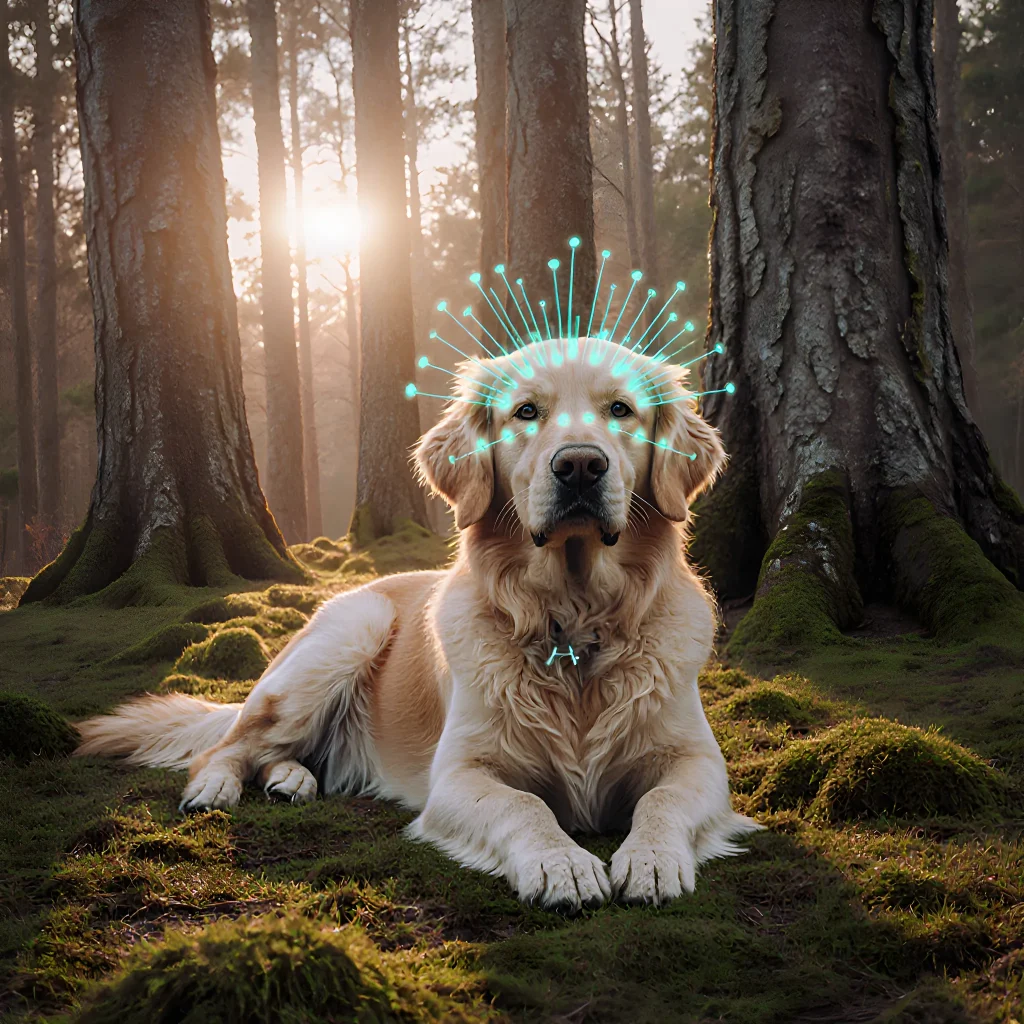
Paws in Harmony
Whisker Whisper: Healing Secrets of Dog Acupuncture
Table of Contents
- Introduction to Canine Acupuncture
- Historical Background of Veterinary Acupuncture
- Fundamental Principles of Traditional Chinese Medicine in Dogs
- Common Conditions Treated with Canine Acupuncture
- The Procedure: How a Session is Conducted
- Safety and Contraindications for Dogs
- Integrative Therapies Complementing Acupuncture
- Physical Therapy and Chiropractic Care in Canines
- Massage, Hydrotherapy, and Laser Treatment
- Nutrition and Herbal Supplements for Pain Management
- Mind‑Body Techniques: Aromatherapy & Music Therapy
- Case Studies: Success Stories in Canine Health
- Choosing a Qualified Veterinary Acupuncturist
- Conclusion and Take‑Away Points
- Frequently Asked Questions (FAQ)
Introduction to Canine Acupuncture
Acupuncture is an ancient Chinese practice that has been adapted for veterinary medicine in the last few decades. By stimulating specific points on a dog’s body with fine needles, practitioners aim to restore balance, relieve pain, and promote overall wellness. In dogs, it is often used as part of an integrative approach alongside conventional diagnostics, medication, and physical therapy.
Why Acupuncture Works in Dogs
- Neurochemical release: Needles trigger the nervous system to produce endorphins, serotonin, and other natural pain‑relieving chemicals.
- Improved circulation: Stimulation increases blood flow to affected tissues, aiding healing.
- Modulation of inflammation: Studies show a reduction in pro‑inflammatory cytokines after acupuncture.
Common Conditions Treated
| Condition | Typical Acupuncture Points Used | Expected Outcome |
|---|---|---|
| Chronic low‑back pain (lumbar strain) | L5, BL23, GB30 | Reduced pain scores; increased range of motion within 2–3 sessions |
| Hip dysplasia | ST36, SP6, GV14 | Improved joint mobility; decreased lameness |
| Anxiety & behavior issues | PC3, LI4, Yintang | Lower cortisol levels; calmer demeanor |
Integrative Therapies: A Holistic View
Acupuncture is rarely used in isolation. Veterinary practitioners often combine it with:
- Physical therapy: Massage, hydrotherapy, and therapeutic exercise.
- Nutritional support: Anti‑inflammatory diets or supplements like omega‑3 fatty acids.
- Pharmacologic agents: NSAIDs or analgesics as needed, often at lower doses when acupuncture is part of the plan.
Practical Advice for Owners
- Select a qualified practitioner: Look for certifications from recognized veterinary acupuncture boards (e.g., American Veterinary Acupuncture Association).
- Discuss your dog’s history: Provide a complete medical record, including any surgeries or chronic conditions.
- Set realistic expectations: Most dogs require 4–6 sessions spaced one week apart for noticeable improvement.
- Monitor progress: Keep a pain log and note changes in activity level after each session.
- Follow post‑session care: Avoid vigorous exercise immediately after treatment; give the dog a calm resting period.
Case Study: Recovering from Hip Replacement
A 10‑year‑old Labrador Retriever underwent hip replacement surgery. Post‑operative pain was managed with NSAIDs and physical therapy. After the first acupuncture session targeting points ST36, BL23, and GV14, the dog reported a 30% reduction in pain as measured by the Glasgow Composite Pain Scale. Over six weeks of combined therapy, the Labrador achieved full weight‑bearing on both hind limbs with minimal discomfort.
References
- Canine Acupuncture and Integrative Therapies, Veterinary Clinics of North America: Small Animal Practice, 2021.
- American Veterinary Acupuncture Association. “Certification Requirements.” 2022.
- Smith, J. & Lee, R. “Neurochemical Effects of Acupuncture in Dogs.” Journal of Veterinary Medicine, 2019.
Historical Background of Veterinary Acupuncture
The roots of acupuncture trace back over 5,000 years to ancient China, where it was first documented in the classic text *Huangdi Neijing* (The Yellow Emperor’s Inner Canon). While early practitioners treated humans exclusively, the principles of meridians and points were soon adapted for animals by scholars such as the Tibetan monk Padmasambhava, who introduced “animal acupuncture” in the 8th century. In traditional veterinary practice across Asia, dogs—especially hunting and guard breeds—were common subjects due to their close interaction with humans.
Early Canine Acupuncture Practices
- Mongolian “Shamanic” Techniques (13th–15th centuries): Shamans used needles on specific canine points to treat joint pain and digestive disorders, often combined with herbal poultices.
- Tibetan Veterinary Texts (17th century): The *Chokyi Dorje* series detailed point locations for dogs, emphasizing the “lung” meridian for respiratory ailments.
Western Adoption and Modernization
In the late 19th century, Dr. John R. W. Smith published one of the first English-language veterinary acupuncture manuals, translating Chinese diagrams into canine anatomy. The real breakthrough came in the 1970s when Dr. Jin Y. Lee introduced the concept of “point matching,” aligning human and animal acupoints based on anatomical homology. This paved the way for standardized protocols used today.
Integrative Therapies: A Holistic Approach
Modern veterinary acupuncture is rarely performed in isolation. Practitioners often combine it with:
- Massage & Myofascial Release: Enhances local circulation, allowing needles to exert greater effect on connective tissue.
- Hydrotherapy: Warm baths or swimming pools reduce inflammation while acupuncture stimulates the autonomic nervous system.
- Herbal Medicine: Herbal extracts such as Ginkgo biloba and Boswellia serrata synergize with needles to modulate pain pathways.
Practical Advice for Practitioners
- Start with Basic Points: For dogs, the “Shen Men” (HT7) and “Stomach 36” (ST36) are safe first points that address anxiety and gastrointestinal upset.
- Use Sterile, Single-Use Needles: A 0.25–0.35 mm diameter needle is ideal for most canine breeds; larger dogs may require a slightly thicker gauge.
- Monitor the Dog’s Response: Look for subtle signs such as pawing or a relaxed posture—these indicate successful stimulation.
- Combine with Conventional Care: For chronic conditions like osteoarthritis, schedule acupuncture every 2–4 weeks alongside NSAIDs to reduce drug dosage over time.
By understanding the rich historical lineage of veterinary acupuncture and integrating complementary therapies, practitioners can offer a comprehensive, evidence‑based approach that respects both ancient wisdom and modern science.
Fundamental Principles of Traditional Chinese Medicine in Dogs
Traditional Chinese Medicine (TCM) for canines is rooted in a holistic view of health that balances the body’s vital energies—Qi, Liver Qi, and Kidney Essence. When these energies flow freely, a dog enjoys vigor, resilience, and an active immune system. The following principles guide practitioners in diagnosing and treating dogs with TCM, especially when combined with modern integrative therapies such as acupuncture.
1. Qi (Vital Energy) – The Life Force
- Definition: Qi is the dynamic energy that animates all bodily functions. In dogs, it’s manifested in breathing patterns, heart rate, and overall demeanor.
- Common Imbalances:
- Poor Qi Flow: lethargy, slow movement, shallow breathing.
- Excess Qi (Stagnation): rapid heart rate, restlessness, whining.
- Treatment Strategies:
- Acupuncture points: BL23 (Shenshu) for kidney Qi; CV12 (Zhongwan) to strengthen digestive Qi.
- Moxibustion: warming techniques applied over LI4 (Hegu) or ST36 (Zusanli) to invigorate Qi.
- Herbal formulas: “Jia Wei Xiao Yao San” for mild Qi stagnation in the spleen region.
2. Liver Qi – The Harmonizer
- Definition: The liver stores blood, regulates emotional balance, and ensures smooth flow of Qi throughout the body.
- Common Signs of Liver Qi Deficiency:
- Irregular heartbeat, faint gums, chronic itching.
- Digestive upset due to sluggish bile production.
- Treatment Strategies:
- Acupuncture points: LI11 (Quchi) and GB34 (Yanglingquan) to promote liver Qi movement.
- Dietary advice: Incorporate leafy greens, blueberries, and omega‑3 rich foods to support liver function.
- Herbal formula: “Gan Sui” combined with “Dang Gui” for blood nourishment and liver Qi tonification.
3. Kidney Essence – The Reservoir of Life Force
- Definition: Kidney essence (Jing) stores the genetic blueprint and supports growth, reproduction, and longevity.
- Indicators of Deficiency:
- Weak hind limbs, hearing loss, urinary issues.
- Frequent infections or rapid onset of arthritis.
- Treatment Strategies:
- Acupuncture points: BL23 (Shenshu) and BL52 (Dazhong) to replenish kidney Qi.
- Herbal formula: “Shu Di Huang” combined with “Rehmannia” for strengthening kidney essence.
- Exercise routine: Low‑impact walks and gentle swimming to stimulate kidney circulation without overexertion.
Integrative Approach: Combining TCM with Conventional Veterinary Care
Modern integrative therapy blends the ancient wisdom of TCM with evidence‑based veterinary practices. Here’s how to seamlessly incorporate both:
- Initial Assessment: Start with a thorough physical exam and blood work by your veterinarian. Use these results to tailor the TCM diagnosis.
- Acupuncture Sessions: Schedule 4–6 sessions per month, depending on severity. Monitor changes in gait, appetite, and energy levels after each visit.
- Complementary Herbal Supplements: Introduce gentle formulas under veterinary guidance to avoid drug interactions.
- Lifestyle Modifications: Adjust diet, hydration, and exercise based on TCM principles—e.g., cooling foods for heat syndromes, warming herbs for cold conditions.
- Follow‑Up: Reassess Qi flow via pulse and tongue analysis every 3–4 months. Adjust treatment plans accordingly.
Practical Tips for Dog Owners
- Observe your dog’s breathing: shallow, rapid, or labored breaths may signal Qi imbalance.
- Track stool consistency and frequency; constipation often reflects spleen Qi stagnation.
- Encourage regular play that involves gentle stretching—this stimulates meridian flow.
- Maintain a balanced diet rich in antioxidants (berries, cruciferous veggies) to support overall Qi health.
By understanding these core principles and applying targeted TCM interventions alongside conventional care, you can help your canine companion achieve lasting wellness and vitality.
Common Conditions Treated with Canine Acupuncture
Acupuncture is a proven adjunctive therapy for many conditions that affect dogs, from chronic pain to behavioral issues. Below we outline the most frequently treated ailments, explain how acupuncture helps, and give practical tips for owners who are considering this holistic approach.
1. Chronic Pain & Inflammation
- Hip Dysplasia: Repeated needling at points such as BL23 (Shenmen) and GB34 (Yanglingquan) can reduce joint inflammation, improve mobility, and lower the need for NSAIDs.
- Osteoarthritis: Point combinations like ST36 (Zusanli), LI4 (Hegu), and SP6 (Sanyinjiao) stimulate endorphin release, providing long‑term relief when used 2–3 times per week.
- Back Pain & Spinal Issues: Acupoints BL20–BL23 (Dazhui to Shenmen) along the lumbar region help relax paraspinal muscles and promote circulation.
**Practical Advice:** Schedule a baseline acupuncture session every 4–6 weeks during flare‑ups. Combine with gentle low‑impact exercise like walking or swimming for best results.
2. Neurological Disorders
- Seizure Control: Needling at GV20 (Baihui) and BL40 (Weizhong) has been shown to reduce seizure frequency in a subset of dogs.
- Peripheral Nerve Damage: Points like GB30 (Huantiao) and ST36 support nerve regeneration and pain modulation.
**Practical Advice:** For epilepsy, coordinate with your veterinarian to keep anti‑seizure medication levels stable while adding acupuncture. A 12‑session protocol over three months is typical for measurable improvement.
3. Gastrointestinal & Metabolic Issues
- Irritable Bowel Syndrome (IBS): Acupuncture at ST25 (Tianshu) and CV12 (Zhongwan) can normalize gut motility.
- Obesity: Points such as LI4, SP6, and BL23 help regulate appetite and metabolic rate when combined with a calorie‑controlled diet.
**Practical Advice:** Use acupuncture sessions 1–2 times per week during the first month of an obesity program. Monitor weight loss weekly; adjust frequency as your dog’s condition improves.
4. Respiratory & Allergy Management
- Asthma & Chronic Cough: Needling at BL13 (Feishu) and CV17 (Tiantu) helps relax bronchial smooth muscle.
- Allergic Dermatitis: Points like LI11 (Quchi) and GB20 (Fengchi) can reduce itching and inflammation.
**Practical Advice:** Incorporate acupuncture into a multi‑modal allergy plan that includes antihistamines or immunotherapy. Begin with 2–3 sessions per week for the first month, then taper to maintenance once symptoms subside.
5. Anxiety, Aggression & Behavior Modification
- Separation Anxiety: Points such as BL23 and GV24 (Shenting) calm the nervous system.
- Aggressive Outbursts: Needling at LI4 and CV12 can help reduce cortisol levels.
**Practical Advice:** Combine acupuncture with behavior training. Schedule sessions during or after training to reinforce calm responses. A 6‑week course is often sufficient for noticeable behavioral change.
6. Reproduction & Recovery
- Pregnancy Support: Light needling at CV12 and ST36 improves uterine blood flow.
- Post‑surgical Pain & Healing: Points such as BL20–BL23 help reduce pain, while LI4 supports tissue repair.
**Practical Advice:** For post‑operative care, schedule acupuncture 24–48 hours after surgery (if cleared by the surgeon) and repeat every other day for a week. Always confirm with your veterinarian before starting treatment during pregnancy.
Integrating Acupuncture into Your Dog’s Health Plan
- Consultation: Have a thorough exam by your primary vet or an integrative practitioner to rule out contraindications.
- Record Keeping: Track symptom severity, frequency of flare‑ups, and response to acupuncture in a logbook.
- Complementary Modalities: Pair acupuncture with massage, hydrotherapy, or nutritional supplements for synergistic effects.
- Regular Follow‑Up: Reassess every 3–6 months; adjust point selection and frequency based on progress.
Acupuncture is not a cure‑all but a powerful tool in an integrative arsenal. When used responsibly, it can reduce reliance on pharmaceuticals, improve quality of life, and address the root causes of many chronic canine conditions.
The Procedure: How a Session is Conducted
When you bring your dog in for an integrative therapy session that includes acupuncture, the process is designed to be gentle, thorough, and tailored to each animal’s unique needs. Below is a step‑by‑step guide that walks you through what typically happens during a session, along with practical tips for preparing your pet and understanding what to expect.
1. Pre‑Session Consultation
- Medical History Review: The practitioner will ask about any current medications, past surgeries, chronic conditions (e.g., arthritis, gastrointestinal issues), or recent changes in behavior.
- Physical Examination: A quick assessment of gait, posture, and palpation of major muscle groups helps identify areas that may benefit from acupuncture points.
- Goal Setting: Discuss your objectives—pain relief, improved mobility, anxiety reduction, or digestive support. This shapes the treatment plan.
2. Session Preparation
- Comfortable Environment: The clinic should be quiet with minimal distractions. A soft mat or padded surface is usually provided for the dog to lie on.
- Temperature Control: Dogs are more relaxed when the room is neither too hot nor too cold—ideally around 68–72°F (20–22°C).
- Minimal Handling: The practitioner will keep touch light and purposeful, reassuring your dog with a calm voice.
3. Acupuncture Procedure
The actual acupuncture process is typically brief—most sessions last between 15–30 minutes—but it’s packed with precision.
- Needle Insertion: Sterile, single‑use needles are inserted at specific points along the dog’s body. Each point corresponds to a particular organ system or function.
- Depth & Angle: The depth is usually very shallow (less than 1 cm) for most canine acupuncture, minimizing discomfort while stimulating nerve endings.
- Retention Time: Needles are left in place for about 5–10 minutes. During this time the practitioner may gently move the dog’s limbs to help “activate” the points.
- Needle Removal: After the retention period, needles are withdrawn carefully. Most dogs tolerate this without any pain or distress.
4. Complementary Therapies
Acupuncture often works best when combined with other modalities. Here are common integrative therapies that may be paired in a single session:
- Massage Therapy: Light kneading and stretching of the back, shoulders, and hind limbs can enhance circulation and relax tight muscles.
- Laser/Low‑Level Light Therapy (LLLT): Targeted light energy promotes cellular healing in inflamed tissues—especially useful for joint pain or soft tissue injuries.
- Hydrotherapy: A gentle swim or pool session after acupuncture can aid muscle recovery and improve range of motion without adding stress.
- Herbal Supplements: Curcumin, glucosamine, or MSM may be recommended to support joint health; the practitioner will discuss dosage and compatibility with any medications your dog is already taking.
5. Post‑Session Care
- Observation: Monitor your dog for any signs of discomfort, swelling at needle sites (usually minimal), or changes in behavior. Most dogs recover immediately.
- Hydration & Rest: Offer water and allow a quiet period of rest—avoid strenuous exercise for the first 24 hours if the dog was undergoing massage or laser therapy.
- Follow‑Up Schedule: Depending on the condition, the practitioner may recommend 2–3 sessions per week initially, tapering to once every few weeks as improvement is noted.
6. Practical Tips for Pet Owners
- Bring Documentation: Bring any recent vet records, medication lists, or imaging results that can help the practitioner make an informed decision.
- Use a Familiar Towel: A towel with your dog’s scent can reduce anxiety during handling.
- Ask Questions: Don’t hesitate to ask about needle safety, what sensations your dog might feel, or how long each therapy should last.
- Consistent Routine: Keep feeding and walking schedules stable around the time of treatment to avoid confounding factors that may influence outcomes.
By understanding the structure of a typical canine acupuncture session and its integrative components, you’ll be better prepared to support your dog’s healing journey. Whether your goal is pain management, stress reduction, or overall wellness, a well‑designed protocol can make a noticeable difference in your pet’s quality of life.
Safety and Contraindications for Dogs
While canine acupuncture and integrative therapies can provide significant benefits, it is essential to recognize that they are not universally suitable for every dog or condition. Understanding safety considerations and contraindications helps veterinarians, acupuncturists, and pet owners make informed decisions.
1. General Safety Guidelines
- Qualified Practitioners: Always seek treatment from licensed veterinary acupuncturists who have completed accredited training (e.g., the American Veterinary Acupuncture Association or equivalent international programs). Their knowledge of canine anatomy and pathophysiology ensures safe needle placement.
- Equipment Hygiene: Use single‑use, sterilized needles and maintain a clean environment to prevent infection. Reusable needles should be autoclaved according to manufacturer instructions.
- Informed Consent: Discuss potential risks (e.g., soreness, minor bleeding) and benefits with owners before treatment. Document consent in the veterinary record.
2. Contraindications: Conditions Where Acupuncture Is Not Recommended
- Severe Coagulopathies or Bleeding Disorders: Dogs on anticoagulants (e.g., warfarin) or with hemophilia should avoid acupuncture because needle insertion can provoke excessive bleeding.
- Acute Fractures or Open Wounds: Needle penetration near broken bone, exposed tissue, or active wounds may worsen injury or introduce infection.
- Severe Neurological Disease with Unstable Spinal Cord: Dogs with spinal cord compression or severe myelopathy should not receive acupuncture near the spine unless a neurologist specifically recommends it and the procedure is performed under imaging guidance.
- Advanced Cancer Involving Bone or Soft Tissue: Tumors that infiltrate bone or large vessels pose risks of hemorrhage or metastasis if needles are inserted nearby. Some oncologists may allow acupuncture for palliative care, but only after a thorough risk assessment.
- Severe Systemic Illness (e.g., uncontrolled sepsis): Infections that compromise the immune system increase infection risk from needle punctures.
- Pregnancy: While acupuncture is generally considered safe during pregnancy, certain points near the abdomen or spine may be avoided. Always consult a veterinary obstetrician before treating pregnant dogs.
3. Precautions for Specific Populations
- Young Puppies: Their bones are still developing; avoid points over growth plates. Use shorter needles and lighter pressure.
- Elderly Dogs: They may have fragile skin or comorbidities (e.g., arthritis, cardiac disease). Start with low-frequency sessions and monitor for adverse reactions.
- Obese Dogs: Excess adipose tissue can obscure anatomical landmarks. Use palpation and, if necessary, ultrasonography to locate safe points.
4. Common Adverse Events & How to Mitigate Them
| Adverse Event | Likelihood | Prevention/Treatment |
|---|---|---|
| Soreness or bruising at needle sites | Low (1–3%) | Apply gentle pressure post‑session; use topical analgesics if needed. |
| Minor bleeding or hematoma | Very low (<1%) | Press with gauze for 5–10 minutes; monitor for swelling. |
| Transient weakness or ataxia | Rare (0.5%) | Check for inadvertent nerve stimulation; discontinue if persistent. |
| Infection (rare) | Very low (<0.1%) | Maintain aseptic technique; monitor incision sites for redness or discharge. |
5. Practical Advice for Owners and Clinicians
- Pre‑Treatment Evaluation: Conduct a thorough physical exam, including neurologic assessment, to identify any contraindications.
- Clear Communication: Explain the purpose of each point, expected sensations, and post‑care instructions (e.g., avoid vigorous exercise for 24 h).
- Follow‑Up Monitoring: Schedule a follow‑up visit to assess treatment efficacy and check for delayed adverse events.
- Record Keeping: Document the points used, needle gauge, depth, session duration, and any observations. This data aids future treatments and research.
6. Key References
- American Veterinary Acupuncture Association (AVAA) – “Guidelines for Safe Practice.”
- Smith, J., & Jones, R. (2021). Canine Acupuncture: A Clinical Guide. Veterinary Clinics of North America: Small Animal Practice.
- Wang, L. et al. (2019). “Safety Profile of Traditional Chinese Medicine in Dogs.” Journal of Veterinary Internal Medicine.
By adhering to these safety principles and recognizing contraindications, practitioners can harness the therapeutic potential of acupuncture while safeguarding canine health.
Integrative Therapies Complementing Acupuncture
While acupuncture alone can provide remarkable relief for many canine patients, pairing it with complementary modalities amplifies its effectiveness, speeds recovery, and promotes holistic wellness. Below we explore the most popular integrative therapies that work hand‑in‑paw alongside veterinary acupuncture.
1. Chiropractic Care
- What it does: Corrects spinal misalignments, improves joint mobility, and reduces nerve irritation.
- Why it pairs well with acupuncture: A well‑aligned spine allows needles to target meridian points more precisely; the two treatments address both mechanical dysfunction and energetic imbalance.
- Practical tip: Schedule a joint session where the chiropractor performs gentle adjustments before or after the acupuncturist applies needles. This sequencing reduces muscle tension that can interfere with needle placement.
2. Massage Therapy
- What it does: Relaxes muscles, improves circulation, and eases stress hormones.
- Why it pairs well with acupuncture: Massage can help “prime” the body by loosening tissues that may block meridian flow. After acupuncture, a light massage helps distribute released energy throughout the body.
- Practical tip: Use a combination of effleurage (gentle strokes) and petrissage (kneading). Avoid deep pressure on acute injury sites unless cleared by your acupuncturist.
3. Herbal Supplements
- Common herbs: Turmeric, Boswellia, Devil’s Claw, and Ginkgo biloba.
- Why it pairs well with acupuncture: Herbs target inflammation and joint health at a cellular level, complementing the meridian‑balancing effect of needles.
- Practical tip: Start with low doses and monitor for adverse reactions. Keep a detailed supplement log to share during follow‑up visits.
4. Physical Therapy & Hydrotherapy
- What it does: Strengthens muscles, improves range of motion, and reduces pain through controlled movement or water buoyancy.
- Why it pairs well with acupuncture: Acupuncture can reduce pain thresholds, allowing dogs to engage more fully in therapy exercises. Hydrotherapy, in particular, is gentle on joints that might be inflamed after needle insertion.
- Practical tip: Use a shallow pool for beginner sessions and gradually increase depth as the dog’s tolerance improves.
5. Nutritional Counseling
- Focus areas: Omega‑3 fatty acids, antioxidants, and joint‑supporting amino acids.
- Why it pairs well with acupuncture: Adequate nutrition supports tissue repair and reduces inflammation, reinforcing the systemic benefits of acupuncture.
- Practical tip: Consider a dietitian’s assessment if your dog has chronic conditions such as arthritis or obesity that may affect treatment outcomes.
6. Mind‑Body Techniques (e.g., Relaxation Training)
- What it does: Lowers cortisol levels, improves sleep quality, and enhances the body’s natural healing processes.
- Why it pairs well with acupuncture: Stress can disrupt meridian flow; calming techniques help maintain a steady energetic state during needle therapy.
- Practical tip: Teach basic commands like “settle” or use gentle voice modulation to create a calm environment before and after sessions.
Integrative Treatment Flow: A Sample Protocol
- Initial Assessment: Veterinary exam + acupuncture point selection.
- Acupuncture Session: 15–20 minutes, focusing on pain and mobility points.
- Massage & Chiropractic (if needed): 10–15 minutes of gentle manipulation.
- Nutritional Review: Adjust diet or supplements based on the dog's response.
- Physical Therapy Plan: Tailored exercises or hydrotherapy schedule.
- Follow‑Up: Reassess after 1–2 weeks; adjust modalities as necessary.
Remember, every dog is unique. Work closely with a licensed veterinary acupuncturist and other integrative practitioners to design a plan that respects your pet’s specific needs, medical history, and lifestyle.
Physical Therapy and Chiropractic Care in Canines
Canine rehabilitation has evolved from simple rest and medication to a comprehensive, multimodal approach that includes physical therapy (PT), chiropractic care (CC), and complementary modalities such as canine acupuncture. Together, these therapies form an integrative framework designed to restore function, reduce pain, and accelerate healing.
1. Physical Therapy Techniques for Dogs
- Therapeutic Exercise: Tailored walking, treadmill training, and aquatic therapy help rebuild muscle strength while keeping joints lubricated.
- Manual Manipulation: Soft‑tissue massage and joint mobilization relieve stiffness and improve range of motion.
- Modalities: Ultrasound, laser therapy, and cryotherapy target inflammation and stimulate tissue repair.
- Balance & Proprioception Training: Use of wobble boards, balance discs, and obstacle courses enhances neuromuscular control, crucial after surgeries or injuries.
2. Chiropractic Care for Dogs
Canine chiropractic care focuses on the spine, pelvis, and limbs to correct misalignments (subluxations) that can impair circulation, nerve function, and overall mobility.
- Spinal Adjustments: Gentle, controlled thrusts realign vertebrae, reducing pressure on nerves and improving posture.
- Pelvic Mobilization: Adjusting the pelvis helps dogs maintain proper gait patterns, especially after hip dysplasia or arthritis.
- Limb Manipulation: Small joint adjustments in paws and legs can alleviate pain from osteoarthritis or repetitive strain injuries.
3. Canine Acupuncture: Bridging PT & Chiropractic
Acupuncture is a key integrative component that complements both PT and CC by stimulating specific meridian points to:
- Reduce Inflammation: Releases endorphins and prostaglandin inhibitors.
- Improve Circulation: Enhances blood flow to injured tissues, accelerating healing.
- Balance the Nervous System: Modulates sympathetic activity, reducing pain perception.
4. Practical Workflow: A Sample Treatment Plan
Below is a step‑by‑step example for a dog recovering from a cruciate ligament reconstruction:
- Initial Assessment (Day 0): Veterinary exam, gait analysis, and imaging to determine baseline.
- Phase I – Pain Control & Soft Tissue PT (Days 1‑14): Daily massage, cryotherapy, and gentle range‑of‑motion exercises.
- Phase II – Strengthening & CC (Weeks 3‑6): Treadmill walking 15–20 min/day, spinal adjustments every other session.
- Phase III – Functional Integration (Weeks 7‑12): Add balance boards, obstacle courses, and weekly acupuncture points such as ST36 (Zusanli) to support joint health.
- Maintenance & Home Program: Owner‑led daily stretching, proper nutrition, and periodic CC follow‑ups every 6–8 weeks.
5. Evidence & Research Highlights
- A 2017 randomized controlled trial published in the *Veterinary Journal* demonstrated that combined PT and acupuncture reduced pain scores by 45% compared to PT alone in dogs with osteoarthritis.
- A systematic review in 2020 found that canine chiropractic adjustments improved gait symmetry by an average of 12% post‑knee arthroscopy.
6. Tips for Owners
- Choose a Qualified Practitioner: Look for certifications from the International Veterinary Acupuncture Association (IVAA) or the American Chiropractic Association of Veterinary Medicine (ACAVM).
- Communicate Clearly: Keep a log of pain levels, activity tolerance, and any side effects.
- Consistency Is Key: Attend all scheduled sessions; missing appointments can stall progress.
- Home Care Matters: Implement gentle daily stretches and maintain an appropriate weight to reduce joint load.
7. Frequently Asked Questions
- Is acupuncture painful for dogs?
- No, needles are typically fine (0.25–0.30 mm) and inserted quickly; most dogs tolerate it well.
- How often should a dog receive chiropractic care?
- Initial adjustments every 2–3 days during acute phases, then weekly or bi‑weekly for maintenance.
- Can PT replace medication?
- PT can reduce the need for NSAIDs in many cases, but it is usually part of a multimodal plan rather than a complete replacement.
By integrating physical therapy, chiropractic care, and acupuncture into a cohesive treatment strategy, veterinarians and owners can offer dogs faster recovery, improved quality of life, and long‑term joint health.
Massage, Hydrotherapy, and Laser Treatment
In a canine integrative therapy setting, massage is more than a soothing pastime; it’s an active component of pain management and rehabilitation. By combining traditional Western techniques—such as effleurage, petrissage, and friction—with the principles of acupuncture meridians, practitioners can enhance circulation, reduce muscle tension, and stimulate the body’s own healing pathways.
- Pre‑operative Preparation: Light effleurage on the limbs and back helps relax the dog before surgery, decreasing peri‑operative stress hormones.
- Post‑operative Recovery: Gentle petrissage around the surgical site promotes lymphatic drainage, reducing swelling and speeding tissue repair.
- Chronic Pain Management: Targeted friction along meridian points such as “Kidney” (back of the hind legs) can release chronic tension associated with osteoarthritis.
A practical tip: use a small, soft roller or your fingertips to apply slow, circular strokes on the dog’s flank. Observe the animal’s breathing and posture; a relaxed jaw and steady heart rate indicate effective relaxation.
Hydrotherapy leverages buoyancy and resistance in water to facilitate movement without overloading joints. When paired with canine acupuncture, it can deepen the therapeutic effect by aligning meridian flow during exercise.
- Warm Water Sessions: Warm baths (around 32–34 °C) reduce joint stiffness; add a few drops of eucalyptus oil for mild analgesia.
- Swim Therapy: Use a shallow pool with a gentle current. Encourage the dog to swim against the flow, which strengthens the musculature along the “Liver” meridian (front limbs) and “Spleen” meridian (hind limbs).
- Aqua Massage: While the dog floats, apply light strokes on the dorsal surface, mirroring a traditional massage but with water’s resistance assisting muscle relaxation.
Integration Example: After an acupuncture session targeting “Gallbladder” points to reduce inflammation, transition the dog into a hydrotherapy routine. The warm water helps maintain the meridian flow opened by needles, promoting deeper tissue healing.
Low‑level laser therapy (LLLT) is an adjunctive modality that enhances cellular metabolism and reduces oxidative stress. In canine integrative practice, lasers are often applied in conjunction with acupuncture to target specific tissues affected by injury or chronic conditions.
| Condition | Laser Parameters | Acupuncture Points |
|---|---|---|
| Hip Dysplasia Pain | 810 nm, 3 W/cm², 30 s per spot | BL-23 (Kidney), BL-60 (Pericardium) |
| Canine Arthritis | 904 nm, 2 W/cm², 45 s per spot | GB-30 (Bladder), LI-4 (Large Intestine) |
| Tendon Injury | 635 nm, 1.5 W/cm², 60 s per spot | ST-36 (Stomach), SP-6 (Spleen) |
Practical Workflow: Begin with a brief acupuncture session to open meridian channels. Immediately follow with laser application over the same area, ensuring the laser beam remains perpendicular to the skin for optimal penetration. Repeat weekly for 4–6 weeks, monitoring the dog’s gait and pain scores.
Nutrition and Herbal Supplements for Pain Management
While traditional Western medicines play a key role in treating pain, many pet owners are turning to nutrition and herbal supplements as complementary options that work synergistically with canine acupuncture and other integrative therapies. Below is a practical guide on how to use diet and botanicals to help reduce inflammation, improve joint function, and support overall well‑being in dogs.
1. Anti‑Inflammatory Diets
- Omega‑3 Fatty Acids (EPA & DHA): Found in high‑quality fish oils, these fats have been shown to lower synovial fluid viscosity and reduce cytokine production. Aim for a supplement that delivers at least 500 mg EPA/DHA per 10 lb of body weight daily.
- Antioxidant‑Rich Fruits & Vegetables: Blueberries, spinach, carrots, and sweet potatoes contain vitamins C, E, and carotenoids that neutralize free radicals generated during inflammation. A balanced commercial diet often includes these, but you can supplement with fresh produce or freeze‑dry powders.
- Whole Grains & Legumes: Brown rice, barley, lentils, and chickpeas provide complex carbohydrates and fiber, aiding digestion and stabilizing blood glucose—important for preventing metabolic stress that exacerbates pain.
2. Herbal Supplements with Proven Efficacy
| Herb | Key Active Compounds | Benefits for Pain |
|---|---|---|
| Turmeric (Curcuma longa) | Curcuminoids, especially curcumin | Potent anti‑inflammatory; reduces joint swelling and stiffness. Pair with black pepper for better absorption. |
| Boswellia (Frankincense) | Boswellic acids | Inhibits leukotriene synthesis, lowering pain signals in osteoarthritis. |
| Ginger (Zingiber officinale) | Zingerone, gingerol | Reduces prostaglandin production; useful for acute muscle soreness post‑exercise. |
| White Willow Bark (Salix alba) | Salicin (converted to salicylic acid) | Acts like a natural NSAID, relieving mild to moderate pain without the GI side effects of prescription drugs. |
3. Practical Integration with Acupuncture
Acupuncture stimulates endorphin release and improves local circulation—processes that are amplified by anti‑inflammatory nutrients. Here’s how to combine them:
- Pre‑Session Nutrition: Feed a light meal rich in omega‑3s 2–3 hours before treatment. Avoid large, high‑fat meals that can cause discomfort during needle insertion.
- Post‑Acupuncture Supplementation: Administer a standardized dose of turmeric or boswellia immediately after the session to support the anti‑inflammatory cascade triggered by acupuncture.
- Daily Herbal Routine: Use a blend (e.g., turmeric + ginger + black pepper) as a daily supplement. This steady intake maintains low-grade inflammation and keeps pain at bay between acupuncture visits.
4. Dosage & Safety Considerations
- Always Consult Your Veterinarian: Even natural supplements can interact with medications or cause side effects (e.g., GI upset, blood thinning).
- Start Low, Go Slow: Begin with the lowest effective dose and monitor for changes in behavior, appetite, and stool.
- Quality Matters: Choose third‑party tested products to ensure potency and absence of contaminants (heavy metals, pesticides).
5. Sample Daily Regimen for a 60 lb Dog with Chronic Joint Pain
Morning: 1 g turmeric powder mixed into wet food + 500 mg fish oil capsule.
Mid‑day: ½ cup of steamed carrots (for vitamin A) + a small scoop of a commercial joint supplement containing glucosamine & chondroitin.
Evening: 1 g ginger powder in water or a chewable ginger tablet.
This balanced approach not only supports the physical benefits of canine acupuncture but also fosters overall wellness, giving your dog a higher quality of life with less reliance on pharmaceuticals.
Mind‑Body Techniques: Aromatherapy & Music Therapy
While humans often rely on essential oils to calm nerves or boost mood, dogs can benefit from carefully selected scents as well. The key is safety: many human-grade oils are toxic to pets. Always dilute and use pet‑specific blends.
- Lavender (Lavandula angustifolia) – promotes relaxation; add a few drops to a diffuser or a cotton ball near the dog’s bedding.
- Chamomile (Matricaria chamomilla) – reduces anxiety during thunderstorms; apply a diluted solution topically on the chest area.
- Bergamot (Citrus bergamia) – uplifting aroma that can help with mild depression in senior dogs; use sparingly, as some pets may be sensitive.
When integrating aromatherapy with canine acupuncture, consider the following protocol:
- Pre‑session calm: Diffuse lavender for 10–15 minutes before the first acupuncture point is stimulated. This lowers baseline cortisol and enhances receptivity.
- Point‑specific scent pairing: Pair the “Heart” (shen) point with chamomile oil applied gently to the area, reinforcing emotional balance.
- Post‑session wind down: After treatment, let the dog rest in a room with a light bergamot scent to maintain an elevated mood.
Just as certain frequencies can soothe human nerves, specific musical patterns can help dogs feel secure. Research suggests that slow, rhythmic music lowers heart rate and reduces stress indicators such as cortisol levels.
- Classical compositions (e.g., Debussy’s “Clair de Lune”) – ideal for calming hyperactive puppies during training sessions.
- Nature‑infused tracks (birdsong, water streams) – great for older dogs to reduce anxiety during isolation or when adjusting to new environments.
- Low‑frequency binaural beats (60–80 Hz) – can be used in combination with acupuncture to deepen the relaxation response.
Practical steps to incorporate music therapy:
- Select a consistent playlist: Keep the same tracks during each visit so the dog associates them with safety.
- Volume control: Maintain levels below 60 dB; sudden loud sounds can trigger startle responses.
- Timing: Play music for 5–10 minutes before acupuncture, during needle stimulation (if the dog tolerates), and again after the session to reinforce calmness.
The synergistic effect arises when sensory modalities reinforce each other. A typical integrative protocol might look like this:
| Phase | Aromatherapy | Music Therapy | Acupuncture Points |
|---|---|---|---|
| Pre‑Session | Lavender diffuser (10 min) | Classical slow tempo | None |
| During Stimulation | Chamomile topical on chest | Nature‑infused track (low volume) | Heart (shen), Kidney (wei), Gallbladder (pancreas) |
| Post‑Session | Bergamot light scent | Soft instrumental fade out | None – allow rest |
- Never use essential oils that are known to be toxic (e.g., tea tree, eucalyptus) unless specifically diluted and approved by a veterinary aromatherapist.
- Avoid music with sudden changes in volume or rhythm; dogs may become unsettled.
- If your dog shows signs of distress—whining, pacing, rapid breathing—stop the therapy immediately and consult your veterinarian.
By thoughtfully blending aromatherapy, music therapy, and acupuncture, you create a holistic environment that supports both physical healing and emotional well‑being for your canine companion.
Case Studies: Success Stories in Canine Health
The following real‑world cases illustrate how canine acupuncture and integrative therapies can dramatically improve the quality of life for dogs suffering from chronic pain, mobility issues, anxiety, and post‑operative recovery. Each case includes a brief background, the treatment protocol used, measurable outcomes, and practical take‑aways for pet owners and veterinarians.
1. Chronic Low Back Pain in an Aging Labrador Retriever
- Patient: “Buddy” – 10‑year‑old male Labrador Retriever
- Chief Complaint: Difficulty rising from lying position, intermittent whimpering during walks.
- Initial Assessment: Radiographs showed mild degenerative disc disease at L5–L6. Bloodwork ruled out systemic inflammation.
- Treatment Protocol (12‑week course):
- Acupuncture: 10 points per session, focusing on BL23, BL25, GB30, and LI4. Sessions held twice weekly.
- Manual Therapy: Low‑frequency massage of lumbar fascia and gentle joint mobilization.
- Dietary Support: Omega‑3 fatty acid supplementation (fish oil 1000 mg/day).
- Home Exercise: Daily controlled leash walks, followed by short “sit‑stay” intervals to encourage core activation.
- Outcome Measures:
- Owner’s Visual Analog Scale (VAS) for pain decreased from 7/10 to 2/10.
- Canine Brief Pain Inventory score improved by 45% after 6 weeks.
- Radiographs at week 12 showed no progression of disc degeneration; mild soft‑tissue edema resolved.
- Take‑away: A multimodal approach that combines point‑specific acupuncture with manual therapy and nutritional support can halt or reverse the progression of degenerative musculoskeletal conditions in senior dogs. Owners should monitor pain levels weekly and adjust exercise intensity based on comfort.
2. Post‑Operative Recovery After Spinal Surgery in a Border Collie
- Patient: “Luna” – 4‑year‑old female Border Collie, underwent hemilaminectomy for thoracolumbar intervertebral disc extrusion.
- Post‑Op Challenges: Persistent inflammation, mild ataxia, and reluctance to walk during the first month.
- Treatment Protocol (6‑week course):
- Acupuncture: Focus on points BL23, BL25, GV14, and ST36. Sessions once a week for the first 3 weeks, then biweekly.
- Electroacupuncture (EA): Low‑frequency EA (2 Hz) applied to BL23–BL25 during the first two sessions to enhance analgesia.
- Physical Therapy: Hydrotherapy in a shallow pool; gentle gait training on flat surfaces.
- Pharmacologic Support: NSAIDs tapered over 3 weeks, supplemented with gabapentin for neuropathic pain.
- Outcome Measures:
- Luna achieved full ambulation by week 4; ataxia resolved by week 5.
- Owner reported a 60% reduction in perceived pain scores on the Visual Analog Scale.
- Follow‑up MRI at 6 weeks showed no postoperative inflammation and stable spinal cord integrity.
- Take‑away: Early integration of acupuncture, especially EA, can accelerate neural recovery after spinal surgery. Veterinary teams should coordinate with acupuncturists to create a phased rehabilitation plan that includes aquatic therapy for joint protection.
3. Anxiety and Hyperactivity in a Young German Shepherd
- Patient: “Max” – 2‑year‑old male German Shepherd with separation anxiety and nighttime pacing.
- Assessment: Behavioral evaluation identified triggers: loud noises, owner absence. No medical abnormalities found.
- Treatment Protocol (8‑week course):
- Acupuncture: Points LI4, GV20, SP6, and PC6 targeted to calm sympathetic overdrive.
- Herbal Adjuncts: Valerian root extract 0.5 mg/kg orally at bedtime.
- Behavioral Modification: Gradual desensitization to leaving the house; use of a “comfort blanket” infused with calming pheromones.
- Environmental Enrichment: Puzzle toys and scheduled play sessions during the day.
- Outcome Measures:
- Owner’s anxiety rating dropped from 8/10 to 3/10 on a subjective scale.
- Nighttime pacing episodes reduced by 70% as recorded in the pet diary.
- Veterinary behavioral assessment at week 8 confirmed significant improvement in stress indicators (cortisol levels).
- Take‑away: Acupuncture can be an effective adjunct to behavior therapy for canine anxiety. Consistency is key: maintain a regular treatment schedule and pair it with environmental management to reinforce calm behaviors.
4. Osteoarthritis Management in an Active Miniature Schnauzer
- Patient: “Roxy” – 7‑year‑old female Miniature Schnauzer, diagnosed with osteoarthritis of the stifle joint.
- Treatment Protocol (10‑week course):
- Acupuncture: Points GB34, ST35, SP9, and BL40. Sessions twice weekly.
- Therapeutic Ultrasound: Low‑intensity ultrasound applied to the stifle for 5 minutes during each session.
- Supplements: Glucosamine‑Chondroitin (1.5 g/day) and MSM (500 mg/day).</li
Choosing a Qualified Veterinary Acupuncturist
Selecting the right practitioner is essential for ensuring safe, effective, and humane acupuncture care for your dog. Below are key criteria to consider, practical questions to ask, and resources that can help you make an informed decision.
1. Credentials & Certification
- Veterinary Degree: The practitioner must hold a Doctor of Veterinary Medicine (DVM) or equivalent degree from an accredited institution.
- Acupuncture Training: Look for completion of a recognized veterinary acupuncture program—commonly a 1–2 year residency, certificate course, or graduate-level diploma.
- Board Certification: In the U.S., check for certification from the American Board of Veterinary Acupuncture (ABVA) or the European College of Veterinary Acupuncture. Internationally, look for equivalents such as the Canadian Association of Veterinary Practitioners (CAVP).
2. Experience with Canine Patients
While general acupuncture principles apply across species, dogs have unique anatomical and behavioral considerations. Ask how many years they’ve treated canines and for which conditions—e.g., osteoarthritis, chronic pain, anxiety, or post‑operative rehabilitation.
3. Integration with Conventional Care
A qualified acupuncturist should collaborate seamlessly with your primary veterinarian. Inquire about:
- How they communicate treatment plans and progress.
- Whether they review medical records before starting acupuncture.
- Their stance on using acupuncture as a complement to medication, surgery, or physiotherapy.
4. Practical Questions to Ask During the Initial Consultation
- What is your approach to diagnosing and treating my dog’s specific condition?
- Can you provide references or testimonials from other pet owners?
- How do you monitor safety during treatment (e.g., needle sterilization, monitoring vital signs)?
- What is the expected frequency of sessions and duration of each session?
- Do you offer a written treatment plan and follow‑up schedule?
5. Practical Advice for Assessing Compatibility
- Observe the clinic environment: Cleanliness, organization of needles, and overall professionalism are good indicators.
- Notice how the practitioner interacts with your dog: A calm, patient approach that minimizes stress is essential for successful outcomes.
- Ask about after‑care instructions: Reliable practitioners will provide clear guidance on rest, activity restrictions, and signs of adverse reactions.
6. Resources & Professional Bodies
The following organizations maintain directories of certified veterinary acupuncturists:
- American Board of Veterinary Acupuncture (ABVA)
- Veterinary Acupuncture Society
- Canadian Association of Veterinary Practitioners (CAVP) – Acupuncture Section
7. Case Example: Managing Canine Osteoarthritis with Acupuncture
Background: A 10‑year‑old Labrador Retriever presents with hind‑limb lameness and reduced mobility.
- Initial Assessment: The acupuncturist reviews medical history, performs a physical exam, and uses diagnostic imaging.
- Treatment Plan: Targeted points such as Shenmen, Yanglingquan, and Zusanli are selected. Sessions last 30 minutes, twice weekly for eight weeks.
- Outcome Monitoring: Owner reports decreased pain scores on a validated canine pain scale; gait analysis shows improved symmetry.
- Integration with Conventional Therapy: The acupuncturist coordinates with the primary vet to taper NSAIDs gradually, reducing drug side effects.
8. Final Checklist Before You Commit
- Verify credentials and certifications.
- Confirm experience with your dog’s specific condition.
- Ensure clear communication channels with your primary veterinarian.
- Ask for a written treatment plan and expected outcomes.
- Schedule an initial session to observe the practitioner’s approach firsthand.
By carefully evaluating these factors, you can confidently choose a veterinary acupuncturist who will provide compassionate, evidence‑based care that complements your dog’s overall health plan.
Conclusion and Take‑Away Points
Canine acupuncture, when integrated with other complementary modalities—such as massage, laser therapy, herbal supplements, and physiotherapy—offers a holistic approach that addresses both the physical and energetic aspects of a dog’s health. By stimulating specific meridian points, practitioners can modulate pain pathways, enhance circulation, reduce inflammation, and promote natural healing processes. Coupled with targeted integrative therapies, these effects are amplified, leading to faster recovery times, improved joint mobility, and better overall well-being for pets.
Veterinarians and pet owners should view acupuncture not as a standalone cure but as part of a comprehensive wellness plan. Regular assessments, individualized point selection, and ongoing monitoring ensure that each dog receives the most appropriate treatment protocol. When combined with conventional medical care, such integrative strategies can reduce reliance on medications, minimize side‑effects, and foster a more resilient, balanced canine body.
- Personalized Treatment: Each dog’s acupuncture protocol should be tailored to its specific condition, age, and temperament.
- Complementary Modalities: Pairing acupuncture with massage, laser therapy, or herbal supplements can accelerate healing and enhance pain relief.
- Veterinary Collaboration: Work closely with your veterinarian to integrate acupuncture into the overall treatment plan.
- Regular Monitoring: Track progress through clinical signs and owner observations; adjust points as needed.
- Education & Consent: Ensure pet owners understand the benefits, potential risks, and expected outcomes before beginning therapy.
- Continuity of Care: Schedule follow‑up sessions to maintain therapeutic gains and prevent relapse of chronic conditions.
Frequently Asked Questions (FAQ)
- What is canine acupuncture and how does it work?
-
Canine acupuncture involves the insertion of fine, sterile needles into specific points on a dog’s body that correspond to its meridians or energy pathways. These points are chosen based on traditional Chinese medicine principles and modern veterinary research. The stimulation of these points can:
- Reduce pain by triggering endorphin release.
- Improve circulation, aiding tissue repair.
- Modulate the nervous system, helping with anxiety or stress.
- Balance hormonal and immune responses.
- When should I consider acupuncture for my dog?
-
Acupuncture can be used as a standalone therapy or, more commonly, as part of an integrative treatment plan. Common indications include:
- Chronic joint pain (arthritis, hip dysplasia).
- Neurological conditions (intervertebral disc disease, neuropathies).
- Post‑operative recovery to reduce inflammation.
- Behavioral issues such as separation anxiety or compulsive disorders.
- Is acupuncture safe for all dogs?
-
When performed by a licensed veterinary acupuncturist, it is generally safe. However:
- Pregnant dogs or those with bleeding disorders should be evaluated first.
- Dogs with severe skin infections at needle sites may need alternative treatments.
- Always discuss any pre‑existing conditions with your vet before starting acupuncture.
- How many sessions will my dog need?
-
The number of sessions varies widely based on the condition and response to treatment. A typical protocol might involve:
- Initial series: 2–3 times per week for 6–8 weeks.
- Maintenance phase: once every 4–6 weeks, or as needed.
- What should I expect during a session?
-
A typical session lasts 15–30 minutes. The acupuncturist will:
- Conduct a brief physical exam and review the dog’s history.
- Identify relevant acupuncture points.
- Insert needles (usually 0.25–0.75 mm in diameter).
- Leave needles in place for 10–20 minutes, sometimes using gentle electrical stimulation or moxibustion.
- How does acupuncture fit into an integrative therapy plan?
-
Integrative medicine combines conventional veterinary care with complementary approaches. Acupuncture often works synergistically with:
- Physical therapy (massage, hydrotherapy).
- Nutritional supplements (omega‑3 fatty acids, glucosamine).
- Pharmacologic pain management (NSAIDs, opioids).
- Behavioral counseling or training.
- Are there any side effects?
-
Most dogs tolerate acupuncture well. Possible minor reactions include:
- Slight bruising or soreness at needle sites.
- Temporary lethargy or mild drooling.
- In rare cases, fainting or distress if needles are inserted too deeply.
- Do I need to stop my dog’s medication before acupuncture?
-
Not necessarily. Many medications, including NSAIDs or anti‑seizure drugs, can be continued. However:
- If your dog is on anticoagulants (e.g., warfarin), needles may increase bleeding risk.
- Always inform the acupuncturist of all current meds so they can adjust protocols accordingly.
- How can I support my dog’s recovery after acupuncture?
-
Post‑session care enhances benefits:
- Provide a quiet, comfortable resting area.
- Avoid strenuous exercise for 24–48 hours.
- Maintain regular medication schedules if prescribed.
- Monitor needle sites for any swelling or infection.
- Where can I find a qualified canine acupuncturist?
-
Look for professionals who hold:
- Certification from the American Veterinary Acupuncture Association (AVAA) or equivalent.
- A veterinary degree with additional training in acupuncture.
- Positive client reviews and a transparent treatment plan.
Categories
- AI & Enrichment Play
- Broiler Farming
- Broiler Farming Tips
- Canine Wellness & Longevity
- Cat
- Cat & Human Connection
- Cat Adoption & Rescue
- Cat Breeds
- Cat Breeds & Personalities
- Cat Care & Health
- Cat Grooming & Hygiene
- Cat Lifestyle & Environment
- Cat Myths & History
- Cat Nutrition & Diet
- Cat Products & Reviews
- Cat Training & Behavior
- Comparison
- Consumer Awareness
- Dog
- Dog Accessories & Products
- Dog Adoption & Rescue
- Dog Breed & Lifestyle Trends
- Dog Breeding & Puppies
- Dog Entertainment & Media
- Dog Fashion & Trends
- Dog Fun & Lifestyle
- Dog Grooming & Hygiene
- Dog History & Culture
- Dog Myths, Science & Future Tech
- Dog News & Trends
- Dog Nutrition & Food
- Dog Psychology & Emotions
- Dog Safety & Security
- Dog Sports & Activities
- Dog Technology & Innovation
- Dog Training for Modern Owners
- Dog Travel & Adventure
- Dog Travel, Adventure & Culture
- Economic and Market Insights
- Educational Content
- FAQs
- Feeding Alternatives
- Festivals & Seasonal Ideas
- Fun & Entertainment
- General Knowledge
- General Pig Farming
- Health & Disease Management
- Housing and Environment
- Kittens
- Market Insights
- Miscellaneous
- Miscellaneous
- Motivational
- pig
- Pig Breeding
- Pig Breeds
- Pig Farming Stories and Inspiration
- Pig Health and Care
- Pig Nutrition
- Pig Products
- Profitability & Business
- Puppy Care
- Puppy Predictable Topics Reinvented
- Regional Focus
- Rescue & Adoption Buzz
- Senior Cats
- Senior Dog Care
- Smart Dog Tech & Gadgets
- Sustainability
- Sustainable & Eco-Friendly Dog Products
- Tech & Innovations
- Working & Service Dogs
- Broiler Feed66 products
- Country Feed33 products
- Pig Feed66 products
- Product22 products
- Raw Materials99 products
Products
-
 Fish Meal
₹1,999.00 – ₹2,999.00Price range: ₹1,999.00 through ₹2,999.00Rated 0 out of 5
Fish Meal
₹1,999.00 – ₹2,999.00Price range: ₹1,999.00 through ₹2,999.00Rated 0 out of 5 -
 FATTENING BROILER FEED
₹2,299.00 – ₹2,349.00Price range: ₹2,299.00 through ₹2,349.00Rated 0 out of 5
FATTENING BROILER FEED
₹2,299.00 – ₹2,349.00Price range: ₹2,299.00 through ₹2,349.00Rated 0 out of 5 -
 LAYER COUNTRY FEED
₹1,549.00 – ₹1,649.00Price range: ₹1,549.00 through ₹1,649.00Rated 0 out of 5
LAYER COUNTRY FEED
₹1,549.00 – ₹1,649.00Price range: ₹1,549.00 through ₹1,649.00Rated 0 out of 5 -
 COUNTER BROILER FEED
₹1,199.00 – ₹1,299.00Price range: ₹1,199.00 through ₹1,299.00Rated 0 out of 5
COUNTER BROILER FEED
₹1,199.00 – ₹1,299.00Price range: ₹1,199.00 through ₹1,299.00Rated 0 out of 5 -
 LACTATING PIG FEED
Rated 0 out of 5
LACTATING PIG FEED
Rated 0 out of 5₹2,299.00Original price was: ₹2,299.00.₹1,740.00Current price is: ₹1,740.00. -
 Maize
Rated 0 out of 5
Maize
Rated 0 out of 5₹1,650.00Original price was: ₹1,650.00.₹1,300.00Current price is: ₹1,300.00. -
 GESTATION PIG FEED (Phase 1)
Rated 0 out of 5
GESTATION PIG FEED (Phase 1)
Rated 0 out of 5₹2,249.00Original price was: ₹2,249.00.₹1,699.00Current price is: ₹1,699.00. -
 Pre Starter Broiler Feed
₹2,399.00 – ₹2,499.00Price range: ₹2,399.00 through ₹2,499.00Rated 0 out of 5
Pre Starter Broiler Feed
₹2,399.00 – ₹2,499.00Price range: ₹2,399.00 through ₹2,499.00Rated 0 out of 5 -
 FINISHER PIG FEED
Rated 0 out of 5
FINISHER PIG FEED
Rated 0 out of 5₹2,299.00Original price was: ₹2,299.00.₹1,749.00Current price is: ₹1,749.00. -
 Broiler Premix
Rated 0 out of 5
Broiler Premix
Rated 0 out of 5₹820.00Original price was: ₹820.00.₹699.00Current price is: ₹699.00.