
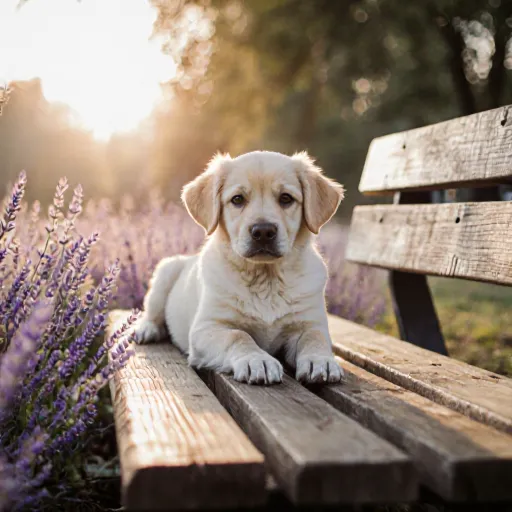
Calm Paws, Happy Hearts
Whispered Love: Calming Your Pup's Anxiety
Table of Contents
- Introduction
- Understanding Puppy Separation Anxiety
- Early Symptoms to Watch For
- Root Causes of Separation Anxiety
- Behavioral Signs in Different Situations
- Prevention Strategies Before They Start
- Training Basics for Calm Departures
- Positive Reinforcement Techniques
- Crate Training Tips to Build Confidence
- Environmental Enrichment Ideas
- Managing Short Absences Effectively
- Long-Term Solutions for Persistent Anxiety
- When to Seek Professional Help
- Conclusion
- FAQ
Introduction
Puppy separation anxiety (PSA) is a common behavioral issue that can manifest as destructive chewing, excessive barking, or even house soiling when a puppy is left alone. Recognizing the signs early and implementing consistent strategies can help your pup feel secure and reduce stress.
1. Understand the Root Causes
- Fear of Being Alone: Puppies often have an innate fear of being isolated from their litter or human family.
- Negative Associations: If a puppy has been left alone in a stressful environment (e.g., loud noises, unfamiliar smells), they may develop anxiety.
- Lack of Socialization: Limited exposure to new people, places, and sounds can make a puppy more reactive when separated.
2. Build Confidence Through Gradual Desensitization
The key to easing PSA is to teach your puppy that being alone is safe. Here’s a step-by-step method:
- Start Small: Leave the puppy in a confined space (e.g., a crate or a small room) for just 30–60 seconds while you are present.
- Increase Duration Gradually: Add a few minutes each day. If your puppy remains calm, extend the time by another 5–10 minutes.
- Use Positive Reinforcement: Offer treats or playtime immediately after you return to reward calm behavior.
- Incorporate “Stay” Commands: Teach basic obedience commands during these short separations to give the puppy a sense of control.
3. Create a Safe, Stimulating Environment
- Crate Training: A well-fitted crate can become a den-like safe space. Ensure it’s lined with soft bedding and includes an interactive toy.
- Background Noise: Leave a TV or radio on at low volume to mask external sounds that might trigger anxiety.
- Toys & Chews: Provide puzzle toys (e.g., Kongs) filled with peanut butter or wet food to keep your puppy occupied for longer periods.
4. Practice “Leave” Routines
Consistent routines help set expectations and reduce uncertainty:
- Goodbye Rituals: Keep farewells calm—avoid long hugs or high-energy play before leaving.
- Exit & Entry Timing: Walk out and back in at roughly the same times each day to establish predictability.
- “I’ll Be Back” Cue: Use a specific phrase (e.g., “See you later”) so your puppy associates it with your return.
5. Monitor Physical Health
An underlying medical issue can exacerbate anxiety symptoms. Schedule a vet check-up to rule out pain, hormonal imbalances, or other health concerns before focusing solely on behavioral training.
6. Seek Professional Help When Needed
If your puppy’s anxiety persists after several weeks of consistent training, consider consulting:
- Certified Dog Trainer: A professional can tailor a plan specific to your puppy’s needs.
- Veterinary Behaviorist: For severe cases, medication or advanced therapy may be recommended.
7. Practical Examples & Tips
Here are real-world scenarios and how to apply the above strategies:
| Scenario | Recommended Action |
|---|---|
| A puppy whines when left in a crate for more than 10 minutes. | Add a puzzle toy, keep the door open slightly, and practice short separations with treats. |
| Destructive chewing on furniture during your lunch break. | Give them a chew-resistant Kong filled with peanut butter before leaving; ensure they’re tired from a walk. |
| Bark and howl at night when you leave for work. | Gradually increase the duration of overnight stays while providing background noise (white noise machine). |
8. Long-Term Success
Consistency, patience, and positive reinforcement are your best tools. Over time, a puppy who once saw separation as a threat will learn to trust that you’ll always return—making life easier for both of you.
Understanding Puppy Separation Anxiety
Puppy separation anxiety (PSA) occurs when a young dog becomes overly distressed when left alone or separated from its primary caregiver. It can manifest as destructive chewing, excessive barking, pacing, and even attempts to escape.
Common Signs
- Barking or whining that doesn't stop once you return home.
- Destructive behavior (chewing furniture, digging).
- Attempting to escape from the house or crate.
- Lack of interest in food or play when alone.
Why Does It Happen?
Puppies are naturally social and rely heavily on their human family for safety. When abruptly separated, they may interpret the absence as a threat. Factors that contribute include:
- Early separation from mother or littermates.
- Inconsistent routine or unpredictable departures.
- Lack of mental stimulation while alone.
- Previous traumatic experiences (e.g., car rides, vet visits).
The goal is to make “being alone” feel safe and routine. Below is a practical guide you can adapt to your puppy’s personality.
1. Build a Positive Association with Leaving
- “Leave it” Ritual: Every time you leave, give the puppy a treat that they only get when you’re gone (e.g., a Kong stuffed with peanut butter). This turns departure into a reward.
- Gradual Exposure: Start by stepping away for 5‑10 seconds while your puppy watches. Gradually increase duration over weeks.
- Keep Departures Low‑Key: Avoid dramatic goodbyes; say “Bye‑bye” and leave calmly.
2. Create a Safe, Enriching Environment
- Crate or Puppy Playpen: Use a crate that feels like a den. Place familiar blankets and toys inside.
- Interactive Toys: Puzzle feeders (e.g., Kongs, Trixie) keep the mind busy for 30–60 minutes.
- Background Noise: Leave a TV or radio on low volume to mask outside noises that might trigger anxiety.
3. Establish a Predictable Routine
- Meal Times: Feed at the same times each day; this signals stability.
- Exercise Before Leaving: A short walk or play session helps burn excess energy that could fuel anxiety.
- Consistent Arrival and Departure Schedules: Avoid surprises—if you’re late, your puppy may feel uncertain.
4. Use “Empty‑Home” Training
Practice leaving the house with short intervals while you stay in a different room. The goal is to make the absence feel normal.
- Day 1–3: Leave for 5 minutes; return, reward, and repeat 2–3 times.
- Day 4–7: Increase to 10‑15 minutes. Keep the puppy engaged with a treat or toy.
- Week 2+: Extend to 20‑30 minutes, then gradually up to an hour as confidence grows.
5. Monitor and Adjust
- If the puppy shows signs of severe distress (e.g., persistent vomiting), pause training and consult a vet or certified behaviorist.
- Keep a log: note times, duration, and any behaviors to identify patterns.
Case Study 1 – Bella (6 weeks):
- Initial Behavior: Chewed shoes when left alone for 15 minutes.
- Training: Introduced a treat-filled Kong during short departures; increased leave time by 5 minutes each day.
- Outcome: Within 3 weeks, Bella tolerated 30‑minute absences without chewing.
Case Study 2 – Milo (10 months):
- Initial Behavior: Pacing and vocalizing for the first hour after owner left.
- Training: Implemented a “safe space” crate with favorite blanket; used puzzle toys during departures.
- Outcome: Milo’s pacing reduced to under 10 minutes within two months, and he began sleeping through the night.
- Use a “Buddy”: If you’re away for long periods, consider a dog walker or pet sitter to give your puppy company.
- Set Up a “Quiet Zone”:** Place the crate near a window so the puppy can see outside but feels protected.
- Short “Micro‑Breaks”: If you’re at work, leave a small treat or toy in an elevated spot for your pup to find during lunch.
If after several weeks of consistent training your puppy continues to exhibit extreme anxiety—such as self‑harm, severe vocalization, or inability to settle—you should consult a board‑certified veterinary behaviorist. They can assess for underlying medical issues and design a tailored treatment plan.
Puppy separation anxiety is common but manageable with patience, consistency, and the right tools. By turning departures into positive experiences, creating a safe environment, and gradually increasing alone time, you can help
Early Symptoms to Watch For
Puppy separation anxiety can manifest subtly at first, making it easy to overlook. By recognizing the early warning signs, you can intervene sooner and reduce your pup’s stress.
- Excessive Vocalization: A sudden increase in whining or barking when left alone, especially if the noise is louder than usual.
- Destructive Behavior: Chewing on furniture, doors, or shoes; scratching at windows; or digging where it’s not allowed.
- Pawing and Scratching at Entry Points: Persistent pawing or licking of doors, windows, or door frames in anticipation of a human leaving or returning.
- Excessive Salivation & Drooling: Especially when you approach the door or exit the house.
- Inappropriate Elimination: Urinating or defecating inside the house even after proper housetraining.
- Lack of Appetite: Noticeable decrease in interest in food during periods of solitude.
- Pacing & Restlessness: Constant pacing, turning in circles, or an inability to settle down when you’re not present.
- Hyperactivity Upon Return: Overly excited and frantic greeting behavior that can seem disproportionate to the duration of your absence.
Practical Tips for Early Intervention
-
Create a Safe Space:
Set up a cozy crate or a small room with familiar bedding, toys, and a piece of clothing that smells like you. This helps the puppy feel secure.
-
Gradual Desensitization:
- Step 1: Practice short departures (5–10 minutes) and return with a calm, neutral demeanor.
- Step 2: Increase the duration gradually over days or weeks, always ending on a positive note.
-
Use Interactive Toys:
Provide puzzle feeders or treat-dispensing toys that keep your puppy occupied while you’re away.
-
Establish a Routine:
Consistent feeding, walking, and bedtime schedules reduce uncertainty and help the puppy feel more predictable.
-
Employ “Leave‑Me-Not” Commands:
- "Stay": Teach your pup to stay in a specific spot until you return.
- "Wait": Encourage the puppy to wait for you before crossing thresholds.
-
Professional Guidance:
If symptoms persist or worsen, consult a certified dog behaviorist or trainer experienced with separation anxiety.
Early detection and proactive measures can transform your puppy’s experience of being alone, fostering confidence and reducing long-term anxiety.
Root Causes of Separation Anxiety
Understanding why your puppy develops separation anxiety is the first step toward effective treatment. Below are the most common triggers, illustrated with real-life scenarios and practical tips to help you identify and mitigate each cause.
2. Overprotective or Inconsistent Ownership
If owners frequently rescue the puppy from perceived threats, it learns that being left alone is dangerous.
- Example: A puppy jumps at a passing car and immediately returns to its owner’s side, believing leaving means danger.
- Practical Advice:
- Gradually increase the duration of short separations (e.g., 5 minutes in another room).
- Use a “goodbye” routine that is calm and consistent to reduce anxiety cues.
- Avoid rewarding frantic behavior; instead, reward calmness when you return.
3. Previous Trauma or Loss
Puppies that have experienced abandonment, a traumatic event, or the loss of a companion may develop heightened separation anxiety.
- Example: A rescue puppy who was left alone for days in an unfamiliar shelter shows signs of distress when its new owner leaves the house.
- Practical Advice:
- Create a safe, predictable environment with a designated sleeping area.
- Use calming aids such as anxiety vests or pheromone diffusers.
- Consider professional behaviorist guidance if symptoms persist.
4. Lack of Routine and Predictability
Puppies thrive on a structured schedule. Unpredictable meal times, walks, or bedtime can trigger anxiety.
- Example: A puppy that receives meals at irregular intervals may become stressed when the owner leaves for work.
- Practical Advice:
- Set a consistent feeding, walking, and sleeping schedule.
- Use timers or reminders to maintain regularity.
- Leave an interactive toy or puzzle feeder to occupy the puppy during short absences.
5. Genetics and Breed Predisposition
Some breeds are naturally more prone to separation anxiety due to their social nature or history of working closely with humans.
- Example: Border Collies, Golden Retrievers, and Labrador Retrievers often exhibit higher sensitivity to being left alone.
- Practical Advice:
- Provide ample mental stimulation (training sessions, scent work).
- Use enrichment activities that keep the puppy engaged during your absence.
- Consider a dog walker or pet-sitting service if you’re away for extended periods.
6. Environmental Factors
Changes in the home environment—new furniture, loud noises, or a busy household—can trigger anxiety.
- Example: A puppy that becomes agitated when the house is noisy due to construction outside.
- Practical Advice:
- Create a quiet, secure space with familiar bedding and toys.
- Use white noise machines or calming music to mask disruptive sounds.
- Gradually acclimate the puppy to new environmental changes through exposure and positive reinforcement.
7. Physical Health Issues
Puppies in pain or discomfort may misinterpret separation as a threat.
- Example: A puppy with a minor injury that feels uncomfortable when left alone will often whine or bark excessively.
- Practical Advice:
- Schedule regular veterinary check-ups to rule out underlying health problems.
- Use pain management protocols if prescribed by your vet.
- Monitor the puppy’s behavior for signs of discomfort and adjust care accordingly.
Quick Reference: Causes & First‑Line Interventions
| Cause | Key Indicator | Immediate Action |
|---|
Behavioral Signs in Different Situations
When a puppy experiences separation anxiety, its behavior can vary dramatically depending on the context and environment. Below are common signs observed in different situations, along with practical tips for owners to recognize and address them.
At Home When Left Alone
- Excessive barking or howling: The puppy may bark continuously, often without an obvious trigger. Try using a calm voice and a small, safe space to reduce overstimulation.
- Destructive chewing or digging: Chewing on furniture, shoes, or bedding can be a way to self-soothe. Provide appropriate chew toys and consider a puzzle feeder to keep them occupied.
- Pacing or circling: Repetitive movement patterns indicate anxiety. A short walk before leaving the house often helps reduce this behavior.
- Attempts to escape confinement: Trying to get out of a crate or kennel signals distress. Ensure that the crate is comfortable, with familiar bedding and a scent from a loved one.
In Public Settings
- Stiff or tense body posture: The puppy may appear rigid, ears pinned back, and tail tucked. Use a calm leash and give them time to acclimate gradually.
- Refusal to approach other dogs or people: Fearful avoidance can be misinterpreted as shyness. Encourage gentle interactions with trusted companions first.
- Excessive licking of paws or face: This is often a self-soothing behavior. Offer a calming treat or a chew toy to redirect the focus.
- Sudden darting away from stimuli: Quick movements away from loud noises or crowds indicate stress. Keep them on a short leash and use a harness that provides more control without causing discomfort.
At the Veterinarian’s Office
- Whining or crying: The puppy may vocalize more in a new environment. Bring familiar items (a blanket, toy) and consider using a pheromone diffuser.
- Attempting to escape the examination table: Anxiety can drive them to flee. Use a well-fitted harness and keep a calm tone while moving.
- Rapid breathing or panting: Signs of heightened stress are common. Offer reassurance and gently hold their paw if they allow it.
- Withdrawal or “freezing” behavior: The puppy may become motionless, avoiding eye contact. Give them space to reorient themselves before attempting further interaction.
At Family or Friend’s House
- Excessive barking at unfamiliar people: The puppy may bark as a defensive mechanism. Use positive reinforcement when they remain calm around new faces.
- Refusal to enter certain rooms: Avoiding specific areas can indicate fear of hidden stimuli. Gradually introduce them to the space with treats and praise.
- Increased drooling or salivation: This is a physiological response to anxiety. Offer a cool, damp cloth to soothe their mouth.
- Tendency to cling to the owner’s legs: The puppy may seek constant proximity. Encourage independent play with toys while still providing gentle reassurance.
During Sleep or at Night
- Frequent waking and pacing: The puppy may struggle to settle down. A consistent bedtime routine and a cozy crate can help.
- Scent-marking in the house: Urine marking around sleeping areas is a sign of insecurity. Clean thoroughly with enzymatic cleaners and avoid punitive measures.
- Snoring or breathing difficulties: Anxiety can cause shallow breaths. Monitor for signs of stress and consider consulting a vet if it persists.
How to Manage These Signs
- Create a predictable routine: Consistency in feeding, walks, and bedtime reduces uncertainty.
- Use positive reinforcement training: Reward calm behavior with treats or affection. Avoid punishing anxious actions.
- Gradual desensitization: Slowly expose the puppy to leaving the house for short periods, increasing time as comfort grows.
- Consider environmental enrichment: Puzzle toys, interactive feeders, and safe chew items keep their mind occupied.
- Seek professional help if needed: A certified dog behaviorist or a veterinarian can recommend medication or specialized training programs.
Prevention Strategies Before They Start
Separation anxiety is a common issue that can develop in puppies who have not yet learned to be comfortable alone. By implementing preventive strategies early on, you can reduce the likelihood of this problem and set your puppy up for a calm, confident adult dog.
1. Start with Short, Positive Alone Time
- Begin at home: Leave your puppy in a safe space (e.g., crate or playpen) while you step out of the room for just one minute. Gradually increase this time as they become more relaxed.
- Use “Leave Me” cues: Pair the cue with a treat so that the puppy associates your departure with something positive.
- Record progress: Keep a log of how long your puppy stays calm. Celebrate small victories to reinforce good behavior.
2. Create a Comfort Zone
A designated area that smells like you can be incredibly soothing. Place an item of clothing with your scent, or use a calming blanket, in the crate or playpen. This helps reduce stress during brief separations.
3. Build a Routine
- Consistent feeding times: Puppies thrive on predictability; regular meals help them feel secure.
- Scheduled play and exercise: A tired puppy is less likely to become anxious when left alone.
- Use a “go away” routine: Before you leave, perform a short, predictable sequence—e.g., fetch a toy, give a treat, say goodbye. This signals that your departure is temporary and routine.
4. Gradual Exposure to Quiet Time
If your puppy reacts strongly to being left alone in the house, try leaving them in a quiet room with no distractions (no music or TV). Over days, slowly extend this period while ensuring they have access to water and are not in distress.
5. Use Positive Reinforcement
- Treats for calm behavior: When your puppy stays relaxed during brief separations, reward them with a small treat or praise.
- “Stay” training: Teach “stay” in short bursts to build confidence and self-control.
6. Avoid Over-Excitement at Departures
High-energy goodbyes can reinforce anxiety. Keep departures calm—no loud waving or dramatic farewells. This signals that you’re not leaving forever.
7. Monitor and Adjust
If your puppy shows signs of distress (whining, pacing, destructive behavior) during brief separations, reduce the time they spend alone until they become more comfortable. Use a “safe space” that is familiar and secure.
8. Seek Professional Guidance Early
If you notice persistent anxiety symptoms—such as excessive barking or chewing after a short absence—it may be beneficial to consult a certified dog trainer or veterinary behaviorist before the issue escalates.
Practical Example: The “Five-Minute Test”
- Day 1: Leave your puppy alone for 2 minutes. Return, reward calmness with a treat.
- Day 2-3: Increase to 3 minutes. Continue rewarding.
- Day 4-5: Aim for 5 minutes. If the puppy shows signs of distress, revert to the previous successful duration and add a comfort item (e.g., your T-shirt).
- Repeat weekly until the puppy remains calm for at least 10–15 minutes.
By following these steps consistently, you can prevent separation anxiety from taking root in your puppy’s life. The key is early, gentle exposure combined with positive reinforcement and a predictable routine.
Training Basics for Calm Departures
Dealing with Puppy Separation Anxiety is a common challenge that many new dog owners face. The key to success lies in gradual desensitization, creating positive associations, and establishing consistent routines. Below are practical steps, examples, and tips to help your puppy feel secure when you’re away.
1. Start with Short “Goodbye” Sessions
- Pick a routine spot: Choose a safe area where the puppy will stay during departures (e.g., a crate, playpen, or designated corner).
- Keep it brief: Begin with 5–10 seconds of absence. Return immediately and reward calmly.
- Repeat consistently: Do this several times in a row before moving to longer intervals.
2. Use the “Empty Chair” Technique
This method helps your puppy associate your leaving with something positive rather than panic.
- Place a favorite toy or treat: Leave it on the chair where you usually sit when you leave.
- Say a short, neutral goodbye phrase: “I’ll be back soon.” Keep your voice calm.
- Walk away slowly: Do not create a dramatic exit. The puppy learns that leaving is routine and safe.
3. Create a “Departure Routine”
Consistency signals safety to your puppy. A predictable sequence reduces anxiety.
- Morning ritual: Feed, play for 5 minutes, then sit with the puppy on your lap before leaving.
- Nighttime routine: Offer a quiet cuddle or gentle massage, followed by a short walk outside to relieve stress.
4. Practice “Leave It” Commands
This command teaches your puppy self-control and confidence in your presence.
- Use high-value treats: Present a treat, say “leave it,” and wait for the puppy to pause.
- Reward immediately: Give another treat once they comply. Repeat until the puppy consistently ignores the initial treat when you command.
5. Gradual Increase in Time Away
Incrementally extend your departures to build resilience.
| Day | Departure Duration |
|---|---|
| 1-3 | 5–10 minutes |
| 4-6 | 15–20 minutes |
| 7-9 | 30 minutes |
| 10+ | 1 hour or more (if comfortable) |
6. Use “Safe Spaces” and Enrichment Toys
Providing a designated area with comforting items can mitigate anxiety.
- Crate training: If the puppy feels secure in a crate, leave it open with a blanket and a safe chew toy.
- Toys that dispense treats: Puzzle feeders or Kongs keep the mind engaged while you’re away.
7. Avoid Over-Rewarding Departures
Do not make leaving a big event. Keep the goodbye brief and low-key to prevent reinforcing anxiety.
8. Monitor Body Language
Look for signs of distress (whining, pacing, drooling). If you notice these during early training, reduce departure times and reinforce calm behavior before extending again.
9. Seek Professional Help if Needed
If separation anxiety persists despite consistent training, consult a certified dog trainer or veterinary behaviorist for advanced strategies.
Practical Tips Summary
- Keep departures short and consistent.
- Create a calm routine before leaving.
- Use positive reinforcement to build confidence.
- Gradually increase time away while monitoring stress cues.
- Provide safe, enriching spaces for the puppy to occupy.
By following these steps patiently and consistently, you’ll help your puppy develop a healthy sense of security, making “Calm Departures” a reality rather than a source of anxiety.
Positive Reinforcement Techniques
Positive reinforcement is the cornerstone of effective behavior modification, especially when dealing with a puppy’s separation anxiety. The goal is to teach your pup that being alone can be safe and even enjoyable by rewarding calm, independent behaviors. Below are detailed strategies, practical examples, and step‑by‑step instructions you can implement right away.
1. Gradual Desensitization with Rewarding Triggers
- Start Small: Begin by leaving the room for a few seconds while your puppy is in a safe, comfortable space (e.g., a crate or a small playpen). When you return, reward them immediately with a high‑value treat or a favorite toy.
- Increase Duration Gradually: Extend the time you’re away by 10–15 seconds each day. Keep rewards immediate and enthusiastic to reinforce that leaving doesn’t mean losing affection.
- Use “Go” Commands: Pair a simple cue such as “go” or “settle” with your departure, so the puppy associates the command with calm behavior during separation.
2. “Leave It” and “Drop It” Training
These commands help you control what your puppy is focused on when you’re not around.
- “Leave It”: Hold a treat in both hands. When the puppy attempts to take it, say “leave it.” Once they stop and look away, reward with a different treat from your other hand.
- “Drop It”: Offer a toy or a treat that the puppy loves. If they have it in their mouth, give them another treat only after you say “drop it” and they release the item.
3. Counter‑Conditioning with Comfort Items
- Crate or Bed: Place a blanket that smells like you in their crate or bed to create a familiar scent.
- Chew Toys: Provide long‑lasting chew toys (e.g., KONGs) stuffed with peanut butter, freeze-dried treats, or a small portion of your favorite food. The act of chewing becomes a calming activity that distracts from anxiety.
4. Interactive Puzzle Feeders
Puzzle feeders keep your puppy mentally engaged while you’re away.
- Select a puzzle feeder appropriate for the puppy’s size and skill level.
- Fill it with kibble or small treats, then place it in the crate or on a low table.
- Observe how long they spend working on the puzzle; this duration can be used as a baseline to gauge progress.
5. “First–Last” Routine
Create a consistent routine that signals departure and return, reducing uncertainty.
- First: Give a treat before you leave to signal that it’s okay to start the separation process.
- Last: When you come back, give another treat and use a specific phrase (e.g., “We’re back!”). This reinforces that returning is safe.
6. Short, Positive “Out of Sight” Sessions
Practice leaving your puppy in a different room for very short periods (1–2 minutes) while you’re present. Reward calm behavior each time they stay relaxed. Gradually increase the distance and duration.
7. Use of “Scented” Objects
If your puppy is anxious about your absence, leave an item that carries your scent (e.g., a worn T‑shirt) in their crate or bed. Studies show this can reduce cortisol levels and calm the dog.
8. Record a “Comfort Voice” Tape
- Record yourself speaking softly about activities you’ll do together (e.g., “We’re going for a walk soon!”).
- Play it during the initial separation periods to provide a familiar tone.
9. Consistent Reward Timing
Timing is critical: reward immediately after the desired behavior. This helps your puppy connect the action with the positive outcome, solidifying learning.
10. Keep Sessions Short and Frequent
Puppies have limited attention spans; aim for 5–10 minute sessions multiple times a day rather than one long session. Consistency builds confidence faster.
Practical Checklist
- Set up a safe, comfortable space with familiar scents.
- Choose high‑value treats and toys for rewards.
- Plan incremental leave times (e.g., 5 min → 10 min → 15 min).
- Use “leave it” and “drop it” to manage focus.
- Incorporate puzzle feeders or chew toys during separations.
- Maintain a calm, upbeat tone when leaving and returning.
- Track progress in a journal (time away vs. calmness level).
By combining these positive reinforcement techniques with patience and consistency, you’ll help your puppy develop the confidence to stay calm on their own. Over time, this foundation will reduce separation anxiety and lead to a happier, more relaxed companion.
Crate Training Tips to Build Confidence
When your puppy faces the challenge of being left alone, a well‑designed crate can become their safe haven—an emotional anchor that eases separation anxiety and fosters independence. Below are practical steps you can take to turn crate training into a confidence‑boosting experience for both you and your pup.
1. Choose the Right Crate
- Size matters: The crate should be large enough for the puppy to stand, turn around, and lie down comfortably but not so big that they can use one corner as a bathroom.
- Material options: Wire crates offer ventilation and visibility; plastic or fabric crates provide warmth and coziness. Consider your puppy’s temperament—some may feel more secure in a covered crate, while others prefer the openness of a wire design.
2. Make the Crate Inviting
- Add bedding: Use a soft blanket or a puppy‑safe mattress that feels like home.
- Include familiar scents: Place an item with your scent (e.g., worn shirt) inside to provide comfort.
- Treats and toys: Hide a few treats or a favorite chew toy to create positive associations.
3. Introduce the Crate Gradually
- Positive entry: Encourage your puppy with treats and praise when they step into the crate voluntarily.
- Short stays: Start with 1–2 minute sessions, then slowly increase the duration while keeping the experience pleasant.
- No punishment: Never use the crate as a form of discipline; it must remain a safe space.
4. Pair Crate Time With Calming Activities
- Quiet play: Let your puppy chew on a durable toy or engage in gentle tug before entering the crate.
- Background noise: Play soft music or leave the TV on to mask household sounds that might trigger anxiety.
5. Use a “Leave‑Me-Here” Command
Teach your puppy a simple cue (e.g., “Stay”) right before they go into the crate. This helps them associate the command with calm behavior and reduces the urge to escape when left alone.
6. Gradual Separation Practice
- Start small: Leave the puppy in the crate for a few minutes while you remain nearby, then gradually increase the distance.
- Return calmly: When you come back, keep your entrance low‑key—no high‑energy greetings that could overstimulate the pup.
- Consistency is key: Repeat these short sessions daily until your puppy shows calmness during longer absences.
7. Monitor and Adjust
Watch for signs of distress—whining, pacing, or attempting to escape. If anxiety spikes, reduce the crate time slightly and re‑build confidence before trying again. Over time, your puppy will learn that the crate is a place of safety, not punishment.
8. Transitioning Out of the Crate
- Uncrate routine: Open the door only after the puppy has settled down inside; avoid turning the crate into an instant reward.
- Reward calmness: Offer praise and a treat when they remain relaxed upon exit, reinforcing positive behavior.
9. Common Mistakes to Avoid
- Forcing the puppy in or out of the crate—this can create negative associations.
- Leaving the crate door open during training—maintain a closed environment until confident.
- Using the crate as punishment for accidents—always keep it a positive space.
10. Final Thought
Crate training is not just about containment; it’s a powerful tool to help your puppy develop self‑regulation and confidence. By creating a secure environment, pairing crate time with calming stimuli, and gradually increasing separation periods, you can transform the crate into a sanctuary that reduces anxiety and supports healthy independence.
Environmental Enrichment Ideas
Puppies are naturally curious and social animals. When left alone, they may feel scared or stressed, leading to destructive behaviors such as chewing, digging, barking, or marking territory. Environmental enrichment can help reduce anxiety by providing mental stimulation, physical activity, and a sense of security.
1. Create a Safe, Comfortable Space
- Crate or Playpen: Use a well‑ventilated crate or playpen with a soft blanket and a favorite toy. Keep it in a quiet corner or near the living area so your puppy feels included.
- Temperature & Lighting: Maintain a consistent temperature (68–72°F) and use low, indirect lighting to avoid overstimulation.
- Calming Aids: Consider a calming vest, pheromone diffuser, or a piece of your clothing with your scent for added comfort.
2. Mental Stimulation: Puzzle Toys & Training Games
- Puzzle Feeders: Use treat‑dispensing toys that require problem solving (e.g., KONG, Nina Ottosson puzzle). Start with easy levels and gradually increase difficulty.
- Scent Work: Hide small treats or a favorite toy in different spots of the room. Encourage your puppy to “find it” using their nose.
- Interactive Apps & Videos: Some dogs enjoy watching pet‑friendly videos on TV or using dog‑centric apps that trigger movement and sound.
3. Physical Exercise Before Leaving
- Short Walks or Play Sessions: A quick 10–15 minute walk or a game of fetch helps burn excess energy.
- Obstacle Course: Set up a mini agility course in the backyard with tunnels, cones, and jumps to engage both body and mind.
4. Gradual Desensitization Through “Leave‑Me” Training
- Start Small: Leave your puppy alone for a few minutes while you’re in the same room. Return immediately, then gradually increase duration.
- Use “Go to Bed” Commands: Teach them a cue like “go to bed” that signals it’s time to settle down.
- Reward Calm Behavior: Praise and give treats when your puppy remains calm during brief absences.
5. Background Noise & Sensory Cues
- White Noise Machines: Play soft white noise or a fan to mask outside sounds that might trigger anxiety.
- Music for Dogs: Classical music or playlists designed for dogs can lower heart rate and promote relaxation.
6. Social Enrichment: Companion Animals & Human Interaction
- Doggy Daycare or Playdates: Regular socialization with other puppies or adult dogs reduces loneliness.
- Family Involvement: Have family members spend short periods interacting with the puppy, reinforcing a sense of safety.
7. Consistent Routine and Predictability
- Meal & Walk Schedule: Stick to regular feeding times and walk routines so your puppy knows what to expect.
- Signal for Departures: Use a consistent cue (e.g., “I’m going out”) that indicates you’re leaving, helping them associate the sound with routine rather than panic.
8. Professional Guidance & Veterinary Support
- Behaviorist Consultation: A certified dog behaviorist can tailor a desensitization plan specific to your puppy’s needs.
- Medication Review: In severe cases, discuss with your vet whether anti‑anxiety medication or supplements (e.g., L‑tryptophan, melatonin) might be appropriate.
By combining these environmental enrichment strategies with consistent training and positive reinforcement, you can help your puppy feel secure even when you're not around. Patience and gradual exposure are key—over time, your pup will learn to relax and enjoy their own company.
Managing Short Absences Effectively
Puppy separation anxiety is a common issue that can manifest as frantic behavior, destructive chewing, excessive barking or even house soiling when the owner leaves for short periods. While it may seem overwhelming at first, there are practical steps you can take to help your puppy feel more secure and reduce stress during brief absences.
1. Start with a Gradual Leave‑It‑alone Routine
- Begin Small: Leave the puppy alone for just a minute or two while you’re still in the same room, then gradually increase the duration as they remain calm.
- Use a Consistent Cue: Pair the departure with a verbal cue (“Okay, I’m going”) and a brief goodbye ritual (e.g., a short pat on the head). This consistency helps the puppy associate the cue with a predictable outcome.
- Short, Positive Departures: Keep early departures brief—no more than 5 minutes—to avoid reinforcing anxious behavior.
2. Create a Safe and Stimulating Environment
- Comforting Spaces: Provide a cozy crate or a designated area with familiar bedding, a blanket that smells like you, and an interactive chew toy to keep them occupied.
- Background Noise: Leave a radio on low volume or use a white‑noise machine; the sound can mask household noises that might trigger anxiety.
- Rotate Toys: Keep a rotating selection of puzzle toys (e.g., Kongs filled with peanut butter) to maintain interest and prevent boredom.
3. Use “Leave‑Me-Not” Training Techniques
- “Touch” Command: Teach your puppy a simple touch or paw command that they perform before you leave, creating a sense of control.
- Rewarding Calmness: Praise and treat only when the puppy is calm during departures. This reinforces calm behavior as the desired outcome.
- “Goodbye” Ritual: Incorporate a short goodbye ritual that involves giving a treat or a brief cuddle before you leave, so they associate your departure with positive reinforcement.
4. Leverage Positive Reinforcement and Counter‑Conditioning
- Desensitization: Pair the sound of your keys or coat being put on with a treat. Gradually increase the intensity while maintaining calmness to change their emotional response.
- Rewarding Quiet Time: Use treats or praise for every period the puppy stays quiet and relaxed during your absence, gradually extending the reward interval.
5. Manage Your Own Stress Signals
- Stay Calm: Dogs pick up on human emotions. A calm, confident departure signals to your puppy that there’s nothing to worry about.
- Avoid Over‑Exaggerated Goodbyes: Long, dramatic farewells can amplify anxiety. Keep it brief and normal.
6. Consider Professional Support When Needed
- If the anxiety persists or worsens despite consistent training, consult a certified dog behaviorist or a veterinary professional for tailored guidance.
- A veterinarian may recommend safe, short‑term medications to help manage severe anxiety during the training phase.
Practical Checklist for Managing Short Absences
- Set up a secure, comfortable space with familiar items.
- Use a consistent departure cue and brief goodbye ritual.
- Leave engaging toys or treats to occupy the puppy.
- Practice short departures gradually increasing in length.
- Reward calm behavior consistently.
- Monitor body language for signs of distress (e.g., pacing, drooling).
- Seek professional help if anxiety escalates or doesn't improve.
By combining gradual exposure, a calming environment, and positive reinforcement, you can effectively reduce your puppy’s separation anxiety during short absences. Consistency, patience, and empathy are key—your puppy will learn that leaving for brief periods is safe and routine.
Long-Term Solutions for Persistent Anxiety
When your pup suffers from separation anxiety, the goal isn’t just to get them through a single episode but to build lasting confidence and resilience. Below are evidence‑based strategies that work over weeks, months, and even years.
1. Consistent Routine & Predictable Environment
- Fixed Schedule: Feed, walk, play, and bedtime at the same times each day. Dogs feel secure when they know what’s coming next.
- Safe Space: Create a designated “calm zone” (e.g., a crate or a cozy corner) with familiar bedding, toys, and a piece of your clothing to provide comfort.
- Gradual Exposure: Start by leaving the house for short periods (5–10 minutes) while you’re still nearby. Gradually increase the duration over several weeks.
2. Desensitization & Counter‑Conditioning
This is a stepwise approach that teaches your dog to associate departures with positive experiences.
- Departure Cues: Use a specific phrase (“I’m going out”) or action (putting on shoes) and pair it immediately with a treat or favorite toy.
- Low‑Intensity Sessions: Leave the house for just a few seconds, then return. Reward calm behavior.
- Progressive Increase: Slowly extend the time away while continuing to reward calmness. Aim for at least 30 minutes before you leave and 15 minutes after you return.
3. Positive Reinforcement Training
- “Stay” Command: Teach your dog to stay in a safe spot while you’re away. Use treats and gradually increase the distance.
- Reward Quietness: Whenever your pup remains calm during your departure, give a high‑value treat or a brief play session upon return.
4. Mental & Physical Stimulation
A tired dog is less likely to become anxious.
- Exercise: Provide at least 30–60 minutes of vigorous activity (walks, runs, fetch) before you leave.
- Cognitive Games: Puzzle toys, scent games, or “find the treat” hide‑and‑seek keep their mind occupied.
5. Use of Calming Aids
- Dog‑Specific Pheromones: Products like Adaptil diffusers release synthetic calming pheromones that can reduce anxiety.
- Thyroid Supplements & Herbal Remedies: Consult a vet for options such as L‑tryptophan or valerian root, but never self‑medicate.
- Music Therapy: Soft classical music or specially curated playlists can lower heart rate and soothe nerves.
6. Professional Guidance
If anxiety persists after consistent training, seek help from a qualified dog behaviorist or certified veterinary behavior consultant. They may recommend tailored plans or medication (e.g., SSRIs) as part of a comprehensive program.
7. Monitoring & Adjustment
- Keep a Journal: Note the duration of departures, your dog’s reactions, and any triggers. Patterns will emerge over time.
- Adjust Gradually: If anxiety spikes after an increase in departure length, step back one level and re‑train before advancing again.
Remember: long‑term success hinges on patience, consistency, and a willingness to adapt. Over weeks and months, your pup will learn that leaving isn’t a threat but simply part of the daily rhythm. With these strategies in place, you’ll both enjoy calmer, happier days together.
When to Seek Professional Help
If you’ve tried a variety of home-based strategies—such as creating a safe space, using interactive toys, and practicing short departures—and your puppy still shows intense signs of distress, it may be time to consult an expert. Below are clear indicators that professional intervention could make a significant difference.
1. Persistent or Escalating Symptoms
- Constant crying or whimpering: If your puppy is vocal for most of the day, especially during times you leave and return, it may signal deep anxiety that simple routines can’t alleviate.
- Destructive behavior: Chewing furniture, digging in bedding, or incessant scratching indicates frustration beyond normal teething or play.
- Excessive elimination: Urination or defecation inside the house when you’re away is a red flag that your puppy can’t cope with separation.
2. Physical Signs of Stress
- Pale gums, rapid breathing, or drooling: These are physiological responses to fear and should not be ignored.
- Lack of appetite or sleep disturbances: Anxiety can interfere with basic needs, affecting overall health.
3. Impact on Daily Life
If your puppy’s anxiety is interfering with training sessions, socialization opportunities, or even your own schedule (e.g., you’re unable to leave work because of the pup’s distress), professional help can streamline a recovery plan and restore harmony.
4. Failure to Respond to Home Remedies
When behavior doesn’t improve after consistent application of counter-conditioning, desensitization, or safe space creation for several weeks, it suggests that more advanced techniques—such as guided exposure therapy or pharmacological support—might be necessary.
5. You Notice Signs of Depression or Trauma
Puppies can develop depression-like symptoms: lethargy, loss of interest in toys, and withdrawal from human interaction. These may require a vet’s assessment to rule out underlying medical issues or to prescribe medication alongside behavior modification.
Choosing the Right Professional
- Certified Animal Behaviorist: Look for credentials like CBAB (Certified Behavioral Analysis for Animals) or AAVP (American Association of Veterinary State Boards).
- Licensed Veterinarian with a Focus on Behavioral Medicine: They can evaluate medical causes and prescribe medications if needed.
- Reputable Training Studio: Opt for trainers who use positive reinforcement methods and have experience with separation anxiety.
What to Expect During Professional Sessions
- Assessment: A thorough review of the puppy’s history, environment, and specific triggers.
- Behavioral Plan: Customized desensitization schedules, environmental modifications, and owner training.
- Follow‑up:
- Medication (if needed): In cases of severe anxiety, a vet may prescribe anxiolytics or antidepressants to support behavioral work.
Practical Tips While Working with a Professional
- Keep Consistent Routines: Stick to the schedule recommended by your professional to reinforce progress.
- Document Changes: Maintain a log of behaviors, triggers, and responses to gauge improvement.
- Be Patient: Behavioral changes can take weeks or months; celebrate small victories.
Remember that seeking professional help is not a sign of failure—it’s a proactive step toward ensuring your puppy grows into a confident, well-adjusted adult. Early intervention often shortens the recovery period and improves overall quality of life for both you and your furry friend.
Conclusion
Separation anxiety is a common hurdle for new puppy owners, but with patience and the right strategies you can help your little companion feel safe and confident even when you’re not around.
- Keep it brief: Begin by stepping out of the room for just a few seconds, then gradually extend the time as your puppy stays calm.
- Use a cue word: Pair the departure with a consistent phrase like “I’m going to the bathroom.” Over time, this cue will signal that you’ll return.
- Reward quietly: When you come back, give a treat and gentle praise—no loud celebrations. This keeps the association positive but low‑pressure.
- Choose a quiet corner or crate: Make it cozy with soft bedding, a favorite toy, and a piece of your clothing to provide familiar scent.
- Use “comfort items”: A blanket that smells like you or a t-shirt can act as a soothing anchor.
- Limit access during early training: Keep the puppy in its safe space only for short intervals to avoid overwhelming it.
- Practice “going out” rituals: Open the door, walk away, then return—all while staying calm and neutral.
- Leave toys or puzzles behind: Interactive chew toys or treat‑dispensing puzzles keep their focus on something positive.
- Record a short video of yourself leaving: Some puppies respond better to audio cues; play the clip before stepping out.
- Feed, walk, and play at set times each day so your puppy learns what to expect.
- Use a “departure” routine—like putting on shoes or grabbing keys—to signal that you’re leaving.
- A predictable schedule reduces anxiety because the puppy knows when you’ll return.
- When your pup sits quietly in its space, reward with a treat and gentle petting.
- Use “quiet” or “settle” commands to reinforce calmness; pair them with treats each time they comply.
- Acknowledge the progress—small victories build confidence faster than punitive measures.
- Don’t give in to frantic barking or whining by returning immediately.
- If you must leave, keep your exit low‑key: no dramatic hand waves or loud greetings.
- Ignore minor noises; only reward when the puppy is quiet and relaxed.
- Pet cameras with two‑way audio let you talk to your pup remotely, soothing them with your voice.
- Some smart feeders release treats at set times, providing a gentle distraction.
- Apps that play calming music or ambient sounds can mask the quiet of an empty home.
- If separation anxiety persists beyond a few weeks or escalates to destructive behavior, consult a certified dog trainer or veterinary behaviorist.
- A professional can design a customized desensitization plan and rule out medical issues that may mimic anxiety.
Practical Takeaway Checklist
- Start with 5‑second departures, increase gradually.
- Create a dedicated safe space with familiar scents.
- Use consistent departure cues and reward calm behavior.
- Maintain a predictable daily routine.
- Avoid reinforcing whining or barking with immediate returns.
- Consider tech aids like pet cams for extra reassurance.
- Reach out to professionals if anxiety doesn’t improve after several weeks.
By combining patience, consistency, and the right tools, you can help your puppy transition from a state of distress to one of secure independence—making those moments apart feel less daunting for both of you.
FAQ
What is puppy separation anxiety?
Puppy separation anxiety (PSA) is a behavioral issue that occurs when a young dog experiences distress or fear when left alone. Symptoms include excessive barking, howling, destructive chewing, inappropriate elimination, and attempts to escape.
When does it typically start?
PSA can emerge as early as 8–12 weeks old. Puppies who have been left alone for short periods during training or have had inconsistent routines are more prone to develop anxiety.
What are the root causes?
- Early separation: Leaving a puppy alone for long periods before they are fully socialized.
- Lack of routine: Inconsistent feeding, playtime, or walk schedules can create uncertainty.
- Negative associations: A previous traumatic event when left alone (e.g., a loud noise) may trigger anxiety.
- Genetics: Some breeds are more predisposed to anxiety disorders.
How can I recognize early signs of PSA?
Watch for:
- Excessive vocalization when you approach the door.
- Attempting to follow you into rooms or cabinets.
- Inappropriate elimination inside the house.
- Destructive chewing of furniture or bedding.
What immediate steps should I take if my puppy shows signs?
- Stay calm: Dogs pick up on owner anxiety; maintain a relaxed demeanor.
- Ignore excessive behavior: Avoid rewarding attention that stems from distress.
- Gradually desensitize: Practice leaving for short periods and gradually increase the duration.
- Provide enrichment: Use puzzle toys, treat-dispensing balls, or chew toys to keep them occupied.
Can training help reduce PSA?
Yes. A structured routine and positive reinforcement training can build confidence:
- Desensitization & counter-conditioning: Pair the door opening with a treat to create a positive association.
- Leave-and-return drills: Practice leaving for 5–10 seconds, then return. Gradually extend time as your puppy remains calm.
- Teach “stay” and “settle” commands: Use these to reinforce calm behavior before departure.
When should I involve a professional?
If symptoms persist beyond 4–6 weeks of consistent training or if the puppy displays extreme destructive behaviors, consult:
- A certified dog behaviorist.
- Your veterinarian (to rule out medical issues).
- Consider medication as a short-term aid in severe cases, under veterinary supervision.
Can I use crate training to help with PSA?
Crate training can be beneficial if introduced correctly:
- Positive association: Fill the crate with favorite toys, treats, and a blanket.
- Short stays: Start with 5–10 minute sessions while you’re nearby.
- Never punish in the crate: Use it as a safe space, not a punishment.
What role does exercise play?
Regular physical activity reduces overall stress and expends excess energy:
- Daily walks (15–30 minutes depending on breed).
- Interactive play sessions: fetch, tug-of-war, or obstacle courses.
- Mental stimulation: scent games, training sessions, or puzzle toys.
How can I make the home environment more comforting?
- Use calming aids: Consider pheromone diffusers (Adaptil), anxiety wraps, or soothing music.
- Create a safe zone: A quiet corner with their bed and familiar items.
- Maintain routine: Consistent meal times, walk schedules, and bedtime rituals help reduce uncertainty.
What are some practical tips for busy owners?
- Gradual departure practice: Even a 1‑minute absence can help build tolerance.
- Use technology: Pet cameras with two-way audio allow you to reassure your pup remotely.
- Hire a dog walker or pet sitter: Short, regular walks break up long alone periods.
Will my puppy eventually outgrow PSA?
Many puppies improve with consistent training and a supportive environment. However, some may carry mild anxiety into adulthood. Ongoing management—regular exercise, routine, and occasional refresher training—helps keep symptoms at bay.
Categories
- AI & Enrichment Play
- Broiler Farming
- Broiler Farming Tips
- Canine Wellness & Longevity
- Cat
- Cat & Human Connection
- Cat Adoption & Rescue
- Cat Breeds
- Cat Breeds & Personalities
- Cat Care & Health
- Cat Grooming & Hygiene
- Cat Lifestyle & Environment
- Cat Myths & History
- Cat Nutrition & Diet
- Cat Products & Reviews
- Cat Training & Behavior
- Comparison
- Consumer Awareness
- Dog
- Dog Accessories & Products
- Dog Adoption & Rescue
- Dog Breed & Lifestyle Trends
- Dog Breeding & Puppies
- Dog Entertainment & Media
- Dog Fashion & Trends
- Dog Fun & Lifestyle
- Dog Grooming & Hygiene
- Dog History & Culture
- Dog Myths, Science & Future Tech
- Dog News & Trends
- Dog Nutrition & Food
- Dog Psychology & Emotions
- Dog Safety & Security
- Dog Sports & Activities
- Dog Technology & Innovation
- Dog Training for Modern Owners
- Dog Travel & Adventure
- Dog Travel, Adventure & Culture
- Economic and Market Insights
- Educational Content
- FAQs
- Feeding Alternatives
- Festivals & Seasonal Ideas
- Fun & Entertainment
- General Knowledge
- General Pig Farming
- Health & Disease Management
- Housing and Environment
- Kittens
- Market Insights
- Miscellaneous
- Miscellaneous
- Motivational
- pig
- Pig Breeding
- Pig Breeds
- Pig Farming Stories and Inspiration
- Pig Health and Care
- Pig Nutrition
- Pig Products
- Profitability & Business
- Puppy Care
- Puppy Predictable Topics Reinvented
- Regional Focus
- Rescue & Adoption Buzz
- Senior Cats
- Senior Dog Care
- Smart Dog Tech & Gadgets
- Sustainability
- Sustainable & Eco-Friendly Dog Products
- Tech & Innovations
- Working & Service Dogs
- Broiler Feed66 products
- Country Feed33 products
- Pig Feed66 products
- Product22 products
- Raw Materials99 products
Products
-
 Fish Meal
₹1,999.00 – ₹2,999.00Price range: ₹1,999.00 through ₹2,999.00Rated 0 out of 5
Fish Meal
₹1,999.00 – ₹2,999.00Price range: ₹1,999.00 through ₹2,999.00Rated 0 out of 5 -
 FATTENING BROILER FEED
₹2,299.00 – ₹2,349.00Price range: ₹2,299.00 through ₹2,349.00Rated 0 out of 5
FATTENING BROILER FEED
₹2,299.00 – ₹2,349.00Price range: ₹2,299.00 through ₹2,349.00Rated 0 out of 5 -
 LAYER COUNTRY FEED
₹1,549.00 – ₹1,649.00Price range: ₹1,549.00 through ₹1,649.00Rated 0 out of 5
LAYER COUNTRY FEED
₹1,549.00 – ₹1,649.00Price range: ₹1,549.00 through ₹1,649.00Rated 0 out of 5 -
 COUNTER BROILER FEED
₹1,199.00 – ₹1,299.00Price range: ₹1,199.00 through ₹1,299.00Rated 0 out of 5
COUNTER BROILER FEED
₹1,199.00 – ₹1,299.00Price range: ₹1,199.00 through ₹1,299.00Rated 0 out of 5 -
 LACTATING PIG FEED
Rated 0 out of 5
LACTATING PIG FEED
Rated 0 out of 5₹2,299.00Original price was: ₹2,299.00.₹1,740.00Current price is: ₹1,740.00. -
 Maize
Rated 0 out of 5
Maize
Rated 0 out of 5₹1,650.00Original price was: ₹1,650.00.₹1,300.00Current price is: ₹1,300.00. -
 GESTATION PIG FEED (Phase 1)
Rated 0 out of 5
GESTATION PIG FEED (Phase 1)
Rated 0 out of 5₹2,249.00Original price was: ₹2,249.00.₹1,699.00Current price is: ₹1,699.00. -
 Pre Starter Broiler Feed
₹2,399.00 – ₹2,499.00Price range: ₹2,399.00 through ₹2,499.00Rated 0 out of 5
Pre Starter Broiler Feed
₹2,399.00 – ₹2,499.00Price range: ₹2,399.00 through ₹2,499.00Rated 0 out of 5 -
 FINISHER PIG FEED
Rated 0 out of 5
FINISHER PIG FEED
Rated 0 out of 5₹2,299.00Original price was: ₹2,299.00.₹1,749.00Current price is: ₹1,749.00. -
 Broiler Premix
Rated 0 out of 5
Broiler Premix
Rated 0 out of 5₹820.00Original price was: ₹820.00.₹699.00Current price is: ₹699.00.
1. Lack of Early Socialization
Puppies that haven’t had varied exposure during their critical socialization window (between 3–12 weeks) often become fearful when left alone.