
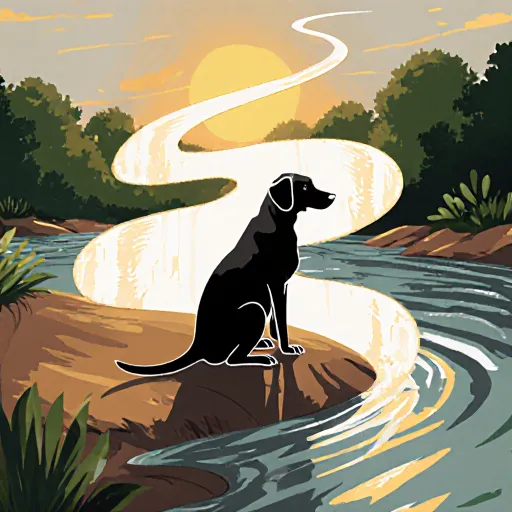
Protect Paws, Ride the Flow
Whispering Waves: Innovative Ways to Shield Your Dog from River Risks
Table of Contents
- Introduction
- Understanding Water Hazards for Dogs
- Choosing Safe Lakes and Rivers
- Pre‑Trip Preparation Checklist
- Proper Leash Management Near Water
- Training Your Dog for Calm Behavior Around Water
- Using Life Jackets and Floatation Devices
- Recognizing Signs of Distress in Dogs
- Emergency Rescue Procedures
- First Aid for Water‑Related Incidents
- Post‑Trip Care and Recovery
- Legal and Environmental Considerations
- Community Resources and Support Groups
- Conclusion
- FAQ
Introduction
Keeping Dogs Safe Around Lakes and Rivers
When you’re out exploring natural water bodies with your canine companion, safety should be the top priority. Even calm lakes and seemingly gentle rivers can pose serious risks if you don’t take a few precautions. Below are practical tips, real‑world examples, and actionable advice to help you keep your dog safe while enjoying aquatic adventures.
- Swimming Ability: Not all dogs are natural swimmers. Even breeds that look built for water (like Labradors or Golden Retrievers) can panic if they’re suddenly submerged. Before heading to a lake, practice swimming in a shallow pool with a life vest.
- Physical Condition: Older dogs, puppies, and those with joint issues may tire quickly. Keep sessions short and monitor for signs of exhaustion (heavy panting, lagging behind).
Dog life jackets are available in many styles—bandanas, harnesses, or full-body vests. Choose one that fits snugly but allows free movement. Test it in shallow water before letting your dog dive.
"We had a Labrador who slipped on the rocks and nearly sank. The life jacket kept him afloat until we could pull him out." – Jane D., Lakeview Park
- Depth: Shallow water is safer for beginners. Avoid deep sections where currents or sudden drops can catch your dog off guard.
- Currents and Waves: Even a calm river can have hidden eddies. Watch the water’s surface; ripples often signal stronger flow beneath.
- Temperature: Cold water can lead to hypothermia in dogs, especially small breeds or those with short coats. Test water temperature before letting your dog jump in.
Commands like “stay,” “come,” and “leave it” are lifesavers when a dog gets distracted by fish, debris, or other animals. Practice them in a controlled environment before the lake trip.
- Map the Area: Identify safe entry points, potential hazards (like submerged rocks), and the nearest exit route.
- Set a Time Limit: Plan to leave before sunset unless you have adequate lighting. A sudden darkness can disorient both you and your dog.
- Carry fresh water for both of you. Dogs can get dehydrated quickly, especially in warm weather.
- Use sunscreen on exposed skin areas—some dogs are prone to sunburn on ears, noses, and paws.
Keep a first‑aid kit that includes bandages, antiseptic wipes, and an emergency whistle. Know the nearest veterinary clinic or animal rescue center. In case of a rescue scenario, have a plan for retrieving your dog safely—rope, flotation device, or even a boat if available.
A family with a mixed‑breed dog visited Willow Creek during the summer. Their dog slipped into a shallow bend and was caught by a sudden current. Because the owner had trained their dog to respond to “come” and wore a life jacket, they were able to retrieve the pup within minutes without injury.
Enjoying lakes and rivers with your dog can be an unforgettable experience—provided you’re prepared. By understanding your dog’s capabilities, using proper gear, monitoring water conditions, and having a clear emergency plan, you can ensure that both of you return home safe and happy.
Understanding Water Hazards for Dogs
While many dogs love swimming and enjoy a refreshing dip in lakes or rivers, water bodies can pose serious risks if owners are not prepared. Below is a comprehensive guide that breaks down the main hazards, real‑world examples, and actionable steps you can take to keep your dog safe.
1. Natural Hazards
- Currents & Tides: Even calm looking water can hide strong currents. Dogs with low swimming ability can be swept away quickly.
- Cold Shock: Sudden immersion in cold water (below 60°F / 15°C) can trigger a gasp reflex, leading to drowning before the dog has time to recover.
- Hidden Obstacles: Rocks, submerged logs, and sudden drop-offs can injure or trap dogs. In rivers, sharp bends may conceal fast‑moving water.
2. Human‑Related Hazards
- Improper Supervision: A dog left unattended for a few minutes can become disoriented and lose its way back to shore.
- Inadequate Training: Dogs that have never been taught to come when called are at higher risk of staying in dangerous areas.
- Over‑excited Behavior: Excessive barking or frantic swimming can exhaust a dog, making it vulnerable to hypothermia.
3. Health Risks from Water Quality
- Parasites & Bacteria: Lakes may harbor Giardia, leptospirosis, and other pathogens that can be transmitted through water or contaminated food.
- Algal Blooms: Some blooms release toxins that cause vomiting, seizures, or even death in dogs.
4. Practical Safety Checklist
- Pre‑Visit Preparation:
- Check local advisories for water quality and current conditions.
- Ensure your dog’s vaccinations are up to date, especially leptospirosis if traveling to high‑risk areas.
- Bring a life jacket designed for dogs (see Life Jackets). Even strong swimmers should wear one in unfamiliar waters.
- On the Spot:
- Always keep your dog on a leash or use a tether if you are not confident in their swimming ability.
- Use verbal cues (“Come”, “Stay”) and treat rewards to reinforce recall even when excited.
- Limit the time spent in deep water; start with shallow, calm sections and gradually increase exposure.
- Post‑Swim Care:
- Rinse your dog with fresh water to remove chlorine or algae residues.
- Inspect for cuts, abrasions, or signs of distress (labored breathing, lethargy).
- Dry the coat thoroughly and provide a warm environment if temperatures are low.
5. Real‑World Example: The “River Rescue” Incident
In early spring, a Labrador named Max fell into a swift river while chasing a duck. Despite being an excellent swimmer, the current pulled him downstream. His owner realized too late that Max was in danger and called 911. The local volunteer rescue team arrived within minutes, but Max suffered from hypothermia and required hospitalization for several days.
Key takeaways:
- Never let a dog swim without supervision.
- Know the water depth and current speed before letting your pet enter.
- Keep emergency contact numbers handy (e.g., local animal rescue, vet clinics).
6. Choosing the Right Dog Life Jacket
| Feature | Why It Matters |
|---|---|
| Floatation Material (Foam vs Air) | Foam offers consistent buoyancy; air can compress in waves. |
| Fit & Adjustability | A snug fit prevents slipping off during sudden movements. |
| Visibility (Bright Colors) | Helps rescuers spot your dog from a distance. |
| Comfort Padding | Smooths against skin to avoid chafing during long swims. |
7. Training Tips for Water Safety
- Start with shallow water and reward calm behavior.
- Use a floating toy to encourage voluntary swimming.
- Practice recall commands both in and out of the water.
- Gradually increase exposure time while monitoring signs of fatigue.
By understanding these hazards, staying vigilant, and preparing adequately, you can ensure that every lakeside or riverside adventure with your dog is safe and enjoyable. Remember: prevention is always better than emergency rescue.
Choosing Safe Lakes and Rivers
When planning a day out with your dog near a body of water, selecting the right location can make all the difference. A safe spot not only reduces risks but also enhances the experience for both you and your pet.
1. Research Local Regulations and Guidelines
- Check leash laws: Some lakes enforce leash requirements near shorelines or in designated dog‑friendly zones, while others allow off‑leash play only during specific hours.
- Look for “dog‑only” beaches: Many state and national parks designate certain areas exclusively for dogs. These spots often have well‑maintained paths and ample shade.
- Ask the visitor center or park ranger about seasonal restrictions—e.g., during nesting periods, some wildlife areas prohibit pets to protect local fauna.
2. Evaluate Water Quality and Current
Even if a lake looks inviting, hidden hazards can lurk beneath the surface:
- Water clarity: Clear water typically indicates fewer pollutants and a lower chance of accidental drowning due to unseen currents.
- Current speed: Shallow lakes with gentle waves are safer for novice swimmers. For rivers, identify the “quick‑sand” zones—areas where sand is constantly moving underfoot, which can be dangerous for dogs that slip and get stuck.
- Temperature: Cold water can cause hypothermia quickly. Test a few feet of depth with your hand or a small splash before letting your dog dive in.
3. Inspect the Shoreline for Hazards
- Sharp rocks and cliffs: Even a shallow area can hide jagged stones that could tear a paw or cause lacerations.
- Hidden holes and pits: Look for sudden drops in the shoreline; dogs may inadvertently step into them while chasing birds or fish.
- Vegetation density: Dense reeds can be difficult to navigate, especially if your dog is on a leash. In some cases, thick vegetation can also trap small animals like snakes or rodents.
4. Check for Dog‑Friendly Facilities
A good lake or river spot often comes with amenities that make the outing smoother:
| Facility | Why It Matters |
|---|---|
| Pet Waste Stations | Helps keep the area clean and reduces odor. |
| Water Fountains or Pet‑Friendly Wash‑Off Stations | Allows you to rinse off chemicals or sand before leaving. |
| Benches & Picnic Areas | Provides a place for you and your dog to rest without worrying about stray animals. |
5. Consider the Time of Day and Weather Conditions
Even the safest lake can become hazardous under certain conditions:
- Early morning or late afternoon: These times often have calmer waters, cooler temperatures, and fewer human crowds.
- Storms or high winds: Strong currents and sudden waves can catch even experienced swimmers off guard.
- Heatwaves: Over‑exposure to sun can lead to heatstroke. Bring shade (a pop‑up tent or a large umbrella) for both you and your dog.
6. Gather Community Insight
Local dog owners are often the best source of real‑time information:
- Join online groups or forums: Many communities have dedicated Facebook pages or subreddits where members share tips about safe spots.
- Attend local “Dog Days” events: These gatherings usually highlight dog‑friendly water bodies and provide on‑site safety briefings.
7. Make a Checklist Before You Go
A quick pre‑trip checklist ensures you’re prepared for any scenario:
- Leash, collar, or harness (depending on the rules)
- Doggy life jacket (especially for larger breeds or those not strong swimmers)
- Water bowl and plenty of fresh water
- Towel for drying off after swimming
- First‑aid kit with basic supplies (bandages, antiseptic wipes, tweezers)
- Trash bags for waste removal
By carefully selecting a lake or river that meets these safety criteria and equipping yourself with the right gear, you can enjoy a worry‑free day by the water with your canine companion.
Pre‑Trip Preparation Checklist
Before you head out to a lake or river with your canine companion, take the time to plan and prepare. A well‑structured checklist helps ensure that both you and your dog stay safe, healthy, and ready for an enjoyable adventure.
-
Know the Waterway
- Research the area: Check local wildlife advisories, water quality reports, and any recent news about flooding or pollution.
- Check regulations: Some lakes have specific rules for dogs—no leash zones, restricted entry times, or mandatory clean‑up requirements. Verify these on the park’s website or by calling the ranger station.
-
Assess Your Dog’s Health
- Vaccinations: Keep rabies, distemper, and hepatitis up to date. Some lakes require proof of vaccination for entry.
- Parasite protection: Apply tick‑repellent or flea treatment 24–48 hours before the trip; freshwater environments can harbor ticks that carry Lyme disease.
- Medical conditions: If your dog has heart, joint, or respiratory issues, consult a vet about water activities and bring any necessary medication.
-
Safety Gear
- Leash & harness: A sturdy 4–6 ft leash (or a retractable one for small dogs) keeps your dog within reach. Use a harness that distributes pressure evenly and has a quick‑release clip.
- Life jacket: For inexperienced swimmers or large breeds, a canine life jacket rated for the dog’s weight is essential. Make sure it fits snugly but comfortably—no chafing or slipping.
- First aid kit: Include bandages, antiseptic wipes, tweezers (for tick removal), and a copy of your vet’s emergency contact information.
-
Hydration & Nutrition
- Water: Bring at least 1 liter per dog per hour of activity. A collapsible bowl or a portable water bottle with a built‑in dispenser works well.
- Food: Pack light, high‑energy snacks (e.g., beef jerky, commercial treats) and consider a small portion of wet food if you plan to stay for several hours.
-
Behavior & Training
- Recall training: Practice “come” in a low‑distraction environment before heading to the water. This is vital if your dog ventures too far from you.
- Water confidence: If your dog has never been in a lake or river, start with shallow areas and gradually increase depth. Use treats and praise to build positive associations.
-
Environmental Protection
- Leave no trace: Carry a bag for dog waste and dispose of it in designated bins or carry it out if none are available.
- Avoid feeding wildlife: Dogs can unintentionally harm local fauna by eating fish, amphibians, or insects. Keep them on a leash to prevent accidental hunting.
-
Emergency Preparedness
- Know the exit points: Identify multiple ways to leave the water area quickly in case of sudden weather changes or dog distress.
- Cell phone & GPS: Keep your phone charged and consider a portable charger. If you’re venturing into remote areas, carry a small satellite messenger for emergencies.
-
Documentation
- Permit or pass: Some parks require an entrance fee or special dog permit. Bring proof of payment and any required documentation.
- Vaccination record: Keep a copy in your wallet or on your phone for quick access if requested by park staff.
-
Post‑Trip Check
- Inspect your dog: Look for signs of injury, parasites, or waterborne illness. Pay attention to any changes in behavior or appetite.
- Clean up gear: Rinse off the life jacket, leash, and any equipment that came into contact with lake or river water to prevent mold or bacterial growth.
By following this comprehensive pre‑trip preparation checklist, you’ll help guarantee a safe, fun, and responsible experience for both you and your dog around lakes and rivers.
Proper Leash Management Near Water
Water bodies such as lakes, rivers, ponds, and even the ocean present unique hazards for dogs. Even if a dog has never been in water before, it can quickly become disoriented or panic when faced with currents, waves, or slippery rocks. Proper leash management is the first line of defense that keeps your pup safe while still allowing them to enjoy the fresh air and scenery.
Why Leash Management Matters Near Water
- Prevents accidental entry: A quick slip or a sudden splash can pull an untrained dog into deeper water.
- Controls the pace of exploration: Dogs often run toward water when they see it. A leash keeps them from darting straight into potentially dangerous spots.
- Reduces stress for owners: Knowing your dog is within reach lets you focus on enjoying the walk instead of constantly monitoring a free‑roaming animal.
Practical Leash Management Techniques
- Use a short leash (4–6 feet): A shorter tether gives you tighter control and less chance of the dog pulling toward water. For breeds that are strong pullers, consider a harness or a head halter to reduce strain on your hand.
- Maintain eye contact: Keep your dog’s gaze focused on you by using verbal cues like “look” or “watch me.” This helps the dog stay aware of its surroundings and prevents it from being distracted by ripples, fish, or wildlife.
- Leverage natural barriers: Position yourself so that trees, rocks, or a fence block direct access to the water. If you’re on a trail that runs along a riverbank, stay on the side opposite the current.
- Use a “no-go” line: Mark an invisible boundary with a long leash or a piece of rope tied to a tree. Train your dog to stop when it reaches this point using a clear command like “stop.”
Situational Examples
| Scenario | Recommended Leash Strategy | Potential Hazard |
|---|---|---|
| Walking near a calm lake on a sunny day. | Short leash (4 ft), keep the dog within 10 feet of the shore. Use a harness if the dog tends to pull. | Sudden splash or wind gust causing the dog to run toward the water. |
| Riverbank with a strong current. | Very short leash (2–3 ft), stay on the side of the bank opposite the flow. Keep the dog’s head up and eyes forward. | Dog accidentally stepping into moving water or slipping onto rocks. |
| Pond with shallow edges and floating debris. | Medium leash (6 ft) but keep it tight. Watch for slippery patches; use a leash to pull back if the dog lurches forward. | Dog stepping into deeper water or getting stuck in weeds. |
Advanced Tools and Accessories
- Retractable leashes with built‑in safety locks: These allow a longer reach while still letting you lock the leash at a specific length.
- Water‑proof harnesses: Designed to keep dogs dry and comfortable if they get splashed.
- Leash anchors: Small, portable stakes that can be clipped onto a dog’s collar for added security on uneven terrain.
Training Tips Before the Trip
- Practice the “stay” and “come” commands in a safe indoor environment. Reinforce them with treats and praise.
- Gradually expose your dog to water sounds and sights during walks—start at a distance, then move closer as comfort increases.
- Teach the dog to keep its nose away from water by rewarding it for staying on the path.
What to Do If Your Dog Falls Into Water
- Pull back gently but firmly—do not yank, as this can cause panic or injury.
- If the dog is in a safe spot (e.g., shallow water), help it onto a nearby rock or board with your hand while keeping the leash taut.
- Check for signs of distress: rapid breathing, whimpering, or frantic paddling. If you suspect drowning, call for emergency assistance immediately.
By combining short leashes, consistent training, and situational awareness, you can enjoy the beauty of lakes and rivers with your dog while keeping both of you safe from water‑related hazards.
Training Your Dog for Calm Behavior Around Water
Water can be a powerful source of excitement and curiosity for dogs, especially when they see other animals or people splashing in lakes, rivers, or pools. If left unchecked, this natural enthusiasm can lead to dangerous situations such as running into deep water or chasing after strangers. By teaching your dog calm behavior around water, you not only protect them from drowning but also create a safer environment for everyone on the shore.
1. Start with Basic Obedience in Dry Conditions
Before exposing your dog to any body of water, ensure they reliably respond to core commands: sit, stay, come, and leave it. These will be the foundation for controlling their behavior near lakes and rivers.
2. Introduce Water in a Controlled Setting
Example: The “Shallow Pool Drill”
- Find a shallow, calm pool (e.g., a backyard pond or a lake with a sandy beach). Make sure the water depth is less than your dog’s height.
- Ask your dog to sit at the edge. Offer a treat for staying calm.
- Gradually move closer to the water while keeping them in a stay. If they become excited, gently pull back and reward calmness.
- Once they’re comfortable, practice walking along the shoreline with the leash short but slack enough for movement.
3. Use Positive Reinforcement to Build Calm Confidence
- Reward your dog for approaching water slowly: “Good boy!” followed by a treat or a favorite toy.
- If they try to jump in, calmly say “no” and gently redirect them with a leash tug. Reward them again when they comply.
- Repeat this process until your dog learns that calm behavior earns praise and treats, while impulsive actions do not.
4. Practice the “Leave It” Command Near Water
This command is critical for preventing dogs from chasing after fish, other animals, or strangers near the water’s edge.
- Hold a treat in your closed fist and say “leave it.” If the dog stops trying to get the treat, reward them with another treat from your hand.
- Move the closed fist closer to the shoreline while keeping the command consistent. The goal is for the dog to stay calm even when the temptation of water or other animals increases.
5. Teach “Come” with a Rewarding Recall Game
A reliable recall is lifesaving if your dog runs toward water unexpectedly.
- On a long leash, call your dog’s name and say “come.” When they return, give them an enthusiastic reward.
- Increase the distance gradually: from the house to the yard, then to a nearby park, and finally to a lake edge.
- Practice in different environments—windy days, crowded beaches—to ensure consistency.
6. Use Water-Related Training Tools
- Floatation vests: For dogs that are still learning to stay calm near water, a properly fitted vest can provide confidence and safety.
- Water-safe toys: Floating balls or interactive toys keep your dog engaged without encouraging them to chase after strangers.
7. Monitor Body Language and Signs of Overstimulation
Dogs often show subtle signs before they become overly excited: tail wagging, ears pinned back, increased heart rate. Recognize these cues early and use a calming command or distraction to bring them back to focus.
8. Maintain Regular Exercise and Mental Stimulation
A tired dog is less likely to overreact around water. Daily walks, puzzle toys, and play sessions help expend excess energy that might otherwise manifest as impulsive behavior near lakes and rivers.
9. Keep Your Dog Updated on Health and Fitness
- Regular vet check-ups ensure your dog is fit for swimming or running along the shoreline.
- Make sure vaccinations, especially against rabies, are current to protect both your dog and wildlife.
10. Safety Checklist for Water Activities
- Leash Policy: Keep the leash short (1–2 ft) near busy beaches; allow a longer leash or off-leash only in designated safe zones.
- No Dog Zones: Respect “no dog” signs near wildlife habitats, boat launches, and fishing spots.
- Buddy System: Never leave your dog unattended on the water’s edge. Have a friend or family member keep an eye on them.
- Emergency Preparedness: Carry a first-aid kit for pets and know the nearest veterinary clinic in case of accidental drowning or injury.
By systematically applying these training steps, you help your dog develop calm, controlled behavior around lakes and rivers. This not only protects them from potential hazards but also enhances their enjoyment of water-based activities—making every shoreline visit safer and more enjoyable for everyone involved.
Using Life Jackets and Floatation Devices
When you’re heading out on a lake or river with your dog, the first thing you need to consider is water safety equipment. Even calm waters can be deceptive: currents, sudden waves, and temperature drops can quickly turn an enjoyable outing into a dangerous situation. Here’s how to choose the right gear, properly fit it, and use it effectively.
1. Selecting the Right Device
- Dog Life Jackets (DLSs): These are specifically designed for pets and come in various sizes (XS–XL). Look for a jacket that has:
- A flotation rating of at least 5 lbs per inch of body length.
- Two or more fastening points so you can secure additional gear (e.g., a leash, a rescue harness).
- Breathable fabric and a smooth, non‑slip surface to keep your dog comfortable.
- Floatation Vests: If you plan to swim with your dog or need extra buoyancy for rescue purposes, choose a vest that:
- Is rated for the dog’s weight class (light, medium, heavy).
- Includes a quick‑release buckle in case of emergency.
- Has reflective strips for visibility during dusk or dawn.
- Leash Attachments: Many life jackets come with built‑in leash loops. If not, attach a quick‑release clip near the chest area to keep your dog from drifting away.
2. Proper Fitting Techniques
- Measure Your Dog: Use a tape measure at the widest part of the chest (behind the front legs). Record length and width in inches or centimeters.
- Check Size Charts: Match your measurements to the manufacturer’s chart. If you’re between sizes, choose the larger one for safety.
- Buckle Position: Fasten the jacket so that it sits snugly against the chest but allows a finger’s width of slack around the belly to prevent choking.
- Test Mobility: Let your dog walk, sit, and stretch. The jacket should not impede movement or cause excessive heat buildup.
3. Using Floatation Devices in Practice
- Pre‑Trip Checks:
- Inspect the jacket for tears, loose stitching, or missing buckles.
- Verify that all straps are secure and the leash attachment is functional.
- Check that reflective strips are clean and not obstructed.
- During Water Activities:
- Always keep your dog within sight. Use a visible, brightly colored leash to avoid losing track in murky water.
- If you’re on a boat or raft, secure the jacket with a quick‑release clip to a fixed point so it doesn’t drift away.
- Encourage calm behavior: use treats and verbal praise to keep your dog relaxed. Avoid forcing them into the water if they’re nervous.
- Emergency Scenarios:
- If a dog starts to struggle, calmly pull on the leash attachment or use a rescue harness to guide them back toward shore.
- In cold water, keep your dog wrapped in an extra layer of waterproof fabric or a thermal blanket while you help them out.
- After rescue, dry the jacket thoroughly and store it in a cool, shaded area to maintain buoyancy integrity.
4. Maintenance Tips
- Rinse with Fresh Water: After each use, rinse the jacket with clean water to remove chlorine or salt residue.
- Dry Properly: Hang the device in a well‑ventilated area away from direct sunlight. Avoid using a dryer, which can degrade foam.
- Inspect for Wear: Check the buoyant core and seams every month. Replace any jacket that shows signs of compression or water damage.
5. Real‑World Example: Lake Tahoe Adventure
During a family trip to Lake Tahoe, my 2‑year‑old Golden Retriever, Milo, was wearing a medium‑size life jacket with a quick‑release leash clip. While exploring the shoreline, Milo slipped on a slick rock and began to float away from the shore. Thanks to the secure attachment and the reflective strip on his jacket, I spotted him within seconds and calmly pulled him back using the leash. The jacket’s buoyancy kept Milo afloat until we reached safety, preventing a potential panic scenario.
6. Bottom Line
Choosing the right life jacket, fitting it correctly, and maintaining it are all essential steps to keep your dog safe around lakes and rivers. Treat water adventures as you would any other outdoor activity: plan ahead, equip properly, and stay vigilant.
Recognizing Signs of Distress in Dogs
Whether your dog is a seasoned swimmer or simply loves to splash in the shallows, it’s crucial to know how to spot early signs of distress. Lakes and rivers can be deceptively dangerous—strong currents, hidden underwater hazards, sudden weather changes, and even shallow spots that look inviting can quickly become perilous. By learning to read your dog’s body language and behavior, you’ll reduce the risk of drowning or injury.
Key Physical Indicators
- Excessive panting & rapid breathing: Dogs that are struggling against a current or overheating will often breathe hard. If you see your pup gasping, it’s a red flag.
- Flailing limbs or frantic tail wagging: These are attempts to regain balance or find footing on slippery rocks.
- Pale gums or lips: A sign of low oxygen levels; in water situations this can indicate drowning.
- Tired or sluggish movements: After a long swim, dogs may look exhausted. If they’re unable to get out of the water quickly, it could signal fatigue or hypothermia.
Behavioral Cues to Watch For
- Unsteady gait upon exit: Dogs that struggle to walk straight after leaving the water may have slipped on wet rocks or suffered a muscle strain.
- Repeated attempts to return to the water: While curiosity is normal, persistent returns can indicate exhaustion or a feeling of being unsafe in the current.
- Signs of panic (e.g., rapid blinking, wide eyes): These are often accompanied by vocalizations such as whimpering or barking in distress.
Environmental Triggers to Consider
Lakes and rivers can change quickly. Sudden drops in water temperature, strong undertows, or a sudden increase in wave height can catch even the most confident swimmer off guard.
- Temperature: Cold water can lead to hypothermia within minutes—watch for shivering or reluctance to move.
- Currents: Look for rip currents or eddies; these often form near inlets, rocks, and submerged logs. A dog caught in a current may appear calm but is actually being pulled downstream.
- Obstructions: Underwater debris like fallen branches or floating vegetation can create hidden hazards that force dogs to change direction abruptly.
Practical Tips for Prevention and Quick Response
- Use a life jacket on rough waters: Even experienced swimmers benefit from buoyancy aids, especially in deep or fast-moving water.
- Keep a leash or tether nearby: If you’re in an area with strong currents, consider using a short leash to maintain proximity without restricting natural movement.
- Observe the dog’s behavior from a safe distance: Position yourself where you can see both the dog and any potential hazards.
- Know rescue techniques: If your dog shows distress, avoid diving in. Instead, use a reach or throw a buoyant object (like a floating toy) to help them get back to shore.
- First-aid kit for dogs: Include items such as a water‑proof blanket, gauze, and a pet‑specific CPR guide.
Case Study: A Rescue at Blue Lake
During a summer picnic at Blue Lake, a golden retriever named Max slipped into a shallow but fast current. He began panting heavily, his tail thumped the sand, and he struggled to keep afloat. The family noticed his pale gums and rapid breathing, then quickly threw a floating toy toward him. Max grabbed it with his jaws and was hauled back onto the shore. This incident underscores how early recognition of distress signs—combined with immediate, calm action—can save a life.
Conclusion
Recognizing distress signs in dogs is your first line of defense against accidents around lakes and rivers. By staying alert to both physical cues and environmental factors—and by preparing practical safety measures—you can ensure that every water adventure remains a joyful, safe experience for your canine companion.
Emergency Rescue Procedures
Even if your dog has been trained to swim or is naturally strong in water, emergencies can happen quickly and unpredictably. Knowing the steps to take during a rescue can make the difference between a safe return and a tragic outcome.
1. Stay Calm & Assess the Situation
- Keep your voice steady: Dogs pick up on human emotions; a calm tone can help keep them composed.
- Check the environment: Look for hidden currents, sudden drop-offs, or debris that could endanger you and your dog.
- Determine the urgency: If the dog is in immediate danger (e.g., being swept away), act faster. For less critical situations, you can plan a more methodical rescue.
2. Use a Rescue Line or Leash First
If your dog has a leash or a rescue line attached to their collar:
- Pull gently but firmly: Avoid jerking, which can spook the animal and increase panic.
- Keep the line taut: This helps maintain control while preventing the dog from drifting further away.
- Re‑attach to a stable anchor: If possible, secure the line to a sturdy tree, dock, or railing.
3. If Unleashed – Deploy a Rescue Net or Floatation Device
In many lakes and rivers, a rescue net (often called a “dog rescue blanket” or “floating rope”) can be lifesaving:
- Position yourself: Stand in shallow water or on a dock with the dog’s back towards you.
- Throw the net: Aim to cover the dog’s shoulders and chest. The net should have a weighted edge so it sinks into the water while still keeping the dog afloat.
- Retrieve the dog: Once the net is in place, pull the dog gently onto your body or onto a nearby boat/boat‑like surface.
4. Use a Life Jacket (If Available)
Dog life jackets are designed to keep pets upright and buoyant. When rescuing:
- Approach from behind or the side: Avoid startling the dog.
- Secure the jacket quickly: Some jackets have a quick‑release buckle; others require hand fastening.
- Check for fit: The jacket should snugly fit without restricting movement but not be too tight.
5. Bring Your Dog to Safety
Once you’ve secured the dog:
- Move slowly to shore or dock: Sudden movements can startle a stressed animal.
- Use a towel or blanket to dry off: Excess water weight can cause fatigue, especially in colder temperatures.
- Check for injuries: Look for cuts, abrasions, or signs of shock. If you suspect an injury, seek veterinary help immediately.
6. Post‑Rescue Care
- Rehydrate: Offer fresh water; avoid giving ice cubes if the dog is very cold.
- Monitor for shock: Symptoms include rapid breathing, pale gums, or lethargy. Call a vet if you notice these signs.
- Review safety equipment: Inspect leashes, life jackets, and nets for wear before the next outing.
Practical Example: A Real‑World Rescue Scenario
During a family picnic by Lake Serenity, a golden retriever slipped into the water during a sudden wave. The owner remembered the rescue net they had brought along. They calmly approached from the side, threw the net over the dog’s shoulders, and gently pulled it onto their lap. The dog was then guided to shore where the owner checked for injuries and offered fresh water.
Key takeaways:
- Having a rescue net on hand can be a game‑changer.
- Calm demeanor helps keep the dog less panicked.
- Immediate post‑rescue checks prevent secondary complications.
Final Tips for Quick Rescues
Preparedness, quick thinking, and the right equipment are essential for keeping your dog safe when adventures bring you close to lakes or rivers. By following these emergency rescue procedures, you’ll be better equipped to act decisively and confidently in any water‑related crisis.
First Aid for Water‑Related Incidents
If your dog ends up in a water emergency—whether it’s a sudden fall into a lake, a rip current on a riverbank, or an accidental swim in a fast‑moving stream—quick and calm action can make the difference between life and death. Below is a practical guide to first aid steps you should know before, during, and after a water incident.
Before You Go Out
- Check the Weather & Water Conditions: Look for rip currents, strong undertows, or sudden changes in wind that can affect water safety.
- Know Your Dog’s Limits: Some breeds (e.g., terriers, short‑legged dogs) are less natural swimmers. If you’re unsure, consider a dog life jacket.
- Keep an Emergency Kit Handy:
- First aid supplies (bandages, antiseptic wipes)
- Water‑proof phone case or waterproof bag
- Emergency whistle or signal mirror
- Portable dog life jacket or inflatable rescue device
During the Incident
- Stay Calm: Dogs can sense panic. Keep your voice steady and use calm, firm commands.
- Call for Help: If you’re in a remote area, shout “Help!” or use a whistle to attract attention.
- Rescue Techniques:
- Throw a Floatable Object: A buoyant rope, life preserver, or even a towel can be thrown over the dog’s head. This gives them something to hold onto while you approach.
- Use a Long Pole or Stick: Extend your reach without getting too close to dangerous currents.
- Secure the Dog: Once they’re in your grasp, wrap them in a towel or blanket. This helps keep their body temperature stable and protects against splashes of cold water.
After Rescue: Immediate First Aid
- Check Breathing & Pulse
- If the dog isn’t breathing, perform rescue breaths (1 breath every 5–10 seconds). If there’s no pulse, start CPR—two chest compressions followed by two rescue breaths.
- Assess for Shock
- Signs: Pale gums, rapid heartbeat, lethargy. Keep the dog warm with a blanket and monitor breathing.
- Treat Hypothermia
- Warm the dog gradually using blankets or a heating pad set on low (never direct heat). Avoid rubbing as it can worsen hypothermia.
- Inspect for Injuries
- Check for cuts, bruises, and signs of drowning (e.g., frothy saliva, blood in the mouth). Clean minor wounds with mild antiseptic and cover them loosely.
When to Seek Veterinary Care
Even if your dog appears fine after rescue:
- If they show any signs of distress (coughing, vomiting, weakness)
- If you notice a broken bone or severe laceration
- Any unusual behavior within the first few hours post‑rescue
Practical Tips for Prevention and Preparedness
- Train Your Dog: Teach them to stay near you, respond to “Come,” and understand basic water safety commands.
- Use a Dog Life Jacket: Fit it snugly; never let your dog swim without one if they’re not strong swimmers.
- Know the Exit Points: Identify shallow areas or docks where you can reach your dog quickly.
- Plan for Emergencies: Keep a list of local lifeguards, coast guard stations, and emergency contacts on hand.
By preparing in advance and knowing these first‑aid steps, you’ll give your canine companion the best chance to survive any water‑related incident. Stay vigilant, stay prepared, and keep those tails wagging safely by the shore!
Post‑Trip Care and Recovery
After a day of splashing in lakes or navigating river currents, your dog’s body is on the brink of recovery. Proper post‑trip care ensures that the fun doesn’t turn into a health issue.
1. Immediate Water Check
- Remove excess water: Gently pat the coat with a towel, especially around the ears, paws, and belly where moisture can linger.
- Check for debris: Look for sand, gravel, or plant material that may have lodged in fur or under nails. Use tweezers or a small brush to remove it.
2. Drying & Warmth
- If the dog is still wet after towel drying, use a blow dryer on a low heat setting—never too hot—to speed up evaporation without causing burns.
- Place the dog in a draft‑free area or use a heated pet mat to maintain body temperature, especially for short‑haired breeds that lose heat quickly.
3. Nail and Ear Care
- Rivers and lakes often leave behind fine sand or grit that can clog the nail bed. Trim nails gently after a clean sweep to prevent ingrown toenails.
- Check ears for water retention, as trapped moisture promotes bacterial growth. Use a vet‑approved ear cleaner if needed.
4. Hydration & Nutrition
- Offer fresh water immediately after the activity to replenish lost fluids. A small bowl of water or a collapsible pet bottle works well on trails.
- If your dog is a high‑energy breed, consider adding an electrolyte supplement to their water for extra recovery support.
5. Monitoring for Signs of Overexertion
Even a healthy pup can overheat or become dehydrated in hot water environments. Watch for:
- Rapid breathing or panting that doesn’t subside after cooling down.
- Lethargy, weakness, or a sudden loss of coordination.
- Vomiting or diarrhea—possible signs of ingesting contaminated water.
6. Post‑Trip Check‑Up
Schedule a vet visit within 24–48 hours if:
- Your dog shows any unusual behavior or physical symptoms.
- You suspect they may have ingested fish bones, small stones, or other foreign objects.
- They have a pre‑existing condition that could be aggravated by water play (e.g., heart disease).
7. Preventing Future Risks
- Use a waterproof collar with ID tags and a reflective strip for visibility in low light.
- Train your dog to respond to basic recall commands before entering water areas.
- Carry a small first‑aid kit including gauze, antiseptic wipes, and a sample of any medications you normally give.
By following these steps, you’ll help ensure that every lake or river adventure ends with a healthy, happy pup ready for the next outing.
Legal and Environmental Considerations
When you take your dog near a lake or river, it is essential to understand both the legal framework that protects water bodies and the environmental impact of pet activities. These considerations help ensure safety for your animal, respect for local wildlife, and compliance with regulations.
1. Local Regulations & Permits
- No‑Dog Zones: Many parks, state reserves, and municipal lakes prohibit dogs entirely or restrict them to certain areas. Check the official website of the park or contact the managing agency for up-to-date rules.
- Permit Requirements: Some protected wetlands require a permit for any activity that might disturb wildlife. Even if dogs are allowed, you may need a “pet activity” permit. Apply online or in person at the ranger station.
- Seasonal Restrictions: During nesting or breeding seasons (often March–May), many areas enforce stricter dog controls to protect birds and amphibians.
2. Liability & Insurance
- Liability Waivers: Some facilities require visitors with dogs to sign a waiver acknowledging responsibility for any injury or damage caused by their pet.
- Pet Insurance: If your dog is injured while near water (e.g., drowning, slipping on rocks), insurance can cover veterinary costs. Verify that the policy covers “water‑related incidents.”
- Owner Responsibility: In many jurisdictions, owners are legally responsible for any harm their dogs cause to other visitors or wildlife.
3. Environmental Impact of Dogs Near Water
Dogs can unintentionally harm ecosystems through contamination and disturbance. Below are common issues and how to mitigate them.
- Fecal Pollution:
- Dog waste contains nutrients that can cause eutrophication in lakes, leading to algal blooms.
- Use biodegradable poop bags and dispose of waste in designated bins or carry it back home.
- Habitat Disturbance:
- Dogs may chase birds, amphibians, or small mammals, stressing wildlife during critical life stages.
- Keep dogs on a short leash (no longer than 6 feet) and supervise them closely near shorelines.
- Water Quality:
- Dogs that splash can stir up sediment, increasing turbidity and affecting fish spawning grounds.
- Avoid letting dogs swim in shallow or protected areas where water flow is minimal.
4. Practical Advice for Responsible Dog Owners
- Know the Rules: Before heading out, read the park’s pet policy and any posted signage. Keep a copy of your dog’s vaccination records handy.
- Use Leashes Wisely: A short leash (≤6 ft) keeps your dog close to you while allowing enough room for natural movement without endangering wildlife.
- Carry Essentials:
- Water bowl and fresh water.
- Poop bags, a small trash bag, and a scoop or trowel.
- A first‑aid kit for pets (bandages, antiseptic wipes).
- Teach “Leave No Trace” Etiquette: Instill in your dog the importance of staying away from fishing nets, boats, and other watercraft. Use a command like “stay” or “leave it.”
- Monitor Weather & Water Conditions: Avoid bringing dogs into rivers during high flow or after heavy rain when currents can be unpredictable.
- Respect Wildlife: Keep your dog away from nesting areas, wetlands, and protected species habitats. If you see a threatened animal, give it space and remove your dog immediately.
5. Reporting & Enforcement
If you witness violations—such as dogs in prohibited zones or improper waste disposal—report them to park rangers or local wildlife authorities. Many agencies offer hotlines or online reporting forms.
By following these legal and environmental guidelines, you help preserve the natural beauty of lakes and rivers while ensuring your dog enjoys a safe, responsible outing.
Community Resources and Support Groups
If you’re looking for local or online support, there are many groups that focus on keeping dogs safe around lakes and rivers. Below is a curated list of resources organized by region, type of assistance, and the specific safety topics they cover.
Emergency Hotlines
- National Dog Safety Hotline (USA): 1‑800‑DOG‑SAFE (1‑800‑364‑8723). Calls are answered 24/7 and the operator can direct you to local water safety resources.
- UK Canine Water Rescue: 0800‑123‑456. Provides real‑time guidance for dog owners during floods or river emergencies.
- Australian Animal Welfare Hotline: 1800‑ANIMAL (1800‑266‑562). Offers advice on safe beach and lake practices for pets.
Volunteer Rescue & Training Programs
Many local animal rescue groups run workshops that teach owners how to keep dogs safe near water. Check the following for upcoming sessions:
- Lakeview Canine Lifesavers (CA, USA): Monthly “Water Safety 101” classes held at Lake Tahoe’s visitor center.
- River Rescue Dogs of New Zealand: Quarterly training camps on the Waikato River, covering flotation gear and rescue techniques.
- Toronto Waterfront Dog Club (Canada): Annual “Safe Shores” boot camp featuring mock flood scenarios and life jacket fitting.
Virtual Support Groups & Forums
When in-person resources aren’t available, these online spaces provide peer support, Q&A sessions, and downloadable safety checklists.
- RiverDogForum.com – A moderated forum where owners share experiences from lakes worldwide.
- LakeSafe.org Dog Support Group – Weekly live chats with marine veterinarians and rescue experts.
- DogLifesavers UK Community – Facebook group focusing on riverbank safety during the spring thaw.
Guides, Checklists & Video Tutorials
Download these free resources or watch step‑by‑step videos to reinforce safe practices:
- Lake Safety Checklist (PDF)
- River Rescue Tutorial – YouTube
- Canine Water Protection Articles – In‑depth blog posts on buoyancy, hypothermia prevention, and dog‑friendly lifeguard signs.
Get Involved: Volunteer & Advocacy
If you’re passionate about water safety for pets, consider volunteering with one of the following organizations:
- Dogs in Water Rescue (USA): Assist in lifeguard training and community outreach.
- Canine Coast Guard (UK): Support beach patrols and emergency response drills.
- Animal Safe Rivers Initiative (Australia): Help design dog‑friendly signage along popular river trails.
Remember, prevention is the best defense. By connecting with these communities and utilizing the resources listed above, you can significantly reduce the risk of accidental drownings and ensure your dog enjoys safe, happy time by any body of water.
Conclusion
Water bodies are wonderful places for both you and your canine companion to enjoy, but they also present a range of risks that can quickly turn a fun outing into a dangerous situation. By following the guidelines below, you’ll help ensure that every trip ends with happy tails and no regrets.
1. Know Your Dog’s Swimming Ability
- Assess skill level: Not all dogs are natural swimmers. Some breeds (e.g., retrievers, spaniels) have strong instincts for water, while others may be hesitant or even fearful.
- Start slowly: Let your dog explore shallow areas first, and reward calm behavior with treats and praise.
- Never force a swim: If your dog resists, respect their boundaries and try again later when they’re more relaxed.
2. Use Proper Equipment
- Lifesaving gear: For large or inexperienced swimmers, a properly fitted life jacket can be lifesaving. Look for jackets that are easy to fasten and allow freedom of movement.
- Leashes and harnesses: Even if your dog loves water, keep them on a leash near the shore until you’re confident in their ability to stay close.
- Floatation devices for kids: If children are present, make sure they wear certified life jackets as well.
3. Watch for Environmental Hazards
The natural environment can be unpredictable. Pay attention to these common dangers:
- Strong currents and undertows: Even calm-looking water can hide powerful currents, especially near river mouths or in narrow channels.
- Cold temperatures: Water temperature drops quickly as you go deeper. Cold shock can incapacitate a dog in minutes.
- Hidden debris and rocks: Sharp objects can cause cuts or puncture wounds, while sudden drops may lead to falls.
- Invasive species: Some lakes harbor fish or plants that are harmful if ingested or come into contact with skin.
4. Practice Safe Entry and Exit
- Start in shallow water, allowing your dog to acclimate before moving deeper.
- Use a ladder or step if available; otherwise, find a gradual slope that reduces the risk of slips.
- Keep an eye on wind and weather conditions—strong winds can create waves that are dangerous for dogs.
5. Keep Hydration and Health in Check
Dogs can dehydrate quickly, especially after vigorous swimming.
- Provide fresh water: Bring a collapsible bowl or a hydration pack for your dog to sip on during breaks.
- Check for injuries: After each swim, examine paws for cuts, splinters, or signs of irritation from algae or chemicals.
- Vaccinate and deworm regularly—some lakes may have parasites that can affect dogs.
6. Follow Local Regulations and Etiquette
- Check for leash laws, dog‑free zones, or seasonal restrictions (e.g., during salmon runs).
- Respect wildlife—keep your dog away from nesting birds, amphibians, and other protected species.
- Clean up after yourself—dispose of waste properly to keep the water clean for everyone.
7. Emergency Preparedness
- Know rescue resources: Locate nearby lifeguard stations, local animal shelters, or veterinary clinics that can assist in emergencies.
- Carry a first aid kit: Include items such as gauze, antiseptic wipes, and a waterproof phone case.
- Practice rescue drills: Familiarize yourself with how to pull a dog out of water safely—use a sturdy pole or rope if needed.
By staying informed, prepared, and attentive, you’ll transform every lakeside adventure into a safe, enjoyable experience for both your dog and the surrounding environment. Remember: the most important tool is common sense—observe, adapt, and always keep your furry friend’s safety first.
FAQ
1. Why are lakes and rivers dangerous for dogs?
Lakes and rivers pose several risks to dogs, including:
- Drowning: Even strong swimmers can become exhausted or disoriented.
- Waterborne diseases: Parasites like tapeworms (Diphyllobothrium) and bacteria such as Giardia thrive in stagnant or polluted waters.
- Sharp objects: Rocks, broken glass, or submerged debris can injure paws or cause internal injuries.
- Temperature extremes: Cold water can lead to hypothermia; hot surfaces can burn paw pads.
2. How can I tell if my dog is a good swimmer?
Many breeds are natural swimmers, but not all dogs enjoy or excel in water. Signs of a confident swimmer include:
- Fluent paddling with minimal effort.
- Relaxed body posture and steady breathing.
- Quick return to shore after a short splash.
If your dog flails, shivers, or seems anxious, it’s safer to keep them on land.
3. What gear should I bring for a lake or river trip?
- Life Jacket (Doggie Float): Fit snugly but not too tight; check for proper seal and no loose straps.
- Paw Protection: Waterproof booties shield against hot rocks, sharp stones, and debris.
- First Aid Kit: Include gauze, antiseptic wipes, tweezers (for splinters), and a small emergency medication kit.
- Towel & Drying Mat: Essential for drying paws after water play.
- Waterproof Treat Bag: Keeps treats dry and prevents contamination.
4. How do I keep my dog from drinking contaminated water?
Dogs may drink out of curiosity or thirst. Prevent this by:
- Offering fresh, clean water in a portable bowl.
- Keeping the bowl at eye level to discourage licking from deep water.
- Using a leash when near the water’s edge.
- Educating your dog with “leave it” commands before approaching bodies of water.
5. What should I do if my dog starts to struggle in the water?
- Stay calm: Dogs sense panic, which can worsen their distress.
- Use a rescue device: If you have a flotation collar or rope with a weighted end, attach it to your dog and pull them toward shore.
- Pull them out gently: Avoid pulling too hard; support the body to prevent strain.
- Check for injuries: Look for cuts, bruises, or signs of hypothermia (shivering, drooling).
6. How can I protect my dog from parasites after a lake visit?
Follow these steps:
- Rinse your dog’s coat with clean water to remove any surface parasites.
- Dry thoroughly; use a towel or low-heat blow dryer.
- Inspect paws, ears, and body for visible worms or ticks.
- Use a veterinarian-recommended dewormer if you suspect exposure.
7. Are there any breeds that should never go near water?
While many dogs enjoy aquatic environments, some have physical or health limitations:
- Short‑haired or brachycephalic breeds (e.g., Bulldogs, Pugs) may struggle with breathing in deep water.
- Large breeds with joint issues (e.g., Great Danes, St. Bernards) can strain their joints during swimming.
- Dogs with a history of seizures or heart disease should avoid sudden exertion in the water.
8. How do I teach my dog to stay close while near bodies of water?
- Use a short leash for initial training sessions near shore.
- Reward with treats when the dog stays within a safe distance.
- Gradually increase the distance while maintaining the leash until your dog reliably follows commands.
9. What should I do if my dog’s paw pads are cracked from hot rocks?
Apply a small amount of pet-safe ointment (e.g., Aquaphor or a veterinary-prescribed balm). Keep the paw clean and dry, and monitor for signs of infection. If cracks worsen, consult your vet.
10. Where can I find more resources on dog safety around water?
Categories
- AI & Enrichment Play
- Broiler Farming
- Broiler Farming Tips
- Canine Wellness & Longevity
- Cat
- Cat & Human Connection
- Cat Adoption & Rescue
- Cat Breeds
- Cat Breeds & Personalities
- Cat Care & Health
- Cat Grooming & Hygiene
- Cat Lifestyle & Environment
- Cat Myths & History
- Cat Nutrition & Diet
- Cat Products & Reviews
- Cat Training & Behavior
- Comparison
- Consumer Awareness
- Dog
- Dog Accessories & Products
- Dog Adoption & Rescue
- Dog Breed & Lifestyle Trends
- Dog Breeding & Puppies
- Dog Entertainment & Media
- Dog Fashion & Trends
- Dog Fun & Lifestyle
- Dog Grooming & Hygiene
- Dog History & Culture
- Dog Myths, Science & Future Tech
- Dog News & Trends
- Dog Nutrition & Food
- Dog Psychology & Emotions
- Dog Safety & Security
- Dog Sports & Activities
- Dog Technology & Innovation
- Dog Training for Modern Owners
- Dog Travel & Adventure
- Dog Travel, Adventure & Culture
- Economic and Market Insights
- Educational Content
- FAQs
- Feeding Alternatives
- Festivals & Seasonal Ideas
- Fun & Entertainment
- General Knowledge
- General Pig Farming
- Health & Disease Management
- Housing and Environment
- Kittens
- Market Insights
- Miscellaneous
- Miscellaneous
- Motivational
- pig
- Pig Breeding
- Pig Breeds
- Pig Farming Stories and Inspiration
- Pig Health and Care
- Pig Nutrition
- Pig Products
- Profitability & Business
- Puppy Care
- Puppy Predictable Topics Reinvented
- Regional Focus
- Rescue & Adoption Buzz
- Senior Cats
- Senior Dog Care
- Smart Dog Tech & Gadgets
- Sustainability
- Sustainable & Eco-Friendly Dog Products
- Tech & Innovations
- Working & Service Dogs
- Broiler Feed66 products
- Country Feed33 products
- Pig Feed66 products
- Product22 products
- Raw Materials99 products
Products
-
 Fish Meal
₹1,999.00 – ₹2,999.00Price range: ₹1,999.00 through ₹2,999.00Rated 0 out of 5
Fish Meal
₹1,999.00 – ₹2,999.00Price range: ₹1,999.00 through ₹2,999.00Rated 0 out of 5 -
 FATTENING BROILER FEED
₹2,299.00 – ₹2,349.00Price range: ₹2,299.00 through ₹2,349.00Rated 0 out of 5
FATTENING BROILER FEED
₹2,299.00 – ₹2,349.00Price range: ₹2,299.00 through ₹2,349.00Rated 0 out of 5 -
 LAYER COUNTRY FEED
₹1,549.00 – ₹1,649.00Price range: ₹1,549.00 through ₹1,649.00Rated 0 out of 5
LAYER COUNTRY FEED
₹1,549.00 – ₹1,649.00Price range: ₹1,549.00 through ₹1,649.00Rated 0 out of 5 -
 COUNTER BROILER FEED
₹1,199.00 – ₹1,299.00Price range: ₹1,199.00 through ₹1,299.00Rated 0 out of 5
COUNTER BROILER FEED
₹1,199.00 – ₹1,299.00Price range: ₹1,199.00 through ₹1,299.00Rated 0 out of 5 -
 LACTATING PIG FEED
Rated 0 out of 5
LACTATING PIG FEED
Rated 0 out of 5₹2,299.00Original price was: ₹2,299.00.₹1,740.00Current price is: ₹1,740.00. -
 Maize
Rated 0 out of 5
Maize
Rated 0 out of 5₹1,650.00Original price was: ₹1,650.00.₹1,300.00Current price is: ₹1,300.00. -
 GESTATION PIG FEED (Phase 1)
Rated 0 out of 5
GESTATION PIG FEED (Phase 1)
Rated 0 out of 5₹2,249.00Original price was: ₹2,249.00.₹1,699.00Current price is: ₹1,699.00. -
 Pre Starter Broiler Feed
₹2,399.00 – ₹2,499.00Price range: ₹2,399.00 through ₹2,499.00Rated 0 out of 5
Pre Starter Broiler Feed
₹2,399.00 – ₹2,499.00Price range: ₹2,399.00 through ₹2,499.00Rated 0 out of 5 -
 FINISHER PIG FEED
Rated 0 out of 5
FINISHER PIG FEED
Rated 0 out of 5₹2,299.00Original price was: ₹2,299.00.₹1,749.00Current price is: ₹1,749.00. -
 Broiler Premix
Rated 0 out of 5
Broiler Premix
Rated 0 out of 5₹820.00Original price was: ₹820.00.₹699.00Current price is: ₹699.00.