
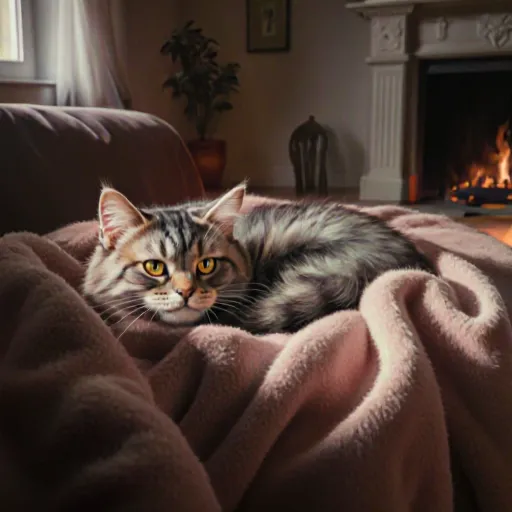
Unlock Your Cat's Secrets: Signs They're Sick
Why Cats Disappear at First Sign of Illness
Table of Contents
- Why Cats Hide When They’re Sick: An Overview
- Common Signs of Illness in Cats
- Behavioral Changes and Hiding
- Physical Symptoms to Watch Out For
- Pain as a Trigger for Hiding
- Anxiety and Fear in Sick Cats
- Cats and Their Instincts: Protection Mechanism
- Environmental Factors That Contribute to Hiding
- How Long Should You Wait Before Concerned?
- Veterinary Consultation and Diagnosis
- Importance of Monitoring Sick Cats at Home
- Supporting Your Cat During Recovery
- Conclusion: Understanding and Supporting Your Sick Cat
- FAQs About Cats Hiding When They're Sick
- Final Thoughts on the Role of Owners in Care
Why Cats Hide When They’re Sick: An Overview
Cats are natural creatures that have evolved to be quite adept at hiding signs of illness or pain. This behavior is deeply rooted in their survival instincts, making them less likely to become easy prey when they feel unwell. However, as pet owners, it's crucial to understand why cats hide and what this behavior might indicate about their health.
Cats are hunters by nature, and they have a keen sense of survival. When a cat gets sick or injured, its body goes into a state of stress, which can manifest in various ways. One of the most common is hiding. Hiding helps them avoid potential threats such as predators and other animals that could pose danger to their health. By remaining hidden, they are better able to conserve energy and focus on recovering.
Understanding what signs may indicate your cat is ill can help you recognize when it's time to intervene. Some key indicators include:
- Change in appetite or water consumption
- Changes in litter box habits (straining, less frequent visits)
- Behavioral changes such as excessive grooming or lethargy
- Vomiting and diarrhea
- Fever (although difficult to measure at home, lethargy could indicate a fever)
- Persistent coughing or sneezing
- Skin and coat issues like bald spots, rashes, or excessive shedding
Environmental changes can also play a significant role in how your cat reacts to illness. Stressful situations such as the arrival of new pets, moving into a new home, or even loud noises like thunderstorms can make cats more likely to hide when they are sick. Ensuring that your home environment is stable and comforting can help reduce stress for your pet.
If you suspect your cat might be ill but it's hiding from you, try these tips:
- Observe Quietly: Sometimes giving your cat space to recover by simply observing quietly can help it feel secure enough to show its true condition.
- Create a Safe Space: Set up a cozy and quiet area where your cat feels safe. This could be a small room with a blanket, pillows, or any other items that make it feel comfortable.
- Consult a Veterinarian: If you're concerned about your cat's behavior or health, don't hesitate to contact your veterinarian for advice. Early intervention can significantly improve the outcome of treatment.
- Nutrition and Hydration: Ensure that your cat has access to fresh water and appropriate food. If necessary, try using a feeding syringe to provide liquid meals until it is ready to eat on its own again.
Cats hiding when they're sick is a common behavior rooted in their evolutionary history and survival instincts. By understanding this behavior and recognizing the signs of illness, you can better care for your pet during times of sickness. Always be attentive to changes in your cat's behavior and seek professional advice if needed.
Common Signs of Illness in Cats
When cats are feeling unwell, they often exhibit signs that can be subtle but are critical for pet owners to recognize. These behaviors and symptoms can vary widely depending on the underlying cause of illness, but there are several common indicators that suggest your cat may not be feeling well:
Frequent Lethargy
Cats are usually very active creatures, but when they're sick, they might suddenly become lethargic and spend most of their time sleeping or lying down. This change in behavior is one of the earliest signs that your cat may be unwell.
Loss of Appetite
A sudden loss of appetite can indicate a wide range of issues, from simple digestive upset to more serious illnesses like kidney disease or cancer. If you notice your cat turning away food for more than a day or two, it's important to consult a veterinarian.
Increased Water Consumption
Cats that are ill may also drink more water than usual. This is often seen in conjunction with other symptoms like vomiting or diarrhea. Increased thirst (polydipsia) can be a sign of diabetes, kidney disease, or even stress.
Changes in Urination and Defecation
Altered bathroom habits are another common sign that your cat is sick. This could include frequent trips to the litter box without producing much urine or stool, straining to urinate, vomiting, or diarrhea. These symptoms can be indicative of various conditions such as urinary tract infections, gastrointestinal issues, or even pancreatitis.
Hiding Behavior
As mentioned in "Why Cats Hide When They’re Sick," cats often hide when they're feeling unwell because they are instinctively trying to avoid predators and stress. This behavior can be seen as a form of self-preservation, but it's also important for pet owners to recognize this as an early warning sign that something might be wrong with their cat.
When your cat is sick, they may seek out quiet spaces where they feel safe and hidden. This could include under furniture, in the closet, or even in a small, dark corner of the room. By hiding, cats are trying to reduce stress and focus on healing.
Inappetence for Play
Cats that are usually playful and energetic might suddenly lose interest in toys or interactive playtime when they're not feeling well. This lack of interest in activities they once enjoyed can be a sign of illness, especially if it persists over several days.
Changes in Grooming Habits
Cats that are sick might also show changes in their grooming habits. Some may groom excessively, while others might not groom at all. Excessive grooming can lead to hairballs and skin issues, whereas complete lack of grooming could indicate severe stress or illness.
Understanding these common signs of illness in cats is crucial for early detection and treatment. By paying attention to your cat's behavior and health changes, you can help ensure they receive the care they need as soon as possible.
Behavioral Changes and Hiding
When cats are sick, they often exhibit behavioral changes that can be subtle or drastic. Understanding these signs is crucial for pet owners to recognize when their feline companion might not be feeling well.
- Increased Hiding: A healthy cat that frequently seeks out quiet, dark spaces and remains there for extended periods is unusual. If you notice this behavior, it could be a sign that your cat is unwell.
- Reduced Activity Levels: Cats who are usually energetic may become lethargic or completely inactive. This reduction in activity can indicate underlying health issues such as gastrointestinal problems, kidney disease, or even pain.
- Peculiar Eating Habits: Changes in appetite and eating patterns are common with sick cats. Some cats might suddenly refuse to eat, while others may overeat. These changes could be symptoms of various diseases including dental issues, hyperthyroidism, or pancreatitis.
Cats are naturally prone to hiding when they're unwell because being in a dark, quiet place helps them feel safe and secure. Here are some specific reasons why sick cats might hide:
- Pain or Discomfort: Cats do not like pain and will often find the most secluded spot possible when they're hurting. For instance, if your cat has a urinary tract infection (UTI), which can cause significant discomfort during urination, it might seek out a quiet place to hide.
- Fever: A fever is a sign of illness and can make cats feel hot and uncomfortable. Hiding in cooler areas or finding dark spaces helps them regulate their body temperature and provides relief from the heat associated with fever.
- Symptoms of Disease: Cats might hide when they experience symptoms like vomiting, diarrhea, or loss of balance, which can make them feel unwell. By retreating to a safe space, they attempt to minimize their exposure and stress levels.
As a responsible pet owner, it is important to observe your cat’s behavior closely. Here are some practical steps you can take:
- Create a Comfortable Environment: Ensure that there are multiple safe spaces within your home where your cat can find refuge when sick. This might include cozy blankets, closed-off corners of the room, or even special hideaways.
- Maintain Routine: Try to keep feeding times and interaction consistent as much as possible during illness. Familiarity in these routines provides a sense of security for your cat.
- Contact Your Veterinarian: If you notice any persistent behavioral changes or signs that your cat is sick, consult with your vet immediately. Early diagnosis can lead to better treatment outcomes and quicker recovery for your pet.
Recognizing the behavioral changes and hiding behavior in cats when they're unwell is essential for their well-being. By understanding these signs, you can provide the necessary care and attention to help your cat recover faster. Always keep an eye on your feline friend’s behaviors and don’t hesitate to seek professional advice if needed.
Physical Symptoms to Watch Out For
Cats are experts at hiding signs of illness, but recognizing physical symptoms is crucial for early diagnosis and treatment. Here’s a detailed look at some common physical symptoms your cat might exhibit when they're sick:
1. Changes in Appetite
A significant decrease or increase in appetite can be an indicator of underlying health issues. While occasional changes are normal, persistent loss of appetite may suggest that your kitty is unwell. For example, a cat with dental problems might avoid eating hard food, while a sick cat might simply lose interest in meals altogether.
2. Changes in Drinking Habits
Cats typically drink less than dogs, but even small changes in water intake can signal illness. Increased thirst and urination (polyuria) are common signs of diabetes or kidney disease. Conversely, decreased drinking might indicate a blocked urinary tract or other serious conditions.
3. Changes in Coat Appearance
A dull coat that lacks its usual shine can be an early warning sign of illness. Cats with internal parasites, anemia, or even stress from environmental changes may experience hair loss and a rougher fur texture. Regular brushing and monitoring your cat's grooming habits can help you catch these issues early.
4. Lethargy and Lack of Energy
A normally active cat that suddenly becomes very lazy or shows decreased energy levels is not just being lazy; it could be a sign of illness. Cats with infections, internal injuries, or even emotional stress might exhibit lethargy. For instance, after a fall or trauma, a cat may hide and sleep for longer periods than usual.
5. Vomiting or Diarrhea
Vomiting and diarrhea are common symptoms of various illnesses, from simple digestive upset to more serious conditions like poisoning or internal injuries. If your cat vomits once or twice after eating something unusual, it might not be a cause for concern. However, if these symptoms persist, they should prompt immediate veterinary attention.
6. Changes in Elimination Habits
Changes in where and how often your cat uses the litter box can signal illness. For instance, frequent trips to the litter box but producing very little urine or stool may indicate a urinary tract infection. Similarly, if your cat starts eliminating outside the litter box, it could be due to stress from an injury or pain.
7. Respiratory Issues
Sneezing, wheezing, coughing, and difficulty breathing are clear signs that something is amiss in your kitty's respiratory system. These symptoms can indicate upper respiratory infections, asthma, or even heart issues. If you notice any of these symptoms, it’s important to seek veterinary help promptly.
8. Changes in Gait or Mobility
If your cat suddenly starts limping or appears unsteady on its feet, this could indicate a problem with the musculoskeletal system. Arthritis, joint injuries, or even pain from internal illnesses can cause changes in mobility. Monitoring your cat’s behavior and seeking professional advice early can help manage these conditions effectively.
Conclusion
Cats are naturally secretive about their health, but by paying attention to these physical symptoms, you can catch illness early and ensure that your furry friend gets the care it needs. If any of these signs persist or worsen, don’t hesitate to consult a veterinarian for diagnosis and treatment.
Pain as a Trigger for Hiding
Cats are masters of hiding pain, and it's often an instinctive behavior that they've evolved over thousands of years. When cats are sick or hurt, their natural inclination is to hide because being vulnerable can make them easy targets in the wild. This behavior is deeply rooted in their survival instincts.
Why Cats Hide When They're Sick
Cats will often seek out quiet and secluded areas when they are sick or feeling unwell. This could be under furniture, in a dark corner, or even in the closet. By hiding, cats can avoid stressors such as loud noises or interaction that might exacerbate their condition.
Identifying Painful Behavior
While it's natural for cats to hide when they're sick, if you notice your cat is spending more time than usual in hiding spots, this could be a sign of pain. Other signs that may indicate your cat is experiencing pain include:
- Reduced activity levels
- Poor appetite or refusal to eat
- Vocalization (meowing) more than usual
- A change in grooming habits
- Increased sensitivity to touch
Tips for Helping Your Cat When They're Sick
If you suspect your cat is in pain, it's important to address the issue promptly. Here are some practical steps:
- Monitor their behavior closely. Keep an eye on changes in eating habits, activity levels, and any signs of discomfort.
- Provide a safe space. Ensure your cat has access to quiet areas where they can rest without being disturbed. This could be a cozy bed or a quiet room away from the hustle and bustle.
- Consult with a veterinarian. If you're concerned about your cat's behavior, it’s always best to consult a professional for proper diagnosis and treatment. Your vet may recommend pain management options such as medication or other therapies.
Conclusion
Hiding due to pain is a common response in cats when they are sick. By understanding this behavior, you can provide the support your cat needs during their recovery period. Always stay attentive and responsive to any changes in your pet's behavior.
Anxiety and Fear in Sick Cats
Cats are known for their mysterious and often unpredictable behavior, but when they're sick, their actions can become even more cryptic. One of the most common signs that a cat is unwell is their tendency to hide. This hiding behavior is not just about seeking a quiet space; it's deeply rooted in their emotional state, which includes anxiety and fear. Understanding why cats hide when they’re sick is crucial for both pet owners and veterinarians.
The instinct to hide when a cat is sick is largely due to the natural survival mechanism that evolved over centuries. In the wild, an injured or ill animal would be more vulnerable and could attract predators. By hiding, the cat attempts to conserve energy and avoid any potential threat.
Role of Anxiety and Fear
Anxiety and fear play a significant role in a sick cat's behavior. These emotions can arise from various factors:
- Environmental Changes: The introduction of new people, pets, or even changes in routine can increase a cat’s stress levels.
- Sensory Sensitivity: Cats with illnesses may be more sensitive to their surroundings. Loud noises, bright lights, and unfamiliar smells can exacerbate their anxiety.
- Pain: Physical discomfort or pain can cause a cat to seek out hiding spots where they feel safe and secure.
Behavioral Signs
Besides hiding, there are other behavioral changes that might indicate anxiety and fear in sick cats:
- Less activity or lethargy
- Pacing or restlessness
- Twitching ears or tail
- Aggression when approached
- Loss of appetite
Supporting Your Sick Cat
To help a sick cat cope with anxiety and fear:
- Create a Safe Space: Provide a quiet, comfortable area where your cat can relax without interruption.
- Maintain Routine: Keeping a consistent schedule for feeding, grooming, and playtime helps reduce stress.
- Calm Environment: Minimize disruptions by keeping the household as quiet as possible. Use soft lighting and avoid loud noises.
- Pain Management: Consult your veterinarian about appropriate pain relief options to help alleviate any discomfort.
- Supplemental Care: Consider using pheromone therapy or calming supplements prescribed by a vet if anxiety persists.
Conclusion
Hiding when sick is a natural response for cats, rooted in their evolutionary history and emotional state. By recognizing the signs of anxiety and fear and taking steps to support your cat, you can help them feel more secure during their recovery. Always consult with your veterinarian if you notice persistent changes in your cat's behavior or health.
Cats and Their Instincts: Protection Mechanism
Cats, like many other animals, possess a sophisticated array of instincts that help them survive in various environments. One such instinct is their innate ability to protect themselves when they perceive danger or feel ill. This behavior can often be observed through the act of hiding when cats are sick, which serves multiple purposes beyond just seeking solitude.
The act of hiding is a crucial survival mechanism for cats. When they hide, they are not only avoiding potential threats but also conserving energy—a key factor in recovery when ill or injured. Here’s an in-depth look at why this behavior is essential and how it relates to their broader instincts:
Energy Conservation
Cats instinctively understand that during times of illness, their body needs extra resources for healing. Hiding helps them conserve energy by reducing movement and exertion. This behavior allows cats to focus all available resources on recuperating rather than expending energy unnecessarily.
Seeking Safety
Hiding also serves as a safety mechanism, protecting the cat from potential predators or threats in its environment. Even when sick, cats retain their natural wariness of danger. By hiding, they reduce the risk of becoming vulnerable to further harm.
Social Signals and Health Status
Cats are social animals with complex communication systems. When a cat hides while ill, it is sending a subtle signal to others in its territory that it needs space and quiet time. This behavior helps maintain the balance within the group without drawing attention or causing unnecessary stress.
Examples of Hidden Behaviors
- Hiding in Dark Places: Cats often find dark, secluded corners to hide when they feel unwell. This behavior mimics their wild ancestors' preference for hiding from predators and conserving energy.
- Inactivity: Reduced activity levels are another sign of illness that can be linked to the instinctive need to hide. Cats may spend more time sleeping or lying in a quiet area, which supports rest and recovery.
Practical Advice for Owners
Cat owners should understand these behaviors as part of their pets' natural instincts. Here are some tips to help your sick cat feel more comfortable:
- Create a Quiet Space: Set up a cozy, quiet space where your cat can rest and hide when it needs to. This could be a room with soft blankets or a small bed in a less-trafficked area of the house.
- Predictable Routine: Maintaining a predictable routine around feeding times and cleaning can help reduce stress for an ill cat, allowing them to focus on healing.
- Consult a Veterinarian: If you notice your cat hiding excessively or showing signs of illness beyond just resting, it's important to consult a vet. Early intervention is crucial in ensuring proper care and recovery.
Conclusion
The instinct for cats to hide when they're sick is deeply rooted in their survival mechanisms. By understanding and respecting this behavior, cat owners can provide the necessary support that helps their pets recover quickly and efficiently.
Environmental Factors That Contribute to Hiding
Cats are known for their natural instincts, which often include seeking shelter and hiding when they feel unwell. This behavior is a survival mechanism that has been passed down through generations of felines. However, as pet owners, it's essential to understand the environmental factors that contribute to this behavior so we can better care for our cats.
1. Familiarity and Security
Cats are creatures of habit, and they feel safest in environments where they have established a sense of security. When sick, a cat may retreat to its favorite hiding spot—such as under the bed or behind furniture—because these places provide comfort and familiarity. By returning to areas that make them feel secure, cats can minimize stress while their bodies focus on recovering.
2. Noise and Disturbance
Cats are sensitive to changes in their environment, including noise levels and general household activity. If your home becomes noisier or more chaotic when you're sick (due to increased movement around the house), it can trigger a cat's hiding instinct as they feel threatened by these disruptions. Keeping quiet spaces available for cats during such times is crucial.
3. Changes in Routine
A sudden change in daily routines, whether due to illness or other reasons, can be unsettling for your pet. Cats thrive on routine and predictability; any deviation from their usual schedule might prompt them to hide as a way of dealing with the uncertainty. Ensuring that basic care like feeding times remains consistent during periods when you're unwell helps maintain a sense of normalcy for your cat.
4. Temperature and Comfort
Cats have specific temperature preferences, typically between 75°F to 85°F (24°C to 29°C). An environment that is too cold or too hot can make a sick cat feel uncomfortable and more likely to seek out sheltered spots within your home where the temperature feels right. Providing blankets or heated pads in quiet areas of your house ensures that your pet finds comfort amidst illness.
5. Presence of Strangers
If there are any changes involving new people in the household—such as guests coming over or other pets being present—a sick cat might retreat to a hidden location out of fear or stress. Cats are territorial creatures and may view unfamiliar visitors as potential threats, prompting them to hide until they feel safe again.
Practical Advice for Pet Owners
- Create Comfortable Hiding Spots: Offer several quiet, cozy spaces throughout your home where your cat can retreat when feeling unwell. This could include boxes lined with soft towels or even pet beds placed in less frequented areas.
- Maintain Familiarity: Try to stick to familiar routines as much as possible, especially around feeding times and play sessions, which help reduce stress for your cat during recovery.
- Keep Noise Levels Down: Minimize loud noises or disruptions in the home when your cat is sick. Keeping things calm can make a significant difference in helping them feel better faster.
In summary, understanding why cats hide when they're sick involves recognizing these environmental factors and adjusting accordingly. By creating a supportive environment that caters to their needs during such times, you not only aid in their recovery but also strengthen the bond between pet and owner.
How Long Should You Wait Before Concerned?
When it comes to understanding why cats hide when they're sick, it's important to recognize that this behavior is a natural response. Cats are predators by nature and tend to be solitary animals, which makes them inherently cautious about displaying signs of weakness or vulnerability. When a cat hides, it is often trying to recover in peace and avoid potential threats from other animals or even people.
The length of time you should wait before becoming concerned can vary depending on the severity of your cat's symptoms and their usual behavior patterns. Generally speaking, if your normally active cat suddenly becomes lethargic, stops eating, has reduced activity levels, or exhibits any signs of illness for more than a day or two without improvement, it is advisable to seek veterinary care.
For example, if you notice that your usually playful cat is no longer interested in chasing after toys or climbing on furniture, and this behavior persists for more than 24 hours, it could be an indication of underlying health issues. Other signs like vomiting, diarrhea, excessive grooming (leading to bald patches), or changes in litter box habits should also prompt immediate attention.
It's important to consider the cat's age as well. Older cats may have more difficulty hiding their illness due to weakened immune systems and chronic conditions. Young kittens are particularly vulnerable since they lack experience in recognizing signs of sickness. In both cases, any unusual behavior that lasts longer than expected should be a red flag.
Practical advice: Establishing a routine with your veterinarian can help you better understand what constitutes normal behavior for your cat and set specific timeframes for concern based on your cat's individual needs. Regular check-ups are crucial in catching minor health issues early, which is why it’s good to have a relationship with a vet who knows your cat well.
In conclusion, while every cat is different and may exhibit varying levels of hiding when sick, it is generally wise not to wait more than 48 hours before consulting a veterinarian. Early intervention can significantly improve the chances of a positive outcome and ensure that any necessary treatments are started promptly.
Veterinary Consultation and Diagnosis
Cats are naturally inclined to hide when they feel unwell, a behavior that can be deeply rooted in their evolutionary past. This instinctive tendency makes it challenging for pet owners and veterinarians to detect signs of illness early on. However, understanding this behavior is crucial for effective diagnosis and treatment. Cats often do not show obvious symptoms until the disease has progressed significantly, which underscores the importance of regular veterinary check-ups.
Why Cats Hide When They're Sick
Cats have an ancient wild ancestry, and their hiding behavior serves as a survival mechanism to avoid predators. Even in domesticated settings, this instinct persists. When sick or injured, cats will seek out quiet, secluded spaces to rest, believing it helps them recover faster. This behavior can sometimes make it difficult for owners and veterinarians to assess the cat's health.
Signs That Your Cat May Be Sick Despite Hiding
- Decreased Appetite: Cats will often stop eating when they are unwell. Pay attention if your cat refuses food for more than a day or two.
- Change in Routine: If you notice that your cat is sleeping more, less active, or not engaging in typical behaviors, it could be an early sign of illness.
- Bowel Changes: Diarrhea, constipation, or changes in the frequency of urination can indicate underlying health issues.
Promoting Early Detection
To catch illnesses before they worsen, regular veterinary consultations are essential. Here are some tips to encourage your cat to be more open with their behavior during check-ups:
- Positive Reinforcement: Make the trip to the vet a positive experience by rewarding your cat with treats or toys afterward.
- Desensitize Them: Gradually acclimate your cat to carriers, car rides, and the vet's office. This can reduce their anxiety during visits.
- Use Sedation if Necessary: For cats who are extremely anxious or have had negative experiences at the vet's, sedation may be necessary. Discuss this option with your veterinarian.
The Role of Regular Vet Visits
Regular veterinary consultations provide opportunities to monitor your cat’s health closely and detect potential issues early. Your vet can perform thorough check-ups that include:
- Evaluating overall body condition and muscle tone.
- Checking for signs of parasites, infections, or tumors.
- Monitoring weight changes, which can be an indicator of various health problems.
- Performing blood tests to check for internal organ function or inflammation levels.
In summary, while cats may hide when they are sick due to their natural instincts, proactive steps as outlined above can help in early detection and management. Regular vet visits paired with understanding your cat's behavior can make a significant difference in maintaining your pet’s health.
Importance of Monitoring Sick Cats at Home
The importance of monitoring sick cats at home cannot be overstated, as it plays a crucial role in early detection and timely intervention, which are vital for the health and well-being of your pet. Just like humans, when cats hide when they’re sick, it can be an instinctive response to avoid predators or stressors. However, this behavior makes it challenging for owners to notice subtle signs of illness that could indicate a more serious condition if left unaddressed.
Cats are naturally solitary animals with a strong instinct to hide when they feel unwell. This behavior is deeply rooted in their evolutionary history as prey animals, where illness or injury could make them vulnerable and easy targets for predators. By hiding, cats attempt to recover in a safe environment while minimizing stress.
Despite the instinctive behavior of hiding, there are several signs that can indicate your cat is unwell. These include:
- Change in appetite: A sudden loss or increase in appetite is a common sign of illness.
- Vomiting and diarrhea: Persistent vomiting or loose stools should not be ignored as they can lead to dehydration.
- Lack of energy: If your cat is unusually lethargic, it could be indicative of a health issue.
- Persistent coughing or sneezing: These symptoms may suggest respiratory issues that require veterinary attention.
To effectively monitor your sick cat at home, consider implementing the following strategies:
- Create a comfortable environment: Ensure your cat has a quiet, cozy spot where they feel safe and secure. This might be an enclosed space with soft bedding.
- Keep tabs on water intake: Monitoring how much water your cat is drinking can help you notice dehydration early. Offer clean fresh water regularly.
- Watch for changes in behavior: Observe any unusual behaviors or routines that deviate from the norm, such as a decrease in grooming activity.
- Keep an eye on weight: Regularly check your cat's weight to ensure they are maintaining their normal healthy range. A sudden drop can indicate illness.
While monitoring at home is crucial, it should complement veterinary care rather than replace it. Early consultation with a vet can provide a diagnosis and appropriate treatment plan tailored to your cat's specific condition. Don't wait for symptoms to worsen before seeking help; if you suspect something is wrong, contact your veterinarian promptly.
In summary, understanding why cats hide when they're sick can guide owners in recognizing subtle signs of illness and taking proactive steps to monitor their pets. By creating a supportive home environment and being vigilant about changes in behavior or health, you can play a significant role in your cat's recovery process.
Supporting Your Cat During Recovery
When a cat is sick, it's common for them to hide and withdraw from their usual activities. This behavior can be seen as a defense mechanism where the cat tries to conserve energy and focus on healing. Understanding why cats hide when they're sick provides insight into how you can best support your pet during recovery.
Cats are naturally solitary animals with a strong instinct for self-preservation. When they feel unwell, their natural response is to seek out a quiet, secure space where they feel safe and can rest. This behavior helps them reduce stress and conserve energy, which are crucial for recovery.
To help your cat recover, it's important to create an environment that mimics their natural hiding spots while ensuring they have easy access to food, water, and litter. Here’s how you can do it:
- Quiet Space: Provide a quiet area where your cat feels safe. This could be a small room with minimal traffic or a cozy bed in a less frequented part of the house.
- Comfortable Bedding: Offer soft, warm bedding that your cat can easily access and feel secure about sleeping on. Consider using blankets or pillows that have your scent to make them more inviting.
- Nearby Food and Water: Ensure that your cat’s food and water are easily accessible in their recovery space. This reduces the need for them to exert energy by moving around unnecessarily.
Balancing rest with gentle play can help stimulate your recovering cat's body without causing undue stress. Here are some ideas:
- Gentle Playtime: Use lightweight toys that don't require too much energy to chase, such as feather wands or laser pointers. Keep sessions short and engaging.
- Mental Stimulation: Engage your cat's senses with puzzle feeders or treat-dispensing toys to keep them mentally active without overexerting their body.
Regularly observe your cat’s behavior and health during the recovery period. Look out for signs of improvement or any changes that might indicate a need for further medical attention:
- Eating and Drinking: Monitor how much food and water your cat consumes daily.
- Litter Box Use: Pay attention to how often your cat uses the litter box. Any changes in frequency or behavior could signal a problem.
- Sleep Patterns: Observe if your cat is sleeping more than usual or if their sleep patterns have changed significantly.
If you notice any unusual behaviors or signs of distress, it's important to consult with your veterinarian promptly. Early intervention can make a significant difference in the recovery process.
Conclusion: Understanding and Supporting Your Sick Cat
Cats are notoriously good at hiding signs of illness, which can make it challenging for owners to notice that their pet is unwell. This behavior stems from the cat's instinctive desire to avoid predators when they feel weak or ill. However, as a responsible pet owner, recognizing these hidden signals and providing appropriate support is crucial for your cat's health and well-being.
Common Signs Your Cat Might Be Sick
- Lack of Appetite: Even the fussiest eaters may suddenly lose interest in their food. This can be a sign that something is wrong internally.
- Changes in Water Intake: Increased or decreased water consumption might indicate a health issue, such as urinary tract problems or kidney disease.
- Abnormal Behavior: Withdrawal from social interactions and usual activities can suggest discomfort. Cats may also become more irritable and sensitive to touch.
- Changes in Litter Box Habits: Frequent visits to the litter box or accidents outside of it could point to digestive issues, cystitis, or other urinary problems.
Steps You Can Take to Support Your Sick Cat
When you suspect that your cat is sick, it's important to take immediate action. Here are some practical steps and advice:
- Observe Closely: Keep a close eye on any changes in behavior or physical signs. Jot down notes about when the symptoms started, how severe they seem, and anything that might have triggered them.
- Create a Comfortable Environment: Ensure your cat has a quiet and cozy space to rest. This could be a well-padded bed in a warm location away from drafts and noise.
- Adjust Their Diet: If your cat is losing interest in food, try offering smaller portions more frequently or switching to a highly palatable wet food. Always consult with your veterinarian before making any significant changes to your cat's diet.
- Provide Plenty of Fresh Water: Ensuring your cat has easy access to clean water can help prevent dehydration and support overall health.
- Encourage Playfulness: If your cat is still interested, gentle play sessions can encourage them to move around. However, avoid overexertion which could exacerbate their condition.
When to Seek Veterinary Care
While it's essential to provide supportive care at home, there are instances where professional veterinary intervention is necessary:
- If your cat stops eating for more than 24 hours.
- If you notice vomiting or diarrhea that lasts longer than a day.
- If your cat has trouble urinating or defecating.
- If there are signs of extreme lethargy, difficulty breathing, or seizures.
Remember, early detection and intervention can make all the difference in helping your sick cat recover. Always consult a veterinarian if you have any doubts about your cat's health.
Conclusion
In conclusion, understanding why cats hide when they’re sick is an important step towards caring for their well-being. By staying vigilant and providing the appropriate support at home, you can help ensure that your furry friend recovers as quickly as possible. Early recognition of signs and timely intervention are key to a successful recovery.
FAQs About Cats Hiding When They're Sick
Cats are known for their mysterious and sometimes unpredictable behavior, but one thing is certain: when they're sick, it's common for them to hide. This behavior can be confusing or concerning for pet owners who may not understand why their cat is suddenly so reclusive. Here are some frequently asked questions about why cats hide when they’re sick and what you should do.
1. Why Do Cats Hide When They're Sick?
Cats can become reclusive or hide when they are not feeling well for a variety of reasons. It is their natural instinct to hide from perceived threats, which may include predators or even changes in the environment. When sick, cats may feel more vulnerable and seek out quiet, secure spaces where they feel safe.
- Safety Instincts: Cats are prey animals, so when they're feeling unwell, their instincts kick in to hide from potential threats.
- Pain or Discomfort: Sick cats may experience pain or discomfort that makes it difficult for them to move around. Hiding helps them conserve energy and avoid unnecessary stress.
- Familiar Spaces: Cats often prefer familiar environments where they feel secure. When sick, these safe spaces become even more important to them.
2. What Signs Should I Look For?
If you suspect your cat is sick and hiding, there are several signs that could indicate this:
- Less Active Than Usual: A normally active cat who has become lethargic or unresponsive.
- Poor Appetite: Reduced interest in food is a common sign of illness, especially when paired with hiding behavior.
- Loss of Interest in Grooming: Cats are usually very meticulous groomers. A sudden lack of grooming can be another indicator that something isn't right.
- Vocalization Changes: If your cat is typically quiet, and they suddenly start meowing or crying more often, this could also point to illness.
3. What Should I Do?
If you notice your cat hiding and exhibiting signs of sickness, it's important to take action:
- Observe Carefully: Keep an eye on your cat for any additional symptoms or changes in behavior.
- Check Their Environment: Ensure that the space where they are hiding is clean and comfortable. Sometimes, a simple rearrangement can make them feel more at ease.
- Seek Veterinary Care: If your cat continues to hide or shows persistent symptoms like vomiting, diarrhea, or high fever, it's crucial to consult a veterinarian as soon as possible. Sick cats may need medical attention to recover fully.
4. How Can I Encourage My Cat to Come Out?
While encouraging your sick cat to come out can be challenging, there are several steps you can take:
- Create a Calm Environment: Minimize disruptions in the home and keep loud noises or activity to a minimum. Cats need time and quiet to heal.
- Talk Gently: Speak softly to your cat to let them know you are nearby and that they are not alone.
- Use Treats or Toys: Use your cat's favorite treats or toys to coax them out. However, be careful not to overstimulate them if they are still feeling unwell.
5. Prevention and Care Tips
To help prevent illness in the future and ensure a healthy environment for your cat:
- Regular Vet Visits: Regular check-ups with your vet can catch health issues early, preventing them from progressing into something more serious.
- Fresh Water: Ensure that your cat always has access to fresh water. Dehydration can lead to further health complications.
- Balanced Diet: Feed your cat a balanced diet appropriate for their age and lifestyle to support overall well-being.
Cats are resilient creatures, but when they're sick, it's important to recognize the signs of illness and provide them with the care and attention they need. By understanding why cats hide when they’re sick and taking proactive steps to address their health needs, you can help ensure a speedy recovery.
Final Thoughts on the Role of Owners in Care
As pet owners, our role in ensuring the well-being of our furry companions is crucial. Cats are often excellent at hiding signs of illness, a behavior that has evolved to protect them from predators in the wild. Understanding this instinct can help us recognize when our cats need attention and care. Here’s an in-depth look at how we, as owners, should respond:
Cats are masters at masking their discomfort or illness. They often hide because showing weakness could make them a target for predators. As responsible pet owners, it’s important to recognize when your cat is acting out of character. Common signs include:
- Reduced activity level
- Loss of appetite
- Change in litter box habits (e.g., urinating outside the box)
- Increased sleeping or hiding
- Unusual grooming behavior, such as over-grooming or not grooming enough
Cats can be unpredictable, and a sudden change in their normal routine might indicate an underlying health issue. Owners should pay close attention to any behavioral changes that seem unusual for the cat’s usual behavior. For instance:
- If your usually social kitty suddenly becomes reclusive or standoffish
- Notice if your typically energetic pet is lethargic and unresponsive
- Pay attention to any changes in eating habits, such as decreased food intake or vomiting
When a cat is sick, providing an environment that is calm and soothing can aid in recovery. Cats often seek out quiet spaces to rest and heal. Owners should:
- Create a cozy space for your cat with soft blankets or pillows
- Maintain regular feeding times but offer smaller portions if necessary
- Ensure the cat has easy access to its litter box, even if it means moving it closer to where they are resting
Catching illnesses early is critical for effective treatment. Cats often hide their discomfort until it becomes more severe. Owners should:
- Establish a routine visit to the vet annually, even if your cat seems healthy
- Be vigilant about observing any changes in behavior or health
- If you suspect illness, don’t wait; consult your veterinarian as soon as possible
In conclusion, understanding why cats hide when they are sick is key to recognizing the signs of illness early. By being attentive and proactive, pet owners play a significant role in ensuring their feline companions receive timely care. Providing a comfortable space for healing and seeking prompt veterinary attention can make all the difference in your cat’s recovery process.
Categories
- AI & Enrichment Play
- Broiler Farming
- Broiler Farming Tips
- Canine Wellness & Longevity
- Cat
- Cat & Human Connection
- Cat Adoption & Rescue
- Cat Breeds
- Cat Breeds & Personalities
- Cat Care & Health
- Cat Grooming & Hygiene
- Cat Lifestyle & Environment
- Cat Myths & History
- Cat Nutrition & Diet
- Cat Products & Reviews
- Cat Training & Behavior
- Comparison
- Consumer Awareness
- Dog
- Dog Accessories & Products
- Dog Adoption & Rescue
- Dog Breed & Lifestyle Trends
- Dog Breeding & Puppies
- Dog Entertainment & Media
- Dog Fashion & Trends
- Dog Fun & Lifestyle
- Dog Grooming & Hygiene
- Dog History & Culture
- Dog Myths, Science & Future Tech
- Dog News & Trends
- Dog Nutrition & Food
- Dog Psychology & Emotions
- Dog Safety & Security
- Dog Sports & Activities
- Dog Technology & Innovation
- Dog Training for Modern Owners
- Dog Travel & Adventure
- Dog Travel, Adventure & Culture
- Economic and Market Insights
- Educational Content
- FAQs
- Feeding Alternatives
- Festivals & Seasonal Ideas
- Fun & Entertainment
- General Knowledge
- General Pig Farming
- Health & Disease Management
- Housing and Environment
- Kittens
- Market Insights
- Miscellaneous
- Miscellaneous
- Motivational
- pig
- Pig Breeding
- Pig Breeds
- Pig Farming Stories and Inspiration
- Pig Health and Care
- Pig Nutrition
- Pig Products
- Profitability & Business
- Puppy Care
- Puppy Predictable Topics Reinvented
- Regional Focus
- Rescue & Adoption Buzz
- Senior Cats
- Senior Dog Care
- Smart Dog Tech & Gadgets
- Sustainability
- Sustainable & Eco-Friendly Dog Products
- Tech & Innovations
- Working & Service Dogs
- Broiler Feed66 products
- Country Feed33 products
- Pig Feed66 products
- Product22 products
- Raw Materials99 products
Products
-
 FATTENING BROILER FEED
₹2,299.00 – ₹2,349.00Price range: ₹2,299.00 through ₹2,349.00Rated 0 out of 5
FATTENING BROILER FEED
₹2,299.00 – ₹2,349.00Price range: ₹2,299.00 through ₹2,349.00Rated 0 out of 5 -
 GESTATION PIG FEED (Phase 1)
Rated 0 out of 5
GESTATION PIG FEED (Phase 1)
Rated 0 out of 5₹2,249.00Original price was: ₹2,249.00.₹1,699.00Current price is: ₹1,699.00. -
 Pre Starter Broiler Feed
₹2,399.00 – ₹2,499.00Price range: ₹2,399.00 through ₹2,499.00Rated 0 out of 5
Pre Starter Broiler Feed
₹2,399.00 – ₹2,499.00Price range: ₹2,399.00 through ₹2,499.00Rated 0 out of 5 -
 FINISHER COUNTRY FEED
₹1,599.00 – ₹1,699.00Price range: ₹1,599.00 through ₹1,699.00Rated 0 out of 5
FINISHER COUNTRY FEED
₹1,599.00 – ₹1,699.00Price range: ₹1,599.00 through ₹1,699.00Rated 0 out of 5 -
 FINISHER BROILER FEED
₹2,199.00 – ₹2,299.00Price range: ₹2,199.00 through ₹2,299.00Rated 0 out of 5
FINISHER BROILER FEED
₹2,199.00 – ₹2,299.00Price range: ₹2,199.00 through ₹2,299.00Rated 0 out of 5 -
 COUNTER BROILER FEED
₹1,199.00 – ₹1,299.00Price range: ₹1,199.00 through ₹1,299.00Rated 0 out of 5
COUNTER BROILER FEED
₹1,199.00 – ₹1,299.00Price range: ₹1,199.00 through ₹1,299.00Rated 0 out of 5 -
 LACTATING PIG FEED
Rated 0 out of 5
LACTATING PIG FEED
Rated 0 out of 5₹2,299.00Original price was: ₹2,299.00.₹1,740.00Current price is: ₹1,740.00. -
 Fish Meal
₹1,999.00 – ₹2,999.00Price range: ₹1,999.00 through ₹2,999.00Rated 0 out of 5
Fish Meal
₹1,999.00 – ₹2,999.00Price range: ₹1,999.00 through ₹2,999.00Rated 0 out of 5 -
 Farm Fresh Eggs
₹10.00 – ₹15.00Price range: ₹10.00 through ₹15.00Rated 0 out of 5
Farm Fresh Eggs
₹10.00 – ₹15.00Price range: ₹10.00 through ₹15.00Rated 0 out of 5 -
 LAYER COUNTRY FEED
₹1,549.00 – ₹1,649.00Price range: ₹1,549.00 through ₹1,649.00Rated 0 out of 5
LAYER COUNTRY FEED
₹1,549.00 – ₹1,649.00Price range: ₹1,549.00 through ₹1,649.00Rated 0 out of 5