
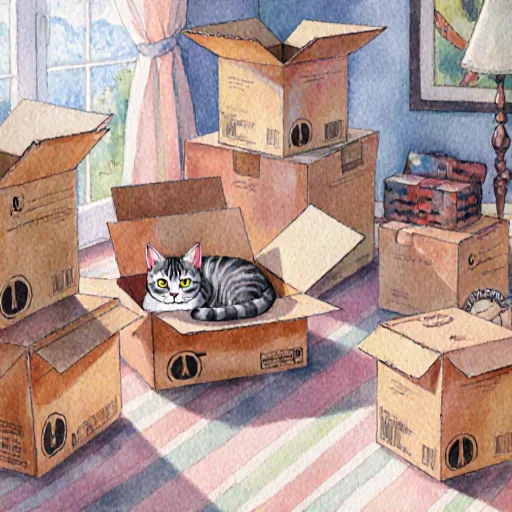
Unlocking the Feline Mind: Why Cats Adore Boxes
Why Cats Love Boxes So Much
Table of Contents
- Why Cats Love Boxes
- The Comfort Zone
- Privacy and Security
- Temperature Regulation
- Safety from Predators
- Napping and Resting
- Playing and Exploration
- Solitude and Reflection
- Hidden from Prying Eyes
- Safe Space for Growth
- Protection Against Noise
- Enclosure and Territorial Marking
- Psychological Comfort
- Conclusion
- FAQ
Why Cats Love Boxes
Cats are known for their love of boxes, and there's a lot more to it than just curiosity or play. There are several reasons why cats find boxes so irresistibly appealing.
One of the primary reasons cats love boxes is because they provide a sense of security and shelter. Boxes mimic the hiding places that cats instinctively seek out in nature. In the wild, cats use small spaces to feel safe from predators or threats. Similarly, in your home, a box can be their very own little fortress where they can relax, feel safe, and observe their surroundings without being seen.
Example: Place a small cardboard box near an open window so that your cat can watch birds outside while feeling secure inside the box.
Cats are naturally drawn to warm places, which is why they often curl up in sunny spots or under blankets. Boxes can provide a cozy, enclosed space that retains heat, making it an ideal spot for your cat to nap or rest. The confined space also allows them to feel snug and comfortable.
Practical Advice: Use old scarves or soft fabrics to line the box with a layer of warmth inside.
Cats are intelligent animals, and they enjoy mental stimulation just like humans do. Playing in boxes can keep their minds sharp and engaged. They may explore, sniff, pounce, or simply sit and watch the world from inside a box.
Examples: - Introduce a treat toy inside the box for your cat to find. - Use a small mirror on one side of the box to reflect what’s around it. This can be an interesting visual for your cat.
Cats are active creatures that need regular exercise to stay healthy and happy. Boxes offer endless possibilities for playtime. Whether they're chasing a toy mouse, batting at a crumpled paper ball, or simply exploring the space, boxes provide an excellent source of entertainment.
Example: Encourage your cat's natural hunting instincts by hiding small treats inside a box and watching them work to retrieve it.
Cats are social animals despite their sometimes aloof demeanor. By creating boxes in common areas of your home, you can encourage interaction between you and your cat or even multiple cats if you have more than one pet. Boxes also provide a space for them to feel safe while still engaging with the world around them.
Practical Advice: Use scented objects like catnip or lavender-scented tissues inside the box to attract your cat's attention and encourage playtime.
In summary, cats love boxes because they provide a sense of security, warmth, mental stimulation, exercise, and social interaction. By incorporating boxes into your home environment, you can enhance your cat's well-being while enjoying the joy their playful behavior brings to your life.
The Comfort Zone
Cats are known for their love of boxes, and this behavior is not just about curiosity. There's a deeper reason behind why your cat enjoys playing in boxes. It all comes down to their instincts as wild animals.
The Instinctual Reason: Safety and Security
Cats are naturally predisposed to seek out enclosed spaces because they are reminiscent of the small, tight spaces where their ancestors could find shelter from predators. In the wild, cats would use caves or hollowed-out areas as hiding spots. Even domesticated cats retain this instinct.
The Psychological Comfort
Boxes also provide psychological comfort to your cat. They can feel secure and protected inside a box, which is especially important if you have multiple pets in the household or if there are other noises or changes in the environment that could be stressful for them.
The Playful Element
Playing with boxes also satisfies your cat's natural play instincts. Cats are hunters by nature, and playing in a box can simulate the act of hunting, whether it’s chasing after prey or finding hidden spaces where they can rest undisturbed.
Encouraging Play and Mental Stimulation
Creating interactive boxes for your cat is not just about giving them something to play with; it's also an excellent way to keep their mind active. You can make the game more engaging by adding a treat or toy inside, which will encourage your cat to use their problem-solving skills and develop patience.
DIY Box Ideas
- Fabric Boxes: Use old cardboard boxes and cover them in fabric for a softer feel. You can even add a small opening or cut the box into smaller sections to increase playtime fun.
- Tented Hideaways: Create a tented hideaway by taping two large cardboard boxes together at one end, leaving room for your cat to climb in and out. This setup is excellent for promoting climbing and exploration.
- Fabric Tubes: If you have long cardboard tubes (like from paper towel rolls), cut them into smaller sections or connect a few of them. Your cat will enjoy running through the tubes, which can also serve as a fun interactive toy.
Practical Tips for Keeping Boxes Engaging
To ensure your cat remains interested in their boxes over time, it's important to rotate and add new elements. Here are some practical tips:
- Rotate Toys and Treats: Place different toys or treats inside the box each day. This variation keeps the play fresh for your cat.
- Change Boxes Regularly: Occasionally introduce a new type of box, such as an empty shoebox, to keep things exciting.
- Add Layers: Create multi-level boxes by stacking smaller boxes inside one another. This adds height and complexity for your cat's enjoyment.
The Benefits for You
While you might think that your cat is just playing with a box, it’s actually beneficial for you as well. Watching your cat explore their boxes can be an entertaining sight, and it strengthens the bond between pet and owner.
Privacy and Security
Cats have a peculiar affinity for boxes, and much like how they find comfort within these confined spaces, users of WordPress also seek to create secure environments for their blogs. Just as cats love boxes for the sense of security and privacy they provide, WordPress administrators must prioritize the safety and privacy of their websites.
Understanding why cats love boxes can help us draw parallels between their behavior and our own needs in securing a safe space online. For instance, much like how a cat finds sanctuary within a box, users need to ensure that their data is protected from prying eyes and malicious actors. This involves setting up strong password policies, using secure plugins, and keeping software updated.
Key Steps for Enhancing Privacy and Security in WordPress
- Secure Passwords: Just as a cat finds comfort in its box, users should find security in strong passwords. Implementing unique, complex passwords is crucial to prevent unauthorized access.
- Use HTTPS: Ensuring your WordPress site uses HTTPS (HyperText Transfer Protocol Secure) encrypts the data exchanged between your browser and website, providing an extra layer of security similar to how a box shields its contents.
- Secure Plugins: Just as cats choose boxes that are sturdy and reliable, users should ensure they use only trusted and secure plugins. Regularly update and manage these plugins to maintain the integrity of their site.
- Data Backup: Like a cat’s instinctive need for a safe space, regular backups provide peace of mind by ensuring you can recover your data in case of any security breach or technical issue.
Practical Advice: Practical Tips for Secure Blogging
By following these guidelines, WordPress users can create a secure environment that mirrors the cozy and safe space cats find within boxes. This not only protects their content but also enhances user experience by maintaining trust and integrity.
- Enable Two-Factor Authentication: Add an extra layer of security to your WordPress account with two-factor authentication (2FA). It’s like having a second box within the first, adding another barrier for potential intruders.
- Regular Security Audits: Periodically review and audit your website’s security settings. This is akin to regularly checking on your favorite cat to ensure it remains happy and secure in its environment.
- Monitor Activity Logs: Keep an eye on the activity logs of your WordPress dashboard. Just as you would watch over a box to protect what's inside, monitoring these logs allows you to detect and respond to suspicious activities promptly.
Temperature Regulation
Cats are known for their love of boxes, and one reason they seek out these cozy spaces is related to temperature regulation. Cats have a high metabolic rate compared to other mammals, which means they generate heat efficiently but also require environments that help them manage this heat effectively.
Why Boxes Provide Ideal Temperature Regulation
Cats prefer boxes because they provide an ideal microclimate within the larger environment. Inside a box, the temperature is more stable and often cooler or warmer than the surrounding air, depending on the box's material and the room’s ambient conditions.
- Isolation from External Factors: Boxes offer cats protection from external temperature fluctuations. When it's hot outside, a cool box can provide respite; conversely, during cold weather, a well-insulated box can keep them warm.
- Consistent Temperature: The walls of the box help to maintain an even temperature inside, reducing extreme changes that might be uncomfortable for cats. This consistent warmth or coolness helps cats conserve their body heat in cold environments and prevents overheating in hot ones.
Practical Tips for Creating Ideal Temperature Regulation Spaces
To enhance the temperature regulation properties of boxes, consider the following:
- Select the Right Material: Boxes made from materials like cardboard or fleece provide insulation and help maintain an optimal temperature. Cardboard, for instance, can absorb humidity and keep the box cool in humid environments.
- Size Matters: Ensure that the box is large enough for your cat to move around comfortably but not so big that it becomes drafty or loses its insulation properties.
- Add Heat Sources Carefully: If you live in a colder climate, adding a heating pad inside the box can be beneficial. However, always make sure the heating pad is covered and safe to avoid burns for your cat.
- Ventilation: Proper ventilation helps prevent overheating. Small holes or gaps at the top of the box allow for air circulation without compromising its insulation properties.
Examples in Action
Cats often instinctively seek out boxes to regulate their body temperature, and this behavior is reinforced by environmental conditions:
- In Cold Weather: A box filled with soft blankets or lined with fleece can provide a warm haven for your cat. The insulation materials help trap heat inside the box.
- In Hot Weather: Placing boxes in cooler areas of the home, such as near windows with shade or using reflective materials to block direct sunlight, can keep these spaces cool and comfortable for your cat.
By providing cats with temperature-regulating environments like boxes, you not only meet their instinctual needs but also enhance their overall well-being. Observing this natural behavior helps in creating a more fulfilling and stress-free life for your feline friend.
Safety from Predators
Cats have an innate desire for safety, and understanding this can help us provide them with a secure environment. Just as why cats love boxes so much—boxes offer a sense of security and protection by creating a cozy, enclosed space—similarly, safety from predators is crucial for our feline friends.
Cats are natural prey animals, which means they are vulnerable to various predators in the wild. Urban or suburban cats still face threats such as birds of prey like hawks and owls. In addition, domestic cats can be at risk from dogs, coyotes, or even stray cats depending on their environment.
To keep your cat safe, it's essential to create secure indoor spaces where they feel protected. Just like boxes provide a sanctuary for cats, you can offer them various enclosed areas such as:
- Cat Condos: Multi-level structures with multiple rooms and hiding spots.
- Window Perches: Elevated platforms near windows that allow your cat to observe the outside world while remaining safe from potential predators below.
- Den Beds: Soft, cozy spaces made of blankets or pillows for them to snuggle up in.
Cats love boxes because they provide a sense of security and comfort. Similarly, creating an enriching environment can help your cat feel safe and secure. Here are some ideas:
- Toys and Puzzle Feeders: Engaging toys that mimic natural hunting behaviors can keep your cat mentally stimulated.
- Hanging Toys: Dangling toys or bird feeders outside windows can provide visual stimulation for your cat, keeping them entertained without being exposed to external threats.
- Cat Trees: Tall structures with branches and perches that allow cats to climb and explore while feeling secure in the home.
If you let your cat outdoors, it's important to take precautions against predators. Consider:
- Cat Collars with Identification Tags: Ensuring your cat is always identified and can be returned if found by a predator or another animal.
- Necklace-like Collar Covers: These prevent cats from getting their necks caught in fences, which could attract unwanted attention from predators.
- Supervision: When possible, supervise your cat's outdoor time to ensure they are safe from potential threats.
Cats love boxes because they provide a sense of security and comfort, much like how we need secure spaces to feel safe. By understanding their natural instincts and providing them with similar enclosed spaces in the home, you can ensure your cat remains happy and secure.
Napping and Resting
Cats are known for their love of boxes, a behavior that can be attributed to several factors. Understanding why cats enjoy hiding and napping in enclosed spaces provides valuable insights into their natural instincts and preferences.
Enclosed spaces such as boxes offer cats a feeling of security and safety. In the wild, hiding is a crucial survival mechanism for cats. By retreating to small, dark spaces like boxes, they mimic the dens that their ancestors used to hide from predators and enemies.
Safety and Security
Cats are naturally cautious animals. Enclosed spaces provide them with a sense of control over their environment. Inside a box, a cat can decide when and how much time to spend in the open. This freedom allows them to relax without feeling exposed or vulnerable.
Cats are ectothermic animals, meaning they rely on external sources to regulate their body temperature. Small enclosed spaces like boxes help cats maintain a stable internal temperature. The warmth trapped inside the box can also be comforting during cold weather.
Comfort and Warmth
The snug fit of a small space helps cats conserve heat, which is especially important for smaller breeds or kittens. Additionally, many cat owners have observed that their pets seek out warm spots to nap in. The cozy environment inside a box can mimic the warmth of a sunbeam or a heated area near a radiator.
In multi-cat households, boxes serve as private spaces where cats can retreat when they need time alone. These enclosed areas also allow for more peaceful interactions among cats who might not get along otherwise.
Play and Exploration
Cats are highly curious creatures. Boxes provide a stimulating environment that encourages play and exploration. Cats often use boxes as platforms to jump on or as hiding spots during games of chase and pounce, which can be mentally and physically beneficial for them.
Rest is essential for cats' overall health and well-being. Enclosed spaces like boxes contribute significantly to their ability to relax and recharge. Cats who have access to various-sized boxes are more likely to find a comfortable spot that suits their mood.
Picking the Right Boxes
To ensure your cat enjoys these benefits, consider providing several boxes of varying sizes. Larger cats may prefer larger boxes, while smaller kittens might favor smaller ones. Also, place boxes in different locations around your home to give them options for napping and playing.
Cats' love for boxes is deeply rooted in their natural behaviors and instincts. By offering these small, secure spaces, you not only enhance your cat's comfort but also support their health and well-being. Whether it's a simple shoe box or an elaborate multi-level play center, the key is to provide enclosed areas that invite your feline friend to rest, relax, and play.
Playing and Exploration
Cats are known for their playful nature, and one of the most common activities they engage in is exploring and playing. This behavior is deeply rooted in their natural instincts, which have been shaped by millions of years of evolution as predators. One of the simplest yet most fascinating ways to observe this instinctual playfulness is through cats’ love for boxes.
Cats are naturally curious creatures that enjoy investigating new environments and objects. Boxes provide a perfect environment for them to explore, test boundaries, and practice hunting skills. The confined space within a box mimics the hiding spots and dens where their wild ancestors would retreat to feel safe. This safety allows cats to relax while also providing an ideal place to pounce on toys or simply hide from the world outside.
When you introduce a box into your home, you're not just giving your cat something to play with; you’re stimulating its natural instincts and enhancing its overall well-being. Cats spend a significant portion of their time exploring and testing their environment, which is crucial for their mental health. By providing boxes or similar objects like paper bags, you can help satisfy this need:
- Encourages Exploration: A box offers multiple layers to explore, whether it’s the inside or the outside.
- Hones Hunting Skills: Boxes allow cats to practice pouncing and clawing at objects as if they were prey.
- Mimics Natural Behavior: The enclosed space of a box can remind your cat of its wild roots, providing a sense of security.
To make the most out of this activity, you can add some interactive elements to the box. For example:
- Add Toys: Place small toys or treats inside the box to encourage your cat to play and explore further.
- Magnetize Interest: Attach a bell or another sound-making object within the box to attract your cat’s attention.
- Vary Boxes: Cats will get bored with the same old boxes, so it's good to provide different sizes and shapes. A small shoebox can be just as fun as a larger cardboard box.
Cats love boxes because they offer a safe space for them to express their natural instincts in a controlled environment. By providing these opportunities for play and exploration, you’re not only entertaining your pet but also helping it stay mentally sharp and physically active. Remember, the key is to keep things interesting by varying the box types and adding interactive elements to keep your cat engaged.
Solitude and Reflection
Cats are often seen seeking out quiet spaces for solitude and reflection, much like why cats love boxes so much. The concept of a cat finding comfort in a box is not merely about the warmth or confinement but also about creating their own private world.
Just as humans find solace in solitary reflection, cats too seek out such spaces. A box provides an ideal environment for a cat to feel secure and hidden away from the outside world. It mimics the feeling of being inside their mother’s womb or the safety of a den—a place where they can relax, think, and recharge.
Creating Your Own Box
To replicate this experience for your cat at home, consider creating boxes that are large enough for your cat to curl up inside. Cardboard boxes or even dog crates can serve the purpose. Place these in quiet areas of your home where there is minimal foot traffic. You might find that your cat prefers certain types of boxes—some may like a box with a hole cut out, while others prefer one without.
Observing Your Cat's Behavior
Watch closely how your cat interacts with different sized and shaped boxes. Some cats might even rearrange the contents inside the box or use it to create a makeshift nest. This behavior is part of their natural instincts—nest-building is an activity that helps them feel safe.
Tips for Encouraging Solitude and Reflection
- Provide Quiet Spaces: Ensure there are multiple quiet spots in your home where your cat can retreat when needed. This could be a small nook under the stairs, a high shelf, or even a simple corner with a blanket.
- Encourage Playtime: Engage your cat in play, which can help them release energy and find satisfaction. Toys that mimic prey or have hidden compartments for treats are particularly effective.
- Create a Routine: Cats thrive on routine; regular feeding times, playtimes, and petting sessions will make your cat feel secure and less anxious about their environment.
Enhancing Your Cat's Environment
To further enhance your cat’s environment for solitude and reflection, consider adding vertical spaces like shelves or trees. Cats are natural climbers, so having places where they can climb and hide will provide them with more opportunities to find solace.
In conclusion, understanding why cats love boxes so much is key to providing a happy and contented feline companion. By creating environments that cater to their need for solitude and reflection, you are not only fulfilling their natural instincts but also strengthening the bond between you and your pet.
Hidden from Prying Eyes
Cats have a natural instinct to seek out small, enclosed spaces. This behavior can be attributed to their wild ancestors who needed such spaces for shelter and protection from predators. Even domesticated cats retain this instinct because it is deeply ingrained in their genetic makeup.
In the wild, cats would use rock crevices or hollow logs as hiding spots to avoid being eaten by larger animals like wolves or birds of prey. Domestication has not entirely erased these instincts; instead, it has transformed them into a preference for human-made boxes and cabinets. This is why your cat might choose to spend hours curled up in an empty shoebox rather than exploring the open air.
Boxes also offer cats a sense of security and comfort. The enclosed space mimics the feeling of being surrounded by their mother or siblings, which can be soothing for them. Additionally, boxes provide a barrier between the cat and potential threats such as other animals, loud noises, or even sudden movements that might startle them.
From an environmental perspective, boxes are a safe space where cats can rest, sleep, and engage in play without feeling exposed or vulnerable. Cats love to explore and investigate their surroundings, and a box provides the perfect opportunity for this curiosity to be channeled into something they find enjoyable and stimulating.
Practical Advice: If you have a cat that loves boxes, consider creating more opportunities for them by providing different types of boxes around your home. You can even make DIY cat furniture that includes multiple boxes connected in various configurations. This will not only keep your cat entertained but also help fulfill their instinctual need for secure spaces.
Another idea is to add some cat toys or treats inside the box, which can encourage your cat to explore and play more frequently within it. You could also use a favorite plush toy as an additional treat for your cat once they've been in the box for a while. This will help make the experience even more rewarding for them.
Remember, each cat is unique, so observe their preferences and adapt to what works best for them. By understanding and catering to these natural behaviors, you can create an enriching environment that meets your cat's needs on multiple levels.
Safe Space for Growth
Why Cats Love Boxes So Much
Cats are known for their love of boxes, and it's not just because they provide a cozy spot to curl up. There are several reasons why cats are drawn to boxes as safe spaces for growth:
1. Security and Comfort
Boxes offer cats a secure environment where they can feel protected. This is especially important for indoor cats who may be exposed to various noises, visitors, or changes in the house. The enclosed space of a box mimics their natural hunting grounds, providing them with a sense of safety and comfort.
2. Mental Stimulation
Playing inside boxes can serve as excellent mental stimulation for cats. They enjoy exploring, climbing, and even playing in the flaps. This kind of play helps to keep their minds sharp and prevents boredom, which is crucial for their overall well-being.
3. Physical Exercise
Cats are natural athletes, and playing inside boxes provides them with an opportunity to engage in physical activity. Whether they're jumping into a box or pushing it around, this play helps to build muscle strength and improve their agility, which is important for maintaining overall health.
4. Socialization
If you have multiple cats, boxes can also serve as neutral spaces where they can interact without the stress of open spaces. This promotes positive social interaction and reduces territorial disputes. Additionally, introducing your cat to a box can help them become more comfortable in new environments.
5. Nurturing Environment
Cats often use boxes as nurseries or play areas for their kittens. By providing safe spaces like boxes, you can encourage healthy development and socialization in your cat's offspring.
Practical Advice: Creating the Perfect Box
- Size Matters: Make sure the box is big enough for your cat to walk around comfortably. A small box can feel cramped, while a large one might not offer much in terms of safety and comfort.
- Add Appeal: Cats are attracted to textures and scents. Consider adding some soft blankets or using scented materials like catnip to make the box even more appealing.
- Vary the Boxes: Cats can get bored easily, so it's a good idea to have different types of boxes around your home. Try cardboard boxes, plastic storage bins, or even large laundry baskets. Varying the shape and size will keep them engaged and entertained.
In conclusion, boxes are more than just toys for cats; they play a significant role in their physical and mental well-being. By understanding why cats love boxes so much and providing them with safe spaces to grow and thrive, you can ensure your cat remains happy and healthy.
Protection Against Noise
Why Cats Love Boxes So Much
Cats have a natural curiosity and love for enclosed spaces, which can be attributed to their wild ancestors who sought safety in small, dark spaces. In the modern world, these preferences are not only about seeking refuge but also about creating an environment that mimics their instinctual needs.
For instance, cats often choose boxes as a place to relax and sleep because it provides them with a sense of security and warmth. The enclosed space helps them feel protected from external noises and disturbances.
Protection Against Noise: Cats are sensitive to sudden or loud noises, which can startle or stress them out. Providing cats with an enclosed space such as boxes can significantly reduce their stress levels by shielding them from noise pollution. This is particularly important in households where there are children playing loudly, vacuum cleaners running, or heavy traffic outside.
Practical Advice: You can create your own cat-friendly box sanctuary by using simple materials like shoeboxes or cardboard boxes. Ensure the box is big enough for your cat to stand up and turn around comfortably inside. Line it with soft blankets or towels to make it cozy. Additionally, you can add a few treats or toys to encourage your cat to spend time in its safe space.
Examples: Some pet stores sell specially designed cat condos that provide multiple enclosed spaces for cats to explore and relax. These condos are often equipped with perches and hiding spots, catering perfectly to the feline instinct for privacy and security. You can also use these as a model when creating your own DIY box sanctuary.
In conclusion, providing boxes or similar enclosed spaces for your cat is not just about giving them something fun to play with; it's about offering them a safe haven where they feel secure from the noise and hustle of daily life. By understanding and catering to their natural instincts, you can create an environment that promotes your cat’s well-being and happiness.
Enclosure and Territorial Marking
Cats have a natural instinct for enclosures and territorial marking, which are closely tied to their wild ancestors. In the wild, cats use enclosed spaces like caves or dense underbrush as safe havens where they can rest and hide from predators. These shelters also serve as essential resources for hunting and breeding.
Similarly, in domestic settings, cats find safety and comfort in small enclosures such as boxes. The enclosed space mimics the feeling of being in a natural den, which makes them feel secure and less vulnerable to external threats. Boxes are versatile; they can be used as play spaces, naptime sanctuaries, or even makeshift litter boxes if not properly designated.
Understanding this behavior helps owners provide appropriate enclosures for their cats. For instance, multi-level cat trees with enclosed perches offer a safe space while also providing vertical territory that satisfies the feline need to climb and explore. Owners can create small dens using towels or blankets in quiet areas of the home, giving cats places to retreat and feel secure.
Territorial marking is another crucial aspect for cats. Cats use scent glands located on their paws and face to mark their territory. Scratching posts serve as a focal point where cats can scratch, leaving behind both visual markers (through claw marks) and olfactory ones (from the oils in their paws). Providing multiple scratching options around the home encourages territorial marking without causing damage to furniture.
To make these spaces more inviting, owners should regularly clean enclosed areas used as litter boxes or dens. This keeps them hygienic and pleasant for the cat, reducing stress and promoting a healthier lifestyle. Additionally, adding scented objects like catnip or lavender can enhance the appeal of certain enclosures, making them even more attractive to your feline companion.
In conclusion, by providing safe, enclosed spaces and encouraging natural behaviors such as scratching, owners play an essential role in supporting their cats' well-being. This approach not only enhances the bond between pet and owner but also ensures that the cat's wild instincts are met within a domestic environment.
Psychological Comfort
Cats are fascinating creatures known for their quirky behaviors, and one of their most beloved activities is playing inside boxes. This behavior can be attributed to several psychological factors that provide them with comfort and security. Understanding why cats love boxes so much can offer valuable insights into enhancing your cat's well-being.
The act of hiding inside a box is more than just play; it serves as an essential part of their survival instincts. In the wild, cats use small spaces for cover and protection from predators. Domesticated cats have retained this natural inclination towards enclosed spaces even though they are no longer in constant danger.
Security and Stress Relief
Cats are naturally inclined to seek out safe spots where they can feel secure. Boxes, particularly those that are slightly larger than your cat's body, provide a sense of shelter akin to the caves or hollows they would have sought in nature. This environment helps them reduce anxiety and stress, especially when changes occur in their routine or home.
The Sensory Experience
Boxes also offer sensory stimulation for cats. The feel of a box's texture against their fur can be comforting. Additionally, the sound created by their paws moving inside the box, along with any noises they may make while playing (like meowing or batting), contribute to an enriching experience.
Encouraging Play and Exercise
Boxes are not just places for resting; they can also be excellent tools for encouraging play and exercise. By placing toys inside the box, you create a new stimulus that keeps your cat engaged. This is particularly useful during times when your cat might feel bored or restless.
Creativity in Enclosure Design
To make boxes even more appealing to your cat, consider creating different types of enclosures:
- Shaped Boxes: Try using different shapes such as balls or tubes that they can run through.
- Fabric Enclosures: Soft fabrics like fleece can provide extra comfort and warmth inside the box.
- Stacked Boxes: Arrange multiple boxes in a stack to create a mini-tower. This allows your cat to climb, which is another great way to exercise their body.
Observing Your Cat's Behavior
Cats' preferences for certain box types can vary from one to another, reflecting their unique personalities and moods. By observing how your cat interacts with boxes over time, you can better understand what brings them joy and comfort. This observation can also help you create a more stimulating environment that meets their specific needs.
Creating a Cat-friendly Home
To make your home more welcoming for your cat, consider adding various types of boxes throughout the house. Ensure these spaces are accessible to your cat and provide them with opportunities to retreat into safety when they need it most.
In conclusion, understanding why cats love boxes so much can help you create a nurturing environment that supports their psychological well-being. By providing them with secure hiding spots, sensory stimulation, and engaging play areas, you not only enhance your relationship with your cat but also contribute to their overall happiness and health.
Conclusion
Why Cats Love Boxes So Much
Cats are known for their curiosity and playful nature, but one particular behavior that often catches pet owners' attention is their love for boxes. Whether it's a cardboard box or any enclosed space, cats seem to find endless joy in exploring these spaces. This behavior can be traced back to several evolutionary and instinctual reasons.
Evolutionary Instincts: In the wild, cats' ancestors needed to hide from predators and protect their young. Boxes provide a similar environment—confined space that makes them feel safe and secure. This instinct is deeply ingrained in domesticated cats as well, making boxes a perfect sanctuary for them.
Sense of Adventure: Cats are naturally inquisitive creatures. The act of jumping into a box, playing inside it, or even just sitting on top of one can be seen as part of their daily exploration and adventure. It's almost like they are testing the boundaries of their environment.
Shading and Napping: Boxes also provide an ideal spot for napping. The enclosed space helps block out excess light, creating a more comfortable temperature for cats to rest in. This is especially important during hot summer days or cold winter nights.
Playtime and Exercise: When you introduce boxes into your home, you're not just providing entertainment for your cat; you're also encouraging physical activity. Cats enjoy jumping in and out of the box, which helps them stay fit and healthy. This can be particularly beneficial if you have an indoor-only cat.
Creativity and Problem Solving: Cats love to figure things out, and boxes offer a challenge that stimulates their minds. For example, they might spend hours figuring out how to get in or out of the box, or even just rearranging it into different shapes and sizes.
Incorporating boxes into your home can be a simple yet effective way to enhance your cat's environment. You don't need expensive toys; a simple shoebox or a cardboard tube from paper towels will do the trick. Just make sure that any materials you use are safe for cats, and avoid anything with small parts that could pose a choking hazard.
By understanding why cats love boxes so much, we can better provide them with an enriching environment that caters to their natural instincts and behaviors. Encouraging this kind of play not only strengthens the bond between you and your feline friend but also contributes to their overall well-being.
FAQ
Cats are known for their playful and curious nature, but when it comes to boxes, they seem to have a special affinity. This behavior is not just about hiding or playing; there are deeper reasons behind why your cat might love boxes so much.
1. Safety and Comfort
Cats are naturally instinctive creatures who seek out small spaces for safety. Boxes provide an enclosed environment that mimics the security of a mother cat's nest or a den in nature. This makes them feel safe, especially when they're feeling anxious or stressed.
Example: If you notice your cat entering boxes during noisy events like parties or construction work at home, it’s likely because these situations can be stressful for them. Providing a box helps them feel more secure in their environment.
2. Hunting and Play
Cats are natural-born hunters, and boxes offer an excellent opportunity to practice this instinct. Hiding inside a box allows them to surprise potential prey, whether it’s a toy or even just the air currents. This behavior is deeply rooted in their wild ancestors who needed to stalk and ambush their food.
Example: When your cat pokes out its paw from a partially open box, it's mimicking how they would strike at prey. You can encourage this playful behavior by adding small toys or treats inside the boxes for them to discover.
3. Exploration and Curiosity
Cats are highly curious creatures who enjoy exploring their surroundings. Boxes provide a new environment within an existing space, which can pique their interest and curiosity. They might jump in and out of the boxes, climb over them, or simply sit and observe from inside.
Practical Advice: Encourage your cat’s exploration by regularly changing the size, shape, or location of the boxes. You could also introduce different textures like cardboard cutouts to make the experience more stimulating for your feline friend.
4. Temperature Regulation
Cats are sensitive to temperature changes and often seek out places that help them regulate their body heat. Boxes, especially those made of thick materials, can provide a cozy and warm environment inside. This is why you might see your cat curled up in a box during colder seasons.
Tip: If you live in a cold climate, consider using an old sweater or blanket to line the bottom of the box for extra warmth and comfort.
5. Mental Stimulation
Cats need mental stimulation just like any other pet. Boxes can provide various ways to keep your cat mentally engaged. They can hide, play, and explore all within one confined space, which is an excellent way for cats to use their problem-solving skills.
Example: You could create a "treasure hunt" by placing treats or toys inside the boxes and encouraging your cat to find them. This not only keeps them entertained but also strengthens the bond between you and your pet.
Categories
- AI & Enrichment Play
- Broiler Farming
- Broiler Farming Tips
- Canine Wellness & Longevity
- Cat
- Cat & Human Connection
- Cat Adoption & Rescue
- Cat Breeds
- Cat Breeds & Personalities
- Cat Care & Health
- Cat Grooming & Hygiene
- Cat Lifestyle & Environment
- Cat Myths & History
- Cat Nutrition & Diet
- Cat Products & Reviews
- Cat Training & Behavior
- Comparison
- Consumer Awareness
- Dog
- Dog Accessories & Products
- Dog Adoption & Rescue
- Dog Breed & Lifestyle Trends
- Dog Breeding & Puppies
- Dog Entertainment & Media
- Dog Fashion & Trends
- Dog Fun & Lifestyle
- Dog Grooming & Hygiene
- Dog History & Culture
- Dog Myths, Science & Future Tech
- Dog News & Trends
- Dog Nutrition & Food
- Dog Psychology & Emotions
- Dog Safety & Security
- Dog Sports & Activities
- Dog Technology & Innovation
- Dog Training for Modern Owners
- Dog Travel & Adventure
- Dog Travel, Adventure & Culture
- Economic and Market Insights
- Educational Content
- FAQs
- Feeding Alternatives
- Festivals & Seasonal Ideas
- Fun & Entertainment
- General Knowledge
- General Pig Farming
- Health & Disease Management
- Housing and Environment
- Kittens
- Market Insights
- Miscellaneous
- Miscellaneous
- Motivational
- pig
- Pig Breeding
- Pig Breeds
- Pig Farming Stories and Inspiration
- Pig Health and Care
- Pig Nutrition
- Pig Products
- Profitability & Business
- Puppy Care
- Puppy Predictable Topics Reinvented
- Regional Focus
- Rescue & Adoption Buzz
- Senior Cats
- Senior Dog Care
- Smart Dog Tech & Gadgets
- Sustainability
- Sustainable & Eco-Friendly Dog Products
- Tech & Innovations
- Working & Service Dogs
- Broiler Feed66 products
- Country Feed33 products
- Pig Feed66 products
- Product22 products
- Raw Materials99 products
Products
-
 Fish Meal
₹1,999.00 – ₹2,999.00Price range: ₹1,999.00 through ₹2,999.00Rated 0 out of 5
Fish Meal
₹1,999.00 – ₹2,999.00Price range: ₹1,999.00 through ₹2,999.00Rated 0 out of 5 -
 FATTENING BROILER FEED
₹2,299.00 – ₹2,349.00Price range: ₹2,299.00 through ₹2,349.00Rated 0 out of 5
FATTENING BROILER FEED
₹2,299.00 – ₹2,349.00Price range: ₹2,299.00 through ₹2,349.00Rated 0 out of 5 -
 LAYER COUNTRY FEED
₹1,549.00 – ₹1,649.00Price range: ₹1,549.00 through ₹1,649.00Rated 0 out of 5
LAYER COUNTRY FEED
₹1,549.00 – ₹1,649.00Price range: ₹1,549.00 through ₹1,649.00Rated 0 out of 5 -
 COUNTER BROILER FEED
₹1,199.00 – ₹1,299.00Price range: ₹1,199.00 through ₹1,299.00Rated 0 out of 5
COUNTER BROILER FEED
₹1,199.00 – ₹1,299.00Price range: ₹1,199.00 through ₹1,299.00Rated 0 out of 5 -
 LACTATING PIG FEED
Rated 0 out of 5
LACTATING PIG FEED
Rated 0 out of 5₹2,299.00Original price was: ₹2,299.00.₹1,740.00Current price is: ₹1,740.00. -
 Maize
Rated 0 out of 5
Maize
Rated 0 out of 5₹1,650.00Original price was: ₹1,650.00.₹1,300.00Current price is: ₹1,300.00. -
 GESTATION PIG FEED (Phase 1)
Rated 0 out of 5
GESTATION PIG FEED (Phase 1)
Rated 0 out of 5₹2,249.00Original price was: ₹2,249.00.₹1,699.00Current price is: ₹1,699.00. -
 Pre Starter Broiler Feed
₹2,399.00 – ₹2,499.00Price range: ₹2,399.00 through ₹2,499.00Rated 0 out of 5
Pre Starter Broiler Feed
₹2,399.00 – ₹2,499.00Price range: ₹2,399.00 through ₹2,499.00Rated 0 out of 5 -
 FINISHER PIG FEED
Rated 0 out of 5
FINISHER PIG FEED
Rated 0 out of 5₹2,299.00Original price was: ₹2,299.00.₹1,749.00Current price is: ₹1,749.00. -
 Broiler Premix
Rated 0 out of 5
Broiler Premix
Rated 0 out of 5₹820.00Original price was: ₹820.00.₹699.00Current price is: ₹699.00.