
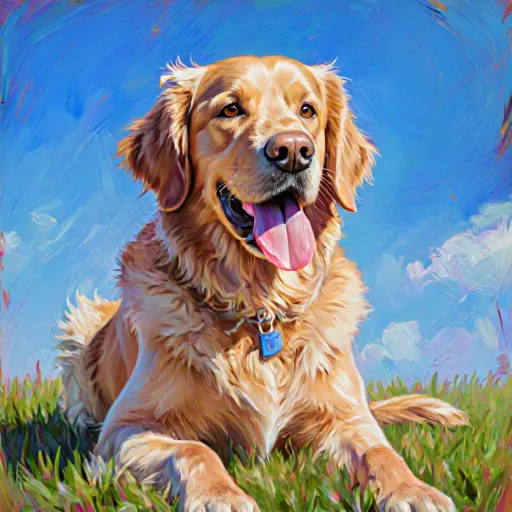
Unlock the Bond: How Dogs Show Unconditional Love
Why Dogs Are Wired for Unconditional Love
Table of Contents
- Introduction to Dog Loyalty
- The Evolutionary Basis of Loyalty
- Role of Hormones in Dog Loyalty
- Bonding with Humans: The Power of Touch
- The Impact of Early Socialization on Loyalty
- The Role of Play in Strengthening Bonds
- Genetic Factors Influencing Dog Behavior
- The Influence of Environment on Loyalty
- Psychological Benefits of Having a Pet
- Cognitive Abilities and Problem-Solving Skills in Dogs
- The Role of Training in Establishing Loyalty
- Case Studies: Exceptional Examples of Loyalty
- Conclusion
- FAQ About Dog Loyalty
Introduction to Dog Loyalty
The concept of dog loyalty has long intrigued both pet owners and animal behaviorists alike. At its core, dog loyalty is a deep bond between a human and their canine companion rooted in mutual trust and affection. This relationship goes beyond the simple act of companionship; it involves a psychological connection that is built over time through consistent care, training, and positive reinforcement.
According to The Psychology Behind Dog Loyalty, loyalty can be understood as an emotional bond where dogs exhibit behavior indicative of trust and devotion. Dogs are pack animals by nature, and their attachment to humans often mimics the relationship they would have with other members of their canine pack. This natural tendency is heightened in domestic settings through socialization processes that encourage attachment.
Dogs' loyalty is not just a one-sided affair; it's reciprocal. When a dog shows loyalty, it means that the dog has formed a bond where it feels safe and secure with its human family. In return, humans provide care, affection, and consistency in their interactions. This mutual exchange fosters an environment conducive to strong bonds.
One of the key aspects of understanding loyalty is recognizing how dogs perceive their role within the household. Dogs interpret their place as a critical part of the pack, and when they feel valued and understood by their human family, they are more likely to exhibit loyal behaviors such as following commands without hesitation or offering comfort during times of distress.
It's important for pet owners to understand the psychological basis behind why dogs behave in certain ways. For instance, when a dog returns from an absence and seeks out its owner with eager behavior, it is expressing its loyalty through a desire for reassurance and connection. This behavior reflects the deep emotional bond they share.
Practical advice for fostering this loyalty includes providing consistent training, offering plenty of positive reinforcement, and creating routines that include both playtime and quiet moments together. These activities not only strengthen the bond but also help dogs understand their role within the family unit. Regular exercise is another crucial factor; it helps reduce stress levels in dogs, making them more relaxed and less likely to misbehave.
Understanding the psychology behind dog loyalty can significantly enhance the relationship between pet owners and their pets. By recognizing how dogs perceive their place in the household and treating them accordingly, you can deepen that bond and create a stronger, more fulfilling companionship.
The Evolutionary Basis of Loyalty
The concept of loyalty is deeply rooted in evolutionary biology, as it plays a crucial role in the survival and success of various species. Loyalty within dog-human relationships can be seen as an extension of this natural phenomenon, where dogs have evolved to form strong bonds with their caretakers for mutual benefit. Understanding the evolutionary basis of loyalty provides valuable insight into why dogs are so loyal to humans.
Dogs, being pack animals, rely on cooperation and support from other members of the pack for survival. Over millennia, this need for unity has driven the evolution of loyalty in canines. The domestication process further strengthened these bonds as humans began to integrate dogs into their households. Loyalty became a mutual advantage: dogs received protection, food, and companionship, while humans had an invaluable companion capable of providing early warning systems against predators.
From an evolutionary perspective, loyalty is adaptive because it promotes cooperation within groups, leading to increased chances of survival for all members involved. In the context of dog loyalty towards their owners, this translates into a bond that ensures mutual support and care. This relationship also fosters a sense of trust and security between humans and dogs.
Dogs exhibit loyalty in various ways, such as staying close to their owner, following commands, and even displaying protective behavior. These behaviors are not just learned actions but are rooted in the instincts that have evolved over time. For instance, when a dog detects danger or hears an unfamiliar sound, its instinctive response is often to alert its pack by barking—a behavior that can be seen as a form of loyalty towards its human family.
Additionally, dogs show loyalty through their ability to recognize and respond to familiar faces and voices. This recognition skill is not merely coincidental but stems from the evolutionary advantages it provides in maintaining social bonds within packs. In domestic settings, this translates into dogs greeting owners with joy upon returning home or being excited when called by name.
Practical advice for fostering loyalty between humans and dogs includes providing consistent care, training, and affection. Regular exercise and mental stimulation also play crucial roles in maintaining a strong bond. Owners should strive to be fair and patient while teaching commands and reinforcing good behavior. Positive reinforcement techniques like treats and praise can strengthen the connection and encourage loyalty.
Understanding that loyalty is an evolutionary trait helps human owners appreciate the depth of their dogs’ affection. By recognizing these natural instincts, pet parents can better understand and respond to their dogs' needs, leading to healthier relationships based on mutual respect and trust.
Role of Hormones in Dog Loyalty
The role of hormones in dog loyalty cannot be overstated, as these chemical messengers play a crucial part in shaping the emotional bonds between dogs and their human companions. Hormones such as oxytocin, dopamine, and serotonin are particularly influential in fostering trust, affection, and loyalty in both humans and canines. This connection is further supported by research outlined in "The Psychology Behind Dog Loyalty," which delves into the neurological aspects of behavior and emotional responses.
Known as the "bonding hormone," oxytocin is released during interactions that involve physical contact, such as petting or grooming. This release strengthens the emotional connection between the dog and its owner, promoting feelings of trust and loyalty. Oxytocin can be particularly evident in behaviors like following a familiar person around or seeking out affectionate attention.
For example, when you spend time with your dog and engage in activities that involve touch, such as playing fetch or cuddling on the couch, oxytocin levels increase. Over time, this repeated release of oxytocin helps to reinforce the bond between human and pet, making the dog feel more loyal towards its owner.
Practical advice: Regularly engage in physical contact with your dog through playtime or grooming sessions. This can help foster a deeper emotional connection and increase feelings of loyalty.
Dopamine is often associated with the "reward" system, which motivates behaviors that are likely to be repeated for future benefits. In dogs, dopamine release can occur during positive reinforcement training sessions, such as when a dog successfully performs a command and receives praise or treats.
For instance, when your dog learns a new trick and is rewarded with a treat, the brain releases dopamine, creating a positive association between the action performed and the reward received. This reinforces the behavior, making it more likely that the dog will repeat similar actions to gain the same pleasurable feeling.
Practical advice: Incorporate positive reinforcement training techniques into your routine. By rewarding desired behaviors with treats or praise, you can boost dopamine levels, encouraging loyalty and good behavior.
Although serotonin is primarily known for its role in regulating mood and reducing anxiety, it also contributes to the overall well-being of your dog. A healthy serotonin balance can lead to a more relaxed and content pet, which may enhance loyalty by making the dog feel secure and comfortable around its owner.
For example, dogs with higher levels of serotonin are less likely to exhibit anxious or aggressive behaviors, both of which could disrupt the bond between the dog and its human. Ensuring your dog has a balanced diet and regular exercise can help maintain healthy serotonin levels.
Practical advice: Make sure your dog is getting enough exercise and mental stimulation each day. A happy, well-balanced dog is more likely to be loyal and responsive to its owner.
In "The Psychology Behind Dog Loyalty," it is suggested that the evolution of dogs from wolves has been significantly influenced by hormonal factors. Wolves, like their domesticated counterparts, have strong social hierarchies and pack dynamics. Oxytocin, dopamine, and serotonin play key roles in maintaining these relationships within a group.
When domesticated, these hormonal systems were adapted to form bonds with humans instead of other dogs. This adaptation has led to the development of loyalty as a trait that is highly valued by both humans and canines. By understanding this evolutionary context, we can better appreciate how hormones shape dog behavior and strengthen the human-dog bond.
Practical advice: Recognize the role that evolution plays in your relationship with your dog. Understanding these aspects of canine psychology can help you foster a stronger, more loyal connection with your pet.
Bonding with Humans: The Power of Touch
The bond between a dog and its human is one of nature's most beautiful partnerships. In psychology, this relationship is often explored through the concept of attachment theory, which highlights the importance of touch in fostering strong emotional connections. Touch is not just about physical affection; it plays a crucial role in communication, stress reduction, and overall well-being for both humans and dogs.
Dogs are known for their loyalty, and this trait can be attributed to the strong bonds formed through touch. When a dog receives affectionate touches like petting, stroking, or cuddling, it releases oxytocin—a hormone that promotes bonding and trust. This chemical reaction strengthens the emotional connection between the dog and its owner, fostering a sense of security and companionship.
Examples of Touch in Strengthening Bonds
- Petting after a walk: After a long walk, petting your dog can help them relax and feel appreciated. This simple gesture reinforces the positive relationship between you two.
- Massage during training sessions: Incorporating gentle touch during training can make the experience more enjoyable for both parties. It shows that you are there to support them through any challenges.
- Hugging after a long day: Dogs love hugs just as much as humans do! A quick embrace upon returning home can ease their stress and express your affection.
Dog loyalty is deeply rooted in evolutionary psychology. Over thousands of years, dogs have developed a strong attachment to humans due to selective breeding practices that favored those who were most docile and loyal. In return, humans provided shelter, food, and protection.
The concept of "pack mentality" further explains why touch plays such an integral part in dog loyalty. Dogs naturally seek out companionship within their pack (which includes humans), and physical touch is a way to signal that the human is part of this pack. This bond helps reduce feelings of isolation and anxiety, making the dog feel more secure and less stressed.
Practical Advice for Strengthening Your Bond
- Establish regular routines: Consistent petting sessions or cuddle times can reinforce that you are a reliable source of affection. This consistency is key to building strong, lasting bonds.
- Use touch during playtime: Incorporate touches like pats and squeezes into your dog's favorite games. This not only makes the game more engaging but also strengthens your bond through shared enjoyment.
- Show affection after training sessions: After a successful training session, a pat or hug can provide positive reinforcement and celebrate their achievement.
In conclusion, touch is a powerful tool in bonding with dogs. By understanding the psychology behind dog loyalty and incorporating regular physical contact into your daily routine, you can deepen the emotional connection between you and your furry friend. Remember, a little affection goes a long way in creating a loyal, happy, and well-adjusted companion.
The Impact of Early Socialization on Loyalty
The impact of early socialization on loyalty, as explored through the lens of canine psychology, can be a powerful analogy for understanding human behavior. Dogs, like humans, form bonds based on trust and positive interactions during their early developmental stages. Just as puppies that are exposed to various stimuli and socialized properly develop into well-rounded and loyal companions, individuals who experience meaningful and enriching relationships in their early years are more likely to exhibit loyalty and strong interpersonal ties throughout life.
The Role of Early Experiences
Research in psychology indicates that the first few months of a dog's life are crucial for developing social bonds and trust. Similarly, humans who experience consistent care, affection, and positive reinforcement during their early childhood tend to develop greater resilience, self-esteem, and loyalty towards those around them. Early experiences shape neural pathways, influencing behavior well into adulthood. For instance, puppies that receive proper socialization from birth are more likely to approach new people or animals with confidence rather than fear.
Consistency and Routine
A consistent routine during early childhood can foster a sense of security and predictability, which is crucial for building loyalty. In the case of dogs, a steady schedule of meals, walks, and playtime helps establish a reliable foundation that strengthens the bond between human and pet. For humans, this could translate to setting regular times for family dinners or consistent communication with loved ones.
Positive Reinforcement
Positive reinforcement plays a vital role in both dog training and child development. In dogs, rewarding good behavior encourages them to repeat actions that lead to favorable outcomes. Similarly, praising children for their efforts and achievements can reinforce positive behaviors and promote loyalty towards caregivers. For example, acknowledging a child's participation in community service can enhance their sense of duty and loyalty toward society.
The Power of Role Models
Just as puppies learn from the behavior of their mother or littermates, children often emulate the actions and attitudes of their role models. If parents demonstrate loyalty and commitment in their relationships and commitments, children are more likely to adopt these qualities themselves. For instance, a child who witnesses their parents consistently supporting community initiatives may feel inspired to do the same.
Practical Advice for Building Loyalty
- Create Routine: Establish consistent daily routines that provide structure and predictability. This helps build trust between individuals, whether you're a parent or a pet owner.
- Praise Efforts: Recognize and praise positive behaviors to reinforce loyalty and commitment. Whether it's acknowledging a child’s hard work or rewarding a dog for good behavior, recognition is key.
- Model Loyalty: Demonstrate loyalty in your actions and relationships. Children learn by example, so showing dedication and trustworthiness will influence their own behaviors.
In conclusion, the principles of early socialization that contribute to dog loyalty can be applied metaphorically to human development. By fostering positive experiences and consistent routines during formative years, we can nurture loyalty and strong interpersonal bonds in both humans and our furry companions.
The Role of Play in Strengthening Bonds
In the realm of dog ownership, play is not merely a fun activity but a vital component that significantly contributes to the strengthening of bonds between humans and their canine companions. This section delves into how play fosters trust, emotional connection, and loyalty in dogs, drawing on insights from psychology to illustrate why it's essential for both pets and owners.
Dog loyalty is deeply rooted in the evolutionary history of the species. Dogs are pack animals that thrive on social interaction and cooperation. Over thousands of years, dogs have developed a strong bond with humans as they were domesticated to serve alongside people. The psychology behind this loyalty lies in the mutual trust and understanding that develop between humans and their dogs.
Trust Building Through Play
Play is one of the primary ways in which pets and owners can build trust. In a playful setting, both dog and owner are engaged in a shared activity where there is no threat or competition. This mutual engagement helps to create a sense of safety and security for the dog. When dogs feel secure, they are more likely to be open and responsive to their human companions.
For example, simple games like fetch or tug-of-war can help establish trust between the owner and the dog. During these activities, the dog learns that its human partner is not a threat but rather someone with whom it can have fun and rely on for positive reinforcement. This trust forms the foundation of stronger bonds.
The Role of Positive Reinforcement
Positive reinforcement plays a crucial role in play-based bonding between dogs and their owners. When a dog successfully completes a task or engages positively during play, it receives praise, treats, or affection. This positive reinforcement not only teaches the dog what behavior is desirable but also strengthens the emotional connection.
Practical advice: Always ensure that rewards are given in a timely manner to maximize the effectiveness of positive reinforcement. For instance, after completing a game of fetch, immediately shower your dog with praise and petting. Over time, this pattern will reinforce the bond between you and your dog.
The Impact of Routine Play
A consistent play routine can significantly enhance the relationship between dogs and their owners. Regular playtimes create predictable patterns that help both pets and humans feel secure and happy. This predictability is particularly important for dogs, as it mimics the pack behavior they are accustomed to in nature.
For example, setting aside time each day for a structured game like hide-and-seek or a simple obstacle course can greatly improve your dog’s mental health and physical fitness. Additionally, these routines provide an opportunity for owners to observe their dogs’ behaviors closely, which can help identify any potential issues early on.
Play as Emotional Therapy
Psychologically speaking, play serves as a form of emotional therapy for both humans and dogs. Through play, dogs learn to manage stress and anxiety, while also providing owners with a sense of companionship and comfort. The joy derived from playing together can elevate moods and reduce feelings of loneliness or isolation.
Practical advice: Incorporate play into your daily routine as much as possible. Whether it's through interactive toys, outdoor games, or simple training exercises, making time for play can greatly benefit both you and your dog emotionally.
The Importance of Respect in Play
To ensure that play remains a positive and enriching experience for all involved, respect must be maintained at all times. Both the owner and the dog should understand boundaries during play to prevent any unintentional harm or discomfort. For example, if your dog shows signs of being overwhelmed by an activity, it’s important to stop immediately and choose something less stimulating.
Practical advice: Always pay attention to your dog's body language. If they seem overly stressed, tired, or uninterested in the game, it may be time to switch activities or take a break.
Conclusion
In summary, play is more than just fun; it’s essential for building and maintaining strong bonds between dogs and their owners. By understanding the psychological aspects of dog loyalty and incorporating playful activities into your daily routine, you can significantly enhance the quality of life for both pets and people.
Genetic Factors Influencing Dog Behavior
The psychology behind dog loyalty is deeply rooted in their genetic makeup. Dogs, as descendants of wolves, have evolved over thousands of years to form strong social bonds with humans. Genetic factors play a crucial role in shaping the behaviors that we often associate with loyalty and affectionate interactions.
Dogs inherit certain predispositions towards attachment behavior from their genetic heritage. Research has shown that specific genes are linked to the neurotransmitters serotonin, dopamine, and oxytocin—all of which play key roles in social bonding.
- Serotonin: Associated with regulating mood and social interactions, higher levels of serotonin can promote a calm and stable temperament. Dogs inheriting genes that enhance serotonin production may exhibit more consistent and less reactive behavior towards humans.
- Dopamine: This neurotransmitter is responsible for reward-motivated behaviors. Puppies with inherited traits that boost dopamine responses are likely to form stronger bonds with their owners by seeking out positive reinforcement in the form of playtime or treats.
- Oxytocin: Often referred to as the "bonding hormone," oxytocin is crucial for attachment behaviors. Dogs possessing genetic variations linked to higher oxytocin levels are more likely to be affectionate and responsive to their owners, forming deeper emotional connections.
The temperament of a dog is largely determined by its genetics, which can influence how loyal it will be. Some breeds are inherently more inclined towards loyalty due to their genetic makeup:
| Breed Group | Example Breeds | Predisposition to Loyalty |
|---|---|---|
| Sighthounds | Greyhound, Whippet | Dogs in this group are known for their loyalty and devotion to their owners. |
| Hound Breeds | Basset Hound, Beagle | Predisposed towards strong attachment behaviors due to their hunting instincts which require pack-like behavior with humans. |
| Working Dogs | German Shepherd, Border Collie | Bred for intelligence and obedience, these breeds often form very strong bonds with their human companions. |
To maximize the loyalty of your dog, it's important to understand how genetic factors influence behavior. Here are some practical tips:
- Select Breeds Wisely: If you're looking for a loyal companion, consider breeds known for their strong attachment behaviors.
- Early Socialization: Starting socialization early can help reinforce genetic predispositions towards loyalty. Expose puppies to various people and environments from an early age to develop trust and bond formation.
- Positive Reinforcement Training: Use positive reinforcement techniques such as treats, praise, and play to strengthen the bonds between you and your dog based on their inherited tendencies for social interaction.
In conclusion, while environmental factors also play a significant role in shaping a dog's behavior, understanding the genetic influences can help both breeders and owners foster deeper and more loyal relationships with their canine companions. By recognizing these inherent traits, you can create an environment that encourages and nurtures the best qualities of your dog.
The Influence of Environment on Loyalty
The relationship between a dog and its owner is often seen as one of the most profound examples of loyalty in nature. This deep bond is not solely based on genetics but is significantly influenced by environmental factors that shape behavior, trust, and affection.
The environment plays a crucial role in determining how loyal an individual or animal becomes towards their companions. For dogs specifically, early socialization and consistent training can greatly influence their loyalty. A dog that is raised in a stable home with regular interaction and positive reinforcement will develop strong bonds of trust and affection.
Early Socialization
During the critical period of puppyhood (typically between 3 to 16 weeks), dogs are highly receptive to learning from their environment. Positive experiences during this time can lead to long-term loyalty, while negative or traumatic events may result in fear or aggression.
Consistent Training
A well-trained dog is more likely to be obedient and loyal because they understand expectations and boundaries set by their owners. Regular training sessions reinforce the bond between the owner and the pet, making it easier for both parties to communicate effectively.
Dogs exhibit loyalty due to a combination of instinctive behaviors and learned responses shaped by their environment. Research in animal behavior suggests that dogs are pack animals who naturally form strong alliances with those they perceive as part of their group.
Attachment Theory
In psychology, attachment theory explains how individuals bond emotionally to others. Similar principles apply to the relationship between humans and pets like dogs. When owners spend quality time with their dogs, feeding them affectionately or playing together regularly, they foster an emotional connection that can lead to high levels of loyalty.
Positive Reinforcement
The use of positive reinforcement techniques such as treats, praise, and petting encourages desirable behaviors in dogs. Over time, this approach strengthens the bond between owner and dog, reinforcing mutual respect and trust.
Quality Time Together
To build a strong relationship with your pet, ensure you dedicate sufficient time each day to interacting with them. This could include walks, games, or simply sitting together quietly. Spending quality time helps create positive associations between you and your dog.
Consistency in Routine
A predictable daily routine provides stability which is comforting for both humans and animals alike. Consistent feeding times, play sessions, and walks help establish trust and predictability—key components of a loyal relationship.
Use Positive Reinforcement Regularly
Continuously rewarding good behavior through verbal praise or small treats can significantly enhance your dog's willingness to follow commands and stay close. Be generous with these rewards early on when introducing new behaviors.
One famous example of environmental influence on loyalty is the story of Hachiko, a Japanese Akita who waited faithfully outside Tokyo Station daily for decades after his owner died. His unwavering devotion was largely due to consistent routines and positive interactions during his upbringing.
In another instance, rescue dogs often become extremely loyal to their new owners following rehabilitation programs that focus on building trust through nurturing environments and structured training regimes.
Psychological Benefits of Having a Pet
The act of caring for and spending time with a pet can significantly enhance one's mental health. Pets, especially dogs, provide unconditional love and support that can have profound psychological benefits. The psychology behind dog loyalty offers insights into why pets are so effective in improving our emotional well-being.
Dogs, with their innate ability to sense human emotions, offer a form of therapy by simply being present. Studies have shown that interacting with dogs can lower levels of the stress hormone cortisol and increase the production of serotonin and dopamine, which are associated with feelings of happiness and relaxation.
The presence of a pet can encourage social interactions. Dog owners often find themselves in conversations about their pets at parks or other public places. This increased exposure to people can help alleviate feelings of isolation, especially for those who are introverted or live alone.
Dogs provide emotional support by offering companionship and a listening ear. Their loyalty and unwavering affection can serve as a source of comfort during difficult times. This emotional bond helps pet owners feel less lonely, more secure, and more loved.
The psychological benefits of having a pet extend to improved mental health outcomes. Pets can help in managing conditions such as anxiety and depression by providing a distraction from negative thoughts and promoting regular routines that are crucial for emotional stability.
Dogs require daily walks, feeding schedules, and playtime, which helps to establish a routine. This structure can be particularly beneficial for individuals who struggle with maintaining a consistent schedule or feel unmotivated. Regular activities with pets can help in setting goals and achieving them.
- Pet therapy programs are often used in hospitals, nursing homes, and schools to provide psychological benefits for patients and students alike.
- Dogs have been used in therapy sessions for people with PTSD, helping them feel safer and more secure during difficult moments.
- Service dogs assist individuals with disabilities by providing a sense of security and independence.
To maximize the psychological benefits of having a pet, consider:
- Spending quality time together through walks, playtime, or cuddling.
- Establishing regular routines for feeding and exercise to promote a structured daily life.
- Making use of pet therapy programs available in your community when needed.
Cognitive Abilities and Problem-Solving Skills in Dogs
Dogs, often referred to as "man's best friend," possess a remarkable range of cognitive abilities that contribute significantly to their problem-solving skills. These skills are not only essential for their survival but also play a crucial role in the strong bonds they form with humans. Understanding these cognitive processes can provide deeper insights into why dogs are so loyal and devoted.
Dogs have been observed to exhibit various problem-solving behaviors that demonstrate their intelligence and adaptability. These skills range from finding hidden treats to learning new commands or even understanding complex social cues. For instance, Border Collies are known for their exceptional herding abilities, which involve a high degree of spatial reasoning and the ability to follow detailed instructions.
Examples of Problem-Solving Behaviors
- Treasure Hunts: Dogs can be trained to find hidden objects using their sense of smell. This involves a combination of olfactory recognition and following directional cues, which showcases their cognitive flexibility.
- Obstacle Courses: Participating in agility courses requires dogs to navigate through various obstacles while remembering the sequence of movements. This tests their memory, motor skills, and decision-making abilities.
- Solving Puzzles: Interactive toys that require dogs to push or pull certain parts to release treats engage their problem-solving instincts and provide mental stimulation.
Dog loyalty is deeply rooted in their evolutionary history and the selective breeding practices of humans. Over millennia, dogs have adapted to live in close proximity with humans, forming strong emotional bonds based on mutual cooperation and trust.
Evolutionary Adaptations for Loyalty
Dogs are highly social animals that thrive when they can interact with their pack (which now includes human families). The domestication process has amplified these tendencies, leading to behaviors such as following commands, protecting their human family members, and even sensing emotional states. For example, dogs have been shown to respond to human stress by offering physical comfort.
Selective Breeding for Loyalty
Human intervention in breeding has played a key role in shaping the loyalty of modern dogs. Early breeders selected dogs that displayed traits such as obedience, protectiveness, and companionship. Over generations, these desirable qualities became more pronounced. For instance, breeds like Golden Retrievers are bred for their gentle dispositions and eagerness to please, which contributes significantly to their loyal nature.
Emotional Bonding
The psychology of loyalty in dogs is closely tied to the emotional bond they form with humans. Dogs can sense when their owners are happy or sad and adjust their behavior accordingly. This mutual emotional connection fosters a deeper level of trust and commitment, which underpins dog loyalty.
To foster greater loyalty in your dog, it is essential to provide them with mental stimulation, physical exercise, and consistent training. Here are some practical tips:
- Mental Stimulation: Engage your dog in activities that challenge their minds. Puzzle toys, hide-and-seek games, or even simple obedience drills can help keep their cognitive abilities sharp.
- Physical Exercise: Ensure your dog gets ample physical activity to maintain both physical and mental health. This helps prevent boredom and reduces the likelihood of destructive behaviors.
- Consistent Training: Regular training sessions reinforce the bond between you and your dog while teaching them valuable skills that contribute to their overall well-being.
In conclusion, understanding the cognitive abilities and problem-solving skills in dogs can greatly enhance our appreciation for their loyalty. By recognizing these traits and fostering a strong emotional connection, we can deepen the relationship between humans and their canine companions, creating a mutually beneficial and joyful partnership.
The Role of Training in Establishing Loyalty
The role of training in establishing loyalty, especially within the context of dog psychology, is multifaceted. Dogs are social animals that naturally seek out pack leaders for guidance and security. In a domestic setting, humans serve as these leaders, and effective training helps to reinforce this leadership and fosters a strong bond between human and pet.
Psychologically speaking, dogs develop loyalty through clear communication, consistency, and positive reinforcement during training sessions. When a dog understands what is expected of it and receives positive feedback for meeting those expectations, it strengthens the trust relationship. This mutual respect forms the foundation of loyalty in any relationship, whether human-to-human or human-to-dog.
For instance, consider basic commands like "sit," "stay," and "come." By consistently teaching these behaviors using positive reinforcement methods such as treats and praise, a dog learns not only obedience but also the importance of the bond between you. The more reliable your dog becomes in following these commands, the more confident it will feel about its role within the family hierarchy.
Positive reinforcement is crucial because it taps into dogs' natural reward-seeking behaviors. Dogs are naturally inclined to seek out pleasing experiences, so rewarding them for good behavior aligns with their instincts. This creates a positive association between you and those desired actions, making training an enjoyable experience for both parties involved.
Incorporating playtime as part of the training process further deepens this connection. Engaging in activities that dogs enjoy like fetch or tug-of-war can be a fun way to reinforce commands while also strengthening your bond. However, it’s important to remember that these sessions should serve multiple purposes—teaching obedience, providing mental stimulation, and building emotional attachment.
Avoiding punishment-based training methods is essential as well. Dogs do not inherently understand negative consequences the same way humans do. Instead of associating punishments with misbehavior, dogs might instead feel fear or confusion. This can lead to stress and anxiety in your pet, which ultimately undermines any sense of loyalty they may have developed.
To summarize, effective training plays a pivotal role in establishing loyalty between humans and their dogs by leveraging the natural reward-seeking behaviors of animals. Through consistent communication, positive reinforcement, and engaging playtime activities, you can create a strong bond based on mutual respect and understanding. This approach ensures that your dog feels secure under your leadership while also enjoying its time with you.
Case Studies: Exceptional Examples of Loyalty
The psychology behind dog loyalty is rooted in trust, attachment, and mutual benefit. Dogs are pack animals with a strong sense of hierarchy and cooperation. This innate behavior translates into their unwavering loyalty to humans who provide leadership and care.
Case Study: The True Companion
Meet Max, a rescue dog who, after being abandoned by his previous owners, found solace in the home of the Johnson family. Max had developed severe trust issues due to neglect from his former caretakers. However, under the loving care and consistent training provided by the Johnsons, Max began to flourish.
Max's loyalty to the Johnsons was evident in numerous ways:
- Nighttime Presence: Every night since joining the family, Max has insisted on sleeping at the foot of his owner’s bed. This behavior is a sign of deep attachment and trust.
- Rescue Missions: When the Johnsons were involved in an emergency situation requiring evacuation, Max demonstrated remarkable resilience by staying with them throughout the ordeal without any signs of fear or anxiety.
- Comforting Presence: On days when one of the family members was feeling down, Max would always be there to offer comfort through simple actions like resting his head on their lap or simply being near them.
Case Study: The Lifeguard
Bella, a golden retriever, was known for her exceptional swimming skills and strong sense of duty. After hearing about the tragic drowning of a local swimmer, Bella made it her mission to prevent further accidents.
- Water Patrol: Bella would frequently patrol the local lake where many families enjoyed leisure activities. She spent hours alerting people who were not paying attention or swimming too far from shore.
- Rescues: On one particularly memorable occasion, Bella dove into the water and successfully rescued a child who had fallen in distress near a dangerous underwater rock formation.
- Praise and Recognition: Bella’s efforts did not go unnoticed. She received several awards for her heroic actions and was featured in local news segments, inspiring many to be more vigilant around water.
Case Study: The Hero Dog
When a major fire broke out near a small town, it was not just the firefighters who worked tirelessly to save lives. Koda, an Australian shepherd mix, played a crucial role in evacuating residents from their homes.
- Guiding Residents: Koda would run back and forth between the flames and safety, guiding people out of harm’s way with her fearless demeanor.
- Inspiring Others: Her bravery was contagious. Many residents commented that watching Koda made them feel safe enough to brave the dangerous conditions themselves for their loved ones.
- Post-Disaster Support: After the fire, Koda continued to provide support by visiting those who had lost everything in the disaster, offering comfort and companionship.
These case studies highlight how loyalty is not just a trait but an action. Dogs like Max, Bella, and Koda demonstrate that trust, care, and mutual respect can lead to extraordinary acts of loyalty and bravery. By understanding the psychology behind dog loyalty, we can better appreciate these remarkable bonds and continue to nurture them in our own lives.
Conclusion
The bond between humans and dogs is one of the most profound relationships we can form. This loyalty goes beyond mere companionship; it taps into deep psychological principles that resonate with both the owner and the canine alike. Understanding these principles not only strengthens this relationship but also enhances the overall well-being of both parties involved.
Dogs, like humans, are social creatures who seek out interactions that fulfill their emotional needs. According to the book "The Psychology Behind Dog Loyalty," dogs are inherently driven by a need for attachment and belonging. This innate drive is rooted in evolutionary biology, where pack behavior ensured survival through cooperation and mutual support. Dogs continue this tradition with their owners, viewing them as part of their pack.
The concept of trust plays a critical role in the bond between dogs and humans. Trust is built over time through consistent care, training, and positive reinforcement. When a dog feels trusted by its owner, it reciprocates with loyalty and affection. For instance, a simple daily walk or playtime can reinforce this trust, creating a strong foundation for the relationship.
Positive reinforcement also significantly impacts a dog's behavior and emotional state. Rewards such as treats, praise, or affection help dogs learn appropriate behaviors while simultaneously strengthening their bond with their owner. This principle is not only effective in training but also in maintaining a happy and loyal pet. Owners who consistently use positive reinforcement methods are likely to see increased loyalty from their pets.
Understanding the language of dogs can further enhance this relationship. Dogs communicate primarily through body language, which includes tail wags, ear positions, facial expressions, and posture. By learning to interpret these signals, owners can better meet their dog's needs and expectations, thereby fostering deeper loyalty. For example, if a dog frequently approaches its owner with a wagging tail, it is likely expressing happiness or seeking attention.
Finally, the importance of time and patience cannot be overstated in nurturing a loyal canine companion. Every relationship requires investment, and this is no different when it comes to pets. Regular interaction, understanding their needs, and providing them with a stable and loving environment are key factors in maintaining long-term loyalty. Owners who take the time to understand their dogs' unique personalities and preferences will find that their dogs reciprocate with unwavering loyalty.
In conclusion, the psychology behind dog loyalty is multifaceted, involving trust, positive reinforcement, understanding, and consistent care. By delving into these principles and applying them in daily interactions, owners can not only strengthen their bond but also enjoy a truly loyal and loving companion for life.
FAQ About Dog Loyalty
Dogs are often referred to as "man's best friend" due to their unwavering loyalty and affection. This loyalty is rooted in the deep emotional bond that develops between humans and dogs over time, but it also has psychological underpinnings that can be traced back to their evolutionary history and the way they interact with their human companions.
Evolutionary Roots of Loyalty
Dogs are a domesticated form of wolves, which have long been known for their pack mentality. Wolves rely heavily on cooperation and loyalty within their packs to survive in harsh environments. In the wild, individuals who show signs of disloyalty or aggression towards others in the pack can be excluded from the group, leading to increased risk of death or injury.
When dogs were domesticated thousands of years ago, humans capitalized on this loyalty by forming alliances with them for hunting and protection. Over time, these bonds evolved into a more personal relationship where both species benefit—humans receive companionship and security while dogs gain access to food, shelter, and care.
Attachment Theory
The concept of attachment theory, developed by psychologist John Bowlby, explains how children form close emotional bonds with caregivers. This theory also applies to the relationship between humans and their pets like dogs. Dogs can develop strong attachments to their owners based on consistent interactions, positive reinforcement training methods, and shared activities.
When a dog feels secure in its environment and receives love and attention from its owner, it is more likely to be loyal and protective of that person. Conversely, neglect or inconsistent behavior may lead to confusion or stress in the animal, potentially weakening the bond between them.
The Role of Positive Reinforcement
Positive reinforcement plays a crucial role in shaping a dog's loyalty through training and rewarding desirable behaviors. When dogs receive treats, praise, or other rewards after performing tasks or exhibiting good behavior towards their owner, they are more likely to repeat those actions out of expectation for future rewards.
This process strengthens the association between the owner and the desired action, fostering a sense of loyalty. For example, if your dog consistently fetches your slippers because it knows you'll give them a treat afterward, over time this behavior could become instinctual and ingrained in their personality.
Practical Advice for Fostering Loyalty
- Consistency: Establish routines that include feeding times, walks, play sessions, etc., so your dog learns what to expect each day. Consistency helps create a stable environment which promotes strong bonds.
- Praise and Rewards: Always praise or reward good behavior promptly; consistency reinforces positive associations between you and the action taken by your pet.
- Socialization: Encourage socializing with other dogs under controlled circumstances, as this helps build confidence and reduces anxiety around new situations. A confident dog is more likely to be loyal.
In conclusion, understanding the psychology behind dog loyalty can help pet owners appreciate their canine companions even deeper. By providing a loving home environment, engaging in regular activities together, and using positive reinforcement techniques effectively, you can foster an incredibly strong bond of trust and affection with your dog.
Categories
- AI & Enrichment Play
- Broiler Farming
- Broiler Farming Tips
- Canine Wellness & Longevity
- Cat
- Cat & Human Connection
- Cat Adoption & Rescue
- Cat Breeds
- Cat Breeds & Personalities
- Cat Care & Health
- Cat Grooming & Hygiene
- Cat Lifestyle & Environment
- Cat Myths & History
- Cat Nutrition & Diet
- Cat Products & Reviews
- Cat Training & Behavior
- Comparison
- Consumer Awareness
- Dog
- Dog Accessories & Products
- Dog Adoption & Rescue
- Dog Breed & Lifestyle Trends
- Dog Breeding & Puppies
- Dog Entertainment & Media
- Dog Fashion & Trends
- Dog Fun & Lifestyle
- Dog Grooming & Hygiene
- Dog History & Culture
- Dog Myths, Science & Future Tech
- Dog News & Trends
- Dog Nutrition & Food
- Dog Psychology & Emotions
- Dog Safety & Security
- Dog Sports & Activities
- Dog Technology & Innovation
- Dog Training for Modern Owners
- Dog Travel & Adventure
- Dog Travel, Adventure & Culture
- Economic and Market Insights
- Educational Content
- FAQs
- Feeding Alternatives
- Festivals & Seasonal Ideas
- Fun & Entertainment
- General Knowledge
- General Pig Farming
- Health & Disease Management
- Housing and Environment
- Kittens
- Market Insights
- Miscellaneous
- Miscellaneous
- Motivational
- pig
- Pig Breeding
- Pig Breeds
- Pig Farming Stories and Inspiration
- Pig Health and Care
- Pig Nutrition
- Pig Products
- Profitability & Business
- Puppy Care
- Puppy Predictable Topics Reinvented
- Regional Focus
- Rescue & Adoption Buzz
- Senior Cats
- Senior Dog Care
- Smart Dog Tech & Gadgets
- Sustainability
- Sustainable & Eco-Friendly Dog Products
- Tech & Innovations
- Working & Service Dogs
- Broiler Feed66 products
- Country Feed33 products
- Pig Feed66 products
- Product22 products
- Raw Materials99 products
Products
-
 Soya Doc (Soyabean Meal)
₹2,449.00 – ₹2,699.00Price range: ₹2,449.00 through ₹2,699.00Rated 0 out of 5
Soya Doc (Soyabean Meal)
₹2,449.00 – ₹2,699.00Price range: ₹2,449.00 through ₹2,699.00Rated 0 out of 5 -
 Farm Fresh Eggs
₹10.00 – ₹15.00Price range: ₹10.00 through ₹15.00Rated 0 out of 5
Farm Fresh Eggs
₹10.00 – ₹15.00Price range: ₹10.00 through ₹15.00Rated 0 out of 5 -
 LAYER COUNTRY FEED
₹1,549.00 – ₹1,649.00Price range: ₹1,549.00 through ₹1,649.00Rated 0 out of 5
LAYER COUNTRY FEED
₹1,549.00 – ₹1,649.00Price range: ₹1,549.00 through ₹1,649.00Rated 0 out of 5 -
 FATTENING BROILER FEED
₹2,299.00 – ₹2,349.00Price range: ₹2,299.00 through ₹2,349.00Rated 0 out of 5
FATTENING BROILER FEED
₹2,299.00 – ₹2,349.00Price range: ₹2,299.00 through ₹2,349.00Rated 0 out of 5 -
 FINISHER BROILER FEED
₹2,199.00 – ₹2,299.00Price range: ₹2,199.00 through ₹2,299.00Rated 0 out of 5
FINISHER BROILER FEED
₹2,199.00 – ₹2,299.00Price range: ₹2,199.00 through ₹2,299.00Rated 0 out of 5 -
 STARTER COUNTRY FEED
₹1,699.00 – ₹1,799.00Price range: ₹1,699.00 through ₹1,799.00Rated 0 out of 5
STARTER COUNTRY FEED
₹1,699.00 – ₹1,799.00Price range: ₹1,699.00 through ₹1,799.00Rated 0 out of 5 -
 COUNTER BROILER FEED
₹1,199.00 – ₹1,299.00Price range: ₹1,199.00 through ₹1,299.00Rated 0 out of 5
COUNTER BROILER FEED
₹1,199.00 – ₹1,299.00Price range: ₹1,199.00 through ₹1,299.00Rated 0 out of 5 -
 Fish Meal
₹1,999.00 – ₹2,999.00Price range: ₹1,999.00 through ₹2,999.00Rated 0 out of 5
Fish Meal
₹1,999.00 – ₹2,999.00Price range: ₹1,999.00 through ₹2,999.00Rated 0 out of 5 -
 Pre Starter Broiler Feed
₹2,399.00 – ₹2,499.00Price range: ₹2,399.00 through ₹2,499.00Rated 0 out of 5
Pre Starter Broiler Feed
₹2,399.00 – ₹2,499.00Price range: ₹2,399.00 through ₹2,499.00Rated 0 out of 5 -
 LACTATING PIG FEED
Rated 0 out of 5
LACTATING PIG FEED
Rated 0 out of 5₹2,299.00Original price was: ₹2,299.00.₹1,740.00Current price is: ₹1,740.00.