
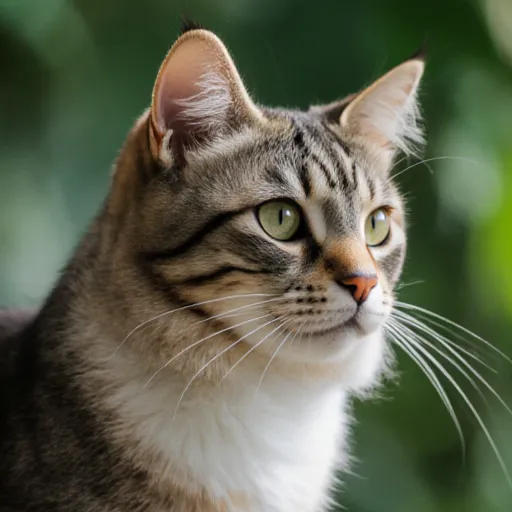
Cats Conquer Pop Culture: Why Our Felines Are Adored
Why the World Idolizes Our Cats Now
Table of Contents
- The Evolution of Cats in Popular Culture
- Early Internet Presence
- The Rise of Cat Videos
- Felines in Social Media
- Cat Memes and GIFs
- Celebrities and Famous Cats
- The Impact of Animal Rescue Videos
- Cats in Advertising and Marketing
- Cat Influencers on YouTube and TikTok
- The Role of Cat Photographers and Vloggers
- Cats in Video Games and Animation
- The Influence on Pet Ownership Trends
- Cats and Mental Health Awareness
- Current Trends and Future Prospects
- FAQ: Frequently Asked Questions about Cats on the Internet
The Evolution of Cats in Popular Culture
The evolution of cats in popular culture is a fascinating journey that spans centuries, from ancient Egypt's reverence for felines to their current status as internet icons. Cats have played significant roles in various forms of media and art, reflecting societal shifts and cultural trends.
In ancient civilizations like Egypt, cats were deified and held sacred. The goddess Bastet, a deity with the head of a cat, was worshipped for her protective role. This reverence for cats continued into medieval Europe, where they were associated with witchcraft in some cultures, leading to both adoration and fear.
As societies became more settled, domesticated cats began playing roles in households beyond just companionship. They were seen as protectors against vermin, a practical utility that contributed to their integration into daily life. Over time, this relationship evolved into a deeper bond where cats became beloved pets.
Cats have been featured in literature since ancient times, from the "Tale of Hor-Bakht" to modern novels. In art, they have inspired countless paintings, sculptures, and illustrations that capture their grace and charm. Their presence in these mediums reflects cultural values of beauty and elegance.
With the advent of the internet, cats found a new platform to shine. Websites like Catster and Reddit's r/meow have contributed to the rise of internet-based cat culture. Memes such as Grumpy Cat and Lil Bub gained immense popularity, highlighting the humorous and endearing nature of felines.
- Create Engaging Content: Share stories or photos that highlight your cat's unique personality. Memes, videos, and blogs can be powerful tools for engagement.
- Participate in Forums: Join platforms like Reddit where communities are already celebrating internet cats. Sharing tips or starting threads about your favorite feline traits can foster connections with others who appreciate these animals.
- Promote Adoption: Cats often go to new homes through shelters and rescues, making them a popular subject for adoption campaigns. Highlighting this aspect of cat culture not only spreads awareness but also helps find loving homes for stray or abandoned cats.
The journey from ancient deities to internet icons showcases how cats have continuously adapted to cultural changes while maintaining their timeless appeal. By embracing and celebrating this evolution, we can contribute positively to the ongoing legacy of these beloved creatures in popular culture.
Early Internet Presence
Before the rise of social media and widespread internet connectivity, early web surfers often stumbled upon simple yet captivating content that would go on to define their online experiences. One such example is how cats became internet icons.
The early days of the internet were marked by a simpler time when information was not as widely shared or as visually engaging as today. Early websites were more static, with limited multimedia capabilities. However, this changed significantly in 1997 with the release of Reeborg, an online virtual pet created by Jean-Paul Lefebvre. Reeborg was one of the first avatars to capture people's interest due to its interactive nature, though it lacked the visual appeal that would later come with advancements in web design.
Following the success of Reeborg, another milestone was reached whenKittycat, a simple animated GIF of a cat, became widely popular. This humble creation demonstrated how a small piece of content could go viral in an era before social media. Kittycat was not just a novelty; it sparked the early trend of internet memes and cultural moments that would later become a cornerstone of online communication.
The transition from text-heavy websites to more visually engaging formats marked the beginning of how we interact with the internet today. It is crucial for modern WordPress bloggers to understand these early developments, as they shaped user expectations in terms of content presentation and engagement.
For instance, consider how a simple image or video can instantly capture attention on social media platforms like Instagram or TikTok. In the early days of the internet, such visual appeal was limited but highly impactful when it came to building an online presence. Bloggers today should draw inspiration from these early moments by incorporating high-quality images and videos into their content.
To illustrate this point, think about the current era's viral cat videos on YouTube or Instagram Stories. These examples show how timeless the appeal of cats as internet icons really is. By leveraging similar visual storytelling techniques in your WordPress blog, you can create engaging posts that resonate with today’s audience while paying homage to the roots of online culture.
In conclusion, understanding the early internet presence and its evolution provides valuable insights for modern content creators. Just like how cats became internet icons, identifying and capitalizing on cultural trends can help build a robust and popular blog.
The Rise of Cat Videos
The rise of cat videos on the internet has been nothing short of remarkable. In recent years, these furry felines have become more than just pets; they've transformed into full-fledged internet icons. The phenomenon can be traced back to several key factors that contributed to their virality.
The internet has always been a place where trends and content evolve rapidly, but the rise of cat videos stands out as one of its most enduring successes. The appeal of cats is universal, and it's no surprise that they quickly captured the hearts of millions. But what made them particularly popular on the web?
1. Accessibility
Cats are accessible to almost everyone. They don't require specific skills or tools; anyone with a camera can capture their antics, and sharing videos is just as easy. This democratization of content creation has played a significant role in the rise of cat videos.
2. Emotional Connection
The emotional connection that people have with cats is another driving force behind the popularity of these videos. Cats often display behaviors that are both hilarious and endearing, such as playing with laser pointers or napping in strange places. Their unpredictability makes them endlessly entertaining.
3. Viral Sharing
The internet's ability to spread content quickly has been a major contributor to the success of cat videos. Platforms like YouTube, Facebook, and Twitter have made it easy for users to share these videos with friends and followers. The sharing mechanism encourages continuous exposure, leading to more views and engagement.
4. Humor and Amusement
Cats provide a lot of humor through their actions that are often unexpected or amusing. Videos like the "talking cat" or "cat doing something unusual" series tap into this universal sense of humor, making them easy targets for viral success.
5. Cultural Impact
Cats have also had a significant cultural impact beyond just the internet. From memes and social media trends to merchandise and even movies (like "Garfield"), cats have become part of our daily lives in ways we never thought possible.
If you're a WordPress blogger looking to capitalize on the trend, here are some tips:
- Create Original Content: Don't just repost existing content. Create your own videos or write about unique cat-related topics that haven't been covered yet.
- Optimize for SEO: Use relevant keywords in the title and description of your posts to improve visibility on search engines like Google.
- Engage with Your Audience: Encourage comments and discussions. Interaction can help build a community around your blog.
- Consistency is Key: Regular updates will keep your readers coming back for more.
By following these strategies, you can harness the power of cat videos to grow your WordPress-compatible blog and engage with a wider audience.
Felines in Social Media
Ever since cats took over the internet, they have been one of the most popular and recognizable icons across social media platforms. From Twitter to Instagram, cat photos and videos have captivated millions of users worldwide. How did cats become internet icons? It's a fascinating journey that began in the early days of social media when the first viral cat video was shared.
The rise of cats as internet icons started with the popularization of digital cameras and internet sharing capabilities. In 1997, a famous image of "Izzy," a tabby cat, appeared on the internet, becoming one of the earliest viral cat photos. This was followed by the release of "I Shot a Photograph" in 2005, which became an instant hit and showcased how cats could be used as humorous subjects.
Key Milestones
- The First Viral Cat Video: In 2007, "I Heart Cats" was uploaded to YouTube. This video set the stage for future viral cat content by showcasing a playful and lovable cat in action.
- Paw Print Trend: In the late 2000s, the paw print became an iconic symbol of cats on social media, often used with funny captions to create memes or share cat-related content.
- Cuteness Overload: As more and more people joined social media platforms like Facebook and Instagram, the demand for cute cat photos increased. This led to a surge in sharing and liking cat posts, further boosting their popularity.
Cats have been embraced by various social media trends that have helped cement their place as internet icons:
Facebook Cat Communities
Facebook groups dedicated to cats and cat lovers have flourished. These communities provide a space where users can share photos, stories, and even ask for advice on pet care. Some popular Facebook pages include "World's Cutest Cats" and "Adopt a Pet." These platforms not only foster a sense of community but also help raise awareness about the importance of responsible pet ownership.
Instagram Cat Challenges
The #catchallenge hashtag on Instagram has been used to promote creativity among users. Participants capture unique angles and humorous moments involving their feline companions, turning them into viral sensations. Examples include the "Cat Nap" challenge, where participants share pictures of their cats napping in various funny positions.
Twitter Cat Trends
Tweets featuring cats are often retweeted and favorited due to their relatable humor. Hashtags like #catsofinstagram and #felinehumor have become go-to tags for sharing cat-related content. Platforms like Twitter also enable users to follow specific accounts or lists focused on cat enthusiasts, ensuring they stay updated with the latest cat trends.
To effectively use cats as a marketing tool or simply enjoy sharing them online:
- Create Engaging Content: Share high-quality photos and videos that capture your cat's personality. Funny, cute, or educational content works best.
- Use Memes and GIFs: Utilize popular meme formats or create your own to make the posts more relatable and shareable.
- Engage with Your Audience: Respond to comments on social media, join cat-related discussions, and participate in online forums. This helps build a loyal community around your brand or personal page.
In conclusion, cats have become internet icons because of their natural appeal, the ease with which they can be captured through modern technology, and the universal love for them. By understanding this trend and applying it to social media strategies, you can join in on the fun and potentially even benefit from increased engagement and brand awareness.
Cat Memes and GIFs
Cats have long been a beloved symbol of the internet, and their journey from domestic pets to internet icons is nothing short of extraordinary. The rise of cat memes and GIFs can be traced back to various factors, including technology advancement, social media platforms, and the innate appeal of feline behavior.
The Birth of Cat Memes
The concept of cat memes began with simple images or videos that captured a funny or relatable moment in a cat's life. These moments could range from a cat attempting to open a door, napping in the most unexpected places, or simply being adorable in everyday situations. The humor derived from these moments is often rooted in the unpredictability and quirky nature of cats.
Examples of Early Cat Memes
- Grumpy Cat: Known for her distinctive grumpy face, Grumpy Cat was one of the earliest internet sensations. Her meme started with a series of photos taken by her owner who then posted them online. This led to an entire meme culture around "grumpiness" and sarcastic humor.
- Pizzarino: Another classic example, Pizzarino gained fame for his distinctive pose and expression, often seen as a mix of confusion and determination.
The Role of Social Media
Social media platforms like Twitter, Facebook, and Instagram played crucial roles in spreading cat memes. Users could easily share these images and videos with friends and followers, leading to widespread popularity. Platforms that allowed for easy sharing and commenting further fueled the growth of cat culture online.
Practical Advice: How to Create Your Own Cat Meme
- Choose a Memorable Moment: Focus on capturing a unique or relatable moment that showcases your cat's personality. Whether it's the moment they fall asleep in an awkward position or catch a bird, these are perfect for creating humor.
- Edit with Care: Use photo editing tools to enhance the image if necessary. Adding text can also help convey specific emotions or jokes.
- Share on Social Media: Once you have created your meme, share it across multiple platforms where cat lovers are active.
The Impact of Cat GIFs
Cat GIFs added a new dimension to the world of cat memes by bringing movement into the equation. These short animations captured specific behaviors or expressions that were both hilarious and endearing. GIFs allowed users to share these moments in real-time, making them even more relatable.
Notable Cat GIF Collections
- Cute Cats: Websites like Giphy offer a vast collection of cat GIFs that range from playful to serious. These are perfect for adding to social media posts or blogs.
- Behavioral GIFs: There are also collections focused specifically on common cat behaviors, such as purring, yawning, and stretching.
The Future of Cat Memes
Cats continue to be a dominant force in internet culture. As technology advances, new forms of digital media will likely emerge that further enhance the cat meme phenomenon. Whether it's through augmented reality (AR) experiences or more sophisticated AI-generated content, there is no doubt that cats will remain a beloved icon on the internet for years to come.
Celebrities and Famous Cats
The rise of internet celebrities has been a fascinating trend, and among them, cats have undoubtedly taken center stage. From viral videos to social media stardom, these furry creatures have captured the hearts of millions worldwide. Let's delve deeper into how cats became internet icons.
Viral Videos: The Start of Internet Fame
The journey of cat fame began with viral videos that went viral on platforms like YouTube and Reddit. Cats were often featured in humorous, adorable, or surprising moments that resonated well with internet users. One of the earliest and most famous examples is "Mr. Whiskers," a Persian cat who gained widespread popularity through his antics. These videos not only entertained but also educated viewers about different breeds and behaviors.
Examples of such viral videos include:
- Mr. Whiskers
- The "Squishmallow" phenomenon, where a cat's weight seems to defy gravity.
Social Media Icons: From Viral Posts to Influencers
As social media platforms like Instagram and TikTok gained popularity, cats found their way into the digital spotlight. Instagram's algorithm made it easier for users to share photos of their pets, leading to the rise of "Instagram Cat Stars." These cats became more than just pets; they were personalities with dedicated followings.
Some notable examples include:
Merchandising and Brand Collaborations: Turning Internet Fame into Reality
The success of internet-famous cats has not only brought them fame but also lucrative opportunities. Merchandising, brand collaborations, and even book deals have become common for these internet celebrities. For instance, Grumpy Cat, known for her grumpy expression, launched a successful line of merchandise including t-shirts, toys, and home decor.
Some notable examples include:
- Grumpy Cat's merchandise line
- The famous "Bella the Hamster" who appeared in various commercials for pet food brands
Cats in Movies and Television: Extending Their Fame Beyond Screens
Internet fame has also opened doors to the entertainment industry for cats. Some famous cats have made guest appearances on TV shows or even starred in their own movies. For example, Maru, a Japanese bobtail cat, became an internet sensation through her YouTube videos and later appeared in commercials.
Examples of such appearances include:
- Maru's appearances in various commercials
- Felix the Cat, who starred in animated series for children
Conclusion: The Enduring Appeal of Internet-Famous Cats
The rise of internet-famous cats is a testament to how social media and viral content have changed the way we interact with pets. From simple videos on YouTube to full-blown brand endorsements, these furry friends have shown us that fame knows no bounds when it comes to cuteness and charm.
The Impact of Animal Rescue Videos
The rise of animal rescue videos on the internet has had a profound impact not just on how we view and interact with animals, but also on the way these stories are shared and consumed. These videos have become powerful tools in raising awareness about animal welfare issues and inspiring people to take action. In many ways, they can be seen as a modern-day equivalent of the "cat videos" that once dominated the internet, transforming cats into beloved icons of the digital age.
Just like how cats became internet icons due to their endearing qualities and ability to capture people's hearts with their playful antics, animal rescue stories have leveraged the same emotional connection. However, instead of focusing on humor or cuteness, these videos emphasize empathy, compassion, and the desire to help others. This shift in focus has allowed for a more profound impact, as viewers are not just entertained but also compelled to take action.
One notable example is the viral video of an abandoned kitten who was found by a passerby. The video shows the kitten's journey from the streets to the loving arms of its new family. This kind of video doesn't just tug at our heartstrings; it also educates people about the dangers of stray animals and the importance of spaying and neutering pets. By sharing these stories, animal rescue organizations have been able to reach a much wider audience than traditional print or television campaigns.
The internet's ability to spread information quickly has made these videos even more impactful. With just one click, people can watch a video that tells the story of an animal in need and understand the importance of supporting organizations like PETA, ASPCA, or local shelters. This immediacy allows for quicker action; viewers are often encouraged to donate money, volunteer their time, or share the videos with their friends and family.
Moreover, these videos have changed the way we think about animals. They challenge our perceptions by showing that every animal has a story, whether it’s one of heartbreak or hope. For instance, a video might show an abused dog being rehabilitated at a rescue center, highlighting the resilience and recovery possible with love and care.
Practical advice for those looking to contribute positively includes sharing these videos on social media platforms, encouraging friends and family to do the same. Donating to reputable animal rescue organizations is another effective way to make a difference. Additionally, supporting local pet adoption initiatives can have a direct impact by giving animals in shelters the chance to find their forever homes.
The power of these videos lies not only in their ability to tell powerful stories but also in how they foster a sense of community and shared responsibility towards our animal companions. By embracing this trend, we are contributing to a more compassionate world where every voice counts in advocating for the well-being of animals.
Cats in Advertising and Marketing
Ever since cats became internet icons, their influence has extended far beyond mere entertainment. They have found a significant role in advertising and marketing strategies across various industries. The charm of cats lies not only in their cuteness but also in the trust they inspire among consumers.
The emotional connection that people share with cats makes them an excellent choice for brand personality. Brands often use cat-related imagery to evoke a sense of warmth, comfort, and reliability. For instance, companies like Purina or Friskies capitalize on this by featuring their feline mascots in various advertisements. These ads are designed not only to sell pet food but also to create a bond with the audience.
In today's digital age, social media platforms provide an ideal space for cat-related campaigns to thrive. Cats have a unique ability to capture attention and generate shares on social networks like Instagram, Twitter, and TikTok. Brands such as Toyota and McDonald’s have successfully integrated cats into their marketing efforts by creating viral challenges or contests that encourage user participation.
- Create Authentic Content: Genuine interactions between humans and animals often go viral. Consider producing content that shows a pet in everyday situations, which can be relatable to your audience.
- Leverage User-Generated Content: Encourage customers to share their own stories or pictures involving pets on social media using specific hashtags. This approach fosters community engagement and provides authentic content for your brand.
- Collaborate with Influencers: Partnering with influencers who have a strong presence within the pet community can help spread your message effectively to their followers.
The use of cats allows brands to adopt playful yet approachable personas which resonate well with younger demographics. For example, Coca-Cola once launched a campaign featuring animated kittens dancing around the iconic soda bottle, capturing hearts through its whimsical appeal. This kind of content helps build brand loyalty while maintaining an appealing image.
In conclusion, incorporating cats into advertising and marketing campaigns can significantly enhance engagement levels among target audiences due to their inherent charisma and emotional value. By understanding how to effectively leverage this resource, businesses can create memorable experiences that lead to increased brand recognition and customer loyalty.
Cat Influencers on YouTube and TikTok
With their charm, personality, and unique behaviors, cats have become internet icons. Cats like Lil Bub, Grumpy Cat, and Lil Zoey have not only captured the hearts of millions but also transformed into influential figures in the digital world. This section explores how these feline influencers have made a mark on platforms such as YouTube and TikTok.
How Cats Became Internet Icons
The journey to becoming internet icons began with the advent of social media and user-generated content platforms like YouTube, Instagram, and TikTok. Cats, with their unpredictable behaviors and often humorous antics, were the perfect subjects for viral videos. The first major cat influencer was probably Grumpy Cat, whose viral photo in 2012 sparked a wave of internet memes.
Lil Bub: A Unique Case Study
Lil Bub: One of the most notable cat influencers is Lil Bub. Known for her physical differences, Lil Bub has inspired countless fans and raised awareness about feline health issues. On YouTube, Lil Bub's channel focuses on daily life with the family, including feeding time, playing, and cuddles. Her videos have garnered millions of views, demonstrating that content doesn't always need to be humorous to go viral.
YouTube Channel: You can find Lil Bub's official YouTube channel at Lil Bubs Channel. The content here ranges from heartwarming moments to educational pieces about cat care.
Lil Zoey: The Internet's Favorite Adoptee
Lil Zoey: Another iconic cat influencer is Lil Zoey, who gained fame through a series of videos posted by her family. Unlike many other influencers, Lil Zoey was adopted as an adult and became a viral sensation after her story spread across social media. Her journey highlighted the importance of fostering and adopting older pets.
YouTube Channel: Follow Lil Zoey's adventures at Lil Zoey's YouTube channel. The videos feature her daily routine, interactions with family members, and even a bit of mystery as the story unfolds.
TikTok: A New Frontier for Cat Influencers
While cats have long been popular on YouTube, TikTok has become another significant platform where cat influencers thrive. Short-form video content allows creators to share bite-sized moments in a way that resonates with younger audiences.
Feline Favourites: On TikTok, users like @catwiththegreenhat have become popular for their humorous and often quirky videos. Their content has attracted millions of views and followers.
Tips for Creating Cat Influencer Content:
- Capture Everyday Moments: Focus on the little things—feeding time, nap sessions, or playtime. These moments are relatable and often endearing.
- Incorporate Humor: Cats are naturally funny, so leverage that by sharing unexpected behaviors or reactions to everyday occurrences.
- Engage with Your Audience: Respond to comments and messages. Building a community around your content is key to long-term success.
Conclusion
Cats have proven that they can be influential figures beyond just being pets. Their internet fame has led to increased awareness about pet care, adoption, and even feline health issues. Whether through YouTube or TikTok, these influencers are not only entertaining but also making a positive impact in the digital world.
The Role of Cat Photographers and Vloggers
The role of cat photographers and vloggers has been instrumental in transforming cats into internet icons. Their contributions have not only reshaped the way we perceive these animals but also significantly impacted how they are celebrated and shared online.
Photographers play a crucial role in highlighting the unique personalities and expressions of cats. By capturing moments that showcase their curiosity, playfulness, and tenderness, photographers help to humanize these creatures, making them relatable and endearing to viewers.
Cat photography often focuses on candid shots rather than posed images, emphasizing the spontaneous nature of cat behavior. This style aligns perfectly with the internet's preference for authentic content. Examples include famous photographers like Michael Durham, whose work has contributed significantly to the internet’s fascination with cats.
Vloggers have taken cat photography a step further by documenting the everyday lives of these animals. Through daily vlogs, they provide viewers with an intimate look into what it’s like to cohabit with cats. This practice has helped build strong emotional connections between people and their feline companions.
Popular Vlog Examples
- Catster: Known for sharing funny, heartwarming moments that appeal universally to cat lovers.
- Purrington: Focuses on the more quirky and unique aspects of living with cats, often featuring humorous anecdotes and adorable moments.
Vloggers also act as educators, providing insights into cat behavior, nutrition, health tips, and training. They help foster a deeper understanding and appreciation for these animals among their audience.
Before the rise of social media platforms like Instagram, Pinterest, and YouTube, cats were relatively obscure in mainstream media. However, with the advent of these platforms, cat photographers and vloggers played a pivotal role in turning cats into internet phenomena.
The success of popular cat memes and viral videos, such as "Grumpy Cat" or "Nyan Cat," can be attributed to the efforts of dedicated content creators. These icons not only entertained but also sparked conversations about animal welfare and the importance of adopting pets.
- Understand Your Audience: Know what your viewers are looking for in terms of content. Cater to their interests while showcasing the unique charm of cats.
- Capture Emotion: Focus on capturing moments that evoke emotions such as joy, curiosity, or tenderness. Emotional content resonates more deeply with audiences.
- Consistency is Key: Regularly posting high-quality content builds a loyal following and keeps your audience engaged.
- Engage with Your Audience: Respond to comments, participate in discussions, and build a community around your content. This fosters loyalty and increases engagement.
In conclusion, the role of cat photographers and vloggers cannot be overstated. They have been instrumental in elevating cats to internet icons, fostering a culture of empathy and understanding towards these beloved creatures. As long as they continue to capture and share the magic of cats with authenticity, their influence will only grow.
Cats in Video Games and Animation
In recent years, cats have not only dominated the internet but also found a significant presence in video games and animation. This section explores how cats became internet icons and their growing influence on the gaming and animated media industries.
The journey of cats becoming internet icons began with the rise of social media platforms like YouTube, Reddit, and Instagram. These platforms allowed users to share videos of cute, funny, or quirky pets, turning them into viral sensations. One of the earliest examples is Grumpy Cat (known for her feline grumpiness), whose photogenic features made her a viral sensation on social media.
Other notable cats like Lil Bub and Tardar Sauce followed suit, each contributing to the trend by their unique personalities and physical traits. These internet phenomena caught the attention of content creators who capitalized on this interest through funny videos, memes, and even merchandise.
The integration of cats into video games has been both a creative choice and a marketing strategy to appeal to fans of furry pets. Many popular games have featured cat characters, some as protagonists like in "Cat Daddy" where the player controls a cat navigating through various levels.
Other examples include "Minecraft," where players can interact with cats that offer friendship or mischief depending on their mood. In "The Sims 4," pets are an integral part of gameplay, and there has been a trend towards including more diverse breeds such as Siamese, Persians, and Maine Coons to cater to the public's interest in different cat types.
Moreover, some games have used cats for non-player character (NPC) roles. For instance, in "Animal Crossing," there are various animals, including cats, that interact with players in unique ways, adding depth to the gameplay experience.
The animation industry has also embraced the popularity of cats by featuring them in various animated series and films. Popular examples include "The Secret Life of Pets" where a diverse cast of animal characters, including cats, engage in humorous adventures. Another notable example is the Disney/Pixar film "Coco," which features a wide array of animals, including cats, that play crucial roles within the story.
Additionally, there are numerous independent animated shorts and web series centered around cat antics. These productions often explore themes such as friendship, loyalty, and the unique bond between humans and their feline companions.
To capitalize on the popularity of cats, many companies have incorporated these beloved pets into promotional campaigns for video games and animated series. For instance, game developers have released special editions of their products featuring cat-themed designs or collaborated with popular cat influencers to create themed content.
Similarly, animation studios have used social media challenges and contests to engage fans further, encouraging them to share videos involving cats in relation to the animated characters featured in their productions. These efforts not only enhance brand loyalty but also fuel the continued growth of the internet's fascination with cats.
Cats have become more than just pets—they've transcended into a cultural phenomenon, influencing various aspects of digital media including video games and animation. Their journey from being an internet icon to becoming integral elements in these creative industries showcases the power of content creation and audience engagement.
The Influence on Pet Ownership Trends
The rise of internet culture has undeniably had a profound influence on pet ownership trends, particularly in the case of cats. What started as simple curiosity about these adorable creatures has evolved into a global phenomenon where cats have become digital celebrities. This shift in cultural perception and societal norms surrounding pets can be traced back to several key factors that have contributed to this trend.
Social media platforms such as Instagram, Twitter, and TikTok play a crucial role in popularizing cats. These platforms provide an easy way for people to share their pets with the world, leading to increased awareness and admiration for these animals. Cat videos and photos have become incredibly popular, often going viral through user-generated content. For example, accounts like #CatsDay and Purrfectly Lifeful showcase the beauty and uniqueness of cats in a way that resonates deeply with internet users.
Cats like Lil Bub, Grumpy Cat, and Maru have achieved celebrity status through their viral social media presence. These famous felines have been featured in countless articles, books, and merchandise. Their popularity has transformed the way people perceive cats as pets, moving beyond just domesticated animals to internet icons. The cultural impact of these celebrities is immense; they inspire millions of viewers worldwide by promoting adoption and fostering a deeper connection between humans and their pets.
The influence of social media has also positively impacted cat adoption rates. Many shelters have capitalized on this trend by sharing photos and videos of adoptable cats, making it easier for potential owners to find the perfect match. For instance, the hashtag #AdoptDontShop has been widely used to encourage people to consider adopting from local animal shelters instead of purchasing from breeders or pet stores. This initiative not only helps reduce overpopulation but also promotes responsible pet ownership.
Cats have made significant strides in the entertainment industry, appearing as protagonists in numerous books, movies, and TV shows. From "The Aristocats" to "Garfield," these fictional depictions of cats continue to captivate audiences across generations. In recent years, animated series like "Karma Cat" and live-action films featuring feline characters have further solidified their place in popular culture. This increased visibility has undoubtedly contributed to the growing number of people who view cats as more than just household pets.
- Research Before Committing: Just like when adopting a human child, it's essential to thoroughly research the responsibilities involved in caring for a cat. This includes understanding their dietary needs, grooming requirements, and exercise routines.
- Consider Your Living Situation: Cats are versatile companions that can adapt to various living conditions. However, ensure your home is safe and suitable for a pet before bringing one into your life.
- Prepare for Emotional Bonding: Cats form strong emotional bonds with their owners, providing comfort and companionship. Be prepared for the deep connection you may develop with your new feline friend.
In conclusion, the cultural shift in how cats are perceived has had a significant impact on pet ownership trends. From social media to celebrity status, these factors have played pivotal roles in making cats beloved internet icons and cherished companions for many. As this trend continues to grow, it is clear that cats will remain an integral part of our lives for years to come.
Cats and Mental Health Awareness
Cats have long been celebrated for their unique personalities and calming presence, making them internet icons. Their ability to bring joy and comfort to people's lives has made them a symbol of mental health awareness. Cats possess several qualities that can positively impact one's well-being:
Interacting with cats can significantly reduce stress levels, lower blood pressure, and improve overall mood. Studies have shown that petting a cat can increase the release of oxytocin, serotonin, and dopamine—chemicals associated with happiness and relaxation.
Cat-Induced Calmness
Just observing cats or interacting with them can help foster a sense of calm. Their slow movements and low-key behavior encourage mindfulness and focus on the present moment. For individuals dealing with anxiety or depression, these interactions can provide much-needed respite.
Companionship Through Cats
Cats offer companionship without demanding constant attention. This balance of independence and affection fosters a nurturing environment that is supportive but not overwhelming. Owning a cat encourages routine, such as feeding schedules and playtime, which can contribute to a structured daily life.
The internet has been instrumental in popularizing cats, turning them into global phenomena. Social media platforms like Instagram, Twitter, and TikTok have provided a stage for cat lovers to share their experiences with these beloved pets. Memes, videos, and photos of cats have gone viral, reaching millions of people worldwide.
Examples of Internet Cat Icons
- Grumpy Cat: Known for her grumpy face, Grumpy Cat became a household name through social media. Her iconic image was used in numerous products and merchandise, demonstrating the power of internet fame.
- Cute Kitten Videos: Platforms like YouTube are filled with videos showcasing cute kittens playing or sleeping. These videos have been proven to reduce stress and improve mood for viewers.
Promoting Mental Health Through Cats
Cats can serve as a form of therapy, especially for those who may not feel comfortable seeking professional help. Owning or regularly interacting with cats can provide a sense of responsibility and purpose, which is crucial for maintaining mental health.
- Consider Adoption: If you're thinking about getting a cat, consider adopting from shelters. This not only provides a loving home to your new pet but also supports the cause of animal welfare.
- Set Realistic Expectations: Ensure that you are prepared for the responsibilities involved in caring for a cat, including time commitments and financial considerations.
- Create a Cat-Friendly Environment: Make your home safe and comfortable for your new pet by providing appropriate toys, scratching posts, and a cozy bed.
In conclusion, cats are not just pets but can be powerful tools in promoting mental health awareness. Their ability to bring joy and comfort makes them internet icons, but more importantly, they offer real benefits for those who care for them.
Current Trends and Future Prospects
The rise of cats as internet icons has been nothing short of a cultural phenomenon. What started with a few viral videos on early social media platforms has transformed into an integral part of online culture, influencing everything from fashion to technology. Understanding the current trends and future prospects in this space can help businesses and individuals harness the power of these furry friends to engage audiences more effectively.
Current Trends
Viral Content and Social Media Influence: Cats continue to dominate social media platforms with their playful videos, funny gifs, and heartwarming stories. Platforms like Instagram, TikTok, and YouTube are filled with user-generated content featuring cats doing everything from catching mice in the kitchen to lounging on sunny windowsills. This trend is fueled by the democratization of content creation, where anyone can share a moment that resonates deeply with others.
Branding and Merchandising: Companies are increasingly leveraging cat trends for branding purposes. From pet food companies like Purina to tech giants like Apple, brands have found ways to incorporate cats into their marketing strategies. The trend of creating cat-themed merchandise such as clothing lines, home decor, and accessories is booming.
Influencer Marketing: Cats are also becoming a powerful force in influencer marketing. Cat owners who share their experiences on social media are being recognized for their ability to build strong, loyal communities around their pets. This creates opportunities for brands to partner with these influencers to reach a highly engaged audience.
Future Prospects
AI and Virtual Cats: With advancements in artificial intelligence (AI), the future holds exciting possibilities for virtual cats that can interact with users in real-time. These digital pets could become even more sophisticated, offering personalized experiences based on user preferences and behaviors.
Sustainability and Eco-Friendly Products: As awareness about environmental issues grows, there is a shift towards producing eco-friendly products associated with cats. This includes sustainable pet food options, biodegradable toys, and furniture made from recycled materials. Brands that embrace these practices are likely to gain significant traction.
Cross-Platform Integration: The future will see more seamless integration between different platforms where cat-related content can be easily shared across various social media networks, streaming services, and gaming communities. This trend ensures that no matter where users spend their time online, they are constantly exposed to the charm of cats.
Educational Content: There is also a growing demand for educational content related to pet care. As people become more responsible pet owners, there will be increased interest in learning how to properly take care of their pets, including nutrition, behavior training, and health management. This presents an opportunity for brands to provide valuable information while promoting their products.
In conclusion, the journey of cats becoming internet icons is far from over. By staying attuned to current trends and looking ahead at future prospects, businesses can capitalize on this enduring fascination to create meaningful connections with consumers.
FAQ: Frequently Asked Questions about Cats on the Internet
1. Why are cats considered internet icons?
Cats have become internet icons primarily due to their unique personalities and the way they interact with their environment. Their curiosity, playfulness, and emotional depth make them relatable subjects for people across the globe. The internet provides a platform where these qualities can be captured through photos, videos, and social media posts. Cats often find themselves in humorous or touching situations that resonate well with users.
2. How did cats become internet sensations?
Cats became internet sensations largely due to the rise of user-generated content on platforms like Reddit, Instagram, Twitter, and YouTube. Early influencers such as Grumpy Cat (infinite scroll) and Lil Bub have paved the way for many other felines to follow suit. These cats gained popularity by sharing their stories through blogs, forums, and social media networks.
3. What kind of content makes cats go viral on the internet?
Certain types of content are more likely to make cats go viral: - **Funny or Unexpected Behaviors:** Cats doing something out of character can be hilarious. - **Heartwarming Moments:** A cat showing affection or overcoming adversity touches people’s hearts. - **Rare and Unique Features:** Cats with rare fur colors, patterns, or medical conditions often attract attention.
4. What role do social media influencers play in promoting cats?
Influencers like Lil Bub, Grumpy Cat, and others have used their platforms to promote adoption, raise awareness about animal welfare issues, and sell merchandise related to their furry friends. Their influence has also led to increased funding for shelters and rescue organizations.
5. How do cats contribute to internet culture?
Cats contribute significantly to internet culture by serving as symbols of comfort, humor, and companionship. They bring joy and laughter to millions through their antics. Cats also serve as a form of stress relief for many individuals who browse cat-related content.
6. What are the challenges faced by famous cats?
Famous cats often face challenges similar to those of human celebrities, including privacy issues, unrealistic expectations, and commercial exploitation. While being an internet icon can bring fame and fortune, it also comes with responsibilities and pressures.
7. How do people interact with famous cats online?
Fans engage with famous cats through comments, messages, and even crowdfunding efforts to support their care. Many cat owners create communities around their pets where fans can share stories, ask questions, and provide donations.
Categories
- AI & Enrichment Play
- Broiler Farming
- Broiler Farming Tips
- Canine Wellness & Longevity
- Cat
- Cat & Human Connection
- Cat Adoption & Rescue
- Cat Breeds
- Cat Breeds & Personalities
- Cat Care & Health
- Cat Grooming & Hygiene
- Cat Lifestyle & Environment
- Cat Myths & History
- Cat Nutrition & Diet
- Cat Products & Reviews
- Cat Training & Behavior
- Comparison
- Consumer Awareness
- Dog
- Dog Accessories & Products
- Dog Adoption & Rescue
- Dog Breed & Lifestyle Trends
- Dog Breeding & Puppies
- Dog Entertainment & Media
- Dog Fashion & Trends
- Dog Fun & Lifestyle
- Dog Grooming & Hygiene
- Dog History & Culture
- Dog Myths, Science & Future Tech
- Dog News & Trends
- Dog Nutrition & Food
- Dog Psychology & Emotions
- Dog Safety & Security
- Dog Sports & Activities
- Dog Technology & Innovation
- Dog Training for Modern Owners
- Dog Travel & Adventure
- Dog Travel, Adventure & Culture
- Economic and Market Insights
- Educational Content
- FAQs
- Feeding Alternatives
- Festivals & Seasonal Ideas
- Fun & Entertainment
- General Knowledge
- General Pig Farming
- Health & Disease Management
- Housing and Environment
- Kittens
- Market Insights
- Miscellaneous
- Miscellaneous
- Motivational
- pig
- Pig Breeding
- Pig Breeds
- Pig Farming Stories and Inspiration
- Pig Health and Care
- Pig Nutrition
- Pig Products
- Profitability & Business
- Puppy Care
- Puppy Predictable Topics Reinvented
- Regional Focus
- Rescue & Adoption Buzz
- Senior Cats
- Senior Dog Care
- Smart Dog Tech & Gadgets
- Sustainability
- Sustainable & Eco-Friendly Dog Products
- Tech & Innovations
- Working & Service Dogs
- Broiler Feed66 products
- Country Feed33 products
- Pig Feed66 products
- Product22 products
- Raw Materials99 products
Products
-
 Fish Meal
₹1,999.00 – ₹2,999.00Price range: ₹1,999.00 through ₹2,999.00Rated 0 out of 5
Fish Meal
₹1,999.00 – ₹2,999.00Price range: ₹1,999.00 through ₹2,999.00Rated 0 out of 5 -
 FATTENING BROILER FEED
₹2,299.00 – ₹2,349.00Price range: ₹2,299.00 through ₹2,349.00Rated 0 out of 5
FATTENING BROILER FEED
₹2,299.00 – ₹2,349.00Price range: ₹2,299.00 through ₹2,349.00Rated 0 out of 5 -
 LAYER COUNTRY FEED
₹1,549.00 – ₹1,649.00Price range: ₹1,549.00 through ₹1,649.00Rated 0 out of 5
LAYER COUNTRY FEED
₹1,549.00 – ₹1,649.00Price range: ₹1,549.00 through ₹1,649.00Rated 0 out of 5 -
 COUNTER BROILER FEED
₹1,199.00 – ₹1,299.00Price range: ₹1,199.00 through ₹1,299.00Rated 0 out of 5
COUNTER BROILER FEED
₹1,199.00 – ₹1,299.00Price range: ₹1,199.00 through ₹1,299.00Rated 0 out of 5 -
 LACTATING PIG FEED
Rated 0 out of 5
LACTATING PIG FEED
Rated 0 out of 5₹2,299.00Original price was: ₹2,299.00.₹1,740.00Current price is: ₹1,740.00. -
 Maize
Rated 0 out of 5
Maize
Rated 0 out of 5₹1,650.00Original price was: ₹1,650.00.₹1,300.00Current price is: ₹1,300.00. -
 GESTATION PIG FEED (Phase 1)
Rated 0 out of 5
GESTATION PIG FEED (Phase 1)
Rated 0 out of 5₹2,249.00Original price was: ₹2,249.00.₹1,699.00Current price is: ₹1,699.00. -
 Pre Starter Broiler Feed
₹2,399.00 – ₹2,499.00Price range: ₹2,399.00 through ₹2,499.00Rated 0 out of 5
Pre Starter Broiler Feed
₹2,399.00 – ₹2,499.00Price range: ₹2,399.00 through ₹2,499.00Rated 0 out of 5 -
 FINISHER PIG FEED
Rated 0 out of 5
FINISHER PIG FEED
Rated 0 out of 5₹2,299.00Original price was: ₹2,299.00.₹1,749.00Current price is: ₹1,749.00. -
 Broiler Premix
Rated 0 out of 5
Broiler Premix
Rated 0 out of 5₹820.00Original price was: ₹820.00.₹699.00Current price is: ₹699.00.