
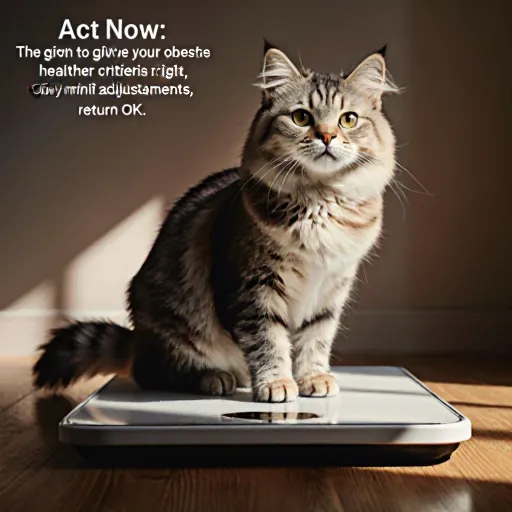
Act Fast for a Healthier Feline Friend!
Why You Must Act Now for Your Obese Cat
Table of Contents
- Introduction to Cat Obesity
- Genetic Predisposition in Cats
- Overfeeding and Overeating
- Lack of Exercise
- Inappropriate Diet Choices
- Age-Related Factors in Obesity
- Spaying/Neutering and Obesity Risk
- Stress and Its Impact on Weight Gain
- Medical Conditions Linked to Obesity
- Behavioral Factors Contributing to Obesity in Cats
- Preventative Measures Against Cat Obesity
- Dietary Changes for Weight Loss
- Exercise and Activity Regimes for Obese Cats
- Consulting a Veterinarian for Obesity Management
- Conclusion: Managing Cat Obesity Successfully
- FAQs About Cat Obesity
Introduction to Cat Obesity
Cat obesity is a common health issue that affects many pet cats worldwide. It can lead to various health problems, including diabetes, arthritis, respiratory issues, and reduced life expectancy. Understanding the causes of cat obesity and implementing effective solutions are crucial for maintaining your feline friend's overall well-being.
Cat obesity often results from a combination of environmental factors and lifestyle habits. Overfeeding is one of the primary culprits, leading to excessive caloric intake that cannot be burned off through physical activity. Lack of exercise also contributes significantly to weight gain. Indoor cats tend to have less opportunity for natural hunting behaviors compared to their wild counterparts, which can lead to a sedentary lifestyle.
- Overfeeding: Offering too many treats or an overly generous amount of food at each meal can easily result in excess calorie consumption.
- Lack of Exercise: Indoor cats, especially those kept primarily indoors, may not get enough physical activity to burn off the calories they consume.
The symptoms of obesity in cats can be subtle but are important to recognize. Common signs include difficulty grooming, reluctance to move or play, shortness of breath during physical activity, and an overall lack of energy. Overweight cats also face higher risks for developing chronic health conditions such as:
- Diabetes: Obesity can lead to insulin resistance, making your cat more susceptible to diabetes.
- Arthritis: Excess weight puts added stress on a cat's joints, increasing the likelihood of developing arthritis or exacerbating existing joint issues.
- Liver Disease: Feline hepatic lipidosis (FLD) is another potential consequence of obesity. This condition occurs when there are too many fats stored in the liver, leading to improper function and even failure if not treated promptly.
Addressing cat obesity requires a holistic approach involving dietary changes, increased physical activity, and possibly medical intervention depending on the severity of the condition. Here are some practical steps you can take:
- Adjust Feeding Habits: Consult with your veterinarian to determine an appropriate portion size based on your cat's age, breed, and activity level. Opt for high-quality, calorie-controlled dry food or wet food options that meet your pet’s nutritional needs without excess calories.
- Increase Physical Activity: Encourage more playtime by using interactive toys designed to mimic prey. This can help burn extra calories while stimulating mental and physical health. Consider setting up a climbing tree or other vertical spaces for your cat to explore, which encourages movement.
- Moderate Treats: Instead of offering snacks frequently throughout the day, consider rewarding good behavior with treats that are lower in calories. Alternatively, use playtime as a reward instead of food-based treats.
If your cat is severely overweight or has underlying health issues contributing to obesity, it may be necessary to consult a veterinarian for professional guidance and possibly medication to assist with weight loss under supervision.
Genetic Predisposition in Cats
In the realm of feline health, understanding genetic predispositions plays a crucial role in managing conditions such as obesity. Genetic factors can significantly influence how cats metabolize food and expend energy, making certain breeds more prone to weight gain. This section delves into the impact of genetics on cat obesity, exploring potential causes and offering practical solutions.
Cats, like humans, have unique genetic makeup that influences their body type, metabolism, and susceptibility to certain health issues. Certain breeds are more prone to weight gain due to specific gene expressions related to fat storage and energy expenditure.
- British Shorthairs: Known for their round faces and compact bodies, British Shorthairs have a reputation for being less active compared to other breeds. Their genetic predisposition makes them more susceptible to obesity due to lower metabolic rates.
- Ragdolls:
Ragdoll cats are often calm and docile, which can lead to reduced activity levels. This sedentary behavior combined with their genetic makeup contributes to a higher risk of obesity.
The primary cause of cat obesity is an energy imbalance, where cats consume more calories than they expend through activity and metabolism. This imbalance can be exacerbated by genetic factors that influence their eating habits or metabolic rates.
- Overfeeding: Owners may unknowingly overfeed due to the adorableness of a plump cat. It's important to monitor portion sizes and ensure cats receive adequate exercise.
- Lack of Exercise: Some breeds are naturally less active, but even energetic breeds can become sedentary if provided with ample opportunities for play and exploration. Encouraging daily activities like laser pointer sessions or interactive toys is key.
- Breeds Predisposition: As mentioned earlier, certain breeds have a higher genetic predisposition to obesity. Owners of these breeds must be extra vigilant in managing their cat's weight.
Addressing obesity requires a multifaceted approach that includes dietary changes and increased physical activity. Here are some practical steps:
- Diet Control: Feeding cats with high-quality, calorie-controlled food can help manage weight effectively. Avoid treats and snacks unless they are specially formulated for weight management.
- Increase Activity Levels: Engage your cat in regular play sessions to boost their energy expenditure. Interactive toys such as feather wands or laser pointers can keep them entertained and active.
- Monitor Weight: Regular weigh-ins are crucial for tracking progress. If you notice a significant increase, it might be time to reassess your cat's diet and activity levels.
By understanding the role of genetic predisposition in cat obesity, owners can take proactive steps to ensure their feline companions maintain optimal health. With a combination of dietary adjustments and increased physical activity, cats can lead healthier, happier lives free from the risks associated with obesity.
Overfeeding and Overeating
Overfeeding and overeating are significant contributors to cat obesity, which poses numerous health risks for felines. Understanding the causes of these behaviors is crucial in preventing obesity and ensuring a healthier lifestyle for your pet.
- Free Feeding: Allowing cats to eat whenever they want, often leading to overeating. This practice can be particularly harmful as it encourages continuous snacking rather than controlled feeding schedules.
- Excessive Treats and Snacks: Offering too many treats or snacks throughout the day can contribute significantly to a cat's caloric intake. It is essential to monitor and limit these additional food sources.
- Lack of Exercise: Indoor cats, especially those with limited opportunities for play and activity, are at higher risk of overeating due to lack of energy expenditure.
- Incorrect Food Portion Sizes: Providing larger portion sizes than recommended can lead to excess caloric intake. Always follow the feeding guidelines on pet food packaging or consult your veterinarian for accurate serving sizes.
- Boredom and Stress: Cats that are bored or stressed may overeat as a coping mechanism. Ensuring your cat has stimulating toys, scratching posts, and other forms of entertainment can help reduce this behavior.
- Medical Conditions: Certain medical conditions such as hypothyroidism or diabetes can cause increased appetite. If you suspect your cat is eating excessively for no apparent reason, consult a veterinarian to rule out any underlying health issues.
- Genetics and Age: Older cats, especially those with slower metabolisms, may be more prone to overeating. Additionally, some breeds are predisposed to weight gain due to genetic factors.
To combat the issue of cat obesity caused by overfeeding or overeating, consider implementing these strategies:
Consistent Feeding Schedules
Establish a consistent feeding schedule to ensure your cat eats at specific times rather than continuously grazing. This can help regulate their intake and prevent excessive consumption.
Limited Treats and Snacks
Limit treats and snacks to special occasions or training purposes only. Opt for healthier alternatives like small pieces of cooked chicken, tuna (without salt), or specially formulated cat treats that are low in calories.
Increase Physical Activity
Encourage your cat to engage in more physical activity by providing interactive toys and climbing structures. Regular play sessions can help burn off extra calories and satisfy their natural instinct to hunt and explore.
Monitor Portion Sizes
Always follow the recommended feeding portions on the pet food packaging, adjusting as needed based on your cat's size, age, activity level, and specific dietary requirements. Regular veterinary check-ups can help ensure you are providing appropriate portion sizes.
Address Underlying Health Issues
If your cat is exhibiting signs of overeating that cannot be attributed to behavioral or environmental factors, consult a veterinarian to rule out any underlying medical conditions that may require treatment. Proper diagnosis and management can help address the root cause of the problem.
By understanding the causes of overfeeding and overeating in cats and implementing these practical solutions, you can help prevent obesity and promote a healthier, more active lifestyle for your feline friend.
Lack of Exercise
The issue of a lack of exercise, particularly in relation to cat obesity, is a growing concern among pet owners. Cats are naturally active animals, but modern living often leads to sedentary behavior, contributing significantly to weight gain and obesity. This can be especially problematic for indoor cats who have limited opportunities to engage in physical activities.
Causes of Lack of Exercise
- Limited Outdoor Space: Indoor-only cats cannot naturally roam outside, limiting their daily exercise and mental stimulation. This is particularly common for apartment-dwelling pets.
- Predatory Instincts Suppressed: While indoor cats still have a strong predatory instinct, they do not get the chance to hunt as they would in nature, leading to reduced physical activity.
- Unstimulating Environment: A lack of environmental enrichment can lead to boredom and lethargy. Cats need mental stimulation through toys, puzzles, and interactive play sessions.
Consequences of Lack of Exercise
The most immediate consequence is the risk of obesity, which can lead to various health issues such as diabetes, joint problems, heart disease, and respiratory difficulties. Obesity in cats can also reduce their lifespan significantly.
Solutions for Lack of Exercise
To combat a sedentary lifestyle and promote healthier living habits, consider the following strategies:
Interactive Playtime
- Dedicate Time for Play: Engage your cat in interactive play sessions using feather wands, laser pointers, or small toy mice. This can simulate hunting behavior and provide mental stimulation.
- Vary the Toys: Cats quickly get bored with the same toys. Rotate or introduce new items to keep their interest high.
Environmental Enrichment
- Climb and Hide: Install a vertical climbing tree or cat tower in your home. Cats love to explore and climb, which can help burn calories and keep them active.
- Hiding Spots: Create small, cozy hiding spots for your cat using boxes or commercial hideaways. This encourages exploration and play.
Diet Management
Even with increased exercise, a balanced diet remains crucial in preventing weight gain. Consider switching to a high-protein, low-carbohydrate cat food and monitor portion sizes carefully.
Mimic Natural Behavior
- Hunting Games: Use toys that can mimic prey such as birds or mice. This not only provides exercise but also satisfies your cat's natural hunting instincts.
- Scent Play: Cats are highly sensitive to scents. Introduce new scents through play, which can be fun and stimulating for them.
In conclusion, addressing the lack of exercise in cats is essential for their overall health and well-being. By providing ample opportunities for physical activity and mental stimulation, you can help your feline companion lead a healthier, happier life.
Inappropriate Diet Choices
Inappropriate diet choices play a significant role in the increasing problem of cat obesity, which can lead to various health issues such as diabetes, arthritis, and liver disease. Understanding the causes behind these poor dietary selections is crucial for pet owners to make informed decisions about their cats' nutrition.
- Overfeeding: One of the most common reasons for obesity in cats is overfeeding. Many cat owners are unaware that their pets have already had enough food and continue to offer additional portions, leading to excessive calorie intake.
- Inconsistent Feeding Schedule: Cats thrive on routine; however, an inconsistent feeding schedule can lead to overeating as the cat tries to compensate for irregular mealtimes. This inconsistency also disrupts the body's natural hunger and satiety cues.
- Precipitous Changes in Diet: Sudden changes in a cat's diet can cause them to consume more food than usual, leading to weight gain if not managed properly. It’s important to make gradual transitions when changing diets.
- Lack of Exercise Opportunities: Cats that lead sedentary lifestyles are at higher risk for obesity due to their decreased activity levels. Providing opportunities for play and exercise can help maintain a healthy weight.
The symptoms of cat obesity are often subtle but can include:
- Increased appetite without weight gain (indicating possible diabetes)
- Breathing difficulties due to increased body mass
- Hunched posture and reduced mobility, which may be signs of arthritis or other joint issues
- Skin and coat problems such as hair loss, dullness, and poor grooming habits
Health risks associated with obesity in cats include:
- Type 2 Diabetes: Obesity significantly increases the risk of developing this condition. Symptoms may include increased thirst (polydipsia), frequent urination (polyuria), and weight loss despite increased appetite.
- Arthritis: Excess body weight puts extra stress on a cat's joints, leading to early onset or exacerbation of arthritis.
- Liver Disease: Fatty liver disease can occur in obese cats as they struggle to process all the excess calories. This condition is known as hepatic lipidosis and can be fatal if not treated promptly.
To address inappropriate diet choices, it's essential to implement a balanced approach that includes proper nutrition and regular physical activity. Here are some practical solutions:
1. Monitor Portion Sizes
Ensure you measure your cat’s food portions accurately using a measuring cup. Overfeeding by even small amounts can lead to weight gain over time.
2. Establish Regular Feeding Schedules
Feed cats at consistent times each day and avoid leaving food out for them to graze throughout the day. This helps maintain a healthy eating pattern and prevents overeating.
3. Gradual Diet Transition
If you're switching your cat's diet, do it gradually over several days or weeks. Mix the old and new foods together in increasing proportions until you reach 100% of the new food. This helps reduce stress on their digestive system.
4. Encourage Physical Activity
Incorporate playtime into your daily routine to encourage physical activity, which is essential for burning calories and maintaining a healthy weight. Toys that promote interactive play are particularly effective.
5. Consult with a Veterinarian
If you suspect your cat might be overweight or if they are already obese, consult with your veterinarian to discuss appropriate dietary changes and activity levels. The vet can provide personalized advice tailored to the specific needs of your pet.
In conclusion, addressing inappropriate diet choices is key in managing and preventing obesity in cats. By understanding the causes behind these poor dietary selections and implementing effective solutions, you can help ensure a healthier, happier life for your feline companion.
Age-Related Factors in Obesity
In the context of obesity, age plays a crucial role, as it affects both humans and animals, such as cats. Understanding these factors can provide valuable insights into managing obesity effectively. In this section, we will explore how age impacts obesity in cats, drawing parallels with human aging and obesity.
Similar to humans, age-related changes contribute significantly to the development of obesity in cats. As cats age, their metabolic rate slows down, leading to a reduced energy requirement. This natural slowdown can result in weight gain if there is no corresponding adjustment in diet or exercise.
Developmental Periods and Obesity Risk
During the kitten stage, rapid growth coupled with a high activity level can sometimes lead to overfeeding. If not managed properly, this can set the foundation for obesity later in life. It is essential to monitor the kitten's food intake closely during this critical period.
Middle Age and Beyond
As cats enter their middle age (around 7-10 years old), they begin to show signs of reduced activity, which can lead to a decrease in energy expenditure. Coupled with the natural slowing down of metabolism due to aging, this period is crucial for obesity management. Regular veterinary check-ups and dietary adjustments become vital during these stages.
Geriatric Cats
In older cats (10 years and above), age-related diseases such as arthritis can further reduce mobility, leading to less physical activity. This lack of exercise combined with potential changes in appetite or metabolism can result in weight gain. Regular veterinary consultations help monitor these conditions and adjust care accordingly.
Practical Solutions
- Diet Adjustment: Feeding a high-quality, calorie-controlled diet is essential for managing obesity in older cats. Foods designed specifically for senior cats can be beneficial as they typically contain lower fat and caloric content.
- Increased Physical Activity: Even small increases in activity can make a significant difference. Interactive toys that encourage play and movement are great tools to use, especially during times when cats tend to become less active.
- Veterinary Oversight: Regular check-ups ensure that any health issues related to obesity or age-related changes are addressed promptly. Veterinarians can provide personalized advice on diet and lifestyle adjustments suitable for the cat's individual needs.
Conclusion
Age plays a significant role in managing obesity, both in humans and cats. By understanding how age-related changes affect metabolism and activity levels, pet owners can implement effective strategies to prevent and manage obesity in their feline companions. Regular check-ups and adjustments to diet and exercise routines are key to ensuring long-term health and well-being.
Spaying/Neutering and Obesity Risk
Spaying or neutering your cat is a critical decision that not only contributes to population control but also has significant health implications. One often-overlooked side effect of this procedure is the increased risk of obesity in cats. Understanding the relationship between spaying/neutering and obesity can help pet owners take proactive steps towards maintaining their feline's health.
The process of spaying or neutering reduces a cat’s ability to reproduce, but it also alters their metabolism. Hormones play a crucial role in regulating appetite and fat storage. In females, ovariectomy (spay) can reduce estrogen levels, while in males, castration (neuter) significantly lowers testosterone. These hormonal changes can lead to increased hunger and reduced energy expenditure, making cats more prone to weight gain.
The primary causes of obesity in neutered/spayed cats are a combination of behavioral changes due to the lack of reproductive drive and alterations in metabolism. However, these factors can be exacerbated by lifestyle choices such as overfeeding and insufficient exercise.
- Reduced Activity Level: Neutered cats may become less active after surgery, leading to lower energy expenditure.
- Increased Appetite: Hormonal changes can lead to increased food intake.
- Behavioral Changes: Some neutered cats might seek comfort through eating instead of engaging in play or other activities.
To prevent obesity after spaying/neutering, it is essential to maintain a healthy diet and encourage regular exercise. Here are some practical tips:
- Monitor Caloric Intake: Feed your cat according to the recommended guidelines for their age, weight, and activity level.
- Encourage Physical Activity: Provide toys that encourage play and physical exercise. Rotate toys to keep your cat engaged.
- Regular Veterinary Check-ups: Schedule annual check-ups with your vet to monitor your cat’s weight and overall health.
- Promote Indoor Play: Use laser pointers, feather wands, or interactive feeders to keep your cat active and entertained.
In summary, while spaying and neutering are vital for population control, they can increase the risk of obesity in cats. By understanding these risks and implementing proactive measures, you can help ensure that your neutered cat maintains a healthy weight and leads a long, happy life.
Stress and Its Impact on Weight Gain
Stress is a significant factor that can contribute to weight gain, particularly in scenarios like cat obesity. While it might seem counterintuitive, stress can lead to an increase in appetite and a shift towards consuming more high-calorie foods, which are often comfort foods for humans but also applicable to animals like cats. This section aims to explore the relationship between stress and weight gain, focusing on the specific case of cat obesity.
Cats experience stress similarly to humans, albeit in different contexts. Environmental changes such as moving homes, introducing new pets or family members, a change in routine, or even simple shifts like rearranging furniture can be stressful for cats. These changes can lead to increased cortisol levels, the body’s primary stress hormone, which is directly linked to weight gain.
Causes of Stress in Cats
- Environmental Changes: Moving to a new home, introducing a new pet or family member, and even minor rearrangements can cause stress.
- Predation Anxiety: Being kept as an indoor pet means cats are deprived of their natural hunting opportunities, leading to stress.
- Separation Anxiety: Cats form strong bonds with humans and may experience anxiety when left alone for extended periods.
Cats under stress often exhibit behavioral changes that can lead to weight gain. They might consume more food, eat at irregular times, or develop a preference for high-calorie treats. Additionally, increased cortisol levels can disrupt the body’s metabolic processes, leading to fat accumulation.
Behavioral Changes Induced by Stress
- Increased Appetite: Cats might eat more frequently or in larger portions due to stress, which directly contributes to weight gain.
- Predation Instincts: In response to stress, cats may overeat as a coping mechanism. This can include consuming high-calorie treats that are not part of their regular diet.
- Lack of Exercise: Stress can lead to a decrease in activity levels, which further contributes to weight gain by reducing calorie expenditure.
To address cat obesity caused by stress, it is crucial to identify the root cause of the stress and implement strategies to alleviate it. Here are some practical solutions:
Identifying and Reducing Stressors
- Create a Calm Environment: Ensure your cat has a quiet, comfortable space away from excessive noise or activity.
- Establish Routine: Cats thrive on routine. Consistent feeding times and predictable daily activities can reduce stress levels.
- Provide Mental Stimulation: Engage your cat with toys that challenge their minds, such as puzzle feeders or interactive games.
Dietary Adjustments
Switching to a diet lower in calories but higher in fiber can help manage weight without depriving the cat. Consult your veterinarian for recommendations suitable for your cat’s specific needs.
Incorporating Exercise and Playtime
Daily play sessions are not only fun but also essential for maintaining a healthy weight. Interactive toys that mimic hunting behaviors can be particularly effective in keeping cats active and engaged.
Seek Professional Help When Necessary
If stress-related issues persist, consulting with a veterinarian or animal behaviorist may provide additional insights and interventions tailored to your cat's specific situation.
Medical Conditions Linked to Obesity
Obesity is a complex condition that not only affects physical health but can also lead to various medical conditions. Similar principles apply to animals, such as cats, where obesity can have profound impacts on their overall well-being. Cat obesity, much like human obesity, has specific causes and solutions which are crucial for understanding the broader implications of this issue.
- Type 2 Diabetes: Excess weight can lead to insulin resistance, a precursor to diabetes. In cats, this often manifests as Type 2 diabetes. Proper diet and regular exercise are essential for managing this condition.
- Hypokalemia (Low Potassium): Obesity in cats can cause an imbalance in electrolytes leading to low potassium levels. This can result in muscle weakness, heart irregularities, and other serious health issues.
- Liver Disease: Overweight cats are at a higher risk of developing fatty liver disease (hepatic lipidosis). This condition can be life-threatening if not addressed promptly through dietary changes and medical intervention.
- Arthritis: Excess weight puts additional stress on the joints, making arthritis more likely. Cats with arthritis may experience pain, decreased mobility, and discomfort which can significantly affect their quality of life.
- Musculoskeletal Disorders: Obesity increases the risk of musculoskeletal disorders due to increased pressure on bones and muscles. This can lead to chronic pain and reduced activity levels.
Understanding the causes of obesity in cats is crucial for implementing effective solutions. Factors such as overfeeding, lack of exercise, genetic predisposition, and environmental factors all contribute to this issue.
- Overfeeding: Feeding cats more food than they need can lead to weight gain. This includes free-feeding where dry food is left out all day. It's important to measure portions carefully.
- Lack of Exercise: Indoor cats, especially those who are not provided with adequate opportunities for play and exploration, tend to be more sedentary leading to weight gain. Encouraging regular playtime can help maintain a healthy weight.
- Genetic Predisposition: Some cat breeds have a higher propensity towards obesity due to their genetic makeup. It's important to monitor the diet and activity levels of these cats closely.
- Environmental Factors: Environmental changes such as moving to a new home or sudden changes in routine can lead to stress which may affect eating habits. Providing a stable environment and consistent feeding schedule helps prevent obesity.
Addressing cat obesity requires a holistic approach that includes dietary management, increased physical activity, and monitoring overall health. Here are some practical solutions:
- Dietary Changes: Transition to a high-fiber, low-calorie diet formulated for weight loss. Consult with a veterinarian to ensure the diet is appropriate for your cat's specific needs.
- Increase Physical Activity: Engage in regular playtime activities such as using feather wands or laser pointers. Interactive toys can help keep cats physically active and mentally stimulated.
- Monitor Health Regularly: Schedule regular check-ups with a veterinarian to monitor your cat's weight, overall health, and any potential medical issues that may arise from obesity.
- Create a Safe Environment: Ensure that the environment is safe for play and exploration. Provide climbing structures, scratching posts, and toys to encourage movement.
In conclusion, understanding the causes of cat obesity and implementing effective solutions can greatly improve your pet's quality of life. By addressing this issue proactively, you can help prevent serious health conditions that are often linked to obesity in cats.
Behavioral Factors Contributing to Obesity in Cats
Cat obesity is a multifaceted issue that can be influenced by various behavioral factors. Understanding these factors is crucial for identifying and addressing potential causes of obesity in cats, which can lead to a healthier, longer life. In this section, we will explore some key behavioral factors contributing to cat obesity and provide practical advice on how to address them.
One of the most common behavioral factors that contribute to obesity in cats is overfeeding. Cats are often fed based on their activity levels or simply because it has become a habit, leading to an excess of calories consumed each day. Establishing consistent feeding schedules can help prevent this issue. For example, feeding your cat at specific times of the day ensures they receive the right amount of food and discourages overeating.
Practical advice: Use automatic feeders or set strict feeding times to ensure you are not unintentionally overfeeding your cat. Pay attention to portion sizes as well; it is important to follow the guidelines on the pet food packaging regarding serving size.
Another significant behavioral factor contributing to obesity in cats is a lack of regular exercise. Cats are naturally active animals, but indoor living can limit their ability to get enough physical activity if owners do not provide adequate opportunities for play and exploration.
Practical advice: Encourage your cat’s natural instincts by providing toys that stimulate hunting behavior, such as feather wands or laser pointers. Interactive play sessions with your cat at least once a day can significantly increase their daily energy expenditure. Consider setting up vertical spaces within your home where your cat can climb and jump, which will also promote physical activity.
Cats may overeat as a response to stress or anxiety in the household. Changes such as new family members, loud noises, or even minor disruptions like moving furniture can cause your cat to eat more than usual. Identifying and addressing these sources of stress is important for maintaining their overall health.
Practical advice: Ensure that your cat has a safe and quiet space where they feel secure. Provide scratching posts, hiding spots, and cozy blankets or beds in various areas of the home to create a sense of security. Regularly check on your cat during times of stress and consider adding calming aids like pheromone diffusers or natural remedies recommended by veterinarians.
Cats that are allowed to snack between meals may be more likely to gain weight over time. Snack foods, such as table scraps or treats, often contain high amounts of fat and calories, which can contribute significantly to obesity if fed regularly.
Practical advice: Avoid feeding your cat human food unless recommended by a veterinarian. If you want to give your cat something special, choose healthy alternatives like small pieces of cooked chicken or carrots. Limit treats to no more than 10% of their daily caloric intake and provide them on occasion rather than allowing constant snacking.
Some pet owners may not monitor their cat’s weight consistently, leading to undetected obesity over time. Regularly checking your cat’s body condition score (BCS) can help you catch any weight gain early and take appropriate action.
Practical advice: Use a scale designed for small pets or ask your veterinarian for guidance on measuring BCS. Aim to do this monthly during routine check-ups. If you notice a change in your cat’s behavior, such as reluctance to jump onto furniture or difficulty grooming themselves, it may be time to reassess their diet and activity levels.
In conclusion, understanding the behavioral factors contributing to obesity in cats is essential for preventing this common issue. By establishing consistent feeding schedules, encouraging regular exercise, identifying sources of stress, minimizing snacking, and regularly monitoring your cat’s health, you can help maintain a healthy weight and improve their overall quality of life.
Preventative Measures Against Cat Obesity
Preventing cat obesity is crucial for maintaining your pet's health and longevity. Overweight cats are more prone to various health issues, including diabetes, joint problems, respiratory diseases, and a shorter lifespan. By implementing preventative measures early in your cat's life, you can significantly reduce the risk of these conditions.
To prevent obesity, it is essential to monitor your cat's feeding habits closely. Overfeeding, particularly with high-calorie treats and table scraps, is a common cause of weight gain in cats. Follow the recommended serving sizes provided by your veterinarian or pet food manufacturer. Avoid overfeeding and be mindful of portion control.
- Limit Treats: Treats can quickly add extra calories to your cat's diet. Opt for low-calorie treats such as small pieces of cooked chicken, plain tuna, or green beans. Always check with your vet before introducing new treats to your cat.
- Schedule Feeding Times: Establish regular feeding times and stick to them. This helps regulate your cat's digestive system and prevents overeating between meals.
A sedentary lifestyle is a significant risk factor for obesity in cats. Encourage your cat to be more active by providing them with opportunities to exercise. This can help burn calories and maintain a healthy weight.
- Interactive Toys: Use toys that require your cat's interaction, such as feather wands or laser pointers. These toys stimulate both their mind and body, encouraging play and physical activity.
- Climbing Structures: Install a cat tree or climbing pole in your home to provide vertical space for your cat to climb and explore. This not only keeps them active but also satisfies their natural hunting instincts.
Regular check-ups with your veterinarian are essential for monitoring your cat's health and weight. Your vet can provide personalized advice based on your cat's specific needs and help you identify potential issues early.
- BMI Calculation: Veterinarians often use Body Condition Scoring (BCS) to assess a cat's body shape and determine if they are overweight. A BCS chart can be used to visually compare your cat's body condition with healthy cats of the same breed.
- Health Monitoring: During check-ups, your vet can monitor for signs of underlying health conditions that may contribute to obesity or affect your cat's ability to lose weight. Early intervention is crucial in managing these conditions effectively.
Cats are naturally curious creatures, and providing them with stimulating environments can help prevent boredom and promote physical activity. A well-enriched environment encourages your cat to engage in natural behaviors such as hunting, climbing, and exploring.
- Hideaways: Create hiding spots for your cat using boxes, bags, or specially designed hideouts. This stimulates their instinctive behavior of seeking out safe places to rest and play.
- Tunnels: Tunnels are fun and engaging toys that encourage exploration and physical activity. Place them in various locations around your home to keep your cat moving.
In conclusion, preventing cat obesity requires a comprehensive approach that includes monitoring feeding habits, encouraging physical activity, regular veterinary check-ups, and providing an enriched environment. By implementing these preventative measures, you can help ensure your furry friend leads a healthy and active life.
Dietary Changes for Weight Loss
When discussing weight management, particularly in relation to cat obesity, dietary changes play a crucial role. Proper nutrition is key to helping cats achieve and maintain a healthy weight, which can significantly improve their overall health and longevity.
Understanding Cat Obesity
Cat obesity occurs when a cat’s body accumulates excess fat due to an imbalance between energy intake and expenditure. This condition is often linked to a sedentary lifestyle combined with overfeeding, especially with high-calorie treats or overly caloric commercial pet foods.
Just like in humans, excess weight can lead to various health issues for cats such as diabetes, arthritis, respiratory problems, and kidney disease. Addressing obesity through dietary changes is a vital step towards improving the cat's quality of life.
Key Dietary Adjustments
- Calorie Restriction: Reducing calorie intake can help obese cats lose weight. However, it’s essential to do this gradually and in consultation with a veterinarian to avoid malnutrition or other health issues.
- High Fiber Diets: Adding fiber to the diet can promote satiety without adding extra calories. This helps reduce overeating by making your cat feel full faster.
- Low-Calorie Treats: Opt for low-calorie, healthy alternatives like carrot sticks or small pieces of cooked chicken instead of high-fat treats such as cheese or fatty meats.
Sample Meal Plans
Here are a few sample meal plans that can help your obese cat lose weight while still providing all necessary nutrients:
| Dinner | Lunch | Breakfast |
|---|---|---|
| 1/4 cup of a high-fiber, low-calorie cat food mixed with cooked chicken or turkey (no skin). | 3/4 cup of a similar diet cat food mixed with a small amount of canned pumpkin for fiber. | 1/2 cup of the same cat food served dry to encourage hydration and reduce calorie intake. |
Practical Advice
To ensure your dietary changes are effective, it’s important to monitor both your cat's weight and behavior. Regular veterinary check-ups are essential to track progress and make adjustments if necessary.
It's also crucial to consider environmental factors that might encourage or discourage physical activity in your cat. For example, providing toys that require interaction can increase playtime, which is vital for burning calories and improving overall health.
Lastly, consistency is key when making dietary changes. Cats thrive on routine, so try to maintain a consistent feeding schedule with the same portion sizes until you see positive results.
Exercise and Activity Regimes for Obese Cats
Exercising obese cats can be a challenging yet rewarding task, as it helps them lose weight gradually while maintaining their health. It's important to remember that obesity is not just about excess weight; it also affects the overall well-being of your cat. Here are some effective strategies and tips for encouraging exercise and activity in obese cats:
Safe and Gradual Exercise
Cats with obesity have a higher risk of joint pain and other health issues, so any form of exercise should be gentle and safe. Start by ensuring your cat is comfortable with short walks on a leash or interactive playtime using toys that stimulate their natural hunting instincts.
Interactive Toys
Using laser pointers or feather wands can engage cats in active play, which is crucial for burning calories and improving muscle tone. Always ensure the cat has a safe space to move around without causing strain on its joints.
Structured Playtime
Creating structured play sessions can help obese cats stay active throughout the day. Set aside time daily for interactive play, which not only burns calories but also strengthens the bond between you and your pet. For example, a 10-minute session of chasing toys or pouncing games can be beneficial.
Obstacle Courses
Cats love to explore their environment, so setting up an indoor obstacle course is another great way to encourage movement. Use cardboard boxes and tunnels to create a path that your cat has to navigate through. This not only keeps them active but also helps in cognitive stimulation.
Encouraging Outdoor Activities
If possible, allow supervised outdoor time where the cat can run around safely in an enclosed space or garden. This allows for more natural movement and exercise that is beneficial for their physical health. However, always ensure the environment is secure to prevent any accidents.
Encouraging Natural Behavior
Cats are natural hunters, so providing opportunities for them to hunt can be a fun way to encourage activity. You can use toys that mimic small prey animals like mice or birds. These sessions should be brief but frequent to avoid overwhelming the cat.
Hydration and Diet Control
While exercise is crucial, it's also important to monitor your cat’s diet closely. Provide water stations throughout the house to encourage hydration, which can help in digestion and overall health. Avoid giving human foods that are high in calories or unhealthy fats.
Dietary Supplements
Consult with a veterinarian about dietary supplements that could aid in weight loss without compromising your cat's nutritional needs. Some cats may benefit from specific formulas designed for weight management, but this should always be done under the guidance of a professional.
Consistency and Patience
Weight loss in obese cats is a gradual process that requires consistent effort and patience. Do not expect immediate results. Regular check-ins with your vet will help monitor progress and adjust strategies as needed. Remember, the goal is to improve overall health rather than just achieving quick weight loss.
Support from Family Members
Involving all family members in encouraging exercise can make a big difference. Consistency across different caregivers helps reinforce positive behaviors and makes it easier for your cat to adapt to the new routine.
By incorporating these exercise and activity regimes into your daily routine, you'll be helping your obese cat lead a healthier life. Always ensure that any changes in diet or exercise are done in consultation with your veterinarian to ensure they are suitable for your specific cat's health needs.
Consulting a Veterinarian for Obesity Management
When it comes to managing cat obesity, consulting a veterinarian is one of the most critical steps. Obesity in cats can lead to various health issues such as diabetes, joint problems, and liver disease. A veterinary consultation provides a comprehensive approach tailored specifically for your feline friend's needs.
Cat obesity is characterized by excessive accumulation of body fat that can impair the cat’s health and quality of life. It often results from a combination of factors including overeating, lack of exercise, and genetic predisposition. Cats that are confined indoors or have limited opportunities for physical activity are more prone to weight gain.
- Overfeeding: One of the primary causes is providing too much food, especially foods high in calories and fats.
- Lack of Exercise: Indoor cats are particularly at risk due to limited opportunities for physical activity. Encouraging playtime can help manage their weight.
- Genetics: Some breeds may have a predisposition towards obesity, and early life experiences such as overfeeding during kittenhood can set the stage for future issues.
- Medications: Certain medications used to treat conditions like hyperthyroidism or diabetes can lead to weight gain if not monitored closely.
A visit to the vet is essential for diagnosing and treating obesity in cats. Your veterinarian will perform a thorough physical examination, including checking body condition score (BCS) which helps assess fat distribution throughout the body. They might also run blood tests or other diagnostic procedures to rule out underlying medical conditions that could contribute to weight gain.
Your vet will work closely with you to develop a tailored action plan aimed at achieving healthy weight loss for your cat. This typically involves adjusting the diet, increasing physical activity, and monitoring progress regularly.
Dietary Adjustments
- Feeding Schedule: Reducing portions or switching to a lower calorie formula can help manage weight effectively.
- Switching Diets: Some veterinarians recommend switching from wet food to dry kibble or vice versa based on individual cat needs and preferences.
Increasing Physical Activity
To encourage more activity, consider interactive toys that require your cat to engage in hunting behaviors. Engage in play sessions regularly to stimulate both mental and physical health.
Regular follow-ups with the vet are important to monitor progress and make necessary adjustments to the plan. This ensures that any changes made are effective without causing stress or harm to your pet.
Consulting a veterinarian for obesity management in cats is crucial for ensuring long-term health benefits. By addressing this issue early, you can significantly improve your cat’s quality of life and prevent serious complications associated with obesity.
Conclusion: Managing Cat Obesity Successfully
Successfully managing cat obesity requires a multi-faceted approach that addresses both diet and exercise. The key is to create a balanced plan tailored to your cat's individual needs, while also fostering a supportive environment at home.
Causes of Cat Obesity
Understanding the underlying causes of obesity in cats is crucial for effective management. Common factors include an inactive lifestyle due to lack of stimulation or insufficient playtime, overfeeding, and genetics. Some cats are predisposed to weight gain due to their metabolic rate or breed.
Dietary Management
One of the most significant contributors to a cat's overall health is its diet. High-quality, calorie-controlled food specifically formulated for weight loss can be incredibly effective. For instance, Hill’s Prescription Diet w/d has been recommended by veterinarians for its nutritional profile that aids in weight management.
Avoid human foods and treats as they are often high in calories and sugars, which can lead to rapid weight gain. Instead, opt for healthier alternatives like green beans or carrots (in small quantities) if your cat enjoys them as a treat. Always consult with your vet before making any significant changes to your cat’s diet.
Exercise and Playtime
Encouraging exercise is essential in combating obesity. Cats need physical activity just like humans do. Interactive toys such as laser pointers or feather wands can help engage them in play, increasing their energy expenditure. Setting aside time each day for these activities will not only promote weight loss but also enhance your bond with your pet.
Regular Veterinary Check-ups
Visiting the vet regularly is vital to monitor progress and adjust strategies as needed. Your veterinarian can provide guidance on appropriate nutritional needs based on your cat's age, activity level, and overall health status. They may also recommend specific medications or supplements that could aid in weight loss.
Patient and Consistent Approach
Remember, successful management of cat obesity takes time and patience. It is not uncommon for cats to regain some weight if they return to old habits after achieving their target weight. Therefore, maintaining a consistent routine with controlled diet and regular exercise is crucial.
Cat obesity can have serious health implications such as diabetes, liver disease, and joint problems. By addressing the issue proactively through proper management techniques, you are not only helping your cat achieve a healthier body weight but also improving its quality of life significantly.
FAQs About Cat Obesity
Cat obesity is a common issue affecting many pets, often leading to various health problems. Understanding the causes and solutions can help you keep your feline companion healthy and active. Below are some frequently asked questions about cat obesity that provide deeper insights into this topic.
What Causes Cat Obesity?
Cat obesity is primarily caused by an imbalance between energy intake and expenditure. Here’s a detailed look at the factors contributing to it:
- Poor Diet: Feeding your cat with high-calorie, low-nutrient food or overfeeding can lead to weight gain.
- Lack of Exercise: Indoor cats that do not get enough physical activity are at a higher risk of obesity.
- Breed and Age: Some breeds may have a predisposition towards obesity, while older cats often become less active and gain weight more easily.
- Health Issues: Certain health conditions like hypothyroidism or diabetes can also contribute to weight gain in cats.
How Can I Prevent My Cat from Gaining Weight?
To maintain a healthy weight for your cat, consider the following practical advice:
- Consult Your Veterinarian: Regular check-ups can help monitor your cat’s health and provide personalized dietary recommendations.
- Opt for Quality Cat Food: Choose a high-quality food that is appropriate for your cat's life stage and specific needs. Look for foods with quality protein sources and minimal fillers.
- Maintain an Active Lifestyle: Encourage playtime to increase physical activity. Interactive toys and puzzle feeders can engage your cat both mentally and physically.
- Portion Control: Be mindful of the amount you’re feeding your cat. Use a measuring cup to ensure accurate portions.
What Are the Health Risks Associated with Cat Obesity?
Cat obesity can lead to several serious health issues, including:
- Type 2 Diabetes: Excess weight increases the risk of developing diabetes in cats.
- Liver Disease: Feline hepatic lipidosis is a common condition seen in obese cats, which can be fatal if not treated promptly.
- Joint Problems: Obesity places additional strain on your cat’s joints, leading to conditions like arthritis.
- Musculoskeletal Issues: Excess weight can also cause musculoskeletal problems and make it difficult for your cat to move around comfortably.
How Can I Help My Obese Cat Lose Weight?
Weight loss in cats should be approached carefully to avoid stress or health issues. Here are some steps you can take:
- Gradual Diet Changes: Transition your cat’s diet slowly over a week or two, ensuring they adjust well.
- Monitor Food Intake: Feed smaller amounts of high-quality food and consider using a cat-specific weight loss formula if recommended by your vet.
- Increase Activity Levels: Encourage more playtime and interactive activities to help burn calories. However, ensure that the activity level is appropriate for your obese cat’s current health condition.
- Vet Supervision: Always consult with a veterinarian before starting any weight loss program for your cat. They can provide guidance on how much weight your cat should lose and at what pace to avoid complications.
Conclusion
Cat obesity is a serious concern that requires attention and care from pet owners. By understanding the causes, recognizing the risks, and implementing effective prevention and treatment strategies, you can help your feline companion lead a healthier life free from obesity-related health issues.
Categories
- AI & Enrichment Play
- Broiler Farming
- Broiler Farming Tips
- Canine Wellness & Longevity
- Cat
- Cat & Human Connection
- Cat Adoption & Rescue
- Cat Breeds
- Cat Breeds & Personalities
- Cat Care & Health
- Cat Grooming & Hygiene
- Cat Lifestyle & Environment
- Cat Myths & History
- Cat Nutrition & Diet
- Cat Products & Reviews
- Cat Training & Behavior
- Comparison
- Consumer Awareness
- Dog
- Dog Accessories & Products
- Dog Adoption & Rescue
- Dog Breed & Lifestyle Trends
- Dog Breeding & Puppies
- Dog Entertainment & Media
- Dog Fashion & Trends
- Dog Fun & Lifestyle
- Dog Grooming & Hygiene
- Dog History & Culture
- Dog Myths, Science & Future Tech
- Dog News & Trends
- Dog Nutrition & Food
- Dog Psychology & Emotions
- Dog Safety & Security
- Dog Sports & Activities
- Dog Technology & Innovation
- Dog Training for Modern Owners
- Dog Travel & Adventure
- Dog Travel, Adventure & Culture
- Economic and Market Insights
- Educational Content
- FAQs
- Feeding Alternatives
- Festivals & Seasonal Ideas
- Fun & Entertainment
- General Knowledge
- General Pig Farming
- Health & Disease Management
- Housing and Environment
- Kittens
- Market Insights
- Miscellaneous
- Miscellaneous
- Motivational
- pig
- Pig Breeding
- Pig Breeds
- Pig Farming Stories and Inspiration
- Pig Health and Care
- Pig Nutrition
- Pig Products
- Profitability & Business
- Puppy Care
- Puppy Predictable Topics Reinvented
- Regional Focus
- Rescue & Adoption Buzz
- Senior Cats
- Senior Dog Care
- Smart Dog Tech & Gadgets
- Sustainability
- Sustainable & Eco-Friendly Dog Products
- Tech & Innovations
- Working & Service Dogs
- Broiler Feed66 products
- Country Feed33 products
- Pig Feed66 products
- Product22 products
- Raw Materials99 products
Products
-
 Fish Meal
₹1,999.00 – ₹2,999.00Price range: ₹1,999.00 through ₹2,999.00Rated 0 out of 5
Fish Meal
₹1,999.00 – ₹2,999.00Price range: ₹1,999.00 through ₹2,999.00Rated 0 out of 5 -
 FATTENING BROILER FEED
₹2,299.00 – ₹2,349.00Price range: ₹2,299.00 through ₹2,349.00Rated 0 out of 5
FATTENING BROILER FEED
₹2,299.00 – ₹2,349.00Price range: ₹2,299.00 through ₹2,349.00Rated 0 out of 5 -
 LAYER COUNTRY FEED
₹1,549.00 – ₹1,649.00Price range: ₹1,549.00 through ₹1,649.00Rated 0 out of 5
LAYER COUNTRY FEED
₹1,549.00 – ₹1,649.00Price range: ₹1,549.00 through ₹1,649.00Rated 0 out of 5 -
 COUNTER BROILER FEED
₹1,199.00 – ₹1,299.00Price range: ₹1,199.00 through ₹1,299.00Rated 0 out of 5
COUNTER BROILER FEED
₹1,199.00 – ₹1,299.00Price range: ₹1,199.00 through ₹1,299.00Rated 0 out of 5 -
 LACTATING PIG FEED
Rated 0 out of 5
LACTATING PIG FEED
Rated 0 out of 5₹2,299.00Original price was: ₹2,299.00.₹1,740.00Current price is: ₹1,740.00. -
 Maize
Rated 0 out of 5
Maize
Rated 0 out of 5₹1,650.00Original price was: ₹1,650.00.₹1,300.00Current price is: ₹1,300.00. -
 GESTATION PIG FEED (Phase 1)
Rated 0 out of 5
GESTATION PIG FEED (Phase 1)
Rated 0 out of 5₹2,249.00Original price was: ₹2,249.00.₹1,699.00Current price is: ₹1,699.00. -
 Pre Starter Broiler Feed
₹2,399.00 – ₹2,499.00Price range: ₹2,399.00 through ₹2,499.00Rated 0 out of 5
Pre Starter Broiler Feed
₹2,399.00 – ₹2,499.00Price range: ₹2,399.00 through ₹2,499.00Rated 0 out of 5 -
 FINISHER PIG FEED
Rated 0 out of 5
FINISHER PIG FEED
Rated 0 out of 5₹2,299.00Original price was: ₹2,299.00.₹1,749.00Current price is: ₹1,749.00. -
 Broiler Premix
Rated 0 out of 5
Broiler Premix
Rated 0 out of 5₹820.00Original price was: ₹820.00.₹699.00Current price is: ₹699.00.