
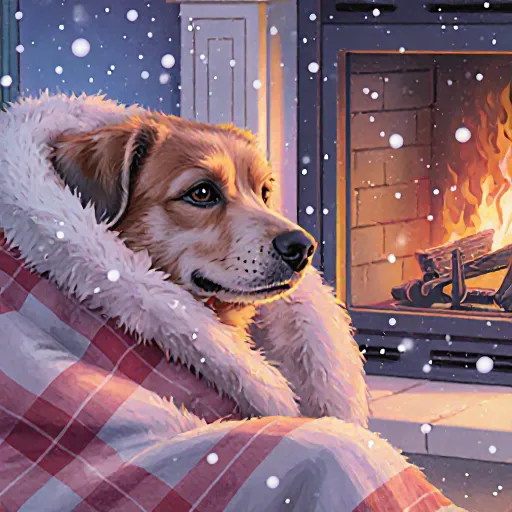
Stay Warm This Winter with These Top Tips!
Winter's Chill: Protecting Your Dog
Table of Contents
- Section One: Keeping Your Dog Warm
- Section Two: Proper Winter Clothing for Dogs
- Section Three: Salt and Chemical Safety for Dogs
- Section Four: Slippery Surfaces and Preventing Falls
- Section Five: Ice Dangers and Cold Water Hazards
- Section Six: Protect Your Pet from Winter Bugs
- Section Seven: Avoid Frostbite and Hypothermia
- Section Eight: Grooming for Winter Comfort
- Section Nine: Feeding Your Dog in the Winter Months
- Section Ten: Providing Warmth Indoors and Outdoors
- Section Eleven: Exercise in Cold Weather
- Section Twelve: Pet Identification in Winter Months
- Section Thirteen: Keeping Your Dog Safe During Snowstorms
- Section Fourteen: Conclusion
- FAQs About Winter Safety for Dogs
Section One: Keeping Your Dog Warm
To ensure your furry friend stays comfortable and safe during winter, it's important to take the necessary precautions. The cold weather can pose several challenges, but with proper planning and care, you can keep your dog cozy throughout the season.
1. Dress Them Appropriately
Just like humans, dogs need protection from the cold. For smaller or short-haired breeds, consider investing in a warm jacket or sweater for your dog during winter walks. Ensure that the clothing fits well and is not too loose to avoid it getting caught on things.
Examples: - Woolen sweaters with Velcro closures. - Waterproof coats made specifically for dogs.
2. Provide Warm Sleeping Areas
A warm, dry place to sleep is crucial during the winter months. If your dog spends time outside, make sure they have a well-insulated shelter or doghouse that is elevated off the ground and protected from snow and ice.
Practical Advice: - Use heated dog beds for extra warmth. - Line their sleeping area with blankets or towels to enhance insulation.
3. Monitor Water Intake
Dogs can lose body heat through their paws and mouths, so it's important to keep them hydrated. However, icy water might cause discomfort or even frostbite. Offer warm water if possible.
Practical Tip: - Warm water by placing a bowl of water in front of a heater for a few minutes.
4. Signs Your Dog is Too Cold
Recognize the signs that your dog may be too cold and take action promptly to prevent hypothermia or frostbite.
- Fur standing on end
- Trembling
- Slowing down or panting heavily
- Huddling in a ball
- Lack of energy
If you notice any of these signs, it’s essential to warm your dog up gradually. Move them indoors and cover them with a dry, warm blanket.
5. Limit Outdoor Time
Shorter walks are generally safer in cold weather. If your dog enjoys outdoor activities, consider reducing the duration of their time outside to minimize exposure to harsh conditions.
Example: - Instead of a long walk, opt for a short, brisk walk followed by time spent inside.
6. Keep Your Dog Indoors
If possible, keep your dog indoors during the coldest parts of the day when temperatures are dropping significantly. Indoor dogs tend to be more comfortable and safer from winter hazards.
Practical Tip: - Provide ample toys and comfort items for indoor playtime.
7. Check for Ice Build-up
If your dog has long fur, check for ice build-up around their paws after walks. This can be painful for them and may lead to infections.
Solution: - Wipe off your dog's paws with a warm cloth. - Consider trimming excess hair between the toes if it gets too long.
Conclusion
By following these winter safety tips, you can help ensure that your dog remains comfortable and healthy during the colder months. With proper preparation and care, both you and your pet can enjoy a cozy winter season.
Section Two: Proper Winter Clothing for Dogs
Winter can be a beautiful season, but it also presents challenges for our furry friends. Proper winter clothing is essential to ensure your dog stays warm and comfortable during the cold months. Here are some guidelines and tips on what gear your dog might need.
1. Understand Your Dog's Breed and Coat
Dogs with short coats, such as Greyhounds or Dachshunds, are more prone to feeling cold than those with thick, fluffy coats like Siberian Huskies or Bernese Mountain Dogs. Always consider the breed of your dog when selecting winter gear.
2. Choose Appropriate Outerwear
- Clothing: Lightweight jackets and sweaters can provide extra warmth without being too bulky. They are particularly helpful for short-coated breeds or dogs prone to drafts.
- Bib-like Jackets: These cover the chest, belly, and legs, providing comprehensive protection against cold winds.
- Hoodies: For extra coverage on your dog's head and neck area, a hoodie can be very effective. It also helps prevent drafts from getting inside their coat.
3. Consider the Environment
The climate in different regions varies significantly, so it’s crucial to dress your dog accordingly:
- Heavy Snowfall Areas: In places with heavy snowfall, consider waterproof and insulated coats for extra protection against snow and ice.
- Bitter Cold Regions: For areas with extremely low temperatures, choose clothing that offers excellent insulation and windproofing.
4. Foot Protection
Dogs’ paws can be affected by cold weather as well as salt and ice used on roads during winter months. Consider getting:
- Paw Boots: These protect your dog’s feet from harsh environments, reducing the risk of frostbite or cuts.
- Paw Wax: Apply paw wax before walking to provide a protective layer against harsh elements and ice.
5. Practical Tips for Winter Clothing
- Clothing Fit: Ensure the clothing fits snugly but not too tight, allowing enough room for your dog to move freely without feeling restricted.
- Layering: Start with a base layer that wicks moisture away from your dog’s skin. Top it up with an outer layer if needed based on weather conditions.
- Pull-On vs Velcro: For easy on and off, look for clothing with pull-on features rather than closures like Velcro or snaps which can be difficult in winter.
6. Monitoring Your Dog's Comfort
Always keep an eye on your dog to ensure they are not overheating or feeling uncomfortable while wearing clothing. Signs of discomfort include panting, excessive licking, or shivering. If you notice any such signs, remove the clothing and consult a vet if necessary.
Winter Safety Tips for Dogs
- Avoid Overheating: Be cautious of over-dressing your dog as it can lead to overheating. Signs include excessive panting, drooling, and restlessness.
- Hydration: Ensure your dog has easy access to fresh water at all times. Cold temperatures may make your dog more susceptible to dehydration.
- Shorter Walks: During extremely cold weather, shorter walks can be a safer option for both you and your dog.
By following these guidelines and tips, you can help ensure that your dog enjoys the winter season safely and comfortably. Remember, each dog is unique, so it’s important to pay attention to their individual needs and preferences when choosing appropriate winter clothing.
Section Three: Salt and Chemical Safety for Dogs
Winter can be a challenging season for dogs, especially when it comes to safety concerns. One of the most common hazards during this time is salt and other chemicals used on icy roads and walkways. While these substances are crucial for preventing slips and falls, they pose significant risks to our furry friends.
Understanding the Hazards
Sodium chloride (salt) and de-icing agents like calcium chloride can be toxic if ingested by dogs. These chemicals can irritate a dog's skin, eyes, and mouth upon contact. Additionally, walking on salted surfaces can lead to ingestion through licking their paws or fur.
Preventive Measures
- Use Pet-Friendly Alternatives: Consider using pet-friendly de-icing products like those containing magnesium chloride instead of sodium chloride. These alternatives are less toxic to pets and still effective at melting ice.
- Protect Paws: If you must use salt on walkways, consider wearing booties for your dog to protect their paws from harmful chemicals. Ensure the booties fit well and are easy for your dog to wear.
- Regular Bathing: After walks in winter, thoroughly wash your dog's paws and coat with a gentle pet shampoo to remove any salt or chemicals. This helps prevent irritation and potential poisoning.
Identifying Poisoning Signs
If you suspect that your dog has ingested harmful substances, look out for the following signs:
- Vomiting or diarrhea
- Muscle weakness or lethargy
- Salivating excessively
- Foaming at the mouth or difficulty breathing
- Loss of coordination
In case of any emergency, contact your veterinarian immediately. Prompt treatment can be crucial in preventing serious health issues.
Winter Safety Tips for Dogs: Beyond Salt and Chemicals
While salt is a primary concern during winter months, there are several other factors to consider when keeping dogs safe:
- Hydration: Ensure your dog has access to fresh water at all times. Cold temperatures can increase the risk of dehydration.
- Clothing Considerations: For very small or short-haired breeds, consider using pet clothing such as jackets or booties for extra warmth and protection.
- Limited Outdoor Time: Keep outdoor time to a minimum when temperatures drop below freezing. Even well-insulated dogs can suffer from hypothermia if exposed too long.
By taking these precautions, you can help ensure that your dog remains safe and healthy throughout the winter months. Remember, prevention is key in maintaining your pet's well-being during colder seasons.
Section Four: Slippery Surfaces and Preventing Falls
Winter can be a challenging season for both humans and pets, especially when it comes to slippery surfaces. Ice, snow, and wet conditions can make walking a precarious task for dogs. Here are some essential winter safety tips to ensure your furry friend stays safe during the colder months.
1. Use Non-Slip Boots
Winter footwear is not just fashionable but also functional. Dog boots provide traction on slippery surfaces, protecting your pet’s paws from ice and salt. Look for boots that are snug enough to stay in place but also allow enough room for movement. Brands like Icebuddy or Thule offer a wide range of styles suitable for different breeds and sizes.
2. Paw Balm
Salt and ice can irritate your dog’s paws, leading to discomfort and potential injury. Applying paw balm before walks can help protect their skin from these harsh elements. Products like Musher's Secret or Dri-Del are popular choices among pet owners.
3. Keep Walks Shorter
In cold weather, dogs may tire more quickly due to the cold temperature and slippery conditions. Limiting the duration of outdoor activities can help prevent exhaustion and falls. If your dog does need a longer walk, consider breaking it into shorter segments with rest stops.
4. Check for Ice Patches
Be vigilant about checking paths and sidewalks for patches of ice or snow that might not be immediately visible. These can pose significant hazards for your dog. When walking, stay to the sides where there is less chance of encountering these dangerous spots.
5. Dry Off Immediately
If your dog has been outside in wet conditions, it's crucial to dry them off thoroughly after returning indoors. Wet fur can lead to cold exposure and increased risk of hypothermia. Use a warm towel or hairdryer (on cool settings) to ensure your pet is completely dry.
6. Monitor Your Dog’s Behavior
Changes in behavior, such as reluctance to walk on certain surfaces or signs of discomfort, could indicate that your dog has slipped or injured themselves. If you notice any unusual behavior, it's best to consult a vet immediately.
7. Provide Warmth Inside
Ensure your home is warm enough for your dog during winter months. Providing cozy bedding and additional blankets can make their indoor space more inviting. For older dogs or those with health conditions, consider having them spend extra time indoors where it's warmer.
By following these tips, you can help ensure that your dog enjoys a safe and comfortable winter season. Remember, the key is to be proactive about preventing falls and other hazards associated with cold weather. Stay alert and take necessary precautions to keep your furry companion healthy and happy!
Section Five: Ice Dangers and Cold Water Hazards
Winter can be a beautiful season, but it also brings with it unique hazards that pet owners must be aware of. One such hazard is the risk associated with ice and cold water. For dogs, these elements present not only physical dangers but also behavioral challenges that need careful management to ensure their safety.
Physical Dangers
Dogs can face several risks when exposed to icy conditions and cold water. Ice can become slippery, leading to slips and falls, which might result in sprains or fractures. Cold water can cause hypothermia if the dog is not properly insulated. Additionally, ice can harbor bacteria and other harmful microorganisms that may be detrimental to a dog's health.
Behavioral Challenges
Dogs often have an innate curiosity towards water, even in cold temperatures. This behavior can lead them to venture into dangerous icy conditions or cold waters, putting themselves at risk without the owner’s knowledge. It is important for pet owners to understand and manage these behaviors to keep their dogs safe.
Winter Safety Tips for Dogs
- Dress Them Warmly: Just like humans, dogs can benefit from wearing protective gear such as coats, booties, and caps. This is especially important during activities in cold weather or near bodies of water.
- Monitor Their Behavior: Keep a close eye on your dog when they are around ice and cold water. Signs that they might be too cold include shivering, lethargy, or reluctance to play.
- Avoid Cold Water Play: If you plan on taking your dog for a walk near icy conditions or bodies of water, consider alternative activities like indoor games or short walks where the risk is minimal. Always check ice thickness and avoid thin or melting areas.
Preventive Measures
To prevent accidents involving ice and cold water, it's crucial to educate yourself on the signs of hypothermia in dogs. Symptoms include low energy levels, shivering, pale gums, and difficulty breathing. If you notice any of these symptoms, seek veterinary help immediately.
Additionally, ensure that your dog is microchipped or has proper identification tags in case they do manage to venture into dangerous areas. This will make it easier for authorities to return them to you if they get lost.
Cold Weather Tips
In colder months, dogs may be more prone to cold-related issues due to their fur and body structure. Ensure that your dog’s coat is in good condition to provide insulation against the cold. Regular grooming can also help maintain a healthy skin and coat.
Finally, always keep an emergency kit handy during winter walks or trips involving icy conditions. This should include essentials like warm blankets, extra water bottles, and snacks in case your dog gets too cold or tired to continue their walk.
Section Six: Protect Your Pet from Winter Bugs
Winter can be a challenging time of year for pets, as cold temperatures and seasonal changes bring various health risks. One important aspect to consider is protecting your pet from winter bugs that could pose threats to their well-being. Here are some essential tips to help keep your furry friend safe this season.
Understanding Winter Bugs
In the colder months, pets can encounter different types of parasites and infectious diseases that thrive in cooler temperatures. Some common winter bugs include:
- Fleas: Despite the cold weather, fleas can still be active. Flea populations often increase when it gets warmer indoors.
- Ticks: Ticks can continue to pose a threat in winter if they find warm spots on your pet’s body or sheltered areas outdoors.
- Lice: These parasites are more active during the colder months, leading to skin irritation and discomfort for your pet.
- Pelvic Inflammatory Disease (PID): While not a bug per se, this condition can affect female dogs, especially if they have been in heat. It's important to consult with a veterinarian for proper diagnosis and treatment.
Tips for Protecting Your Pet from Winter Bugs
To ensure your pet remains healthy throughout the winter months, follow these practical steps:
Regular Grooming and Bathing
Grooming your dog regularly is crucial in keeping them safe from bugs. Long-haired dogs may need more frequent brushing to remove any dead skin cells which can attract parasites. Additionally, bathing your pet occasionally helps keep their coat clean and free of irritants.
Use Proper Medication
Consult with your veterinarian about using year-round flea and tick preventative treatments for your dog. These medications are designed to protect your pet from the risk of acquiring these pests during any season, including winter.
Control Indoor Environment
Maintaining a clean indoor environment is vital in preventing bugs inside your home. Regular vacuuming and cleaning can reduce the chances of fleas or ticks finding their way into your house.
Outdoor Protection
If you take your dog out for walks during winter, ensure they are protected against outdoor parasites. This includes using tick collars and ensuring that any necessary vaccinations are up-to-date.
Consult Your Veterinarian
If you notice signs of infestations or illnesses such as itching, hair loss, or unusual behavior, it's important to seek advice from a veterinarian. Early diagnosis can prevent further issues and ensure your pet receives appropriate treatment promptly.
Conclusion
By understanding the potential risks and taking proactive steps, you can significantly reduce the likelihood of your pet falling ill due to winter bugs. Remember that prevention is key when it comes to maintaining your furry friend's health during this season.
Section Seven: Avoid Frostbite and Hypothermia
Ensuring your dog's safety during winter months is crucial, especially when it comes to preventing frostbite and hypothermia. These conditions can be particularly dangerous for dogs if they are not properly prepared or protected against the cold. Here are some practical tips to help you safeguard your furry friend.
1. Dress Your Dog Appropriately
Certain breeds of dogs, such as those with short coats like Chihuahuas or Greyhounds, may need extra protection from the cold. Investing in a warm, water-resistant dog coat is essential for keeping your dog comfortable and safe.
Example: The CoziPaw Waterproof Dog Coat comes with multiple fastenings to ensure it fits snugly against the wind. It also features reflective strips which can enhance visibility when walking your dog in low light conditions.
2. Limit Time Spent Outdoors
If possible, limit outdoor time during extreme cold weather. Just as you would avoid staying out too long on a snowy day, dogs should not spend more than necessary outdoors. Short, brisk walks are usually sufficient and can be made even safer by using a harness instead of a collar to prevent slipping.
3. Check Your Dog's Paws
Salt and ice melters used on sidewalks and roads can irritate your dog’s paws, leading to cuts or sores. If you suspect your dog has walked on these substances, wash its feet thoroughly with warm water.
Tip: Consider investing in booties for your dog's paws; they provide an additional layer of protection against cold and harmful road salts.
4. Provide Warmth Indoors
If you have indoor space, make sure it is warm enough for your dog. Some dogs may enjoy a heated bed or a cozy blanket to keep them comfortable during the winter months.
5. Monitor Your Dog’s Behavior
Pay close attention to any signs that your dog is uncomfortable in cold temperatures. If your dog starts panting excessively, shaking, or showing signs of lethargy, it might be time to bring them indoors and seek shelter.
Example: A dog named Max who typically enjoys playing outside on cold days suddenly appears uninterested and heads inside with minimal coaxing. This behavior could indicate that he is experiencing discomfort from the cold and should not remain outdoors any longer.
Section Eight: Grooming for Winter Comfort
Proper grooming is essential during winter months to ensure your dog's comfort and safety. Just as it is important to follow winter safety tips for dogs, maintaining their fur through regular grooming can prevent health issues and make them more comfortable in cold weather.
Understand Your Dog’s Coat Type
The type of coat your dog has will determine the frequency and type of grooming needed. Dogs with long hair may need frequent brushing to avoid matting, while short-haired dogs might require less intensive grooming but still benefit from regular check-ups.
Long-Haired Dogs
- Brush daily or every other day using a slicker brush.
- Pay special attention to areas prone to tangling, such as the legs and chest.
- Cut excess hair around the paws and ears before walks in snow to prevent ice buildup and irritation.
Short-Haired Dogs
- Bathe your dog regularly but avoid over-bathing which can strip natural oils from their skin.
- Brush weekly to distribute skin oils and keep the coat clean.
- Check for any signs of irritation or dryness that might indicate a need for more thorough care.
Winter-Specific Grooming Tips
In addition to regular grooming, there are specific steps you can take during the winter months to ensure your dog's coat stays healthy and comfortable:
Prevent Ice Build-Up
- Clean snow and ice from between your dog’s pads before they walk on them.
- Consider trimming excess hair around the paws to reduce slush accumulation, which can cause discomfort or irritation.
Protect Against Dryness
The dry air of winter can be harsh on your dog's skin and coat. Here are some tips:
- Use a humidifier in the house to add moisture back into the air.
- Bathe less frequently but use moisturizing shampoo when you do bathe.
- Apply a light layer of pet-safe moisturizer or aloe vera gel on particularly dry patches after baths.
Stay Warm
While your dog's coat is naturally insulated, they can still feel the cold. Here’s how to keep them warm and cozy:
Dress Appropriately
- Consider a winter jacket or sweater for dogs with shorter coats.
- Ensure that any clothing fits properly to prevent it from becoming tangled in their legs, which could cause discomfort or injury.
Conclusion
Grooming and maintaining your dog’s coat during the winter months is not only about making them look good; it's a crucial step in keeping them healthy and comfortable. By following these tips, you can help ensure that your furry friend enjoys the season without any discomfort or health issues.
Section Nine: Feeding Your Dog in the Winter Months
Winter can be a challenging time for both you and your furry friend. Ensuring that your dog gets the right nutrition is crucial during colder months, especially when they are more active outdoors due to activities like snowball fights or winter walks. Proper feeding not only supports their energy levels but also helps maintain warmth and overall health.
Understanding Winter Nutrition Needs
Dogs in the winter require a balanced diet that meets their increased activity level. Cold temperatures can make it harder for dogs to regulate body heat, so they need more calories to stay warm. This means offering higher-quality food that includes essential nutrients like proteins, fats, and vitamins.
Sample Meal Plans
- Breakfast: A bowl of high-protein kibble with a scoop of boiled chicken breast mixed in for extra warmth. Adding a spoonful of canned pumpkin can aid digestion.
- Lunch: Cooked rice or oats topped with lean ground beef and some steamed vegetables like carrots and green beans.
- Dinner: A combination of boiled sweet potatoes, turkey, and a sprinkle of flax seeds for omega-3 fatty acids to keep their skin and coat healthy.
Hydration
Just as important as what you feed your dog is how much they are drinking. In winter, dogs can get dehydrated more easily because they may be less likely to drink water if it's cold outside or if the water bowl is not kept warm enough. Consider using a heated dog water bowl to keep their water from freezing.
Winter Safety Tips for Dogs
While feeding your dog well is essential, ensuring they stay safe in the winter is equally important:
- Check the weather and dress accordingly: Just like you, dogs can get cold. If it's very cold outside, consider a warm jacket or sweater for your dog.
- Avoid salted ice: Salt used to melt ice on sidewalks and roads can be toxic to dogs if ingested. Use pet-safe alternatives or clear the area of any salt if possible.
- Keep an eye out for antifreeze: Antifreeze is highly toxic to pets, and its sweet smell and taste can attract them. Keep it sealed away from your dog's reach.
Conclusion
In conclusion, feeding your dog a nutritious diet during the winter months ensures they have the energy needed for increased physical activity while staying warm and healthy. Remember to pay extra attention to hydration and safety precautions when the temperatures drop.
Section Ten: Providing Warmth Indoors and Outdoors
Ensuring your dog stays warm during winter is crucial for their comfort and safety. Dogs, like humans, can suffer from hypothermia and frostbite if they get too cold. Here are some practical tips to keep your furry friend cozy both indoors and outdoors.
Indoors
Create a warm spot in your home where your dog can relax away from the cold drafts. Consider using a heated dog bed or placing them near heat sources like radiators, but ensure they are not too close to avoid burns. You could also provide extra blankets and soft pillows for added comfort.
Outdoors
If your dog must spend time outside during winter, it’s important to dress them in appropriate clothing. For instance, a light jacket or sweater can help trap body heat, keeping your pet warm. Additionally, make sure they have access to clean, fresh water; cold temperatures can cause the water to freeze.
Winter Safety Tips for Dogs
- Limit outdoor time: Shorten walks and keep them brisk to avoid overexertion. Avoid walking during the coldest parts of the day.
- Paw protection: Salt and chemicals used on ice can irritate your dog's paws, so consider booties or using a de-icer that’s safer for pets.
- Check ears and fur: Winter winds can dry out your dog’s skin. Regularly check their ears and coat for any signs of irritation or flakiness and keep them well-groomed.
Remember, if the temperature drops below freezing frequently in your area, it's best to limit outdoor activities. If you must go out during these times, make sure you have a warm car waiting for you both indoors after returning from walks.
Hydration
Water is essential but can easily freeze in cold temperatures. Use heated water bowls or bring fresh, unfrozen water with you on outdoor outings to ensure your dog stays hydrated.
Indoor Entertainment
To keep your pet active and engaged during the winter months when they might spend more time indoors, provide them with toys that challenge their minds. Puzzle feeders or interactive games can be both fun and stimulating for your dog.
Section Eleven: Exercise in Cold Weather
Exercising your dog during cold weather can be beneficial, but it's important to ensure that they stay safe and healthy. Just like humans, dogs need to take precautions when the temperature drops. Here are some essential tips and advice to help you keep your furry friend active and comfortable in winter conditions.
1. Dress Them Appropriately
Not all breeds of dogs have thick fur that protects them from cold temperatures. Smaller or short-haired breeds, such as Dachshunds and Greyhounds, may benefit greatly from a jacket or sweater when going outside in the winter. A coat can help insulate your dog against the cold wind and keep them warm.

2. Limit the Length of Your Walks
The colder it gets, the shorter your walks should be. Dogs are less tolerant to cold than humans and can develop hypothermia or frostbite if they stay outside for too long. A brisk walk in a warm, insulated jacket may keep them active without exposing them to harsh conditions.
3. Watch for Signs of Hypothermia
Symptoms include shivering, lethargy, pale gums, and low body temperature. If you notice any of these signs, it's crucial to bring your dog inside immediately and warm them up with a blanket or hot water bottles wrapped in towels.
4. Provide Plenty of Water
It can be easy for dogs to become dehydrated when they are out in the cold because their bodies work harder to maintain warmth, leading to increased physical activity and panting. Always carry a water bottle or bring a bowl with you so your dog doesn't have to drink from icy surfaces.
5. Monitor Ice and Snow
Ice can be dangerous for dogs if they eat it or slip on it, especially in colder climates where salt is used to melt snow. Additionally, some de-icing agents contain chemicals that are toxic to dogs. Always keep your dog on a leash when walking near treated areas.
6. Indoor Playtime
If the weather is particularly severe or your dog just isn't up for outdoor activities, consider increasing their playtime indoors with toys and puzzles designed specifically for dogs. This helps burn off excess energy while keeping them warm inside.

7. Regular Breaks
Dogs need regular breaks to rest and warm up during cold weather walks. Encourage short, frequent stops along the way so your dog can catch their breath and stay cozy.
Conclusion
By following these winter safety tips for dogs, you can ensure that they remain active and healthy even when temperatures drop. Remember, it's all about balance—providing enough exercise without exposing them to harmful conditions. Always consult with your veterinarian regarding any specific concerns or questions related to your dog's health.
Section Twelve: Pet Identification in Winter Months
During the winter months, it is crucial to ensure that your pets are well-identified and safe. Losing a pet can be devastating, especially during harsh winter conditions where temperatures drop and there may be increased risks of outdoor hazards for dogs. Proper identification through microchipping and wearing ID tags can significantly increase the chances of your dog being reunited with you should they become lost.
Microchipping Your Dog
Microchipping is a highly effective way to ensure that your pet stays safe in any season, including winter. The process involves inserting a small microchip under the skin of your dog, typically between the shoulder blades. This chip contains essential information about your pet such as your name, contact details, and the unique identification number.
- Benefits: Microchips are tamper-proof and provide permanent identification that cannot be lost or removed like a collar or tag.
- Cost: The cost of microchipping can vary, but it is generally affordable. Many shelters offer discounted rates for low-income pet owners.
- Reunion Rate: According to the American Animal Hospital Association (AAHA), pets with microchips are 20 times more likely to be returned home compared to those without any form of identification.
ID Tags for Dogs
In addition to microchipping, ID tags are an important part of your dog's winter safety kit. These tags should include essential information such as:
- Your name and contact number.
- The vet’s name and contact details for your dog.
- Any medical conditions or special dietary requirements that are important to note.
Ensure these tags are securely attached to a collar. In winter, it is advisable to use a strong, reliable leash as well to prevent any accidents or mishaps when your dog is outdoors.
Winter Safety Tips for Dogs
In addition to proper identification, there are several safety tips you should follow to keep your pet safe during the winter months:
- Limit Outdoor Time: Reduce time spent outside during very cold weather. Short walks with frequent breaks can help minimize exposure.
- Protect Your Pet’s Paws: Salt and other chemicals used on icy sidewalks can be harmful to your dog's paws. Consider using pet-safe de-icers or booties for your dog.
- Stay Hydrated: Ensure that your dog has access to clean, fresh water at all times, especially if they spend time outside in the winter.
- Watch Out for Antifreeze Poisoning: Antifreeze is toxic and can be fatal to pets. Keep it out of reach or consider using pet-safe alternatives.
By following these steps and ensuring your dog is properly identified, you can help keep them safe and secure during the winter months. Proper identification not only helps in case they get lost but also ensures that any medical attention they need can be provided swiftly.
Section Thirteen: Keeping Your Dog Safe During Snowstorms
During snowstorms, it is crucial to prioritize your dog's safety and well-being. Here are some essential winter safety tips for dogs that can help ensure they stay healthy and comfortable during these weather events.
1. Provide Warmth and Shelter
Just like humans, dogs need a warm place to stay dry and safe from the elements. If you're outside in the snowstorm, make sure your dog has access to shelter such as a heated doghouse or even a cozy spot near a heat source indoors.
Tip: Ensure the shelter is insulated well against cold winds and drafts. Consider using heated mats for extra warmth if needed.
2. Dress for Success
While not all dogs need to wear coats, certain breeds like short-haired or small dogs may benefit from a little extra protection when venturing outside during snowstorms. Look for waterproof and windproof jackets that fit snuggly but still allow freedom of movement.
Example: For smaller breeds such as Chihuahuas or Pomeranians, there are specialized coats available that can help prevent icy water from soaking through their fur.
3. Limit Outdoor Time
The cold and snow may be enchanting for humans, but prolonged exposure can be dangerous for dogs. If your dog doesn’t need to go outside for necessary reasons (like bathroom breaks), keep them indoors where they are safe from harsh conditions.
Practical Advice: Establish a routine where you only allow short trips outdoors during snowstorms, ensuring these excursions are quick and focused on essential activities like walking or feeding.
4. Watch for Poisonous Substances
Snow can sometimes bring with it de-icing products which contain salts that can be toxic to dogs if ingested. Additionally, salt residue left on your dog’s paws after a walk can cause irritation or even poisoning if licked.
Preventative Measure: Use pet-safe alternatives for de-icing and clean your dog's paws thoroughly with warm water before they lick them off.
5. Monitor Their Behavior
Changes in behavior can sometimes indicate that a dog is uncomfortable or in pain, especially during cold weather conditions like snowstorms. Keep an eye out for signs such as shivering, reluctance to move around, or lethargy.
Action Plan: If you notice any unusual behaviors, consult with your veterinarian immediately. Early intervention can make a big difference in managing health issues effectively.
6. Hydration and Nutrition
Just like in hot weather, dogs need to stay hydrated during cold conditions too. Ensure they have access to clean drinking water at all times. Cold temperatures increase the likelihood of dehydration; thus, regular checks are necessary to maintain their hydration levels.
Nutritional Tip: During winter months, consider feeding your dog a more calorie-dense diet to help them generate body heat and stay warm naturally.
Conclusion
By following these tips, you can ensure that your furry friend remains safe and healthy during snowstorms. Always remember, prevention is key when it comes to winter safety for dogs. Stay informed about weather forecasts and adjust your dog care routine accordingly.
Section Fourteen: Conclusion
In conclusion, ensuring your dog's safety during winter months is crucial. Here are some essential tips that can make a significant difference:
Preventative Measures
- Dress Appropriately: Just like humans, dogs can suffer from cold weather if they aren't properly dressed for it. Layers such as booties and sweaters can help keep your dog warm and comfortable.
- Stay Hydrated: Dogs need fresh water to stay hydrated, even in winter when it might not be the first thing on your mind. Ensure their water bowl doesn't freeze by using heated bowls or checking frequently throughout the day.
Signs of Hypothermia and Frostbite
It's important to know what signs to look for in case your dog develops hypothermia or frostbite. Hypothermia can occur if your dog is exposed to cold temperatures for too long, resulting in low body temperature. Signs include shivering, lethargy, and pale gums.
Frostbite affects the skin and underlying tissues of dogs that stay outside in very cold conditions. If you notice any signs such as redness or hardening of the skin on your dog's ears, tail, paws, or nose, it is critical to seek immediate medical attention.
Safe Activities
- Short Walks: Prolonged exposure to cold weather can be harmful. Instead of long walks, consider short, warm-up walks that gradually increase in duration as the temperature rises.
- Fenced Areas: If you allow your dog to run around unfenced areas during winter, be mindful of ice and snow which could lead to slipping or injuries. A well-fenced area is safer for both your dog and yourself.
Nutritional Considerations
Just like humans, dogs may need additional calories in the winter months to maintain their energy levels due to increased physical activity required to stay warm. Ensure that your pet's diet is rich in quality protein and fats which can help them burn more efficiently for warmth.
Conclusion
In summary, while winter can bring many joys to both you and your dog, it also poses some risks. By taking simple precautions like dressing warmly, keeping water accessible, recognizing signs of hypothermia or frostbite, engaging in safe activities, and ensuring proper nutrition, you can help ensure that your furry friend enjoys the winter season safely and happily.
FAQs About Winter Safety for Dogs
- Q: Can dogs stay outside during winter?
A: It depends on the breed, age, and overall health of your dog. Smaller breeds, short-haired dogs, puppies, and senior dogs are more susceptible to cold weather. In general, if temperatures drop below 32°F (0°C), it's best to keep your dog indoors. If your dog must stay outside, provide a warm, dry shelter with adequate insulation.
- Q: What kind of clothing should I put on my dog?
A: While some dogs enjoy wearing coats or booties, it's not necessary for all breeds. However, if your dog is short-haired and tends to get cold easily, a light coat can provide extra warmth. Make sure the clothing fits properly and doesn't restrict movement.
- Q: How do I protect my dog’s paws from salt and ice?
A: Salt used on icy sidewalks can be toxic to dogs if ingested, and it can also irritate their paw pads. Consider using pet-safe ice melt or wiping your dog's paws after they walk on treated surfaces. Booties are another option to protect their paws from harsh elements.
- Q: Is it safe for my dog to swim in cold water?
A: Dogs generally enjoy swimming, but cold water can be dangerous if the temperature drops below 50°F (10°C). Prolonged exposure to cold water can lead to hypothermia. If your dog is swimming in cold conditions, keep an eye on them and ensure they have warm shelter nearby.
- Q: What should I do if my dog shows signs of discomfort?
A: Signs of discomfort may include shivering, lethargy, or panting. If your dog exhibits these behaviors during winter, it's important to check their environment and make sure they are warm enough and dry. Provide them with a cozy spot indoors and monitor their behavior closely.
Products
-
 Fish Meal
Price range: ₹1,999.00 through ₹2,999.00
Fish Meal
Price range: ₹1,999.00 through ₹2,999.00
-
 FATTENING BROILER FEED
Price range: ₹2,299.00 through ₹2,349.00
FATTENING BROILER FEED
Price range: ₹2,299.00 through ₹2,349.00
-
 LAYER COUNTRY FEED
Price range: ₹1,549.00 through ₹1,649.00
LAYER COUNTRY FEED
Price range: ₹1,549.00 through ₹1,649.00
-
 COUNTER BROILER FEED
Price range: ₹1,199.00 through ₹1,299.00
COUNTER BROILER FEED
Price range: ₹1,199.00 through ₹1,299.00
-
 LACTATING PIG FEED
Original price was: ₹2,299.00.₹1,740.00Current price is: ₹1,740.00.
LACTATING PIG FEED
Original price was: ₹2,299.00.₹1,740.00Current price is: ₹1,740.00.
-
 Maize
Original price was: ₹1,650.00.₹1,300.00Current price is: ₹1,300.00.
Maize
Original price was: ₹1,650.00.₹1,300.00Current price is: ₹1,300.00.
-
 GESTATION PIG FEED (Phase 1)
Original price was: ₹2,249.00.₹1,699.00Current price is: ₹1,699.00.
GESTATION PIG FEED (Phase 1)
Original price was: ₹2,249.00.₹1,699.00Current price is: ₹1,699.00.
-
 Pre Starter Broiler Feed
Price range: ₹2,399.00 through ₹2,499.00
Pre Starter Broiler Feed
Price range: ₹2,399.00 through ₹2,499.00
-
 FINISHER PIG FEED
Original price was: ₹2,299.00.₹1,749.00Current price is: ₹1,749.00.
FINISHER PIG FEED
Original price was: ₹2,299.00.₹1,749.00Current price is: ₹1,749.00.
-
 Broiler Premix
Original price was: ₹820.00.₹699.00Current price is: ₹699.00.
Broiler Premix
Original price was: ₹820.00.₹699.00Current price is: ₹699.00.