
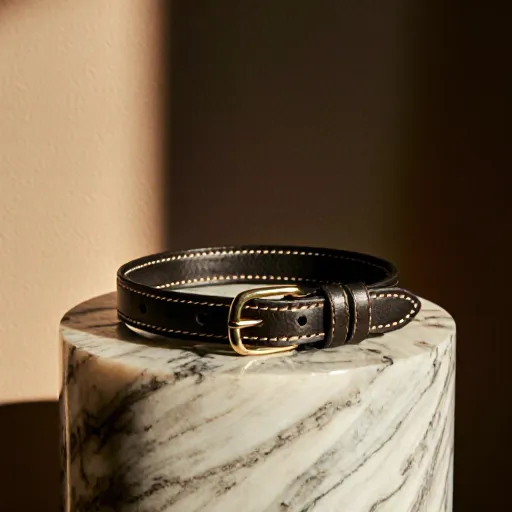
Pawsome luxury that lasts a lifetime!
Woof‑Woven Wonders: Luxury Meets Long‑Lasting Durability
Table of Contents
- Introduction to Dog-Friendly Furniture
- Materials That Withstand Paw Prints
- Fabric vs. Leather: Pros and Cons
- Choosing the Right Color for Your Space
- Durable Upholstery Options
- Low Maintenance Flooring Ideas
- Pet-Proofing Your Living Room
- Creating a Cozy Dog Bed Area
- Sturdy Furniture Shapes for Active Dogs
- Eco-Friendly Materials to Consider
- Budget-Friendly Alternatives
- Installation and Maintenance Tips
- Guest Spaces: Balancing Style and Durability
- Conclusion
- FAQ
Introduction to Dog-Friendly Furniture
When you bring a dog into your home, the furniture you choose can either become a source of stress or a sanctuary for both you and your four‑legged friend. Dog‑friendly furniture is designed with durability, comfort, and safety in mind so that pets can lounge, play, and nap without damaging your décor.
Why It Matters
- Protects Upholstery: High‑traffic areas such as living rooms often see scratches from claws or drool stains. Materials like Nylon‑blend fabrics, microfiber, and leather alternatives resist these marks.
- Reduces Allergens: Dogs shed fur, dander, and occasionally saliva. Choosing anti‑allergy fabrics helps keep dust mites at bay.
- Enhances Safety: Rounded corners, non‑slip feet, and sturdy frames prevent injuries if your dog jumps or rolls on the sofa.
Key Features to Look For
- Stain‑Resistant Finish: A protective coating that can be wiped clean with a damp cloth. Test it in a hidden corner first.
- Durable Thread Count: Fabrics with a higher thread count (≥ 400) are less likely to tear when your dog claws or pulls on cushions.
- Easy Maintenance: Removable, machine‑washable covers or upholstery that can be spot‑cleaned quickly.
- Non‑Toxic Materials: Ensure the foam and leather are free from harmful chemicals such as phthalates or lead.
Popular Dog‑Friendly Furniture Options
Below are a few examples that blend style with practicality. Each product is highlighted for its standout feature set.
Paws & Comfort Leather Sofa

- Full‑grain faux leather, scratch‑resistant finish.
- Built‑in drainage channel to manage drool or spills.
- Rounded corners and reinforced frame for added safety.
Urban Microfiber Sectional

- Ultra‑soft microfiber with anti‑stain coating.
- Integrated storage pockets for dog toys and treats.
- Easy‑to‑clean removable cushions.
Eco‑Friendly Recycled Fabric Recliner

- Made from recycled PET bottles.
- Waterproof top layer, perfect for accidental spills.
- Soft, dog‑friendly foam that conforms to body shape.
Practical Tips for Maintaining Dog‑Friendly Furniture
- Use a Protective Cover: When your dog is sleeping or resting, place a washable throw over the couch. This keeps fur and dander off the upholstery.
- Regular Grooming: Brush your dog frequently to reduce shedding on furniture surfaces.
- Spot‑Clean Immediately: Use a pet‑safe cleaner for any drool or food spills. Avoid harsh chemicals that can damage the fabric.
- Rotate Cushions: If possible, rotate or flip cushions to even out wear and tear.
Investing in dog‑friendly furniture not only preserves your interior design but also creates a cozy space where both you and your pet can relax. By focusing on durable materials, easy maintenance, and safety features, you’ll enjoy fewer headaches and more tail wags for years to come.
Materials That Withstand Paw Prints
When you have a furry companion, the furniture you choose should be as resilient as it is stylish. The best options combine durability with easy maintenance and a finish that can survive daily paw traffic, shedding, and occasional accidents. Below are three categories of materials that excel in this area, complete with real‑world examples and practical care tips.
1. Leather & Faux Leather
- Why it works: Natural leather is tough, water‑repellent (when conditioned), and resists stains from common dog foods and drool. High‑grade faux leather mimics these properties at a lower cost.
- Example product: The “Paws & Puffs” sectional from Pet‑Friendly Furnishings uses premium vegetable‑tanned leather with a sealed finish that can be wiped clean with a damp cloth.
- Maintenance tip: Apply a leather conditioner every 4–6 weeks to keep the surface supple and prevent cracking. For faux leather, use a mild soap solution and avoid harsh abrasives.
2. Microfiber & Heavy‑Duty Outdoor Fabrics
- Why it works: These fabrics are densely woven, making them resistant to snagging from claws. Many outdoor blends include a protective PU or PVC coating that repels liquids and hides fur.
- Example product: The “Canine Comfort” recliner from Outdoor Living Co. features 100% polyester microfiber with a UV‑stable finish—ideal for patio furniture that sees both sun and pets.
- Maintenance tip: Vacuum weekly to remove loose hair, then spot‑clean with a gentle upholstery cleaner. For heavy stains, a steam cleaner can be used safely on most outdoor fabrics.
3. Engineered Wood & High‑Grade Laminates
- Why it works: Solid hardwoods like oak or maple are naturally sturdy, but they’re susceptible to scratches. Engineered wood topped with a high‑gloss laminate (often labeled “pet‑friendly” or “scratch‑resistant”) provides a hard, sealed surface that can be wiped down after playtime.
- Example product: The “Dog‑Proof Dining Set” from Durable Designs uses a tempered laminate finish over a plywood core, making it both lightweight and resistant to paw dents.
- Maintenance tip: Clean with a mild detergent solution; avoid soaking the surface. For deeper stains, use a non‑abrasive scouring pad on the laminate side only.
Practical Tips for Choosing and Caring for Dog‑Friendly Furniture
- Test before buying: If possible, bring your dog along to a showroom or ask sellers for a sample swatch. Observe how the material reacts when scratched or exposed to moisture.
- Consider a protective cover: Even the best materials benefit from an optional washable slipcover that can be removed and laundered regularly. Look for covers made of 100% cotton blends with reinforced stitching.
- Use paw mats or rugs: Place durable mats in high‑traffic areas to reduce direct contact between the pet’s paws and furniture surfaces.
- Regular grooming: A well‑maintained coat reduces shedding, which helps keep upholstery cleaner. Brush your dog at least twice a week to minimize hair buildup on furniture.
By selecting materials that naturally resist scratches, stains, and moisture—and by following these maintenance practices—you can enjoy stylish home décor without sacrificing comfort for your canine companion. Happy decorating!
Fabric vs. Leather: Pros and Cons
Choosing the right upholstery is a balancing act between style, durability, and your furry friend’s comfort. Below we break down the key advantages and drawbacks of each material, paired with real‑world examples and practical tips for keeping both your sofa and your pup happy.
Fabric Upholstery
- Pros:
- Softness & Comfort: Natural fibers like cotton or polyester provide a plush feel that many dogs enjoy curling up on.
- Aesthetic Variety: Fabrics come in endless colors, patterns, and textures—perfect for matching your décor.
- Cost‑Effective: Generally cheaper than high‑quality leather, making it easier to replace or upgrade if needed.
- Cons:
- Stain & Odor Susceptibility: Food, water, and fur can leave visible marks that are hard to remove with a pet’s claws or paws.
- Wear Over Time: Heavy‑use areas may develop pilling or fraying, especially around the chair legs where dogs often sit.
- Practical Tips:
- Choose Pet‑Friendly Fabrics: Look for microfiber blends or specially treated upholstery that resists stains and hides fur.
- Use Removable Covers: Slipcovers with zip closures allow quick cleaning; choose a breathable, washable material.
- Regular Grooming: Vacuum weekly to remove loose hair, and spot‑clean spills immediately using pet‑safe cleaners.
Leather Upholstery
- Pros:
- Aesthetic Appeal: Classic look that ages gracefully and often complements a modern or rustic interior.
- Durability & Easy Maintenance: Smooth surface resists fur buildup; wipe‑clean with a damp cloth removes most stains.
- Odor Resistance: Natural oils in leather help repel pet odors better than many fabrics.
- Cons:
- Scratches & Punctures: Sharp nails can leave visible gouges; heavy paw pressure may cause small cuts or tears over time.
- Temperature Sensitivity: Leather can feel cold in winter and hot in summer, potentially uncomfortable for a dog’s paws.
- Higher Cost & Limited Colors: Premium leather options can be pricey; color choices are more limited compared to fabric.
- Practical Tips:
- Use a Protective Pad: Place a thin, pet‑friendly cushion between the dog’s paws and the leather to reduce friction.
- Regular Conditioning: Apply a leather conditioner every 3–6 months to keep the material supple and less prone to cracking.
- Trim Nails Promptly: Keep your dog's nails trimmed to at least 1/4 inch to minimize scratching.
Real‑World Dog‑Friendly Furniture Examples
- Fabric Example: “Cushy Paws” Sectional (Polyester Blend)
- A deep, plush sectional with a microfiber overlay that resists stains and hides fur. Comes with a removable, machine‑washable cover.
- Leather Example: “Urban Hideaway” Sofa
- A sleek leather sofa featuring a padded seat cushion to protect against paw pressure and a built‑in pet mat underneath the legs for added comfort.
Bottom Line
If you prioritize low maintenance and a modern look, premium leather with proper care can be an excellent choice. For those who value softness and budget flexibility, high‑quality, stain‑resistant fabrics paired with protective covers often provide the best balance for both you and your four‑legged companion.
Choosing the Right Color for Your Space
When you’re designing a home that’s both stylish and pet‑friendly, color is one of your most powerful tools. The right palette can calm your dog, hide everyday messes, and create an inviting atmosphere for everyone.
1. Understand Color Psychology for Dogs
- Cool tones (blues & greens): These hues are generally calming for dogs, reducing stress in high‑energy households.
- Warm tones (oranges, reds): Use sparingly—too much can overstimulate a nervous dog.
- Neutral shades (grays, beiges, taupes): Great for hiding fur and crumbs while providing an elegant backdrop.
2. Pick Pet‑Friendly Paints
Opt for low‑VOC or zero‑VOC paints that are safe for pets. Brands like Benjamin Moore Natura, Sherwin-Williams Harmony, and Farrow & Ball Eggshell offer durable, washable finishes that stand up to a dog’s curious nose.
3. Match Furniture Color to Your Palette
Your furniture should complement the wall colors while also being practical for a pet‑friendly home:
- Dark leather or faux leather (brown, black): These hide scratches and stains. Pair with light walls for contrast.
- Fabric sofas in neutral tones: Choose durable weaves like canvas or microfiber; add removable slipcovers for easy cleaning.
- Upholstered chairs in muted blues: Combine calm colors with a plush texture that dogs love to nap on.
4. Use Accent Walls and Features
Create focal points with an accent wall in a subtle, dog‑friendly hue—think sage green or dusty rose. Add a contrasting throw pillow or rug that matches the color scheme but is made from pet‑safe materials (e.g., organic cotton or wool blends).
5. Incorporate Practical Accessories
- Colorful dog beds: Choose beds in complementary shades—if your walls are cool, go for a warm terracotta bed.
- Pet-friendly rugs: Use non‑slip, stain‑resistant rugs that match your palette. A deep navy rug can add depth without showing fur.
- Decorative items: Opt for pet-safe plants (like spider or pothos) in ceramic pots that echo wall colors.
6. Test Before Committing
Paint a small patch on the wall and place a dog bed, cushion, or rug next to it. Observe how your dog reacts—does the color calm them? Does it hide their fur well? Adjust accordingly.
7. Keep Maintenance in Mind
- Choose colors that are easy to touch‑up: lighter shades often show less wear, while darker hues can mask stains but may require deeper cleaning over time.
- Consider a semi‑gloss or satin finish on high‑traffic areas for easier wipe‑downs.
By thoughtfully pairing wall colors with dog‑friendly furniture options and practical accessories, you’ll create a space that’s both beautiful to look at and comfortable for your four‑legged friend. Remember—color isn’t just about aesthetics; it plays a vital role in ensuring your home remains calm, clean, and inviting for everyone.
Durable Upholstery Options
If you’re a pet parent, the last thing you want is to replace your sofa every few months because of chewed legs or muddy paw prints. Below are some of the most resilient upholstery materials that combine style with practical durability, and tips on how to care for them.
1. Full‑Grain Leather
- Why it works: Natural oil from the hide keeps leather supple; scratches fade over time, giving a “patina” that looks intentional.
- Dog‑friendly features: Resistant to paw pads and hair; easy to wipe down with a damp cloth. Avoid abrasive cleaners that can strip oils.
- Care tip: Use a leather conditioner every 6–12 months. For quick spots, dab with a mild soap solution and dry immediately.
2. High‑Thread‑Count Microfiber
- Why it works: Dense weave locks in fur, hides stains, and resists abrasion.
- Dog‑friendly features: Stain‑resistant finishes (e.g., oil‑based repellents) create a barrier against liquids and odors.
- Care tip: Vacuum weekly; treat spills with an enzymatic cleaner to neutralize pet urine. Avoid high heat, which can melt the fibers.
3. Performance Fabrics (e.g., Teflon‑coated polyester)
- Why it works: Hydrostatic and oleophobic coatings repel water, oils, and pet saliva.
- Dog‑friendly features: Resistant to claw marks; easy to spot‑clean with a damp microfiber cloth.
- Care tip: Follow manufacturer’s cleaning chart. For deep stains, use a mild detergent in lukewarm water and rinse thoroughly.
4. Outdoor‑Grade Fabrics (e.g., Sunbrella®)
- Why it works: UV‑stable, mildew‑resistant, and designed for high foot traffic.
- Dog‑friendly features: Non‑porous weave prevents odors from penetrating; easy to rinse with hose water.
- Care tip: Rinse weekly if exposed to outdoor elements. For indoor use, vacuum and spot clean with a mild soap solution.
5. Premium Faux Leather (PU‑coated)
- Why it works: Mimics real leather’s look while being less prone to staining.
- Dog‑friendly features: Smooth surface resists paw pad indentations and is easy to wipe clean.
- Care tip: Use a soft, damp cloth. Avoid harsh solvents that can degrade the coating.
Practical Maintenance Checklist
- Regular vacuuming: Removes fur and debris before it embeds into fibers.
- Immediate spill response: Blot, don’t rub; use pet‑safe cleaners for urine or vomit.
- Rotating cushions: Even wear reduces sagging and extends life.
- Dog furniture cover: Optional lightweight covers can be swapped out during heavy usage periods.
Bottom Line
Select a material that matches your lifestyle—whether you prefer the classic feel of leather or the low‑maintenance resilience of microfiber. Pair it with routine cleaning and a good dog cover, and you’ll keep your furniture looking fresh for years.
Low Maintenance Flooring Ideas
If you’re looking to keep your home clean and stylish while still accommodating a furry friend, the right flooring choice can make all the difference. Below are some of the best options that combine durability, easy cleaning, and a comfortable surface for both humans and dogs.
1. Luxury Vinyl Plank (LVP)
- Why it works: Mimics hardwood or stone with a waterproof, scratch‑resistant surface that’s easy to wipe down after a muddy paw print.
- Practical tip: Choose planks with a high gloss finish for an extra layer of protection against stains. Use a microfiber mop and a mild cleaner to keep the shine without damaging the protective sealant.
2. Porcelain or Ceramic Tile
- Why it works: Tiles are naturally waterproof, heat‑resistant, and highly resistant to scratches from claws.
- Practical tip: Install a patterned or textured tile in high‑traffic areas to mask scuffs. Seal grout lines monthly to prevent moisture penetration and mold growth.
3. Engineered Hardwood with Protective Coating
- Why it works: Provides the warmth of real wood but is less susceptible to water damage when treated with a high‑quality sealant.
- Practical tip: Use pet-friendly floor protectors like felt pads under furniture legs and place rugs in areas where your dog spends most time. Vacuum weekly to reduce hair buildup that can scratch the finish.
4. Commercial‑Grade Rubber Flooring
- Why it works: Extremely durable, shock‑absorbent, and naturally resistant to stains and odors.
- Practical tip: Ideal for pet playrooms or kitchen areas. Clean with a gentle soap solution; avoid harsh chemicals that can degrade the rubber over time.
5. Bamboo (Bamboo flooring)
- Why it works: Harder than many hardwoods, naturally water‑resistant when sealed properly.
- Practical tip: Opt for a “closed‑grain” bamboo variety to reduce the chance of splintering from paw claws. Use a microfiber dust mop followed by a damp cloth to keep the surface free of debris.
6. Cork Flooring
- Why it works: Naturally antimicrobial, provides a soft cushion for paws, and resists moisture when properly sealed.
- Practical tip: Apply a clear, pet‑friendly sealant after installation. Replace or repair damaged sections promptly to avoid hidden damage that could lead to more extensive repairs later.
Choosing the Right Combination
Many homeowners combine two types of flooring: for example, LVP in living areas paired with tile in the kitchen and a rubber play zone in the dog’s designated space. This approach balances aesthetics, comfort, and practicality.
- Orthopedic Pet Beds: Look for beds with memory foam or gel inserts that conform to your dog’s joints, reducing the risk of arthritis.
- Pet Sofa Covers: Use washable, waterproof covers on couch cushions so you can easily remove dirt and pet hair.
- Paw‑Friendly Rug Pads: Place these under rugs or mats to keep them from sliding and to protect the floor underneath.
- Durable Pet Shelves: Install low shelves with rounded edges so your dog can climb safely without scratching walls or floors.
By selecting flooring that’s tough yet forgiving, and pairing it with furniture designed to withstand the rigors of canine life, you’ll maintain a clean, welcoming home for both you and your four‑legged friend.
Pet-Proofing Your Living Room
If you’re looking to keep your living room stylish while also making it safe and comfortable for your four‑legged companion, choosing the right furniture is key. Below are detailed options, real‑world examples, and practical tips that will help you create a space everyone can enjoy.
1. Upholstered Pieces with Durable Fabrics
- Microfiber or Performance Blends: These fabrics resist stains, shed minimal fibers, and are easy to wipe clean. Brands like Dunelm’s Performance Collection or B&J’s Microfiber Velvet offer pet‑friendly options.
- Leather (Genuine or Faux): Leather is naturally resistant to hair and odors, but ensure it has a protective finish. Opt for full‑grain leather sofas that can be wiped with a damp cloth after playtime.
- Wool Blends: Wool resists pet dander and is fire‑retardant. Look for 100% wool upholstery in neutral colors to hide fur.
2. Low‑Profile Seating
Low chairs or ottomans reduce the chance of a dog accidentally bumping into them while running around. Consider:
- Couch‑style futons: Foldable and easy to move, they allow you to clear space during play sessions.
- Bean‑bag chairs with hard shells: Use a protective cover that can be removed and washed.
3. Built‑In Storage & Shelving
Keep toys, treats, and cleaning supplies out of reach but easily accessible for you. Look for:
- Closed cabinets with child‑proof locks: These prevent curious paws from pulling open drawers.
- Open shelving with lower brackets: Place heavy items on the bottom to avoid tipping when a dog nudges them.
4. Furniture with Rounded Edges and Sturdy Construction
Dogs love to chew, but furniture that can withstand a bite is preferable. Features to look for include:
- Rounded corners: Reduce the risk of scratches or injuries.
- Heavy‑weight frames (e.g., steel or solid wood): They resist being tipped over by excited pets.
- High legs: Prevent small dogs from getting too close to cushions and possibly ingesting loose fabric.
5. Easy‑to‑Clean Accessories
Add protective covers that can be removed for washing:
- Cushion throws with zippered pockets: Keep them detachable so you can throw them in the wash after a muddy walk.
- Slipcovers made from waterproof polyester: Ideal for high‑traffic areas where spills are common.
6. Practical Advice & Maintenance Tips
- Inspect regularly: Check for loose seams or weak spots that could be damaged by a dog’s claws.
- Use pet‑friendly cleaning agents: Avoid harsh chemicals that can irritate your pet’s skin. A mild soap and warm water solution works well on most fabrics.
- Rotate cushions: This helps maintain even wear and prevents localized damage.
- Provide designated play zones: Place a durable rug or mat in the corner of your living room to keep high‑traffic areas contained.
By selecting furniture that combines durability, ease of cleaning, and safety features, you’ll create a living room that’s both welcoming for guests and comfortable for your dog. Happy decorating!
Creating a Cozy Dog Bed Area
When designing a comfortable sleeping spot for your canine companion, the furniture you select should combine durability, comfort, and style. Below are key categories of dog‑friendly furniture options, practical tips on how to integrate them into your space, and real‑world examples that illustrate each choice.
1. Upholstered Dog Beds with Removable Covers
- Why they work: Soft fabrics give dogs a plush surface to curl up on while removable covers make cleaning a breeze.
- Popular styles:
- Pillow‑top beds that mimic human pillows, perfect for small breeds.
- Memory foam options that support joints for senior dogs.
- Hammock beds that hang from a ceiling rail or wall bracket, ideal for high‑climbing breeds.
- Practical tip: Choose a cover material like microfiber or terry cloth which resists stains and is machine washable. Store an extra set of covers so you can rotate them weekly.
2. Dog‑Friendly Sofas & Sectionals
Many modern sofas come in pet‑friendly fabrics such as twill, microfiber blends, or leather alternatives. They offer a shared space for you and your dog.
- Durability factor: Look for reinforced stitching around high‑traffic areas (like the seat edges) to withstand paw scratches.
- Design idea: Place a small, washable throw blanket over the back cushions so your dog can lie down without pulling on the upholstery.
3. Dog‑Friendly Coffee Tables
A low coffee table can become an impromptu resting spot for pets that like to nap while you read.
- Material suggestions: Solid wood with a matte finish or metal frames covered in faux leather.
- Feature: Tables with built‑in storage (drawers or shelves) allow you to hide spare blankets and toys, keeping the area tidy.
4. Shelving Units & Wall‑Mounted Beds
For small apartments or rooms where floor space is limited, wall‑mounted beds can free up room for other furniture.
- Construction tips: Use sturdy brackets and ensure the unit is anchored to studs. The bed itself should have a low profile to avoid tripping hazards.
- Example layout: A floating shelf with a built‑in dog crate underneath, providing both sleep space and secure storage for leashes or toys.
5. Outdoor‑Ready Furniture Pieces
If your dog enjoys spending time outside, consider weather‑resistant furniture such as:
- Aluminum patio tables with a removable cushion for easy cleaning.
- Durable rubberized benches that resist chewing and can be washed in a hose.
Practical Design Checklist
- Measure the space: Ensure your dog has enough room to stretch out fully without bumping into furniture.
- Choose neutral colors: Light greys, beige, or muted blues blend well with most décor while hiding fur stains.
- Add a protective layer: Place a rubber mat under the dog bed to protect hardwood floors and prevent scratches.
- Rotate furniture: Move the dog’s bed periodically so it stays fresh and avoids odor buildup.
By selecting the right combination of dog‑friendly furniture, you can create a cozy, stylish, and practical sleeping area that benefits both your pet and your home décor. Remember to always supervise new furniture installations for safety and comfort, and keep an eye on wear and tear so replacements are timely.
Sturdy Furniture Shapes for Active Dogs
If you have an energetic pup who loves to jump, chase, and explore the living room, choosing the right furniture can be a game‑changer. The key is to pick pieces that are both durable and dog‑friendly, with shapes that accommodate your dog’s natural movements while protecting your home.
1. Low‑Profile, Rounded Sofas & Sectionals
- Why it works: A lower seat height allows dogs to jump on and off more safely, reducing the risk of injury or furniture damage.
- Shape advantage: Rounded edges eliminate sharp corners that can snag fur or cause scratches.
- Example product: Herman Miller’s Aeron Sofa – crafted with a flexible, low‑profile frame and a plush, abrasion‑resistant fabric finish.
2. Heavy‑Duty Leather or Faux Leather Sectionals
- Durability factor: Leather resists chewing marks, paw prints, and spills better than most cotton blends.
- Maintenance tip: Use a leather conditioner monthly to keep the surface supple; this also deters dogs from licking or biting at cracks.
- Example product: West Elm’s Mid‑Century Leather Sofa – features a reinforced frame and a reversible, easy‑to‑clean leather upholstery.
3. Modular Bean Bag Chairs with Firm Core
- Why it works: The dense foam core holds shape under weight while the soft exterior offers comfort for both humans and dogs.
- Shape advantage: Circular or oval designs encourage a relaxed sitting posture, reducing the likelihood of accidental bumps.
- Example product: Boll & Branch’s Premium Bean Bag – uses high‑density foam and a removable, machine‑washable cover made from recycled polyester.
4. Sturdy Wooden Coffee Tables with Rounded Corners
- Structural integrity: Solid hardwood or engineered wood can withstand chewing and paw traction without warping.
- Safety tip: Keep the tabletop free of loose screws; use a protective sealant to guard against spills that could stain or degrade the surface.
- Example product: Austin Home’s Walnut Coffee Table – built with a reinforced frame and a smooth, rounded edge finish.
5. Adjustable Height Beds for Dogs (Dog‑Friendly Furniture)
- Why it works: These beds can be raised or lowered to match the height of your sofa or chair, allowing dogs to rest comfortably without jumping.
- Shape advantage: An ergonomic, contoured design promotes proper spinal alignment and reduces joint strain for active breeds.
- Example product: PetFusion Elevated Dog Bed – features a breathable mesh top and a removable, washable cover.
Practical Advice for Maintaining Your Dog‑Friendly Furniture
- Regular Grooming: Brush your dog’s fur frequently to minimize shedding on upholstery.
- Spill Management: Use a washable slipcover or throw blanket that can be removed and laundered after accidents.
- Chew Deterrents: Apply a pet‑safe bitter spray on seams or joints to discourage chewing.
- Training Reinforcement: Reward your dog with treats when they use their designated bed instead of the sofa, reinforcing positive behavior.
- Periodic Inspection: Check for loose screws or worn fabric every three months; replace or repair promptly to maintain safety and aesthetics.
By selecting furniture that blends sturdy construction with dog‑friendly shapes, you create a harmonious living space where both humans and pets can thrive. Remember to tailor your choices to the specific size, activity level, and chewing habits of your canine companion for maximum longevity and enjoyment.
Eco-Friendly Materials to Consider
If you’re looking for dog‑friendly furniture that’s also kind to the planet, focus on materials that are renewable, recyclable, or made from recycled content. Below is a quick guide to help you choose sustainably without compromising comfort and durability for your furry friend.
1. Reclaimed Wood
- Why it matters: Uses timber that would otherwise be discarded, reducing the demand for new lumber and the associated deforestation.
- Dog‑friendly features: Smooth, sanded surfaces prevent splinters; natural grain adds texture dogs enjoy exploring.
- Practical tip: Look for furniture with a sealant that’s non‑toxic and low in VOCs (volatile organic compounds). A simple water‑based polyurethane is usually safe for pets.
2. Bamboo
- Why it matters: Grows quickly, requires little fertilizer or pesticide, and can be harvested without cutting down trees.
- Dog‑friendly features: Naturally resistant to moisture, which helps keep the surface clean when pets shed or spill.
- Practical tip: Choose bamboo that’s been kiln‑dried rather than chemically treated. Pair it with a breathable upholstery fabric for extra comfort.
3. Recycled PET (rPET) Upholstery
- Why it matters: Turns post‑consumer plastic bottles into durable, soft fabrics.
- Dog‑friendly features: Often labeled as “pet‑safe” because the fibers are tightly woven, reducing the chance of small parts being chewed off.
- Practical tip: Look for a stain‑resistant finish. A microfiber rPET cushion is both easy to wipe down and tough against claws.
4. Organic Cotton & Hemp Blends
- Why it matters: Grown without synthetic pesticides; hemp requires minimal water.
- Dog‑friendly features: Breathable and soft, making them ideal for dogs that like to lie on cool surfaces.
- Practical tip: Ensure the fabric is treated with a pet‑safe, non‑toxic dye. Wash the cushion cover before first use to remove any residual chemicals.
5. Natural Rubber (Latex) Cushions
- Why it matters: Harvested from rubber trees that continue to produce sap for decades, making it a renewable resource.
- Dog‑friendly features: Resilient and hypoallergenic; latex cushions maintain shape even after prolonged use by active dogs.
- Practical tip: Verify that the latex is certified “natural” (no synthetic additives). Pair with a washable cover for easy maintenance.
6. Hemp‑Based Foam
- Why it matters: Uses hemp fibers as a filler in foam, reducing reliance on petroleum‑based materials.
- Dog‑friendly features: Provides good support for joints and is naturally resistant to mold and mildew—great for dogs that love to dig or chew.
- Practical tip: Choose a closed‑cell foam to prevent dust from escaping into the room. A removable, machine‑washable cover completes the eco‑friendly package.
7. FSC‑Certified Upholstery Wood Frames
- Why it matters: Forest Stewardship Council certification guarantees that wood comes from responsibly managed forests.
- Dog‑friendly features: Strong, stable frames support heavy dogs and reduce wobble during play.
- Practical tip: Check for a “low‑VOC” finish. A natural oil or wax seal will protect the wood without exposing your pet to harmful fumes.
8. Recycled Metal Fasteners & Hardware
- Why it matters: Using recycled steel or aluminum for screws, hinges, and brackets cuts down on new metal production.
- Dog‑friendly features: Provides extra durability against chewing or pawing, keeping furniture stable over time.
- Practical tip: Look for hardware with a non‑rust finish. A satin nickel or matte black look blends well with natural wood or bamboo designs.
Choosing the Right Combination
When selecting dog‑friendly furniture, pair materials that complement each other’s strengths. For instance, a reclaimed‑wood frame with an organic cotton/hemp upholstery and a natural rubber cushion offers a blend of durability, comfort, and sustainability.
Maintenance Tips for Eco‑Friendly Dog Furniture
- Regular Cleaning: Vacuum or brush off fur; spot‑clean with mild soap and water to keep surfaces free from dirt.
- Avoid Harsh Chemicals: Stick to pet‑safe cleaners; many eco‑friendly materials can be damaged by bleach or ammonia.
- Protect Against Chewing: Use chew‑proof dog toys and consider a protective cover when the furniture is heavily used.
- Inspect for Wear: Check seams, fasteners, and cushions regularly. Reattach loose screws or replace worn fabric to prolong life.
By selecting materials that are both sustainable and resilient, you create a cozy haven for your dog while minimizing environmental impact. Happy shopping!
Budget-Friendly Alternatives
If you’re looking to keep your living space both dog‑friendly and wallet‑savvy, there are plenty of options that won’t break the bank.
- Reupholstered Furniture: Swap out old couch or chair cushions with high‑density foam and cover them in a durable, stain‑resistant fabric. Look for fabrics labeled “pet friendly” such as canvas, microfiber, or treated leather. A quick DIY can turn a $200 sofa into a $50 investment.
- Slipcovers: Slipcovers are an instant upgrade that protects your upholstery from claws and accidents. They’re inexpensive (often under $30), come in a variety of styles, and can be washed or wiped clean. Choose ones with a non‑slip backing to keep them in place.
- Flooring Solutions: Instead of costly hardwood or tile, consider luxury vinyl plank (LVP) or laminate that mimic natural wood but are more affordable and easier to clean. Add a runner or rug made from sisal or jute—materials that dogs can chew on without damaging the floor.
- DIY Dog Beds: Build your own dog bed using inexpensive pallets, old blankets, or foam mattresses. For example, stack two 2x4 boards to create a frame, cover with a sturdy blanket, and add a removable cushion that can be washed in the dryer.
- Second‑hand Finds: Thrift stores, garage sales, and online marketplaces like Facebook Marketplace or Craigslist often have great deals on furniture. Look for items made from solid wood or metal frames, which are sturdy enough to handle a dog’s weight and activity.
- Modular Seating: Opt for modular sofas or sectional pieces that can be rearranged as your dog grows or needs change. Many brands offer budget lines with scratch‑resistant fabrics and reinforced seams at prices below $500.
When choosing any of these options, keep in mind:
- Durability: Look for materials that can withstand chewing, scratching, and moisture.
- Easy Maintenance: Select fabrics that are machine washable or wipe‑cleanable.
- Safety: Avoid furniture with loose parts that could be swallowed or sharp edges that might injure your pet.
With a bit of creativity and research, you can create a cozy, stylish home that both you and your dog will love—without overspending.
Installation and Maintenance Tips
Installing and caring for dog‑friendly furniture is as important as choosing the right pieces in the first place. Below you’ll find step‑by‑step guidance, practical maintenance routines, and real‑world examples that make sure your pet’s comfort doesn’t come at the expense of your home’s style.
1. Choosing the Right Placement
- High‑traffic zones: Position dog beds or couches in areas where your pet naturally congregates—near a sunny window, along a hallway, or close to the kitchen. This encourages healthy sleeping habits and reduces the temptation to nap on fragile furniture.
- Avoiding foot traffic: If you have hard‑floor surfaces, place a durable rug or a low‑profile dog mat beneath the furniture. This protects both the floor and the upholstery from claws and accidental spills.
2. Securing Furniture Against Pull‑Ups
Even the most robust dog‑friendly sofas can be toppled by an enthusiastic pup. Use these simple techniques:
- Anchor straps: Attach heavy‑duty anchor straps from the furniture legs to the wall or floor. This keeps the piece stable during play sessions.
- Heavy base: Choose models with a weighted base—like those featuring metal cores or built‑in sandbags—to prevent tipping.
- Clear pathways: Keep cords and cables out of reach by using cable covers or storing them in pet‑proof drawers.
3. Cleaning Dog‑Friendly Upholstery
Dog hair, dander, and occasional accidents are inevitable. Follow these steps to keep your furniture looking fresh:
- Vacuum regularly: Use a handheld vacuum with a pet‑specific attachment to remove loose fur from cushions and seams.
- Spot‑clean stains: Mix one part white vinegar with two parts water; apply lightly with a clean cloth. For tougher spots, use a mild detergent solution and blot—never rub—to avoid pushing the stain deeper.
- Deep wash removable covers: If your furniture has removable, machine‑washable covers (many dog‑friendly sofas do), launder them on a gentle cycle with pet‑safe detergents. Dry on low heat to prevent shrinkage.
- Protective sprays: Apply a pet‑friendly fabric protector once every six months. This creates a barrier against stains and simplifies future cleanups.
4. Maintaining Leather or Faux Leather Pieces
Leather can be both luxurious and practical when it comes to pets, but it requires specific care:
- Wipe down daily: Use a dry microfiber cloth to remove dust and pet hair.
- Condition monthly: Apply a leather conditioner suitable for pet environments. This prevents cracking and keeps the material supple.
- Avoid direct sunlight: Position furniture away from windows that receive strong, direct rays to prevent fading.
5. Dealing with Odors
Even the best cleaning routine may not eliminate lingering smells after accidents. Try these strategies:
- Baking soda: Sprinkle baking soda over cushions, let sit for 30 minutes, then vacuum thoroughly.
- Enzymatic cleaners: Use a pet‑specific enzymatic cleaner to break down odor molecules. Test on a hidden area first to ensure no discoloration.
- Air out regularly: Open windows or use an air purifier with HEPA and activated carbon filters to circulate fresh air.
6. Routine Inspection Checklist
Regular checks help catch wear before it becomes a problem:
| Check Point | Frequency | What to Look For |
|---|---|---|
| Sewing and seams | Monthly | Loose threads, frayed edges, or gaps where fur could get trapped. |
| Legs and joints | Quarterly | Squeaks, wobble, or signs of stress cracks. |
| Cushion firmness | Every 6 months | Flattening or unevenness that may cause discomfort to pets. |
7. Practical Examples from Real Homes
- Case Study: The “Paw‑Friendly Sofa” – A family with a large terrier installed a heavy‑duty, modular sofa in their living room. They anchored the base to the wall and added a pet‑proof rug underneath. After six months of play, the couch remained intact, and the rug protected hardwood floors from scratches.
- Case Study: The “Cozy Corner” – A small apartment owner chose a low‑profile dog bed with a removable, washable cover. She uses a vacuum attachment every morning to keep fur at bay, and spot‑cleanes spills with vinegar solution. Her pet’s bed stays fresh without the need for professional cleaning.
- Case Study: The “Durable Dining” – A homeowner replaced a fragile dining table with a reinforced metal frame table covered in faux leather. She applies a leather conditioner monthly and uses an enzymatic cleaner after each accident, keeping both the surface and her pet’s hygiene high.
By combining thoughtful placement, secure installation, regular cleaning, and proactive inspection, you can ensure that your dog‑friendly furniture remains a stylish, durable centerpiece in your home for years to come.
Guest Spaces: Balancing Style and Durability
Guest rooms are a showcase of your home’s aesthetic, but when you have a four‑legged visitor they also need to be practical. Choosing furniture that looks great while withstanding claws, drool, and occasional spills can feel like a tightrope walk. Below is a guide to striking the right balance between design and durability.
1. Materials That Stand Up to Canine Life
- Microfiber upholstery: Offers a smooth surface that resists stains and hides pet hair. Look for tightly woven, machine‑stitched seams to prevent snagging.
- Treated leather or faux leather: Leather can be scratched but is easy to wipe clean; choose vegetable‑tanned or oil‑treated options for extra resilience. Faux leather with a polyurethane finish is a budget‑friendly alternative that looks premium.
- Hardwood and engineered wood frames: Avoid soft woods like pine, which are prone to denting. Opt for oak, maple, or walnut for longevity.
- Cotton blends with a protective coating: Some high‑quality cotton fabrics come pre‑treated with a stain‑resistant layer, making them suitable for pets.
2. Design Features That Protect Your Investment
- Rounded edges and smooth surfaces: Reduce the risk of claw damage and make cleaning easier.
- Hidden storage compartments: A place for leashes, treats, or a small dog bed keeps clutter out of sight and preserves a tidy guest room.
- Slip‑resistant legs: Prevents furniture from sliding around when a pet darts by, minimizing accidental knock‑overs.
3. Practical Furniture Picks for Guest Rooms
| Furniture Piece | Style Profile | Durability Highlights | Why It Works for Guests & Dogs |
|---|---|---|---|
| Modern Microfiber Accent Chair | Mid‑century with clean lines | Stain‑resistant weave, reinforced stitching | Comfortable for guests; pet hair stays hidden and easy to vacuum. |
| Reclaimed Wood Coffee Table with Leather Top | Industrial chic | Hardtop leather resists scratches; solid wood base resists dents | Stylish centerpiece that can double as a small dog bed when the top is removed. |
| Contemporary Sofa with Removable Covers | Neutral tones, plush cushions | Fabric covers are detachable for machine washing; frame made of tempered glass and metal for strength | Guests enjoy the luxury feel; owners can swap out covers after a pet visit. |
4. Maintenance Tips to Keep Furniture Looking Fresh
- Regular vacuuming: Use a brush attachment to lift fur without scratching the surface.
- Immediate spot‑cleaning: Blot spills with a damp cloth; avoid soaking, especially on upholstered pieces.
- Rotating cushions: Evenly distribute wear by turning pillows and seat pads every few weeks.
- Protective sprays: For leather or microfiber, apply a fabric protector that repels stains and reduces pet odor absorption.
5. Final Thought: Design as an Investment in Comfort for All Guests
The goal is to create a guest room that feels welcoming to both people and pets. By selecting the right materials, incorporating protective design features, and following a simple maintenance routine, you can enjoy stylish furniture that endures the occasional paw print and stays inviting for every visitor.
Conclusion
When you’re selecting or refurbishing home furnishings for a household that includes a canine companion, it’s essential to balance style with durability and safety. Below are key considerations, specific product recommendations, and actionable steps to help you make informed choices.
1. Material Matters
- Cotton & Linen: Natural fibers that look great but can trap fur and stains. Opt for tightly woven weaves or add a removable, washable cover.
- Nylon & Microfiber: These synthetic blends are stain‑resistant, easy to wipe clean, and often come in pet‑friendly finishes that hide scratches.
- Leather (Genuine or Faux): Leather is highly durable but can be scratched by claws. Choose full‑grain leather for better resistance, and consider a protective treatment spray.
- Wicker & Rattan: These natural fibers are ideal because they’re easy to brush off fur and are less likely to harbor bacteria. Look for reinforced weaves that can withstand chewing.
2. Design Features That Keep Dogs Happy
- Low Profile: Sofas or chairs with a low seat height reduce the risk of dogs jumping up and injuring themselves.
- Armrests & Edges: Rounded edges prevent accidental scratches on your dog’s legs or neck when they climb in.
- Removable Covers: If you’re using a stylish sofa, choose one with a detachable cushion cover that can be machine‑washed. Brands like Rogue and Home Comforts offer pet‑friendly removable covers.
3. Proven Dog-Friendly Furniture Options
| Product | Material | Key Features | Price Range |
|---|---|---|---|
| Rogue Pet‑Friendly Sectional | Nylon & Microfiber blend | Removable, machine‑washable covers; stain‑resistant finish; reinforced stitching | $1,200 – $1,800 |
| Home Comforts Leather Recliner | Full‑grain leather | Scratch‑resistant treatment; low profile seat; washable cushion pads | $850 – $1,200 |
| Wicker Pet Sofa | Reinforced rattan with cotton cushion | Easy to brush; natural fibers; removable cushion cover | $650 – $900 |
4. Practical Care Tips
- Regular Brushing: Keep fur off upholstery by brushing your dog daily and using a lint roller on furniture.
- Spot Cleaning: For spills, blot with a damp cloth first; avoid rubbing to prevent stain penetration.
- Use Protective Pads: Place non‑slip pads under cushions to deter claws from digging into the fabric.
- Rotate Cushions: If your furniture allows removable cushions, rotate them periodically to even out wear.
5. Final Thought
Investing in dog‑friendly furniture isn’t just about protecting your investment—it’s also a gesture of care for your four‑legged family member. By selecting the right materials, thoughtful designs, and practicing regular maintenance, you can enjoy stylish comfort at home while keeping your pup safe, happy, and fur‑free.
FAQ
What are the best materials for dog‑friendly furniture?
The key is durability, stain resistance, and easy maintenance. Some top choices:
- Microfiber – tightly woven fibers resist fur buildup and can be wiped clean.
- Leather (full‑grain or bonded) – dogs love the texture; it resists scratches and is easy to spot‑clean. Just make sure to use a leather conditioner regularly.
- Cordura® or other industrial fabrics – engineered for high wear, these fabrics are tear‑resistant and come in a range of colors.
- Treated cotton blends – look for stain‑blocking treatments (e.g., Scotchgard) that keep spills from soaking into the fibers.
How do I choose a sofa or chair that’s dog‑friendly?
Consider these practical factors:
- Seat depth and back height: A lower seat with a higher back provides better support for dogs that like to lean.
- Armrests: Avoid narrow or sharp armrests; wide, padded ones keep paws from slipping off.
- Leg placement: Legs should be spaced far enough apart so your dog can sit comfortably without feeling cramped.
- Ease of cleaning: Choose removable covers or fabric that can be machine‑washed on a gentle cycle.
Can I use pet furniture covers, and what should they look like?
Covers are a great way to protect your investment. Look for:
- Waterproof backing – prevents spills from seeping through.
- Non‑slip bottoms – keeps the cover in place even when your dog jumps off.
- Breathable mesh panels – allows airflow so the furniture stays cool during warm months.
What are some real‑world examples of dog‑friendly furniture?
Here are a few popular models that combine style with practicality:
- The “Canine Comfort” modular sofa – features removable, stain‑resistant covers and built‑in storage for toys.
- Aurora Leather Lounge – a full‑grain leather sectional that’s resistant to claws and easy to wipe down.
- Cordura® “Urban” recliner – designed with reinforced seams and a padded armrest that keeps paws safe.
How do I maintain dog‑friendly furniture over time?
Follow these simple steps to keep it looking new:
- Vacuum weekly – removes loose fur and prevents matting.
- Spot‑clean immediately – use a mild pet‑safe cleaner; avoid harsh chemicals that can damage fibers.
- Rotate cushions – distributes wear evenly and extends cushion life.
- Use protective sprays – apply a fabric protector once every 3–6 months to maintain stain resistance.
What should I avoid when selecting furniture for my dog?
Avoid these pitfalls:
- Low‑quality faux leather – it tears easily and can leave a harsh smell.
- Thin or exposed seams – dogs may chew through them, creating gaps for fur to get trapped.
- Bright patterns that attract attention – while stylish, they can highlight stains more readily.
How do I integrate dog‑friendly furniture into my home décor?
Blend function with style by:
- Choosing neutral colors – gray, tan, or navy hide stains and match most palettes.
- Adding complementary accessories – a matching throw blanket or ottoman keeps the look cohesive.
- Using modular pieces – easy to rearrange as your dog’s needs change (e.g., seasonal play vs. lounging).
Where can I buy dog‑friendly furniture?
Check out these reputable sources:
- PetSmart & Petco – extensive selection of pet‑specific upholstery.
- Wayfair, Amazon, and Overstock – filter by “pet friendly” in search options.
- Specialty brands (e.g., Pawfect Furniture, FidoFurnish) – offer custom sizing and high‑quality materials.
For more personalized advice, consult a local interior designer who specializes in pet-friendly spaces. They can help you choose the perfect balance of style, comfort, and durability for both you and your canine companion.
Products
-
 Fish Meal
Price range: ₹1,999.00 through ₹2,999.00
Fish Meal
Price range: ₹1,999.00 through ₹2,999.00
-
 FATTENING BROILER FEED
Price range: ₹2,299.00 through ₹2,349.00
FATTENING BROILER FEED
Price range: ₹2,299.00 through ₹2,349.00
-
 LAYER COUNTRY FEED
Price range: ₹1,549.00 through ₹1,649.00
LAYER COUNTRY FEED
Price range: ₹1,549.00 through ₹1,649.00
-
 COUNTER BROILER FEED
Price range: ₹1,199.00 through ₹1,299.00
COUNTER BROILER FEED
Price range: ₹1,199.00 through ₹1,299.00
-
 LACTATING PIG FEED
Original price was: ₹2,299.00.₹1,740.00Current price is: ₹1,740.00.
LACTATING PIG FEED
Original price was: ₹2,299.00.₹1,740.00Current price is: ₹1,740.00.
-
 Maize
Original price was: ₹1,650.00.₹1,300.00Current price is: ₹1,300.00.
Maize
Original price was: ₹1,650.00.₹1,300.00Current price is: ₹1,300.00.
-
 GESTATION PIG FEED (Phase 1)
Original price was: ₹2,249.00.₹1,699.00Current price is: ₹1,699.00.
GESTATION PIG FEED (Phase 1)
Original price was: ₹2,249.00.₹1,699.00Current price is: ₹1,699.00.
-
 Pre Starter Broiler Feed
Price range: ₹2,399.00 through ₹2,499.00
Pre Starter Broiler Feed
Price range: ₹2,399.00 through ₹2,499.00
-
 FINISHER PIG FEED
Original price was: ₹2,299.00.₹1,749.00Current price is: ₹1,749.00.
FINISHER PIG FEED
Original price was: ₹2,299.00.₹1,749.00Current price is: ₹1,749.00.
-
 Broiler Premix
Original price was: ₹820.00.₹699.00Current price is: ₹699.00.
Broiler Premix
Original price was: ₹820.00.₹699.00Current price is: ₹699.00.