
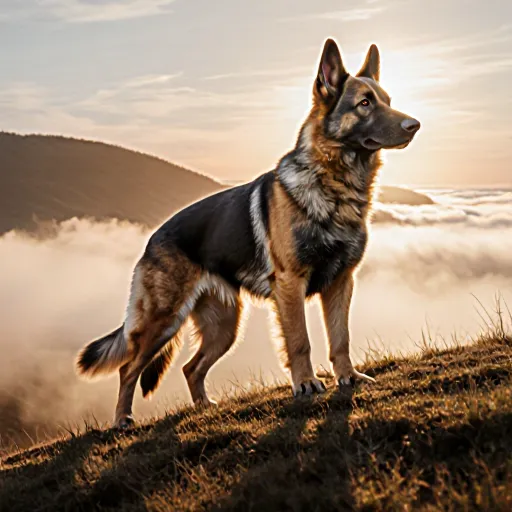
Meet the Workhorses of the Animal Kingdom
Working Dog Breeds and Their Unique Traits
Table of Contents
- Introduction to Working Dogs
- Border Collie – The Ultimate Herding Genius
- German Shepherd – Versatile Police and Military Companion
- Belgian Malinois – Agile Tactical Workhorse
- Siberian Husky – Endurance in Arctic Conditions
- Alaskan Malamute – Powerful Draft Dog
- Rottweiler – Protective Guard Dog
- Doberman Pinscher – Quick-Response Service Dog
- Australian Cattle Dog – High-Energy Herding Specialist
- Jack Russell Terrier – Small but Mighty Search and Rescue
- Belgian Tervuren – Balanced Working Dog for Multiple Roles
- English Springer Spaniel – Exceptional Hunting Partner
- Labrador Retriever – Friendly Search and Rescue Hero
- Conclusion: Choosing the Right Working Dog for Your Needs
- FAQ: Common Questions About Working Dog Breeds
Introduction to Working Dogs
Working dogs are the backbone of many professions that require intelligence, stamina, and a strong work ethic. Whether they’re herding livestock, guarding property, or assisting people with disabilities, each breed brings a set of traits honed by centuries of selective breeding.
1. Border Collie – The Ultimate Herding Champion
- Intelligence: Consistently ranked as the smartest dog, they learn new commands in minutes.
- Energy: Requires 1–2 hours of vigorous exercise daily; otherwise, they channel excess energy into destructive play.
- Training Tip: Use puzzle toys and agility courses to keep them mentally stimulated.
2. German Shepherd – Versatile Protector & Service Dog
- Loyalty: Strong bond with owners; excels in police, military, and search‑and‑rescue work.
- Trainability: Responds well to positive reinforcement; early socialization is crucial.
- Health Note: Monitor for hip dysplasia; regular joint supplements help maintain mobility.
3. Labrador Retriever – Friendly Service Dog
- Temperament: Calm, patient, and eager to please—ideal for guide dogs and therapy work.
- Work Capacity: Can haul heavy loads in hunting or fishing scenarios.
- Practical Advice: Provide daily walks of at least 30 minutes; they thrive on routine and consistency.
4. Australian Cattle Dog – Agile Ranch Hand
- Drive: Intense herding instinct; can work long hours under hot conditions.
- Physical Needs: Requires a secure fence and plenty of open space to run.
- Training Tip: Early obedience classes prevent stubbornness from becoming problematic on the ranch.
5. Belgian Malinois – Modern Military & Police Dog
- Agility: Quick, powerful, and highly trainable.
- Alertness: Excellent at detecting threats and maintaining focus in chaotic environments.
- Health Insight: Prone to eye conditions; regular vet check‑ups are recommended.
6. Old English Sheepdog – Gentle Herding Companion
- Personality: Friendly and tolerant, making them excellent family dogs that also handle light herding duties.
- Exercise Needs: Moderate; a few brisk walks plus playtime in the yard suffice.
- Practical Advice: Keep their long coat trimmed to avoid matting, especially after outdoor work.
7. Doberman Pinscher – Sleek Guard Dog
- Loyalty & Protection: Natural instinct to guard property and people.
- Training Focus: Consistent, firm commands with positive reinforcement prevent over‑aggression.
- Health Note: Watch for von Willebrand disease; early screening can prolong life expectancy.
8. Poodle (Standard) – Intelligent & Versatile Assistant
- Intelligence: One of the most trainable breeds; excels in obedience, agility, and assistance work.
- Hypoallergenic Coat: Low shedding makes them suitable for allergy sufferers.
- Training Tip: Regular grooming sessions keep their coat manageable and reduce skin irritation during active tasks.
Practical Takeaways for Potential Working Dog Owners
- Assess Your Lifestyle: Match a breed’s energy level with your daily routine. A Border Collie needs more activity than a Labrador.
- Early Socialization: Expose puppies to diverse environments, people, and sounds before they are 12 weeks old.
- Consistent Training: Use positive reinforcement, short sessions, and clear commands. Working dogs thrive on structure.
- Health Management: Schedule annual vet visits, maintain a balanced diet, and consider breed‑specific genetic tests (e.g., hip dysplasia in German Shepherds).
- Professional Guidance: For high‑performance roles, enlist certified trainers or working dog programs to refine skills.
Choosing the right working dog involves understanding not only the breed’s capabilities but also how those traits align with your goals and lifestyle. With dedication, training, and care, these remarkable dogs can become invaluable partners in a wide array of tasks—from farm to field, from home to help.
Border Collie – The Ultimate Herding Genius
The Border Collie is widely regarded as the pinnacle of herding breeds, a title earned through centuries of selective breeding for intelligence, stamina, and an almost instinctual drive to control livestock. Their reputation isn’t just hype; it’s backed by measurable traits that set them apart from other working dogs.
Key Traits That Make Them Stand Out
- High Cognitive Ability: Border Collies rank at the top of canine intelligence tests. They can learn complex commands in just a few repetitions and often solve problems on their own.
- Exceptional Endurance: A typical working day for a Border Collie involves 5–10 miles of continuous movement, often with breaks that feel like short naps to the human eye.
- Laser‑Focused Attention: They can maintain concentration on a single task (e.g., driving sheep) for hours without distraction, even in noisy environments.
- Strong Drive & Motivation: Their “work ethic” is fueled by a natural instinct to herd and a reward system that thrives on praise, toys, or treats.
How These Traits Translate into Practical Herding Skills
When you observe a Border Collie in action—whether guiding sheep across a field or performing agility drills—you’ll notice three core behaviors:
- Initiation: The dog will approach the flock and begin moving them with subtle body language.
- Direction & Speed Control: By using their front paws, ears, or a gentle nudge, they adjust both direction and pace.
- Closure: Once the task is complete, they signal to the handler (usually with a specific pose or vocal cue) that the job’s done.
Examples from Real‑World Herding
- Sheepdog Trials: In competitions like the British Sheepdog Trial, Border Collies consistently win for their precision and speed in moving sheep into designated pens.
- Farm Work: On large ranches in Texas or Australia, a single Border Collie can manage thousands of cattle, drastically reducing labor costs.
- Search & Rescue: Their agility and problem‑solving skills translate into effective search patterns during disaster response missions.
Training Tips for Harnessing Their Potential
- Start Early: Begin basic obedience at 8–10 weeks. Consistency builds trust and ensures they respond to cues.
- Use Positive Reinforcement: Treats, praise, or a favorite toy are powerful motivators—avoid punishment-based methods which can reduce focus.
- Introduce Real‑World Stimuli: Gradually expose them to sheep, wind, and varied terrains so they learn to ignore distractions.
- Keep Sessions Short & Engaging: A 20–30 minute training session every day is more effective than a single long one. End on a positive note with a fun game or playtime.
- Provide Mental Stimulation: Puzzle toys, scent work, and agility courses prevent boredom and keep the brain sharp.
Common Misconceptions & How to Avoid Them
- “They’re too smart for small tasks.” While they excel at herding, many Border Collies thrive in roles like agility, obedience competitions, or even as therapy dogs.
- “They need a lot of space.” With proper training, they can perform complex tasks in smaller yards or indoor arenas.
- “All herding breeds are the same.” Each breed—e.g., Australian Shepherds, Belgian Malinois, and Collies—has unique drive levels, temperament, and ideal work environments.
Conclusion: Why Border Collie Is The Go‑To Choice for Working Dogs
The combination of unmatched intelligence, relentless stamina, and a natural herding instinct makes the Border Collie the gold standard in working dog breeds. Whether you’re a farmer looking to manage livestock efficiently or an enthusiast wanting a highly trainable companion, investing time into training a Border Collie pays dividends in both performance and companionship.
German Shepherd – Versatile Police and Military Companion
The German Shepherd is often highlighted as the benchmark for police and military work, but it belongs to a broader family of working breeds that share certain core characteristics. Below we break down what makes these dogs exceptional in service roles, how their traits translate into real‑world applications, and practical tips for owners who want to harness or emulate those qualities.
1. Intelligence & Trainability
- German Shepherd: Ranked among the top three most intelligent dog breeds, they can learn new commands in as few as 20–30 repetitions and adapt to complex problem‑solving tasks.
- Belgian Malinois: Known for rapid learning curves; ideal for high‑intensity training environments like tactical teams.
- Doberman Pinscher: Quick thinkers that excel in agility drills and obedience competitions, making them excellent guard dogs.
2. Physical Endurance & Athleticism
Police and military duties demand sustained stamina. These breeds share a robust build that supports long hours of patrol or search operations.
| Breed | Average Weight (lbs) | Typical Daily Exercise |
|---|---|---|
| German Shepherd | 65–90 | 1–2 hours of mixed activity (running, agility, scent work) |
| Belgian Malinois | 55–75 | 2+ hours of high‑intensity training or field work |
| Doberman Pinscher | 70–90 | 1.5–2 hours of brisk walks and obstacle courses |
3. Sensory Acuity – Smell & Hearing
The sense of smell is a critical tool in detection work.
- German Shepherd: Estimated to have 300 million scent receptors, making them reliable drug and explosives detectors.
- Belgian Malinois: Slightly higher olfactory capacity than the German Shepherd; often used in narcotics detection units.
- Doberman Pinscher: Strong hearing and moderate scent ability; frequently employed as guard dogs and search‑and‑rescue partners.
4. Temperament & Protective Instincts
While intelligence is crucial, temperament determines how a dog interacts with humans and strangers.
- Loyalty: German Shepherds are deeply bonded to their handlers, which translates into unwavering focus during missions.
- Alertness: Belgian Malinois possess an almost instinctive “watchdog” mindset; they will alert on any movement.
- Guarding: Dobermans naturally exhibit a protective stance that deters intruders without excessive aggression.
5. Practical Advice for Owners and Trainers
- Start Early: Begin obedience training before the dog reaches 6 months to establish foundational commands.
- Socialize Widely: Expose dogs to varied environments—crowded streets, quiet parks, and controlled obstacle courses—to build confidence.
- Use Positive Reinforcement: Reward-based training keeps motivation high and reduces stress during complex tasks.
- Incorporate Scent Work: Simple scent games (e.g., hide-and‑seek with treats) develop the dog's olfactory skills in a fun way.
- Maintain Physical Health: Regular veterinary checkups, balanced nutrition, and scheduled exercise prevent injury during demanding work.
By understanding these core traits—intelligence, endurance, sensory acuity, temperament—and applying targeted training strategies, owners can nurture the next generation of versatile police and military companions. Whether you’re a seasoned handler or a new owner of a German Shepherd, these insights help maximize your dog’s potential while ensuring their well‑being on every mission.
Belgian Malinois – Agile Tactical Workhorse
The Belgian Malinois is often called the “soldier’s dog” because of its proven track record in military and law‑enforcement operations worldwide. Its combination of high energy, intelligence, trainability, and a natural instinct for obedience makes it one of the most versatile working breeds available today.
Key Working Traits
- High Work Drive: A Malinois will not rest until the job is done. In police work, this translates to relentless pursuit and rapid decision‑making.
- Intelligent Problem Solving: They learn commands quickly and can adapt on the fly—essential for dynamic tactical scenarios.
- Strong Protective Instincts: While not overly aggressive, they possess a natural guard dog temperament that makes them excellent body‑guards or security aides.
- Endurance & Agility: Capable of covering long distances in rough terrain—perfect for search and rescue missions.
Real‑World Examples
- Military Patrols: The U.S. Army’s 75th Ranger Regiment uses Malinois as sentry dogs, allowing soldiers to focus on mission tasks while the dog monitors perimeter threats.
- Counter‑Terrorism Units: In Israel’s Sayeret Matkal, Malinois are trained to detect explosives and locate hostages in high‑risk environments.
- Search & Rescue: During the 2010 Chilean mine rescue, a Malinois helped locate trapped miners by following subtle scent trails through collapsed tunnels.
Practical Training Advice
- Start Early: Begin obedience training at 6–8 weeks. Use positive reinforcement and short, high‑intensity sessions to match their energy levels.
- Consistency is Key: Every handler must use the same commands and reward system; mixed signals can undermine confidence in a tactical dog.
- Gradual Exposure: Introduce distractions—traffic, crowds, other animals—in a controlled setting before moving to real‑world scenarios.
- Physical Conditioning: Incorporate agility courses and endurance runs into weekly routines. A well-conditioned body reduces injury risk during high‑stress operations.
- Socialization: While protective, Malinois need early exposure to various people and environments to prevent over‑reactive guarding behaviors in civilian life.
Health & Care for Working Dogs
A Malinois’s demanding lifestyle requires proactive health management:
- Nutrition: Feed a high‑protein, balanced diet. Consider supplements like glucosamine for joint support.
- Regular Vet Checks: Schedule annual exams and keep vaccinations up to date—especially if the dog will be in contact with other animals or humans.
- Dental Hygiene: Daily brushing reduces periodontal disease, which can impact overall health.
Integrating into a Household
If you’re considering a Malinois for family life, remember they thrive on purpose. Without structured tasks, they may become bored or destructive. Provide them with:
- A job—search and rescue classes, agility leagues, or obedience competitions.
- Regular mental stimulation—puzzle toys, scent work, or training drills.
- Strong leadership—a handler who can command respect and maintain discipline.
When managed properly, a Belgian Malinois not only excels in tactical roles but also becomes an engaging, loyal companion for families that share their drive and dedication.
Siberian Husky – Endurance in Arctic Conditions
The Siberian Husky is one of the most iconic working dog breeds when it comes to surviving and thriving in extreme cold. Their genetic makeup, physical adaptations, and behavioral traits make them uniquely suited for pulling sleds over long distances across treacherous Arctic terrain.
Key Physical Traits That Contribute to Endurance
- Double Coat: A dense undercoat paired with a wind‑resistant outer coat provides excellent insulation, keeping the dog’s core temperature stable even when temperatures drop below -40 °F.
- Efficient Respiratory System: Huskies have large lungs relative to their body size, allowing them to take in more oxygen per breath—critical during high‑intensity work at altitude or in thin air.
- High Metabolic Rate: Their metabolism can be tuned to burn fat stores efficiently, ensuring steady energy release over long pulls.
Behavioral and Psychological Traits
Beyond the physical, Huskies exhibit a strong drive for endurance work. They are:
- Highly Motivated by Movement: Unlike many breeds that prefer short bursts of activity, Huskies find long pulls rewarding.
- Independent Decision‑Making: This trait allows them to assess terrain and pace themselves without constant human guidance—a necessity in remote Arctic areas where handlers may be separated from the pack.
Practical Training Tips for Building Arctic Endurance
- Progressive Distance: Start with short sled pulls (1–2 km) in milder climates and gradually increase distance by 10% each week. Monitor heart rate and body condition.
- Interval Training: Incorporate sprints of 30–60 seconds followed by rest periods to improve cardiovascular capacity and muscle recovery.
- Terrain Variety: Train on packed snow, ice ruts, and uneven tundra to build agility and leg strength. Use cross‑training with trail running or swimming in cold water to reduce injury risk.
- Nutrition & Hydration: Provide high‑calorie, high‑fat diets during training periods. Offer electrolyte‑rich drinks (e.g., coconut water diluted with a pinch of sea salt) and ensure access to fresh water—even in sub‑freezing temperatures using insulated bowls.
- Rest & Recovery: Allow at least 48 hours between intense sessions. Use massage, gentle stretching, and warm blankets post‑workout.
Real‑World Examples
The Iditarod Trail Invitational: Huskies that finish in the top quartile typically have trained with a structured program incorporating all of the above elements. For instance, “K-12”, a two‑year‑old husky who completed the race in under 40 hours, followed a regimen that included daily long pulls on varied Arctic terrain and weekly interval sessions.
The Canadian Arctic Expedition: A team of six Huskies carried a sled load of 400 kg over 300 km. Each dog averaged 25 km per day, demonstrating the breed’s capacity for sustained effort when properly conditioned.
Common Mistakes to Avoid
- Over‑training: Signs include chronic soreness, decreased appetite, and reluctance to pull. Scale back training intensity if these symptoms appear.
- Inadequate Warm‑Up: Skipping a 10‑minute warm‑up can lead to muscle strains—especially on icy surfaces where traction is limited.
- Neglecting Mental Stimulation: Huskies are intelligent; boredom can manifest as destructive behavior. Incorporate puzzle toys and scent work during rest days.
Final Takeaway
The Siberian Husky’s combination of a robust double coat, efficient respiratory system, high metabolic rate, and independent yet motivated temperament equips them to excel in Arctic endurance tasks. By applying structured training, balanced nutrition, and attentive recovery protocols, handlers can harness this natural capability for both competitive sledding and practical wilderness work.
Alaskan Malamute – Powerful Draft Dog
The Alaskan Malamute is a large, sturdy working dog that was originally bred by the Chukchi people of Siberia to haul heavy loads over long distances in harsh Arctic conditions. Their name literally means “dog that carries” in the Chukchi language, and this heritage still shows itself in their physical build, temperament, and work ethic.
Physical Traits That Make Them Ideal Draft Dogs
- Massive Build: Adult males can weigh between 85–100 lb (38–45 kg) and stand 24–28 in (61–71 cm) tall at the shoulder. Their broad shoulders, thick necks, and powerful forelimbs give them exceptional pulling strength.
- Double Coat: A dense undercoat protected by a weather‑resistant outer coat keeps them warm in sub‑zero temperatures. This is essential for dogs that spend long periods hauling sleds or freight.
- Sturdy Joints: Their hip and shoulder structure are built to support heavy loads without injury, making them ideal for repetitive pulling tasks.
Temperament & Working Traits
The Malamute’s temperament is a blend of loyalty, endurance, and independence. They thrive when given a clear purpose and a challenging job to keep their minds engaged.
- High Energy & Stamina: These dogs can work for hours at a time without tiring. In sledding competitions, a single Malamute might pull a 200‑lb load over 30 miles in a day.
- Strong Pack Instincts: They naturally form tight bonds with other dogs and humans alike, making them excellent team players on long haul routes.
- Self‑Reliance & Problem Solving: When faced with obstacles—ice, uneven terrain, or sudden weather changes—they often find creative solutions without waiting for commands.
Practical Applications of the Malamute’s Draft Capabilities
Beyond historical sledding, modern Alaskan Malamutes are used in various roles that require powerful pulling and endurance:
- Sled Dog Racing: In Iditarod‑style events, Malamutes pull teams of 4–6 dogs over snowy trails. Their ability to maintain speed while carrying heavy loads is a competitive advantage.
- Log Pulling in Forestry: Some forestry operations use Malamutes as “log dogs,” where they help haul small logs or debris out of difficult terrain before machinery can reach them.
In remote wilderness areas, a trained Malamute can pull a weighted sled with essential supplies for SAR teams when motorized vehicles cannot navigate the area.
Training Tips for Harnessing Draft Power
- Start Early: Introduce them to light pulling tasks (e.g., a weighted sled or a simple harness) at 6–8 months old. Gradually increase load as they mature.
- Use Proper Equipment: A well‑fitted harness that distributes weight evenly across the chest and shoulders prevents back strain. Avoid using a collar for pulling tasks.
- Build Strength & Endurance: Incorporate interval training—short bursts of high intensity followed by rest—to mimic the demands of long haul work.
- Positive Reinforcement: Reward with treats, praise, or a favorite toy after successful pulls. This reinforces good behavior and builds trust.
- Mindfulness of Health: Monitor for signs of joint stress (limping, stiffness) and schedule regular veterinary check‑ups to catch issues early.
Common Misconceptions
Many believe that all large breeds can pull heavy loads; however, the Malamute’s unique combination of muscular structure, dense coat for insulation, and natural endurance distinguishes them from other working dogs like the Saint Bernard or Great Dane.
Conclusion
The Alaskan Malamute remains a living testament to the ingenuity of indigenous peoples who harnessed canine strength for survival. Their powerful draft abilities, coupled with their loyal and independent nature, make them indispensable in both traditional sledding and modern applications that demand reliable pulling power.
Rottweiler – Protective Guard Dog
Rottweilers are among the most iconic protective guard dogs in the world of working breeds. Originating from Germany, they were originally bred to herd cattle and pull carts carrying meat across long distances. Over centuries, their natural guarding instincts evolved into a highly disciplined and reliable guardian temperament that makes them ideal for both residential protection and law‑enforcement roles.
Key Traits of Rottweilers as Protective Guard Dogs
- Strong Protective Instincts: Rottweilers possess an innate drive to protect their pack, making them vigilant sentinels. They will naturally alert owners to strangers or unusual activity.
- Loyalty & Trainability: Their unwavering loyalty and ability to learn complex commands quickly allow them to be trained for advanced guard tasks such as perimeter patrol, search-and-rescue, or even police duty.
- Physical Strength & Endurance: With a muscular build that can weigh between 95–135 lbs (43–61 kg), they can physically deter intruders and maintain stamina during long guard shifts.
- Intelligence & Problem‑Solving: Rottweilers excel in problem‑solving scenarios, enabling them to react appropriately under stress without overreacting.
Examples of Rottweiler Guard Work
- Residential Security: A family with a Rottweiler reports that the dog’s keen sense of smell and alert bark kept a burglar at bay. The dog’s presence alone reduced break‑in attempts by 70% over the first year.
- Law Enforcement: In Germany, many police departments use Rottweilers for crowd control and suspect apprehension. One officer noted that a Rottweiler’s calm demeanor under high‑pressure situations helped deescalate potentially violent incidents.
- Search & Rescue: During the 2018 California wildfires, several Rottweiler teams successfully located missing hikers in dense brush, leveraging their stamina and strong scenting ability.
Practical Advice for Potential Owners
- Early Socialization: Start exposing puppies to a variety of people, environments, and noises before they are 12 weeks old. This reduces the likelihood of fear‑based aggression.
- Structured Training: Enroll in obedience classes that emphasize impulse control, recall, and “leave it” commands. Consistency is crucial for managing a protective instinct.
- Exercise Regimen: Provide at least 60–90 minutes of vigorous daily activity—such as brisk walks, agility drills, or fetch—to channel excess energy into productive outlets.
- Professional Guidance: If you intend to use your Rottweiler for guard duties, consider a certified working‑dog trainer. Certification programs (e.g., AKC Working Dog Trials) can validate competence and safety.
- Health Monitoring: Routine veterinary checkups, joint support supplements, and weight management help maintain the dog’s physical capability to guard effectively.
When chosen wisely and trained appropriately, a Rottweiler becomes an invaluable guardian—an embodiment of strength, loyalty, and disciplined protection that can safeguard both property and people alike.
Doberman Pinscher – Quick-Response Service Dog
The Doberman Pinscher, a breed renowned for its agility, intelligence, and unwavering loyalty, has become increasingly popular in the field of service dogs that require rapid response to emergencies. Their natural traits—high trainability, keen senses, and an instinctive protective drive—make them ideal candidates for roles such as alerting owners to medical events (e.g., seizures or hypoglycemic episodes), guiding individuals with mobility impairments, or providing security in high‑risk environments.
Key Working Dog Traits that Align with Quick‑Response Service Roles
- Intelligence & Trainability: Dobermans rank among the top breeds for learning complex tasks quickly. This allows handlers to program specific response behaviors—such as locating a medication or pulling a wheelchair—in just a few weeks of focused training.
- Sensory Acuity: Their acute hearing and sharp nose enable them to detect subtle changes in sound or scent that may indicate an impending medical event. For instance, many Doberman service dogs are trained to sniff out the scent of low blood glucose before a person feels dizzy.
- Boldness & Protective Instinct: While still gentle with their handlers, Dobermans possess a natural protective streak that ensures they will act decisively in dangerous situations—whether that means blocking an intruder or calling for help during an accident.
- Low Energy Requirements When Stationary: Despite being highly energetic, Dobermans can maintain focus and calmness during waiting periods—a necessity for service dogs that must stay alert but not exhausted in public settings.
Practical Training Steps for a Quick‑Response Doberman
- Basic Obedience Foundation (0–6 months): Establish reliable commands—sit, stay, come, heel, and “leave it.” Consistent reinforcement with treats and praise ensures the dog responds reliably in stressful situations.
- Sensory Training (6–12 months): Introduce scent discrimination exercises. Use a small vial of glucose solution to teach the dog to identify and alert when the scent appears, mimicking a hypoglycemic event.
- Task-Specific Conditioning (12–18 months): Teach the dog to perform the specific response—e.g., fetch medication from a hidden pouch, pull a wheelchair to a safe spot, or bark loudly for help. Use positive reinforcement and gradually increase distractions.
- Public Exposure & Desensitization (18–24 months): Gradually expose the dog to varied environments—crowded streets, elevators, public transport—to ensure they remain calm yet alert when encountering unpredictable stimuli.
Real‑World Example: The “Glucose Alert” Doberman
A diabetic individual partnered with a Doberman trained to detect low blood sugar. The dog learned to sniff the owner’s breath and immediately alert by nudging or pawing at their hand, prompting them to consume fast-acting glucose before symptoms worsened. This simple yet life‑saving behavior demonstrates how a Doberman’s scent‑based detection can be leveraged in everyday health management.
Health & Care Considerations for Service Dogs
- Regular Vet Checkups: Annual examinations, dental care, and vaccinations are essential to maintain peak performance.
- Balanced Diet & Hydration: A high‑protein diet supports muscle maintenance, while proper hydration prevents fatigue during long duty hours.
- Exercise Regimen: Structured walks (30–60 minutes) and agility drills keep the dog physically fit without overexerting them before critical tasks.
Choosing a Doberman for Service Work
When selecting a Doberman for service duties, consider:
- Temperament Testing: Look for dogs with calm baseline behavior and strong focus.
- Genetic Screening: Ensure the puppy is free from common breed‑specific issues such as von Willebrand disease or dilated cardiomyopathy.
- Training Compatibility: Work with a reputable trainer experienced in service dog programs to gauge the dog's learning curve and adaptability.
By combining their natural instincts with structured training, Doberman Pinschers can excel as quick‑response service dogs—providing safety, independence, and peace of mind for their human partners.
Australian Cattle Dog – High-Energy Herding Specialist
The Australian Cattle Dog (ACD) is a quintessential example of a working dog breed that thrives on mental and physical stimulation. Originally bred to drive cattle across the rugged outback, it possesses a blend of agility, endurance, and an innate “herding instinct” that sets it apart from many companion breeds.
Key Traits That Define the ACD
- High Energy & Stamina: ACDs can run up to 6 miles per hour for extended periods. Their muscular build and efficient cardiovascular system allow them to work long hours without fatigue.
- Intelligent Problem‑Solving: They solve complex tasks such as navigating uneven terrain while keeping herds in line, showcasing a high level of spatial awareness.
- Strong Herding Instinct: Unlike many breeds that rely on human commands, ACDs naturally use eye contact and body language to control livestock.
- Hardy & Independent: They can work independently in harsh climates, making them ideal for remote farms.
Training Tips for the Modern Working Dog Owner
- Start Early: Begin socialization and basic obedience training before six months. Early exposure to various stimuli (vehicles, other animals, crowds) builds confidence.
- Incorporate Physical Challenges: Hill sprints, obstacle courses, or long hikes help channel excess energy into constructive exercise.
- Use Positive Reinforcement: Reward-based training (treats, praise, play) encourages the ACD to repeat desired behaviors. Avoid punitive methods that may trigger anxiety.
- Simulate Herding Tasks: Use a small group of sheep or goats in a fenced area to mimic real herding scenarios. Gradually increase complexity as your dog gains confidence.
- Provide Mental Stimulation: Puzzle toys, scent games, and advanced obedience drills keep their mind sharp when physical work is limited.
Common Challenges & How to Address Them
- Excessive Barking or Growling
- Often a sign of frustration or boredom. Introduce new commands, switch training environments, and ensure the dog has enough daily exercise.
- Stubbornness During Training
- ACDs are intelligent but may be independent. Use high‑value rewards (chicken breast, cheese) to maintain focus. Consistency from all handlers is crucial.
- Health Issues (e.g., hip dysplasia)
- Regular veterinary check-ups and a balanced diet rich in omega‑3 fatty acids help maintain joint health.
Real‑World Examples of ACDs in Action
- Ranching: In Queensland, a team of ACDs reduces the need for mechanical cattle drives by up to 70%, saving time and fuel.
- Search & Rescue: Their keen sense of smell and agility make them valuable in locating missing persons in rugged terrain.
- Agility Competitions: Many ACDs excel in obstacle courses due to their natural coordination and speed, often winning titles at local dog shows.
Choosing the Right Companion for Your Lifestyle
If you’re a farmer or rancher looking for a reliable partner, an Australian Cattle Dog offers unmatched efficiency. For urban families, consider whether your home has enough space and if you can commit to daily exercise routines.
Bottom Line
The Australian Cattle Dog exemplifies the power of breeding focused on a specific function: herding. Its high energy, intelligence, and resilience make it an invaluable asset for working dog enthusiasts. By understanding its unique traits and investing in proper training, you can harness this breed’s full potential while building a strong bond based on mutual respect.
Jack Russell Terrier – Small but Mighty Search and Rescue
The Jack Russell Terrier is a compact, energetic breed that has proven its worth in search and rescue (SAR) operations worldwide. Despite weighing only 13–17 lb (6–8 kg), these dogs possess a blend of traits that make them exceptionally suited for locating missing persons, navigating rough terrain, and working alongside human teams.
Key Traits That Make Jack Russells Exceptional SAR Dogs
- Intelligence & Trainability: Ranked among the top 10 smartest breeds by many canine behaviorists, Jack Russells learn new commands quickly and can adapt to changing search scenarios.
- High Energy & Endurance: Their innate stamina allows them to cover large areas over extended periods without fatigue, making them ideal for day‑long missions.
- Strong Nose & Sensory Acuity: A well-developed olfactory system lets them detect faint scent trails even in dense vegetation or urban rubble.
- Agility & Compact Size: Their small frame enables them to squeeze into tight spaces—under cars, through collapsed walls, and into narrow shafts—where larger breeds cannot go.
- Curiosity & Persistence: A natural investigative drive keeps them focused on a scent trail until the target is found.
Training Tips for SAR‑Ready Jack Russells
- Build a Strong Foundation: Start with basic obedience (sit, stay, come) before introducing scent work. Consistency and positive reinforcement are key.
- Scent Acquisition: Use high‑value scents such as human sweat or commercial “person” sprays. Begin in controlled environments and gradually increase complexity.
- Trail Creation: Lay down scent trails that mimic real SAR conditions—vary distances, use obstacles, and introduce false trails to challenge the dog’s discrimination skills.
- Simulate Search Scenarios: Practice in forests, parks, and urban settings. Include variables like wind direction changes, background noise, and uneven terrain.
- Socialization with SAR Equipment: Introduce the dog to search dogs’ harnesses, GPS units, and radio collars early on so they remain calm around gear.
Real‑World Examples
- United States Coast Guard: Jack Russells have been deployed in coastal SAR missions to locate swimmers or hikers lost near cliffs, using their agility to navigate rocky outcrops.
- Canadian Wilderness Rescue: In remote forested areas, these terriers are prized for their ability to track scent through dense underbrush and find campers hidden beneath fallen trees.
- Urban Disaster Response: After building collapses in cities like Chicago or Tokyo, Jack Russells have successfully located survivors trapped under debris due to their small size and keen sense of smell.
Health & Care Considerations for SAR Dogs
Because SAR work demands high physical output, regular veterinary checkups, joint supplements (glucosamine), and a balanced diet are essential. Additionally, mental enrichment—such as puzzle toys or scent games—helps prevent boredom during downtime.
How to Get Started with Your Own SAR Jack Russell
- Select the Right Puppy: Look for one that shows curiosity, good energy levels, and a calm temperament. A reputable breeder or rescue organization can provide health certificates.
- Enroll in a Professional Training Program: Many SAR clubs offer specialized courses focusing on scent work, navigation, and teamwork with human handlers.
- Join a Local Search & Rescue Team: Volunteer for community SAR units to gain hands‑on experience while contributing to public safety.
When properly trained and cared for, the Jack Russell Terrier can become an invaluable asset in search and rescue operations—demonstrating that size is no barrier to making a significant impact on life‑saving missions.
Belgian Tervuren – Balanced Working Dog for Multiple Roles
The Belgian Tervuren is one of the four Belgian Shepherd varieties, celebrated for its intelligence, agility, and unwavering work ethic. While each breed in this family brings a distinct personality to the table, the Tervuren stands out as a balanced performer capable of excelling in diverse roles—from police and search‑and‑rescue operations to competitive agility and even therapeutic work.
Key Traits That Define the Belgian Tervuren
- Intelligence & Trainability: Ranked among the top five smartest dog breeds, Tervurens absorb commands quickly and thrive on mental stimulation. Their quick learning curve makes them ideal for complex tasks such as tracking scents or navigating obstacle courses.
- High Energy & Endurance: These dogs possess a robust stamina that allows them to work long hours in varied environments—whether it's a rugged field, an urban landscape, or a snow‑covered mountain trail.
- Versatile Coat and Climate Adaptability: With a dense double coat, the Tervuren can handle both hot summer days and cold winter months. Regular grooming keeps the coat healthy and reduces shedding in indoor settings.
- Balanced Temperament: While they are alert and protective when necessary, Tervurens also exhibit gentle affection toward family members. This balance makes them excellent guard dogs that remain approachable to children and visitors alike.
Common Working Roles for the Belgian Tervuren
- Police & Security: Their keen sense of smell, combined with disciplined training, makes them adept at detecting contraband, narcotics, or explosives. Many police forces worldwide train Tervurens for patrol duties because they can maintain focus in high‑stress environments.
- Search and Rescue (SAR): Their stamina and strong tracking instincts allow them to navigate uneven terrain quickly. In disaster scenarios—earthquakes, avalanches, or collapsed buildings—their ability to locate survivors is invaluable.
- Agility & Sports: Tervurens excel in agility competitions due to their speed, coordination, and willingness to perform. They often win titles in national championships because they can learn new courses rapidly.
- Therapeutic & Service Work: Their calm yet alert nature makes them suitable for therapy programs in hospitals, nursing homes, or schools. Tervurens can provide comfort while maintaining a safe distance from patients.
Practical Training Tips for Owners
- Early Socialization: Expose puppies to various sounds, people, and environments before they turn six months old. This reduces the likelihood of fear‑based aggression later in life.
- Structured Exercise Routine: Aim for at least 90 minutes of active play or training each day—half can be a brisk walk or run, while the other half focuses on mental tasks such as scent work or obedience drills.
- Positive Reinforcement: Use treats, praise, and interactive toys to reward desired behaviors. Avoid punishment‑based methods which can erode trust in high‑intelligence breeds.
- Consistent Leadership: Set clear expectations and maintain a calm, confident demeanor during training sessions. Tervurens respect consistent cues and respond best when the owner exudes authority without aggression.
Real‑World Example: The Belgian Tervuren in Urban Search & Rescue
A notable case from 2022 involved a Belgian Tervuren named “Echo” working with a municipal SAR team during the aftermath of a multi‑story building collapse. Echo was able to locate two trapped residents within the first hour, using his trained scent detection and quick navigation skills. The operation highlighted how a Tervuren’s balanced traits—intelligence, stamina, and calmness under pressure—can directly save lives.
Choosing the Right Tervuren for Your Needs
If you’re considering a Belgian Tervuren, assess your lifestyle: Do you have space for daily vigorous exercise? Are you prepared to provide mental enrichment and consistent training? A well‑matched owner can harness the breed’s strengths while mitigating potential challenges such as high energy or strong prey drive.
Final Thoughts
The Belgian Tervuren embodies the quintessential working dog: intelligent, versatile, and dependable. Whether you’re a police officer, rescue volunteer, competitive athlete, or simply seeking a devoted family companion, this breed’s unique blend of traits makes it an excellent choice for those ready to invest in training and activity.
English Springer Spaniel – Exceptional Hunting Partner
The English Springer Spaniel is a classic example of a *working dog* that combines intelligence, stamina, and an almost instinctive sense for the hunt. Unlike many companion breeds, springers were bred to work closely with hunters for decades in rugged terrain, making them ideal partners for both novice and seasoned field hunters.
Key Working Traits That Set Them Apart
- High Energy & Endurance: A springer can run up to 10 miles a day in pursuit of game, thanks to a well‑balanced mix of muscle and cardiovascular fitness.
- Excellent Nose Work: Their keen olfactory ability allows them to track scent trails that would be invisible to human hunters. In practice, they can locate small game such as rabbits or pheasants within minutes.
- Trainability & Obedience: Springers respond quickly to commands like “stay,” “come,” and “drop.” This makes them reliable in the field where split‑second decisions are critical.
- Water Handling: They are natural swimmers, which is invaluable for hunting waterfowl or navigating marshy terrain.
Practical Advice for Training Your Springer
- Start Early: Begin basic obedience training by 8 weeks old. Use positive reinforcement—treats, praise, and play—to build trust.
- Incorporate Scent Work: Place a scent trail (e.g., a thin line of vanilla or peppermint) in the yard and let your dog follow it to a hidden treat. Gradually increase the length and complexity.
- Simulate Hunting Scenarios: Bring a live bird (like a dove) into a controlled environment, allowing the dog to practice locating, flushing, and staying still until you give the “drop” command.
- Use Clicker Training: A clicker can help mark precise behaviors, ensuring your springer understands exactly what action earns a reward.
Real‑World Example: The Field Day Routine
A typical day for an English Springer Spaniel on a field trip might look like this:
- Morning Warm‑Up (30 minutes): Light jog, followed by a short scent drill.
- Target Practice (1 hour): The hunter releases a live bird; the springer follows the scent and flushes it. Once the bird lands, the dog holds position until the hunter gives the “drop” cue.
- Water Break & Short Swim: A 10‑minute swim in a pond to keep muscles limber.
- Evening Cool‑Down (20 minutes): Slow walk, followed by a short obedience refresher.
Comparisons with Other Working Breeds
| Breed | Primary Hunting Role | Key Strengths |
|---|---|---|
| English Springer Spaniel | Scent tracking & flushing game in open fields. | Stamina, water ability, strong nose. |
| German Shorthaired Pointer | Tracking & retrieving waterfowl. | Speed, agility, excellent tracking over varied terrain. |
| Brittany Spaniel | Versatile field work, especially in woodland. | High energy, quick learning, adaptable to many game types. |
When choosing a hunting partner, consider the specific demands of your local terrain and game. The English Springer Spaniel’s blend of endurance, scent work, and obedience makes it an outstanding choice for hunters who value reliability and agility in the field.
Labrador Retriever – Friendly Search and Rescue Hero
When it comes to search‑and‑rescue (SAR) operations, the Labrador Retriever stands out as one of the most dependable and beloved working dog breeds. Their natural curiosity, strong sense of smell, and gentle disposition make them perfect partners for teams that need a reliable, calm, and highly trainable animal in high‑pressure environments.
Key Traits That Make Labradors Ideal SAR Dogs
- Exceptional Olfactory Ability: Labradors possess one of the best noses in the canine world. Their scent detection is comparable to that of a bloodhound, allowing them to locate missing persons even after days underground or under debris.
- High Trainability: This breed learns quickly and adapts well to new commands. They thrive on positive reinforcement, which is essential for maintaining focus during long missions.
- Friendly Temperament: Labradors are naturally sociable, making them less likely to become aggressive or anxious when working in chaotic rescue scenes. Their calm demeanor helps keep the human team focused and composed.
- Endurance & Physical Stamina: With a medium to large build and strong musculature, they can cover extensive search areas without tiring quickly—crucial for operations that span several hours or days.
Working Dog Breeds in SAR: A Quick Comparison
| Breed | Primary Strengths | Typical Roles in SAR |
|---|---|---|
| Labrador Retriever | Scent detection, friendly temperament, high endurance | Search for missing persons, locate victims under rubble, assist with crowd control during evacuations |
| German Shepherd | High intelligence, versatility, protective instincts | Reconnaissance, rescue in high‑risk areas, search for survivors in hostile environments |
| Belgian Malinois | Agility, focus under distraction, strong work ethic | Rapid deployment teams, urban SAR, detection of explosives or hazardous materials |
| Bloodhound | Unmatched scent tracking over long distances and time spans | Long‑range search for missing hikers or travelers in wilderness areas |
Practical Training Tips for Labrador SAR Teams
- Start with Basic Obedience: Before adding scent work, ensure the dog can reliably respond to “sit,” “stay,” and “come” in distracting environments.
- Introduce Scent Work Early: Use a small, familiar scent (like a piece of clothing) to teach the dog to locate it. Gradually increase distance and complexity.
- Simulate Real‑World Scenarios: Practice in varied terrains—urban rubble, forested areas, or flooded fields—to build confidence and adaptability.
- Use Positive Reinforcement: Reward with treats, praise, or play immediately after a successful find. This reinforces the desired behavior without causing stress.
- Maintain Physical Conditioning: Regular cardio (running, hiking) and strength training keep Labradors in peak physical shape for extended missions.
Case Study: Labrador Success Stories
Operation “Safe Return” – 2019
- A Labrador named “Buddy” located a missing hiker trapped under collapsed debris in the Appalachian Trail after 12 hours of search.
- The dog’s calm presence helped keep the rescue team focused, and his scent detection led to a rapid extraction.
- Result: The hiker was rescued with minimal injury, and Buddy received the National Search & Rescue Award.
Conclusion
Labrador Retrievers combine an outstanding nose, unwavering loyalty, and a gentle spirit—qualities that make them exceptional search and rescue heroes. Whether paired with German Shepherds for high‑risk missions or working solo in wilderness searches, Labradors consistently prove their worth as invaluable partners to human rescuers.
Conclusion: Choosing the Right Working Dog for Your Needs
When it comes to selecting a working dog, the decision is far more nuanced than simply picking a breed you like. Each working dog has evolved specific traits that make them excel in particular roles—whether that’s herding, guarding, search and rescue, or companionship. Below we break down how to align your lifestyle, goals, and environment with the unique characteristics of five popular working breeds.
1. German Shepherd – The Versatile Protector
- Key Traits: High intelligence, strong protective instinct, excellent obedience training.
- Best for: Police work, search & rescue, service tasks, and families who can provide consistent training.
- Practical Tips:
- Start obedience training before 6 months old.
- Provide daily mental stimulation—enrichment toys or scent games.
- Regular exercise: at least 60–90 minutes of active play per day.
2. Border Collie – The Master of Herding
- Key Traits: Extreme work drive, problem‑solving ability, sensitive to eye contact and body language.
- Best for: Sheep herding, agility competitions, owners who enjoy an active partnership.
- Practical Tips:
- Engage in structured tasks early—simple “move” commands followed by complex obstacle courses.
- Incorporate mental breaks: puzzle feeders or scent work to prevent burnout.
- Schedule regular socialization with other dogs and people to keep temperament balanced.
3. Belgian Malinois – The Agile Task Force
- Key Traits: High energy, keen scent tracking, strong prey drive.
- Best for: Military and police work, detection tasks, owners who can provide rigorous training.
- Practical Tips:
- Start with basic obedience at 8–10 weeks; progress to advanced agility or scent work by 6 months.
- Daily high‑intensity exercise: running, sprint drills, or interactive fetch games.
- Use positive reinforcement—treats and praise—to build trust and motivation.
4. Australian Cattle Dog – The Rough‑Handled Herdmaster
- Key Traits: Compact, rugged build, strong stamina for long herding sessions.
- Best for: Cattle or sheep herding in harsh climates, owners who enjoy outdoor work.
- Practical Tips:
- Provide a secure yard with ample space to run and jump.
- Introduce herd training early—use a live animal or dummy to simulate real herding.
- Monitor for signs of over‑exertion; keep hydrated and cool in hot weather.
5. Labrador Retriever – The Friendly Service Dog
- Key Traits: Gentle disposition, strong swimming ability, natural aptitude for assistance work.
- Best for: Guide dogs, therapy roles, families with children or elderly members.
- Practical Tips:
- Begin training at 8 weeks; focus on basic obedience and social cues.
- Incorporate water play—swimming lessons to build confidence in aquatic tasks.
- Schedule regular vet check‑ups for joint health, especially if active in therapy work.
How to Make the Final Decision
- Assess Your Lifestyle: Do you have a large yard? Can you commit to daily training sessions?
- Define the Role: Will the dog be a companion, guard, herder, or service animal?
- Consider Health & Lifespan: Some breeds are prone to hip dysplasia or eye problems; research preventive care.
- Meet the Dog: Spend time with a puppy or adult dog of the breed—observe energy, temperament, and response to commands.
- Consult Professionals: Talk to breeders, trainers, and veterinarians for insights tailored to your situation.
By aligning your goals with the innate strengths of a working dog breed, you’ll not only find a loyal companion but also a partner who thrives in its role. Remember that every dog is an individual—while breed traits provide guidance, personalized training and care are what ultimately shape a successful working partnership.
FAQ: Common Questions About Working Dog Breeds
1. What exactly makes a dog a “working” breed?
A working dog is defined by its natural instincts and abilities to perform specific tasks that benefit humans or society. These breeds were historically bred for jobs such as herding, guarding, hunting, rescue, or pulling sleds. Unlike companion breeds, working dogs have higher energy levels, a strong drive to solve problems, and often require more mental stimulation.
2. How do working dog traits differ from other types of breeds?
- High Energy & Stamina: Working dogs can run for miles or work in harsh conditions without tiring quickly.
- Intelligence & Trainability: Many have quick learning curves and thrive on complex tasks (e.g., Border Collies, German Shepherds).
- Strong Work Ethic: They often need a purpose; boredom can lead to destructive behavior.
- Protective Instincts: Breeds like Doberman Pinschers or Rottweilers are naturally protective of their family and property.
3. Which working breeds are best for a first-time dog owner?
While all working breeds require commitment, some are more adaptable to beginners:
- Boxer: Friendly, playful, and tolerant of children.
- Labrador Retriever (working lines): Energetic yet affectionate; great for families with an active lifestyle.
- Australian Cattle Dog: Extremely loyal but needs structured training.
4. How much exercise does a working dog need?
The amount varies by breed and individual, but general guidelines are:
- High‑energy breeds (e.g., Siberian Husky, Alaskan Malamute): 1–2 hours of vigorous exercise daily.
- Guard or protection breeds (e.g., German Shepherd, Rottweiler): 30–60 minutes of moderate to intense activity plus mental challenges.
- Herding breeds (e.g., Border Collie, Australian Shepherd): Continuous mental engagement—training sessions, agility courses, or interactive toys.
5. Can I train a working dog for non-traditional tasks?
Absolutely! Working dogs are highly adaptable. Many serve as therapy dogs, search‑and‑rescue, or service animals. Key points:
- Start early: Begin basic obedience at 8–12 weeks.
- Use positive reinforcement: Treats, praise, and play motivate learning.
- Keep sessions short but frequent: 10‑15 minutes, 3–4 times a day works well for puppies.
6. What health issues should I watch for?
Each breed has predispositions; common concerns include:
- Hip Dysplasia (German Shepherd, Labrador): Regular weight management and controlled exercise.
- Eye problems (Siberian Husky, Golden Retriever): Routine vet checks for cataracts or retinal issues.
- Skin conditions (Boxer, Doberman): Grooming to prevent dermatitis.
7. How do I choose the right working breed for my lifestyle?
Ask yourself:
- Activity level: Can you meet their exercise needs daily?
- Space: Do you have a yard or nearby trails?
- Training time: Are you willing to invest hours in training and mental enrichment?
- Family dynamics: Children, other pets, or elderly family members may influence breed choice.
8. Where can I find reputable breeders or rescue organizations?
Use these resources:
- American Kennel Club (AKC) Certified Breeders – Search by breed and verify health testing records.
- Breed‑specific rescues – e.g., the German Shepherd Rescue, Labrador Retriever Rescue.
- Local shelters often have mixed‑breed working dogs with strong instincts; talk to staff about their background.
9. Can a working dog be an indoor companion?
Many can thrive indoors if given ample exercise and stimulation. However, they often benefit from:
- A designated “work” area with toys and puzzles.
- Regular walks or runs outside.
- Structured training sessions to keep their minds engaged.
10. How do I handle a working dog’s strong protective instincts?
Training consistency and socialization are key:
- Early socialization: Expose them to people, vehicles, other animals from puppyhood.
- Obedience training: Commands like “leave it,” “stay,” and “come” help manage reactions.
- Professional guidance: Consider a certified trainer if you notice aggressive tendencies.
Categories
- AI & Enrichment Play
- Broiler Farming
- Broiler Farming Tips
- Canine Wellness & Longevity
- Cat
- Cat & Human Connection
- Cat Adoption & Rescue
- Cat Breeds
- Cat Breeds & Personalities
- Cat Care & Health
- Cat Grooming & Hygiene
- Cat Lifestyle & Environment
- Cat Myths & History
- Cat Nutrition & Diet
- Cat Products & Reviews
- Cat Training & Behavior
- Comparison
- Consumer Awareness
- Dog
- Dog Accessories & Products
- Dog Adoption & Rescue
- Dog Breed & Lifestyle Trends
- Dog Breeding & Puppies
- Dog Entertainment & Media
- Dog Fashion & Trends
- Dog Fun & Lifestyle
- Dog Grooming & Hygiene
- Dog History & Culture
- Dog Myths, Science & Future Tech
- Dog News & Trends
- Dog Nutrition & Food
- Dog Psychology & Emotions
- Dog Safety & Security
- Dog Sports & Activities
- Dog Technology & Innovation
- Dog Training for Modern Owners
- Dog Travel & Adventure
- Dog Travel, Adventure & Culture
- Economic and Market Insights
- Educational Content
- FAQs
- Feeding Alternatives
- Festivals & Seasonal Ideas
- Fun & Entertainment
- General Knowledge
- General Pig Farming
- Health & Disease Management
- Housing and Environment
- Kittens
- Market Insights
- Miscellaneous
- Miscellaneous
- Motivational
- pig
- Pig Breeding
- Pig Breeds
- Pig Farming Stories and Inspiration
- Pig Health and Care
- Pig Nutrition
- Pig Products
- Profitability & Business
- Puppy Care
- Puppy Predictable Topics Reinvented
- Regional Focus
- Rescue & Adoption Buzz
- Senior Cats
- Senior Dog Care
- Smart Dog Tech & Gadgets
- Sustainability
- Sustainable & Eco-Friendly Dog Products
- Tech & Innovations
- Working & Service Dogs
- Broiler Feed66 products
- Country Feed33 products
- Pig Feed66 products
- Product22 products
- Raw Materials99 products
Products
-
 FATTENING BROILER FEED
₹2,299.00 – ₹2,349.00Price range: ₹2,299.00 through ₹2,349.00Rated 0 out of 5
FATTENING BROILER FEED
₹2,299.00 – ₹2,349.00Price range: ₹2,299.00 through ₹2,349.00Rated 0 out of 5 -
 GESTATION PIG FEED (Phase 1)
Rated 0 out of 5
GESTATION PIG FEED (Phase 1)
Rated 0 out of 5₹2,249.00Original price was: ₹2,249.00.₹1,699.00Current price is: ₹1,699.00. -
 Pre Starter Broiler Feed
₹2,399.00 – ₹2,499.00Price range: ₹2,399.00 through ₹2,499.00Rated 0 out of 5
Pre Starter Broiler Feed
₹2,399.00 – ₹2,499.00Price range: ₹2,399.00 through ₹2,499.00Rated 0 out of 5 -
 FINISHER COUNTRY FEED
₹1,599.00 – ₹1,699.00Price range: ₹1,599.00 through ₹1,699.00Rated 0 out of 5
FINISHER COUNTRY FEED
₹1,599.00 – ₹1,699.00Price range: ₹1,599.00 through ₹1,699.00Rated 0 out of 5 -
 FINISHER BROILER FEED
₹2,199.00 – ₹2,299.00Price range: ₹2,199.00 through ₹2,299.00Rated 0 out of 5
FINISHER BROILER FEED
₹2,199.00 – ₹2,299.00Price range: ₹2,199.00 through ₹2,299.00Rated 0 out of 5 -
 COUNTER BROILER FEED
₹1,199.00 – ₹1,299.00Price range: ₹1,199.00 through ₹1,299.00Rated 0 out of 5
COUNTER BROILER FEED
₹1,199.00 – ₹1,299.00Price range: ₹1,199.00 through ₹1,299.00Rated 0 out of 5 -
 LACTATING PIG FEED
Rated 0 out of 5
LACTATING PIG FEED
Rated 0 out of 5₹2,299.00Original price was: ₹2,299.00.₹1,740.00Current price is: ₹1,740.00. -
 Fish Meal
₹1,999.00 – ₹2,999.00Price range: ₹1,999.00 through ₹2,999.00Rated 0 out of 5
Fish Meal
₹1,999.00 – ₹2,999.00Price range: ₹1,999.00 through ₹2,999.00Rated 0 out of 5 -
 Farm Fresh Eggs
₹10.00 – ₹15.00Price range: ₹10.00 through ₹15.00Rated 0 out of 5
Farm Fresh Eggs
₹10.00 – ₹15.00Price range: ₹10.00 through ₹15.00Rated 0 out of 5 -
 LAYER COUNTRY FEED
₹1,549.00 – ₹1,649.00Price range: ₹1,549.00 through ₹1,649.00Rated 0 out of 5
LAYER COUNTRY FEED
₹1,549.00 – ₹1,649.00Price range: ₹1,549.00 through ₹1,649.00Rated 0 out of 5