
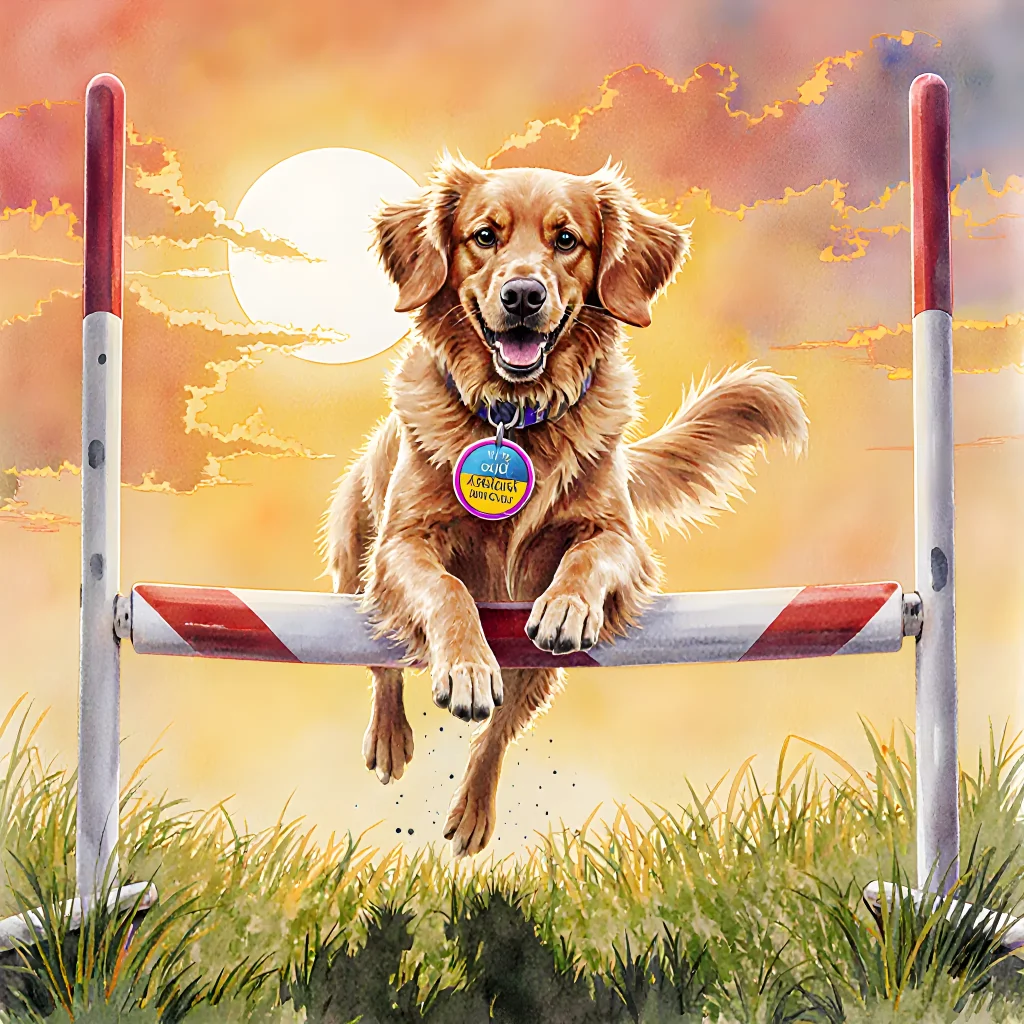
Paws‑in‑Action: Boost Your Dog’s Confidence at Local Events!
How to Get Your Dog Involved in Local Competitions
Table of Contents
- Introduction
- Understanding Local Dog Competitions
- Choosing the Right Competition for Your Dog
- Assessing Your Dog’s Skills and Personality
- Registering Your Dog: Step-by-Step Guide
- Preparing a Competition-Ready Kennel
- Training Basics for Showmanship
- Advanced Training Techniques
- Nutrition and Health Prep Before the Event
- Traveling to the Competition: Logistics & Tips
- Day of the Competition: What to Expect
- Dealing with Stress and Anxiety in Dogs
- Scoring, Feedback, and Post-Competition Review
- Conclusion
- FAQ
Introduction
Getting Started: How to Get Your Dog Involved in Local Competitions
Local dog competitions are a fantastic way to showcase your pet’s talents, bond with fellow owners, and even earn some recognition or prizes. Whether you’re new to the scene or looking to expand your competitive repertoire, this guide will walk you through every step—from choosing the right event to preparing for the big day.
- Agility & Speed: If your dog is quick on their feet and loves obstacles, consider an agility trial.
- Intelligence & Trainability: For pups that excel at problem‑solving, look into obedience or nose work competitions.
- Endurance: Long‑distance events like field trials or lure coursing suit dogs with stamina.
- Showmanship: If your dog is a natural on stage, show classes (e.g., conformation, agility shows) might be the way to go.
Use online resources such as DogClub.org, local kennel club websites, and community bulletin boards. Pay attention to:
- Date & Time: Check for any seasonal or recurring events.
- Location: Ensure the venue is accessible and safe for your dog.
- Entry Fees & Requirements: Some competitions require proof of vaccination, microchipping, or specific training levels.
- Categories: Look for classes that match your dog's age, size, and skill level.
Every competition has its own set of rules—read them thoroughly:
- Registration: Most events require online registration a few weeks in advance. Keep your dog’s health records handy.
- Health & Safety: Provide recent vaccination certificates and a clean bill of health from your vet.
- Training Documentation: Some classes ask for proof of obedience or agility certification (e.g., American Kennel Club, United Kennel Club).
A structured training schedule ensures your dog is ready on competition day.
| Week | Focus Area | Training Activity |
|---|---|---|
| Weeks 1‑2 | Basic Commands | Daily 10‑minute sessions on sit, stay, come. |
| Weeks 3‑4 | Obstacle Familiarization | Set up a mini agility course at home; practice jumps and tunnels. |
| Weeks 5‑6 | Simulated Runs | Run full courses with timed intervals to build stamina. |
| Week 7 | Mock Competition | Invite a friend or trainer to judge and give feedback. |
Having the right gear can make all the difference.
- Leash & Harness: A lightweight harness for agility; a sturdy leash for obedience.
- Water & Food: Hydration packs or water bowls, plus high‑energy snacks.
- First Aid Kit: Bandages, antiseptic wipes, and a copy of your dog’s medical records.
- Comfort Items: A favorite toy or blanket to calm nerves post‑event.
Follow these steps on the day of competition:
- Morning walk to expend excess energy.
- Light breakfast (avoid heavy meals that may cause discomfort).
- Warm‑up routine: short jog, basic commands, a few obstacle drills.
- Arrive early to acclimate your dog to the venue and meet judges or handlers.
Reflect on performance and plan next steps:
- Debrief: Discuss strengths and areas for improvement with your trainer.
- Celebrate: Treat your dog with a special reward or a new toy.
- Set New Goals: Use the experience to aim for higher classes or different competitions.
Joining local clubs and online forums can provide invaluable support:
- United States Dog Agility Association (USDAA)
- American Kennel Club Training Resources
- Facebook groups: “Local Dog Competitions” or “Agility & Obedience Enthusiasts.”
With dedication, the right preparation, and a supportive community, your dog can thrive in local competitions. Start today, keep learning, and enjoy every wagging moment along the way!
Understanding Local Dog Competitions
Local dog competitions are the first stepping stone toward a competitive career for your canine companion. They provide an opportunity to test skills, build confidence, and gain exposure to judges, handlers, and other owners in a supportive environment.
Why Local Meets Matter
- Skill Assessment: They help you gauge where your dog stands among peers—whether they excel at agility courses, obedience drills, or breed-specific events.
- Community Connection: Meet other owners and trainers who can share tips and provide mentorship.
- Cost-Effective: Entry fees are typically lower than regional or national competitions, making them accessible for most budgets.
Common Types of Local Dog Competitions
- Obedience Trials
- Focus on basic commands and advanced obedience. Judges look for precision, speed, and the handler’s ability to communicate clearly.
- Agility Courses
- Dogs navigate obstacles such as weave poles, tunnels, and jumps. Timing is critical—practice with a stopwatch to track progress.
- Breed Shows (Conformation)
- Judges assess how well the dog meets breed standards in terms of structure, movement, and temperament.
- Canine Sports (Flyball, Dock Diving, Disc Dog)
- These events emphasize athleticism and teamwork. They’re great for high-energy dogs that love a challenge.
How to Prepare Your Dog for Local Competitions
- Start with Basic Training: Ensure your dog can reliably perform “sit,” “stay,” “come,” and “heel.” Consistency is key.
- Introduce the Competition Environment: Visit a local competition venue once or twice. Let your dog sniff around, observe other dogs, and get comfortable with crowds.
- Use Positive Reinforcement: Reward successful attempts with treats, praise, or playtime to build confidence.
- Practice Under Pressure: Simulate a competition setting at home—play loud music, use a timer, and have a friend act as a “judge” giving verbal cues.
- Keep Health in Check: Ensure vaccinations are up to date, the dog is on a balanced diet, and any chronic conditions are managed before competing.
Practical Tips for First-Time Competitors
- Arrive Early: Give yourself at least 30 minutes to set up gear, warm up your dog, and acclimate to the environment.
- Bring Essentials: Handledog collar or harness, leashes, treats, water bowl, waste bags, a spare leash, and a first-aid kit.
- Follow the Rules: Each competition has its own set of regulations—read them carefully and adhere strictly to avoid disqualification.
- Observe Other Competitors: Watch how other handlers communicate with their dogs; adopt techniques that resonate with your style.
Common Mistakes to Avoid
- Overexertion: Pushing a dog beyond its limits can lead to injury. Use gradual progression and monitor for signs of fatigue.
- Neglecting the Handler’s Role: The handler is as important as the dog; maintain clear signals and consistent commands.
- Ignoring Feedback: Judges often provide constructive criticism—use it to refine training rather than taking it personally.
Next Steps After Local Competitions
Once your dog feels comfortable, consider stepping up to regional competitions. The experience gained locally will serve as a solid foundation for higher-level events.
Choosing the Right Competition for Your Dog
If you’ve already decided that your pup is ready to step into a local competition, the next crucial step is selecting the event that best suits their skills, temperament, and training goals. A well‑matched competition can boost confidence, reinforce training, and keep both you and your dog motivated. Below are practical guidelines, real‑world examples, and actionable tips to help you make an informed choice.
1. Evaluate Your Dog’s Strengths and Weaknesses
- Physical attributes: A high‑energy, agile dog may thrive in agility or flyball, whereas a calmer, more obedient dog might excel in obedience trials.
- Behavioral tendencies: Dogs that get distracted easily can struggle with obstacle courses; choose a discipline that allows for gradual exposure.
- Training level: Beginners should start with simple obedience or basic agility, while seasoned dogs can tackle advanced levels like conformation or rally.
2. Match the Competition Type to Your Dog’s Breed Traits
Breed predispositions often influence performance in specific events:
| Breed | Recommended Competitions |
|---|---|
| Labrador Retriever | Retrieval, Obedience, Tracking |
| Border Collie | Agility, Flyball, Herding Trials |
| German Shepherd | Obedience, Search & Rescue Drills, K9 competitions |
| Poodle | Conformation, Obedience, Trick Competitions |
3. Consider the Competition Format and Rules
Different competitions have varying formats:
- Timed vs. Point‑Based: Agility is timed, while obedience awards points per task.
- Group vs. Individual: Some events allow dogs to compete in teams (e.g., flyball) which can reduce pressure.
- Age and Weight Classes: Check if the competition offers age or weight categories that match your dog’s profile.
4. Research Local Competition Calendars
Use online resources to find events near you:
- CanineCompete.com – Comprehensive calendar by region.
- Local kennel club websites often list upcoming contests and registration deadlines.
- Join community groups on Facebook or Meetup to get insider tips from seasoned competitors.
5. Attend a Sample Competition as an Observer
Before committing, watch a few events in person:
- Take notes on the pace of the event and how judges interact with handlers.
- Ask staff about common pitfalls for first‑time competitors.
- Gauge your dog’s reaction to the environment—crowds, loud noises, unfamiliar equipment.
6. Create a “Trial” Routine at Home
Simulate competition scenarios in your backyard or local park:
- Agility practice: Set up a simple weave pole course and time yourself.
- Obedience drills: Run through the standard obedience tasks while measuring accuracy.
- Record videos to review body language, focus levels, and any signs of fatigue.
7. Seek Feedback from Experienced Trainers
Consult a professional handler or trainer who has competed with dogs in your chosen discipline:
- Ask about the typical competition schedule for beginners.
- Get advice on how to tailor training to meet the specific demands of the event.
- Inquire whether they recommend any particular local clubs or mentorship programs.
8. Set Realistic Goals and Milestones
Define what success looks like for your dog:
- Short‑term goal: Complete the first obedience trial with a pass.
- Mid‑term goal: Achieve a top‑10 finish in an agility meet.
- Long‑term goal: Qualify for a regional championship or earn a specialty title.
9. Prepare Logistically
Competition days can be hectic. Checklist items include:
- Appropriate gear: harness, leash, water bowl, treats.
- A first‑aid kit and any required paperwork (vaccination records, registration forms).
- Travel arrangements: parking spots, shuttle options, or a dedicated dog‑friendly route.
10. Review and Adapt After Each Event
Post‑competition reflection is key to growth:
- Analyze video footage to spot technical errors.
- Discuss with your trainer what worked and what needs improvement.
- Adjust training plans accordingly—e.g., add more obstacle practice or work on focus drills.
By systematically evaluating both your dog’s abilities and the competition landscape, you’ll be able to choose an event that not only challenges but also celebrates your canine companion’s talents. Remember, the ultimate goal is a fun, rewarding experience for both of you—so keep the training enjoyable, stay patient, and celebrate every milestone along the way.
Assessing Your Dog’s Skills and Personality
Before you sign your pup up for a local competition, it pays to take stock of what they’re good at and how they behave under pressure. A thoughtful assessment will help you pick the right event, set realistic goals, and keep training fun and safe.
1. Identify Core Abilities
- Speed & Agility: Does your dog run fast or navigate obstacles with ease? Test this by timing a short sprint or watching them weave through a makeshift agility course.
- Endurance: Can they maintain effort over longer distances or periods? Observe their stamina during extended walks or play sessions.
- Hunting Instincts: If you’re considering tracking or nose work, see how keenly your dog follows scents or reacts to prey-like stimuli.
- Obedience & Focus: How well do they respond to basic commands (sit, stay, come) in distracting environments? A quick drill with treats and a busy backyard can reveal their baseline compliance.
2. Evaluate Temperament Under Stress
A competition setting is full of new sights, sounds, and smells. Here are ways to gauge your dog’s reaction:
- Noise Sensitivity: Play recordings of barking dogs or crowd noise and note if they become anxious or remain calm.
- Social Interaction: Introduce them to other dogs or unfamiliar people in a controlled setting. Observe whether they display aggression, fear, or confidence.
- Handling Tolerance: Gently touch their ears, paws, and tail. If they tolerate being handled without discomfort, they’re more likely to handle equipment during competitions.
3. Match Skills to Competition Types
Once you have a clear picture of your dog’s strengths and quirks, align them with the most suitable competition categories:
| Competition Type | Ideal Skill Set |
|---|---|
| Agriculture Dog Trials (e.g., herding) | High energy, strong instinct to move livestock; good command responsiveness. |
| Agility & Obedience Shows | Sprint speed, obstacle navigation, reliable obedience under distraction. |
| Nose Work / Tracking Events | Excellent scenting ability, focus, endurance for long trails. |
| Canine Sports (e.g., flyball, dock diving) | Athleticism, jumping prowess, quick decision making. |
| Dog Shows / Breed Expositions | Good grooming habits, temperament around crowds, obedience during evaluations. |
4. Create a Baseline Training Log
Document each assessment session in a simple table or spreadsheet:
| Date | Skill Tested | Result (Scale 1–10) | Notes |
|---|---|---|---|
| 2025‑09‑05 | Sprint Speed | 8 | Finished sprint in 12 s, stayed focused. |
5. Use the Findings to Set Realistic Goals
With concrete data, you can craft a training plan that builds on strengths while addressing weaknesses:
- If your dog scores low in handling tolerance (4/10), introduce gentle touch drills and reward them for staying calm.
- A high endurance score (9/10) means you might push for longer obstacle courses or incorporate interval training.
6. Reassess Periodically
Skills evolve, especially with consistent training. Schedule quarterly reassessments to monitor progress and adjust competition choices accordingly. This ensures your dog’s growth aligns with the events they’ll enjoy most.
Bottom line: A systematic assessment of skills and temperament not only helps you pick the right local competition but also lays a solid foundation for training, confidence building, and ultimately, a successful competitive experience for both you and your dog.
Registering Your Dog: Step-by-Step Guide
Getting your pup into a local competition is an exciting milestone, but the paperwork can feel intimidating at first. Below is a practical walkthrough that covers everything from choosing the right club to ensuring your dog meets all eligibility requirements.
1️⃣ Choose the Right Competition Category
- Show Events (e.g., conformation shows): These focus on breed standards. If you’re a purebred, register with a recognized kennel club like the American Kennel Club (AKC) or The Kennel Club (UK).
- Performance Events (e.g., agility, obedience, flyball): Most local clubs host these; they’re open to mixed breeds and cross‑breds.
- Specialty Competitions: Some events cater to specific traits such as “Best in Show for Senior Dogs” or “Best of Breed for Working Dogs.” Check the event’s rules before registering.
2️⃣ Gather Essential Documents
- Proof of Ownership: A copy of the purchase receipt, adoption paperwork, or a notarized affidavit if you’re using a foster arrangement.
- Vaccination Record: Most clubs require up‑to‑date rabies and core vaccinations. Keep digital copies on your phone for quick access.
- Health Certificate: Some competitions (especially those with breeding or showing components) ask for a vet’s health certificate stating the dog is fit to compete.
- Microchip Registration: Even if it isn’t mandatory, having your dog microchipped and the chip number on file can expedite check‑in.
3️⃣ Complete the Club Membership (If Required)
Many local competitions are run by clubs that require membership. The process usually involves:
- Visiting the club’s website or office.
- Filling out a membership form—some clubs have a “one‑year” or “seasonal” option for new competitors.
- Paying a nominal fee (often $20–$50).
Tip: Ask the club about any upcoming orientation sessions. These are great opportunities to learn event rules, meet other owners, and get first‑hand advice on training for competition.
4️⃣ Register Your Dog Online or in Person
Most clubs use an online registration portal—simply log in with your club credentials, select the event, fill out the dog’s details (breed, age, sex, weight class), and pay any entry fees.
If you prefer face‑to‑face interaction or need assistance, visit the club office during business hours. Bring:
- All documents from step 2.
- A completed registration sheet (often available at the venue).
- Proof of payment—cash, check, or a screenshot if you paid online.
5️⃣ Prepare Your Dog for the Day
Competition day logistics can be overwhelming. Follow these practical tips:
- Pre‑Event Walk: Take your dog for a moderate walk the night before to settle nerves.
- Treats & Water: Pack a few high‑value treats and a water bottle. Keep them in a carrier or a dedicated bag that’s easy to access at check‑in.
- Check‑In Early: Arrive at least 30 minutes before the event starts. This allows time for registration, health checks, and a quick grooming session if needed.
6️⃣ Follow Up After the Competition
Once the event concludes, take a moment to reflect on your dog’s performance:
- Review any judge comments or score sheets.
- Discuss what worked and what can be improved with your trainer.
- If you’re not satisfied with the results, many clubs offer a “second chance” entry for next season—ask about deadlines and fees.
Practical Advice & Common Pitfalls
- Timing is Key: Many competitions have strict cut‑off dates (e.g., 12 weeks before the event). Mark your calendar in advance to avoid last‑minute cancellations.
- Health First: If your dog shows any signs of illness or injury, consult a vet before competing. A healthy dog always performs better and reduces the risk of injury.
- Know the Rules: Every club has its own set of rules—what’s allowed in terms of equipment, grooming styles, and training aids. Violating these can lead to disqualification.
- Use a Checklist: Create a simple PDF or printed checklist that you can review each week leading up to the competition. Include items like “Vaccinations updated,” “Microchip number verified,” and “Training log reviewed.”
By following this step‑by‑step guide, you’ll streamline the registration process and set your dog up for a successful debut in local competitions.
Preparing a Competition-Ready Kennel
If your dog is going to compete locally—whether it’s agility, obedience, or a pet show—having the right kennel setup can make a huge difference in performance and comfort. Below are detailed steps, practical examples, and tips that will help you create an environment that meets the demands of competition while keeping your pup safe and relaxed.
1. Choose the Right Size and Shape
- Measure Your Dog: Measure from tip of nose to base of tail and add a few inches for room to move. For most shows, a kennel that is at least 2–3 times your dog’s length is ideal.
- Square vs. Rectangular: Square kennels provide more space for turning around—great for agility trials. Rectangular ones are easier to transport and fit under many competition tables.
- Example: A 15‑lb terrier would comfortably fit in a 18”x12” square kennel, while a 40‑lb Labrador might need a 30”x20” rectangular option.
2. Select Durable, Lightweight Materials
- Aluminum or Plastic: Aluminum frames are lightweight and sturdy but can dent; high‑grade plastic is lighter yet still strong and resistant to weather.
- Ventilation: Ensure the kennel has adequate airflow—mesh panels on all sides help keep your dog cool during warm competitions.
- Example: The Fur Runners aluminum kennel comes with adjustable mesh windows and a removable floor for easy cleaning.
3. Ensure Easy Access and Safety Features
- Quick‑Release Latches: Use latches that open with one hand—crucial when you’re rushing between events.
- No Sharp Edges: Check all corners for burrs or sharp edges; sand them down or use protective covers.
- Stable Base: A non‑slip bottom prevents the kennel from tipping over during fast turns.
4. Create a Calming Environment Inside
- Soft Bedding: Use moisture‑wicking, hypoallergenic pads that can be washed easily between competitions.
- Comfort Items: Include familiar toys or blankets to reduce anxiety during travel.
- Temperature Control: For hot days, consider a cooling mat; for cold events, add a small blanket and keep the kennel on a low heat source if allowed.
5. Train Your Dog to Use the Kennel
- Positive Association: Offer treats or a favorite toy each time your dog enters the kennel during training sessions.
- Short Stays First: Start with 2–3 minute stays and gradually increase to match competition durations (often up to 15 minutes).
- Practice in Real Conditions: Simulate the noise of a crowd, traffic sounds from outside, or other dogs nearby. This acclimates your dog to distractions.
6. Pack Strategically for Competition Day
- Checklists: Include items such as spare bedding, extra food, water bowl, treats, and a first‑aid kit.
- Secure Transport: Use a padded strap or seat belt attachment to keep the kennel stable in your vehicle.
- Arrival Time: Arrive at least an hour early to give your dog time to settle before the event starts.
7. Follow Competition Rules and Etiquette
- Regulations: Verify each competition’s kennel size, material restrictions, and allowed accessories.
- Cleanliness: Keep the kennel clean to avoid penalties or disqualification; bring cleaning wipes and a small brush.
- Respect Other Competitors: When walking to your station, keep your dog on a leash until you’re ready to enter the arena.
By carefully selecting the right kennel, training your dog for it, and preparing all necessary accessories, you’ll give yourself—and your canine competitor—a smooth, confident start in any local competition. Happy competing!
Training Basics for Showmanship
Showmanship is not just about walking your dog in a pretty coat; it’s about developing confidence, obedience, and a strong bond between you and your companion. Below are the foundational steps that will prepare your dog for local competitions.
1. Build a Strong Foundation of Obedience
- Basic Commands: Master “Sit,” “Stay,” “Come,” “Heel,” and “Down.” Use short, consistent training sessions (5–10 minutes) and reward with treats or praise.
- Household Routine: Establish a predictable daily schedule—feeding, walking, playtime—to reduce anxiety during competitions.
- Leash Training: Practice walking on a loose leash in varied environments (quiet streets, busy parks) to ensure your dog remains focused when you’re the only one leading.
2. Introduce Grooming and Handling Skills
Show judges will inspect coats, ears, and nails. Train your dog to tolerate:
- Brushing & Combining: Start with short sessions while the dog is relaxed. Use a calm voice and reward.
- Trimming Nails: Gradually introduce the nail clippers, rewarding each time your dog stays still.
- Ear Cleaning: Use a soft cloth or ear cleaner; keep sessions short and gentle.
3. Simulate Show Conditions
Create “mock shows” at home or in the backyard to acclimate your dog to the environment:
- Noise Exposure: Play recordings of crowd noise, clapping, and announcer voices at low volume.
- Lighting: Practice under bright lights (flashlights or LED lamps) so your dog doesn’t become startled.
- Handling by Others: Invite a friend to touch the dog’s ears, paws, and neck as you would in a show setting.
4. Develop Confidence Through Positive Reinforcement
- Reward System: Use high‑value treats (e.g., small pieces of chicken or cheese) for desired behaviors during training.
- Consistency: Keep the same commands and cues across all training sessions to avoid confusion.
- Patience: Celebrate small wins; a dog that feels safe is more likely to perform well.
5. Create a Show Day Routine Checklist
- Morning: Light walk, quick grooming, and a calm breakfast.
- Pre‑competition: Practice the “show stance” (head up, tail down, ears forward).
- Arrival: Let your dog explore the area for 5–10 minutes to acclimate.
- Warm‑up: Short walk with leash, followed by a few obedience drills.
- Showtime: Remain calm; use familiar cues and keep treats handy.
6. Join Local Competitions Early On
Start with smaller events—dog shows at community centers or local parks—to build experience without overwhelming your dog. As confidence grows, progress to larger competitions offered by regional clubs.
Remember: the goal is to showcase a well‑trained, relaxed dog that reflects your dedication and love. By following these training basics, you’ll be ready to shine in any local competition.
Advanced Training Techniques
If you’re ready to take your canine’s performance beyond basic obedience and into the arena of local competitions—whether it’s agility, flyball, or dock diving—there are specific advanced training strategies that can help. Below we outline step‑by‑step methods, real‑world examples, and practical tips for getting your dog ready to compete.
1. Structured Training Schedules
- Frequency: Aim for 5–6 short sessions per week (15–20 minutes each). Consistency beats marathon sessions.
- Progressive Overload: Start with simple commands, then gradually add complexity. For agility, begin with single jumps before chaining them together.
- Recovery: Include at least one full rest day to prevent over‑training and injuries.
2. Positive Reinforcement & Clicker Training
The clicker method provides a clear, audible cue that signals the exact moment your dog performs the desired action. This precision is invaluable in competitions where timing matters.
- Step‑by‑step:
- Train the clicker with a treat on every click until your dog associates it with reward.
- Use the click to mark correct behavior during training drills (e.g., staying on track, executing a turn).
- Gradually increase the distance between the click and the treat to build self‑confidence.
3. Simulating Competition Conditions
Practice under conditions that mimic the actual event:
- Noise: Play recordings of crowds or traffic while training to desensitize your dog.
- Time Pressure: Use a stopwatch and set realistic “run‑time” limits during drills.
- Varied Terrain: If the competition is outdoors, train on grass, gravel, and uneven surfaces.
4. Building Specific Skills for Different Disciplines
Each competition type requires distinct skill sets. Below are tailored drills for three popular local events.
Aggility:
- Obstacle Familiarization: Introduce each obstacle separately—tunnels, weave poles, seesaws—before linking them.
- Speed & Accuracy Drill: Set a timer for the course and reward faster runs. Gradually lower the time threshold.
Flyball:
- Hurdle Jumping: Practice jumping over low hurdles to build confidence before adding the spring-loaded box.
- Relay Coordination: Run with a teammate to simulate the back‑and‑forth communication needed during a race.
Dock Diving:
- Distance Training: Use markers on the dock to set incremental distance goals—10 ft, 15 ft, etc.
- Water Confidence: Start with shallow water and gradually increase depth while rewarding calm entry.
5. Health & Nutrition for Competition Readiness
A well‑balanced diet fuels performance; hydration keeps your dog safe during strenuous activity.
- Protein: Choose high‑quality protein sources (chicken, fish) to support muscle repair.
- Supplements: Consider joint supplements like glucosamine or omega‑3 fatty acids if your vet recommends them.
- Hydration Strategy: Provide fresh water before and after sessions; for longer events, carry a collapsible bowl.
6. Registering & Preparing for the Event
- Find Local Competitions: Check local dog clubs, Kennel Club listings, or community bulletin boards.
- Read Rules Carefully: Each event may have specific equipment or health requirements.
- Pre‑Event Trial Run: Visit the venue a week before to familiarize your dog with the layout and staff.
7. Mental Conditioning & Confidence Building
Competitions can be stressful. Build mental resilience through:
- Desensitization: Expose your dog to loud noises, unfamiliar people, and new environments gradually.
- Positive Visualization: Practice “mental rehearsal” by guiding your dog through a successful run while they rest.
- Calm Environment: Keep the training area quiet and free of distractions when focusing on advanced drills.
8. Post‑Competition Recovery & Reflection
After each event, give your dog ample time to recover physically and mentally.
- Cool‑Down Walk: A gentle walk helps flush out lactic acid buildup.
- Treatment: Massage or a light stretch can aid muscle relaxation.
- Performance Review: Discuss what went well and areas for improvement—use video footage if available.
By combining structured training, discipline‑specific drills, health management, and mental conditioning, you’ll equip your dog to compete confidently at local events. Remember: the goal is not only victory but also a positive, enriching experience for both of you.
Nutrition and Health Prep Before the Event
Preparing your dog for a local competition is as much about diet and wellness as it is about training drills. A well‑balanced meal plan, proper hydration, and a clean health record can make the difference between a confident competitor and a stressed one.
1. Build a Balanced Diet Plan
- Protein: Aim for 25–30% of daily calories from high‑quality animal proteins (chicken, turkey, fish). Protein supports muscle repair after training sessions.
- Fat: Include healthy fats such as omega‑3 and omega‑6 fatty acids. These help maintain a shiny coat and support joint health. Flaxseed oil or salmon oil are excellent supplements.
- Carbohydrates: Choose complex carbs like sweet potatoes, brown rice, or barley for sustained energy without the spikes that can cause gastrointestinal upset.
- Vitamins & Minerals: A balanced commercial dog food often covers these needs. If you’re feeding a homemade diet, consult with a veterinary nutritionist to ensure no deficiencies.
Sample Meal Schedule (6‑Week Countdown)
| Week | Meal Composition |
|---|---|
| Weeks 1–2 | High protein, moderate fat; start with smaller portions to gauge tolerance. |
| Weeks 3–4 | Add a small portion of complex carbs (e.g., sweet potato). |
| Week 5 | Increase protein slightly for muscle maintenance; keep fat moderate. |
| Week 6 (Competition Week) | Keep the same routine, but ensure fresh water is always available. Avoid new foods 48 hours before the event. |
2. Hydration Strategy
Water is essential for muscle function and thermoregulation. Offer fresh water at least twice a day and monitor intake during training sessions. A dehydrated dog will exhibit lethargy, reduced performance, and increased risk of heat stress.
Hydration Tips:
- Use a collapsible bowl that can be carried on walks or in the car.
- Add ice cubes to water during hot weather; this keeps it cool without diluting electrolytes.
- Consider an electrolyte supplement (e.g., Pedialyte) if your dog is sweating heavily or training in high heat.
3. Health Check‑ups & Vaccinations
A veterinary exam at least two weeks before the competition ensures your dog is fit for participation. Key items to discuss with your vet:
- Vaccination Status: Make sure core shots (rabies, distemper, parvovirus) are up‑to‑date.
- Mite & Tick Control: Prevent parasitic infestations that can cause itching and infection.
- Dental Health: Good oral hygiene reduces the risk of systemic infections that could affect performance.
- Physical Examination: Check for joint issues, skin conditions, or any signs of illness.
4. Pre‑Event Routine
Develop a consistent pre‑competition routine to reduce anxiety and create predictability:
- Morning Walk: A light walk 30 minutes before the event helps settle nerves.
- Feeding Window: Feed your dog about 2–3 hours before the competition. This prevents stomach upset while still providing energy.
- Warm‑Up Exercise: Gentle stretching or a short jog will increase blood flow to muscles.
- Check Gear: Ensure harness, leash, and any competition gear are clean, fitted correctly, and free of wear.
5. Sample Pre‑Competition Checklist
• Water bottle filled & ice added
• Light breakfast (grain‑free kibble or boiled chicken)
• Vet’s clearance note
• Clean harness & leash
• Competition badge/registration card
• First aid kit (bandages, antiseptic wipes)
By following these nutrition and health guidelines, you’ll give your dog the best chance to perform at their peak while keeping them safe and comfortable throughout the competition experience.
Traveling to the Competition: Logistics & Tips
Planning the Trip
- Choose the Right Time: Check the competition calendar and aim for a period when you’re least busy at home or work. Avoid holidays if possible, as venues tend to be crowded and pet accommodations may book out early.
- Create a Travel Checklist: Include items such as your dog’s ID tags, microchip details, vaccination records, and any special dietary supplements. A well‑packed bag saves time at the airport or vet clinic.
- Book Pet-Friendly Transport Early: If you’re flying, reserve a pet cabin seat or arrange for your dog to travel in the cargo hold with an airline that has a good safety record. For road trips, book a pet‑friendly hotel in advance and confirm that they allow dogs on the property.
Preparing Your Dog for Travel
- Acclimate to the Carrier: Start by letting your dog explore the travel crate at home. Add familiar bedding, a favorite toy, and a small treat. Gradually increase the time spent inside so that it becomes a comfortable space rather than a stressful one.
- Exercise Before Departure: A tired dog is less likely to be anxious or destructive. A brisk walk or a short play session can help calm nerves before the trip.
- Maintain Routine: Keep feeding and walking schedules as close to normal as possible. If you’re traveling across time zones, adjust feeding times gradually over several days to ease jet‑lag symptoms.
During the Competition Day
- Set Up a Rest Area: Bring a shaded spot or tent where your dog can retreat during breaks. Include a water bowl, fresh water, and a cooling mat if it’s hot.
- Keep Identification Visible: Attach a collar with a clear ID tag that lists your name, phone number, and the competition venue address. Consider a temporary microchip registration for events that allow it.
- Practice the Walk‑Through: Arrive early to walk through the competition area. Familiarize yourself with where the judging rings are located, where you’ll leave the dog during performances, and how the judges signal when your dog’s turn is up.
After the Event
Take a few minutes to decompress with your dog before heading home. A calm walk around the venue or in a nearby park can help reset their energy levels. When you return, re‑establish your normal routine and reward your pup for staying composed during travel.
Practical Example: Road Trip to a Local Agility Competition
Day Before: Packed the crate with bedding, treats, and a favorite toy. Checked that the dog’s ID tags are up‑to‑date. Booked a pet‑friendly hotel for the night before the competition.
Morning of the Event: Early walk to tire the dog. Gave water and a small breakfast. Loaded the car, letting the dog explore the travel space for a few minutes to reduce stress.
At the Venue: Arrived at 7:30 am. Walked through the venue with the dog on a short leash, familiarizing them with the scent of the arena and the sound of other dogs. Set up the rest area in the shaded corner of the parking lot.
During Competition: Checked in at the registration desk, handed over the dog to the handler, and waited calmly for my turn. After each performance, I gave the dog a treat and a quick walk back to the rest area before the next round.
Return Trip: Stopped at a pet-friendly park to let the dog stretch legs. Checked that all supplies were intact before heading home.
Day of the Competition: What to Expect
Arriving at a local dog competition can feel like stepping onto an unfamiliar stage. While every event has its quirks, most follow a predictable rhythm that you and your canine star can prepare for in advance.
1. Arrival & Registration (30–60 minutes before the first round)
- Check-in Checklist: Bring your dog’s registration card, vaccination records, ID tags, a photo ID of yourself, and any required proof of ownership or licensing.
- Pre‑competition Warm‑Up: Most venues allow a short walk around the arena. Use this time to let your dog stretch, sniff, and get comfortable with the new surroundings.
- Nutrition & Hydration: Offer water (preferably in a collapsible bowl) and a small snack if you plan on a longer event. Avoid giving large meals right before competing to prevent stomach upset.
2. The Pre‑Show Routine (15–20 minutes)
- Grooming: A quick brush or trim keeps your dog looking polished and reduces shedding in the arena. Pay attention to ears, paws, and tail—any loose fur can be distracting.
- Equipment Check: Verify that leashes, harnesses, and any competition gear are secure and comfortable. If you’re using a show collar or jacket, double‑check the fit.
- Behavioral Cue Review: Run through your dog’s cue words—“sit,” “stay,” “heel,” etc.—to reinforce calmness before the crowd arrives.
3. The Show Begins (Variable Timing)
Competitions typically run in a clockwise or counter‑clockwise format, with dogs called by name. Here’s what to anticipate:
- Introduction & Cueing: The judge will call your dog’s name and give a cue. Stay calm; your dog senses tension.
- Performance Time: Depending on the discipline—obedience, agility, or rally—the allotted time can range from 1–5 minutes. Keep your pacing steady; rushing often leads to mistakes.
- Scorecard & Feedback: Judges record points immediately after each round. Some events provide instant feedback, while others review later. Take notes on any comments for improvement.
4. Between Rounds: Quick Recovery (5–10 minutes)
- Water & Light Snack: Offer a small amount of water and perhaps a chew or treat to keep your dog focused.
- Short Walk: A brisk stroll helps release excess energy without overexertion. Keep the walk short—usually 5–10 minutes—to avoid fatigue before the next round.
- Reset Your Mindset: Use this downtime to mentally reset, breathing slowly and reinforcing confidence for the upcoming performance.
5. Post‑Competition: Cool Down & Reflection (15–30 minutes)
- Cool‑Down Walk: A gentle walk helps lower heart rate and prevents muscle stiffness.
- Treats & Praise: Celebrate successes—no matter how small—with treats, affection, or a favorite toy. Positive reinforcement strengthens the training bond.
- Review Scores: Examine your scorecard with the judge’s comments. Identify patterns: Did you consistently lose points on “heel” in agility? Or were there mistakes in obedience cues?
- Plan Next Steps: Set specific goals for the next competition—e.g., improve leash handling or work on a particular trick—and schedule training sessions accordingly.
Practical Tips to Reduce Stress
- Familiarization Trips: Visit the venue before your first event. Let your dog explore and become accustomed to the layout, sounds, and people.
- Use a Familiar Scent: Place a towel or blanket with your scent on the arena floor near the entrance. Dogs often feel more secure when they recognize familiar smells.
- Consistent Routine: Keep feeding, walking, and training times consistent in the days leading up to the competition. Predictability calms anxious dogs.
- Professional Guidance: If you’re new to competitions, consider a short workshop or mentorship from an experienced handler who can walk you through specific protocols.
By understanding the flow of a local dog competition and preparing both physically and mentally, you’ll help your canine companion perform at their best while enjoying every moment on the arena floor.
Dealing with Stress and Anxiety in Dogs
When your dog shows signs of stress or anxiety—whining, pacing, excessive licking, or sudden aggression—it can be distressing for both you and the animal. Fortunately, many owners find that carefully structured activities like local competitions can help channel a dog's energy into positive outlets while also strengthening the bond between owner and pet.
1. Recognize the Symptoms Early
- Pacing or restlessness: A dog who can't settle may be overwhelmed by new stimuli.
- Whining or yelping: Vocalization can indicate discomfort or fear.
- Rapid breathing or panting: Even when the dog isn’t hot, it could signal anxiety.
- Avoidance behaviors: Turning away from people or objects that once seemed harmless.
2. Create a Calm Environment at Home
Before introducing your dog to competitions, ensure they have a “safe zone” where they can retreat when overwhelmed:
- Quiet corner with bedding: Use a low rug or crate.
- Consistent routine: Dogs thrive on predictability—feed and walk at the same times each day.
- Background noise: Soft music or a white‑noise machine can mask street sounds that might trigger anxiety.
3. Gradual Exposure to Competition Settings
Many local competitions—such as agility trials, obedience tests, and “dog dancing” showcases—offer a structured environment that can reduce uncertainty for anxious dogs. Here’s how to ease your dog into these events:
- Visit the venue before the event: Walk around the arena or park with a short leash while the place is empty.
- Introduce the competition staff and other participants calmly: Let your dog sniff them at their own pace.
- Use positive reinforcement: Reward calm behavior with treats, praise, or a favorite toy.
4. Choose the Right Competition Type
Not all competitions are suitable for anxious dogs. Consider these options based on your dog's temperament:
- Agility (low‑speed, short courses): The focus is on quick turns and jumps—good for high energy but can be intimidating if the course is too large.
- Obedience trials (structured commands): Provide clear expectations; a well‑trained dog may feel more secure.
- Canine Good Citizen (CGC) or similar community events: These are less competitive and emphasize friendly behavior.
5. Use the Competition as a Training Tool
During the event, keep training principles consistent with home practice:
- Short, focused sessions: Dogs can get overwhelmed if they’re on the field for too long.
- Frequent breaks: Let your dog stretch or drink water between runs.
- Reward everything that moves toward calmness: Even a small step in the right direction earns a treat.
6. Post‑Competition Recovery
A successful competition can leave your dog exhausted or still tense. Here’s how to help them recover:
- Gentle walk or play session at home: This helps flush out adrenaline.
- Offer a relaxing activity: A massage, a calm cuddle session, or a soothing playlist can ease nerves.
- Revisit the “safe zone”: Encourage your dog to retreat to their familiar corner and relax.
7. Monitor Progress Over Time
Keep a simple diary of each event, noting:
- Pre‑event anxiety level (scale 1–10).
- Behavior during the competition.
- Post‑event calmness.
- Any changes in training routine or environment.
Tracking these details helps you spot patterns—perhaps certain times of day, specific obstacles, or particular staff members affect your dog’s stress levels. Over time, you can refine the approach and gradually increase competition intensity as confidence builds.
Practical Tips for Owners
- Stay calm yourself: Dogs pick up on human emotions; a relaxed owner translates into a calmer dog.
- Use high‑value treats: Something your dog loves but doesn’t get at home—like small pieces of chicken or cheese.
- Limit exposure to loud, chaotic environments: If the competition is in a busy park with many dogs, consider starting with a smaller, quieter event.
- Seek professional help if needed: A certified dog behaviorist can offer tailored strategies for severe anxiety.
Incorporating local competitions into your dog's routine—when approached thoughtfully—can transform stress and anxiety into structured excitement. With patience, consistent training, and a calm environment, many dogs thrive in competitive settings while simultaneously improving their confidence and well‑being.
Scoring, Feedback, and Post-Competition Review
The moment your dog crosses the finish line is just the beginning of the learning process. A structured approach to scoring, gathering feedback, and reviewing performance will help you refine training methods, boost confidence, and increase your chances of success in future local competitions. Below we outline a step‑by‑step guide that can be applied to any event, from agility trials to obedience shows.
1. Understand the Scoring System
- Agility: Most local clubs use a time‑based system with penalties for obstacles touched or missed (typically +5 seconds). Some clubs also award bonus points for speed on “fast passes.” Make sure you know the exact penalty structure before heading out.
- Obedience: Judges score based on accuracy, consistency, and how well the dog follows cues. Scores are usually on a 0–10 scale per exercise; a perfect score is rare, so focus on incremental improvements.
- Other Disciplines: For sports like flyball or dock diving, check whether the club uses a simple win/lose system or a more detailed scoring rubric. Some local meet organizers provide PDF handouts; if not, ask a judge for clarification during registration.
2. Record Your Performance
A quick post‑run log saves time and ensures you capture all relevant data. Create a simple table or use a spreadsheet app:
| Date | Event | Course/Exercise | Time / Score | Penalties |
|---|---|---|---|---|
| 2024‑07‑15 | Agility Open | Jump Sequence 1 | 12.3 s | 0 |
If you have a smartphone, many apps allow you to record time and score in real‑time, syncing data with cloud storage for later analysis.
3. Seek Immediate Feedback
- From Judges: Most judges are happy to give quick pointers after the run. Ask them which obstacles your dog hesitated on or where timing slipped.
- Peer Observation: Bring a friend with a similar level of experience. Watching each other can reveal subtle cues (e.g., tail lift, eye focus) that you might miss.
- Video Review: If the club allows it, capture short clips of your dog in action. Even a 30‑second clip can help you see body language and reaction times more clearly.
4. Conduct a Post‑Competition Review Session
Schedule at least 30 minutes within the next day to analyze performance. Follow this framework:
- Goal Check: Did you meet the goals set before the competition? (e.g., “Reduce penalties by 2.”)
- Strengths: Highlight what went well. Maybe your dog maintained focus during the final stretch or executed a flawless sit‑stay.
- Weaknesses: Identify specific issues—perhaps hesitation at the weave poles or inconsistent recall.
- Action Plan:
For each weakness, devise a concrete training step. Example:
- Hesitation at Weave Poles: Add “weave practice” to your weekly schedule, start with only two poles and gradually increase.
- Inconsistent Recall: Work on a high‑value recall game in an open field before moving back to the agility course.
5. Use Feedback for Long‑Term Progress Tracking
Create a master log that aggregates all competition data, feedback notes, and training milestones. Over time you’ll be able to spot trends such as:
- Consistent improvement in finish times.
- A plateau after a certain number of training hours—time to try new drills.
- Correlation between specific exercises and penalty reduction.
6. Leverage Community Resources
Many local clubs host post‑competition workshops or “review nights.” Take advantage of these opportunities to learn from seasoned competitors, exchange training tips, and stay motivated.
7. Celebrate Milestones!
Don’t forget to reward both yourself and your dog for progress. A small treat after a review session or a new toy when a milestone is reached reinforces positive behavior and keeps training enjoyable.
Remember: Scoring is just the first step in a continuous cycle of learning, feedback, and improvement. By systematically documenting results and actively seeking constructive criticism, you’ll build a solid foundation that will pay off in every local competition you enter.
Conclusion
By now you’ve seen that training a rescue dog is not just about teaching basic commands—it’s about building a partnership grounded in trust, consistency, and plenty of positive reinforcement. The key takeaways are:
- Start with the basics. A solid foundation of “sit,” “stay,” and “come” makes every other training step easier.
- Keep sessions short but frequent. Five to ten minutes, three times a day, works wonders for a rescue’s limited attention span.
- Use rewards that truly motivate. High‑value treats, favorite toys, or enthusiastic praise—find what lights up your dog’s eyes.
- Practice in real environments. Gradual exposure to crowds, cars, and other dogs prevents fear from turning into aggression.
Next Steps: From Home to the Competition Floor
Once your rescue dog masters obedience, it’s time to bring them into the community. Local competitions—whether agility, obedience trials, or simply a friendly “dog show” at your town fair—offer an excellent platform for socialization and confidence building.
How to Get Your Dog Involved in Local Competitions
- Research nearby events. Check the American Kennel Club (AKC) website, local dog clubs, or community bulletin boards for dates and entry requirements.
- Meet the registration criteria. Most competitions require proof of vaccination, a recent health check, and sometimes a basic obedience certification. Prepare these documents in advance.
- Train for specific competition classes. If you’re entering an agility course, incorporate tunnels, weave poles, and jumps into your daily routine. For obedience trials, focus on precise cue response and long‑duration holding of commands.
- Schedule a trial run. Attend a practice session or a “demo day” to familiarize both you and your dog with the venue layout, judges’ expectations, and fellow competitors.
- Plan logistics on competition day. Arrive early, bring water, treats, a first‑aid kit, and a familiar blanket or toy to help your dog stay calm amid new smells and sounds.
Remember, the goal isn’t just to win a medal—it’s to reinforce the bond you’ve built at home while exposing your rescue to diverse social settings. Celebrate every small victory on the course; each one is proof that patience, consistency, and love truly pay off.
FAQ
Getting your dog into local competitions can be a rewarding experience that sharpens their skills, boosts confidence, and deepens the bond between you. Below is a step‑by‑step guide packed with practical tips, real‑world examples, and common pitfalls to avoid.
Step 1: Assess Your Dog’s Readiness
- Health Check: Ensure your dog is up to date on vaccinations, free of parasites, and has a clean bill of health from the vet. A healthy dog can train better and handle the stress of competition.
- Temperament Evaluation: Observe how your dog reacts in crowds, near loud noises, or around unfamiliar people. A dog that remains calm in these situations is more likely to perform well.
- Skill Level: If you’re new to competitions, start with beginner classes. Experienced dogs can move straight into advanced divisions, but even seasoned competitors benefit from a refresher in fundamentals.
Step 2: Choose the Right Competition Type
Selecting the appropriate event depends on your dog’s breed, natural abilities, and training background.
| Competition Type | Best For | Typical Events |
|---|---|---|
| Obedience Trials | All breeds, especially those with a strong work ethic (e.g., German Shepherds, Border Collies) | Basic commands, advanced obedience, freestyle routines |
| Agility Courses | Energetic, athletic breeds (e.g., Jack Russell Terriers, Australian Labradoodles) | Tunnels, weave poles, jumps, seesaws |
| Canine Good Citizen (CGC) | Any breed that can pass basic obedience and socialization tests | Household behavior, manners around strangers |
| Dog Sports (e.g., Flyball, Disc Dog) | Fast, agile dogs with a love for chasing | Team relays, solo flights, obstacle courses |
Step 3: Find Local Events
- Online Directories: Websites such as CanineCompete.com, AKC Events, and local kennel club calendars list upcoming competitions.
- Social Media Groups: Join neighborhood dog clubs or breed‑specific Facebook groups to stay updated on regional meetups.
- Veterinary Clinics & Dog Parks: Staff often have flyers for local contests and can provide first‑hand recommendations.
Step 4: Prepare Your Dog
Training, nutrition, and mental conditioning all play vital roles.
Training Tips
- Start Early: Begin with basic obedience at least 2–3 months before the event.
- Simulate Competition Conditions: Practice in a noisy, crowded environment to desensitize your dog.
- Use Positive Reinforcement: Treats, praise, and play keep motivation high.
Nutrition & Hydration
Feed a balanced diet with adequate protein. In the week leading up to the event, avoid heavy or unfamiliar foods that could upset their stomach.
Mental Stimulation
Incorporate puzzle toys and scent work to keep your dog mentally sharp. A calm mind often translates into a focused performance.
Step 5: Register & Attend
- Early Registration: Sign up as soon as possible to secure a spot. Many local events have limited capacity.
- Read the Rules: Each competition may have unique guidelines—knowing them in advance saves surprises on day‑of.
- Arrive Early: Give yourself at least 30 minutes before the start to set up, warm up, and acclimate.
Step 6: Post‑Competition Care
Recovery is as important as training.
- Cool Down: Gentle walks or light play help flush out lactic acid.
- Hydration & Nutrition: Offer water and a small snack to replenish energy stores.
- Reflect: Review the event with your trainer—note what worked and what needs improvement.
Frequently Asked Questions
- What if my dog is nervous around crowds?
- Start with “mock competitions” in a quiet setting, gradually increasing distractions. Use treats to reward calm behavior.
- Do I need a professional trainer
Categories
- AI & Enrichment Play
- Broiler Farming
- Broiler Farming Tips
- Canine Wellness & Longevity
- Cat
- Cat & Human Connection
- Cat Adoption & Rescue
- Cat Breeds
- Cat Breeds & Personalities
- Cat Care & Health
- Cat Grooming & Hygiene
- Cat Lifestyle & Environment
- Cat Myths & History
- Cat Nutrition & Diet
- Cat Products & Reviews
- Cat Training & Behavior
- Comparison
- Consumer Awareness
- Dog
- Dog Accessories & Products
- Dog Adoption & Rescue
- Dog Breed & Lifestyle Trends
- Dog Breeding & Puppies
- Dog Entertainment & Media
- Dog Fashion & Trends
- Dog Fun & Lifestyle
- Dog Grooming & Hygiene
- Dog History & Culture
- Dog Myths, Science & Future Tech
- Dog News & Trends
- Dog Nutrition & Food
- Dog Psychology & Emotions
- Dog Safety & Security
- Dog Sports & Activities
- Dog Technology & Innovation
- Dog Training for Modern Owners
- Dog Travel & Adventure
- Dog Travel, Adventure & Culture
- Economic and Market Insights
- Educational Content
- FAQs
- Feeding Alternatives
- Festivals & Seasonal Ideas
- Fun & Entertainment
- General Knowledge
- General Pig Farming
- Health & Disease Management
- Housing and Environment
- Kittens
- Market Insights
- Miscellaneous
- Miscellaneous
- Motivational
- pig
- Pig Breeding
- Pig Breeds
- Pig Farming Stories and Inspiration
- Pig Health and Care
- Pig Nutrition
- Pig Products
- Profitability & Business
- Puppy Care
- Puppy Predictable Topics Reinvented
- Regional Focus
- Rescue & Adoption Buzz
- Senior Cats
- Senior Dog Care
- Smart Dog Tech & Gadgets
- Sustainability
- Sustainable & Eco-Friendly Dog Products
- Tech & Innovations
- Working & Service Dogs
- Broiler Feed66 products
- Country Feed33 products
- Pig Feed66 products
- Product22 products
- Raw Materials99 products
Products
-
 Fish Meal
₹1,999.00 – ₹2,999.00Price range: ₹1,999.00 through ₹2,999.00Rated 0 out of 5
Fish Meal
₹1,999.00 – ₹2,999.00Price range: ₹1,999.00 through ₹2,999.00Rated 0 out of 5 -
 FATTENING BROILER FEED
₹2,299.00 – ₹2,349.00Price range: ₹2,299.00 through ₹2,349.00Rated 0 out of 5
FATTENING BROILER FEED
₹2,299.00 – ₹2,349.00Price range: ₹2,299.00 through ₹2,349.00Rated 0 out of 5 -
 LAYER COUNTRY FEED
₹1,549.00 – ₹1,649.00Price range: ₹1,549.00 through ₹1,649.00Rated 0 out of 5
LAYER COUNTRY FEED
₹1,549.00 – ₹1,649.00Price range: ₹1,549.00 through ₹1,649.00Rated 0 out of 5 -
 COUNTER BROILER FEED
₹1,199.00 – ₹1,299.00Price range: ₹1,199.00 through ₹1,299.00Rated 0 out of 5
COUNTER BROILER FEED
₹1,199.00 – ₹1,299.00Price range: ₹1,199.00 through ₹1,299.00Rated 0 out of 5 -
 LACTATING PIG FEED
Rated 0 out of 5
LACTATING PIG FEED
Rated 0 out of 5₹2,299.00Original price was: ₹2,299.00.₹1,740.00Current price is: ₹1,740.00. -
 Maize
Rated 0 out of 5
Maize
Rated 0 out of 5₹1,650.00Original price was: ₹1,650.00.₹1,300.00Current price is: ₹1,300.00. -
 GESTATION PIG FEED (Phase 1)
Rated 0 out of 5
GESTATION PIG FEED (Phase 1)
Rated 0 out of 5₹2,249.00Original price was: ₹2,249.00.₹1,699.00Current price is: ₹1,699.00. -
 Pre Starter Broiler Feed
₹2,399.00 – ₹2,499.00Price range: ₹2,399.00 through ₹2,499.00Rated 0 out of 5
Pre Starter Broiler Feed
₹2,399.00 – ₹2,499.00Price range: ₹2,399.00 through ₹2,499.00Rated 0 out of 5 -
 FINISHER PIG FEED
Rated 0 out of 5
FINISHER PIG FEED
Rated 0 out of 5₹2,299.00Original price was: ₹2,299.00.₹1,749.00Current price is: ₹1,749.00. -
 Broiler Premix
Rated 0 out of 5
Broiler Premix
Rated 0 out of 5₹820.00Original price was: ₹820.00.₹699.00Current price is: ₹699.00.